Hunting a Grain Bin Adjacent Woodlot
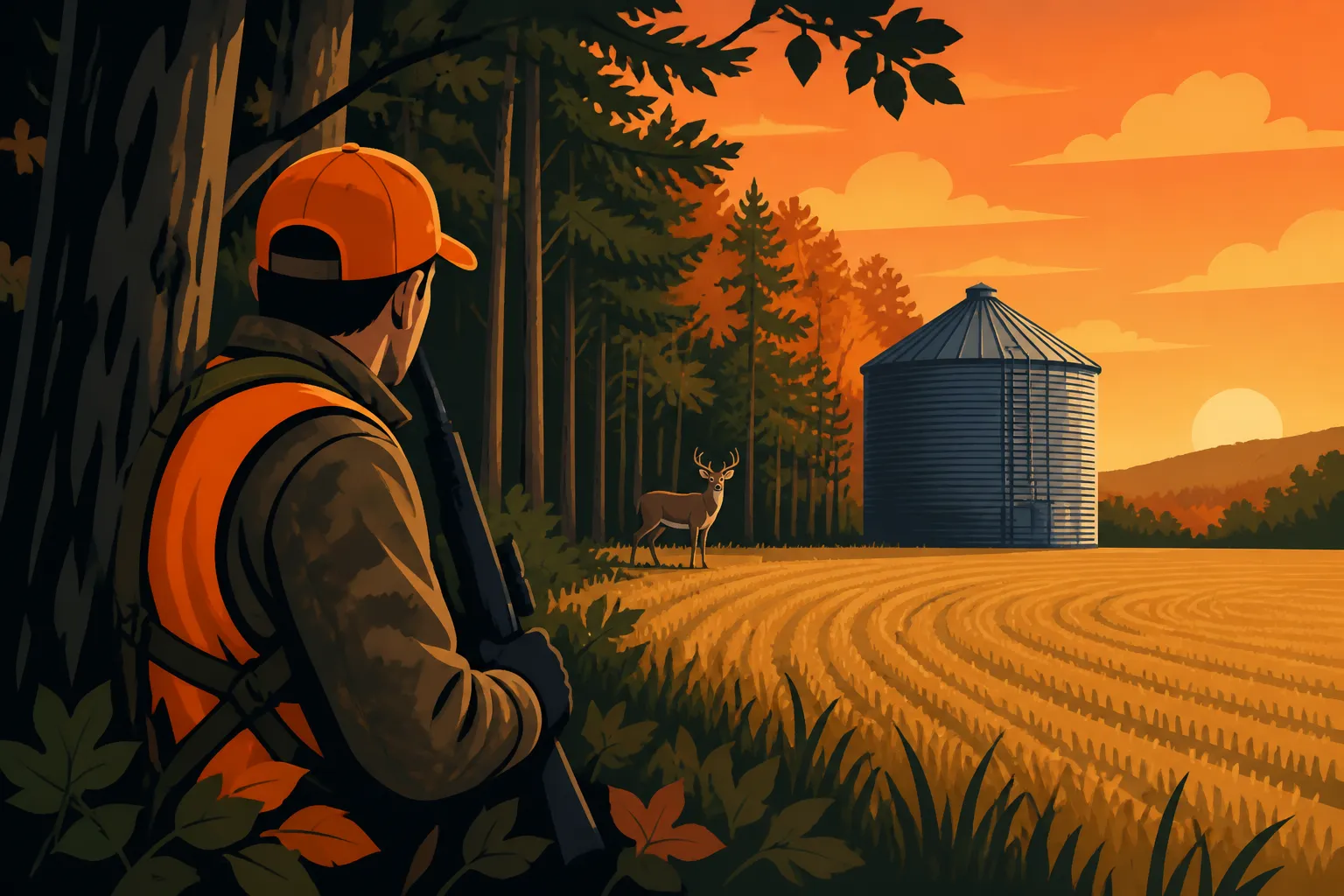
Hunting near agricultural areas, especially those with active grain bins, presents a unique and often incredibly frustrating challenge for New Hampshire deer hunters. These spots are natural magnets for deer, drawing them in with a consistent, high-energy food source, but figuring out how to intercept them consistently, especially when they're largely moving after dark, can feel like an impossible puzzle. This guide will walk you through the nuances of hunting the woodlots adjacent to active grain bins, offering practical strategies to turn these challenging locations into productive hunting grounds.
Understanding the Grain Bin Attraction in New Hampshire
It's no secret that deer are creatures of habit and opportunity, and agricultural areas with grain bins provide both in spades. When you're looking at a woodlot that borders a working farm with a grain bin, you're looking at a natural buffet that deer just can't resist. Understanding why they're so attracted to these spots is the first step in figuring out how to hunt them.
Why Deer Gravitate Towards Agricultural Food Sources
Think about it from a deer's perspective: a consistent, high-calorie food source requires minimal effort to access. In New Hampshire's diverse landscape, from the thick timber of the North Country to the mixed woodlands and farms of the Monadnock Region, deer are always seeking out the easiest path to sustenance. Farm fields, especially those planted with corn, soybeans, or other grains, provide a seasonal feast. But the real game-changer is often the grain bin itself.
During the growing season, deer will browse on crops directly in the fields. As fall approaches and harvest begins, the spilled grain around bins becomes an irresistible draw. This isn't just about survival; it's about maximizing energy intake for the long winter ahead and for the rigors of the rut. Bucks are burning calories at an incredible rate, chasing does and defending territory, and does need to build reserves for gestation. A reliable source of carbohydrates and protein found in spilled grain is like a five-star restaurant that never closes for business. They don't have to work as hard to find it, which means more time for other deer activities, or simply more energy conserved.
The Year-Round Lure of Spilled Grain
Unlike a seasonal acorn drop or a transient apple orchard, a working grain bin often provides a food source for a much longer duration, sometimes year-round. While the heaviest activity might be post-harvest, there's often residual grain, dust, and even spilled feed from livestock operations that keeps deer coming back. This consistent availability creates a strong pattern of behavior. Deer learn these spots. They create distinct travel corridors leading to and from the grain bins, often following the shortest path of least resistance through the adjacent woodlots.
Even if the main fields are harvested and fallow, the subtle scent and occasional kernels around the bin itself are enough to keep the deer interested. This means your scouting efforts need to account for this prolonged attraction. Don't just think about the initial post-harvest rush; consider how deer might be using these areas well into December, long after the main firearms season has passed. Identifying these consistent travel routes, even if they're subtle, will be critical.
Scouting and Planning Your Grain Bin Adjacent Hunt
Effective hunting of a grain bin adjacent woodlot isn't about blind luck; it's about meticulous scouting and thoughtful planning. You need to become a detective, piecing together clues that reveal how deer are interacting with this unique food source and the cover it provides.
Identifying Key Entry and Exit Routes
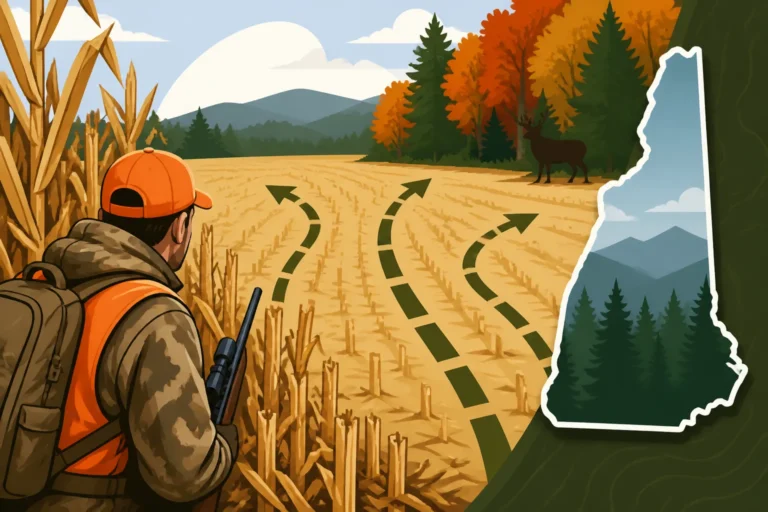
This is where your boots on the ground become invaluable. Deer typically don't just magically appear at a grain bin; they travel to it. Your job is to figure out their highways and byways. Start by walking the perimeter of the woodlot, focusing on where the timber meets the field or the bin area. Look for obvious trails, especially those that are well-worn and lead directly into the cover of the woods. These are often primary travel corridors.
Pay close attention to pinch points, funnels, and natural barriers. Is there a creek bottom, a fencerow, or a slight rise in elevation that naturally guides deer movement? Deer will almost always choose the path of least resistance or the path that offers the most security. They might enter the field at a discreet corner, especially if there's a small ditch or brush line offering immediate cover. Use mapping tools like GoHunt to analyze topography and potential travel routes before you even step foot in the woods. These applications can highlight elevation changes, cover density, and even historical movement patterns in some areas, giving you a serious edge in predicting deer behavior. Look for where these trails intersect with rubs and scrapes, indicating more mature buck activity. Understanding the topography and how deer use it is key to Reading New Hampshire Mud for Fresh Deer Movement.
Once you've identified potential entry and exit routes, consider the time of day. Are deer entering the field at dusk and leaving at first light? If so, their routes might be more direct and exposed. If they're primarily nocturnal around the bin, they might be skirting the edges of the woodlot in deeper cover, waiting for true darkness before venturing into the open.
Analyzing Wind, Thermals, and Stand Placement
This is probably the single most critical factor for success when hunting these spots in New Hampshire. The wind near a large, open field with buildings can be tricky and unpredictable. You need to know not just the general wind direction, but also how thermals might be influencing it at dawn and dusk. Early in the morning, as the sun warms the earth, thermals will generally rise, pulling your scent upwards. In the evening, as the air cools, thermals tend to fall, carrying your scent downwards into valleys or depressions.
When placing your stand, always position yourself downwind of the most likely deer approach routes, but also consider how your scent will drift into the field or towards the grain bin itself. You want to avoid contaminating the main feeding area. If deer are using a particular trail, your stand should be positioned to intercept them before they reach that trail, allowing you a shot without them winding you.
Consider using multiple stand locations if possible. A morning stand might be perfect for intercepting deer returning to bedding areas from the bin, while an evening stand is positioned to catch them as they head towards it. For example, if you're in an area with rolling hills, your morning stand might be higher up on a ridge overlooking a draw that deer use to leave the fields, while your evening stand is lower, tucked into the edge of the woodlot where deer emerge. Don't be afraid to Hanging a Stand on a Granite Ridge if the topography provides an advantage and good cover. Always check the forecast thoroughly, not just for wind direction, but also for temperature and pressure changes that can affect deer movement and thermal patterns.
Effective Hunting Strategies for These Unique Woodlots
Hunting a grain bin adjacent woodlot requires a flexible approach, adapting your tactics to the specific season, deer behavior, and conditions in New Hampshire. What works in early archery season might be completely ineffective during the firearms rush.
Early Season Archery Tactics
During the early archery season, typically starting in mid-September in much of New Hampshire, deer are still relatively unpressured, and their patterns around agricultural fields can be more predictable. The foliage is still thick, providing excellent cover for both you and the deer. This is your prime opportunity to capitalize on their natural feeding habits before the pressure of firearms season changes everything.
Focus on setting up between the grain bin and the known bedding areas. Deer will often bed relatively close to a primary food source, especially if ample cover is available in the woodlot. This means you might find success by setting up on a well-used trail that acts as a highway between their daytime refuge and their nighttime feast. A good strategy is to use a mobile setup, like a climber or lightweight saddle, allowing you to adapt quickly based on fresh sign or changing winds. For example, if you discover a fresh scrape line along a logging road leading towards the grain bin, a quick, quiet setup might be crucial.
Remember, deer often stage in the timber just outside the open fields before committing to feeding. Look for areas with heavy cover, browse, and good visibility that deer might use to pause, observe, and scent-check the area before stepping out. This staging area is often a fantastic spot for an archery setup, as it keeps you out of sight and allows for closer shots at slower-moving animals. With archery season running quite long in New Hampshire, sometimes even Hunting New Hampshire's Archery Season Into December in some WMUs, these persistent food sources remain attractive.
Firearms Season Approaches and Pressure Considerations
When New Hampshire's firearms season opens, the dynamics around agricultural areas shift dramatically. The increased hunting pressure, often concentrated around obvious food sources, can make deer much more nocturnal and wary. Direct approaches to the field edge or grain bin, which might have worked in archery season, could now spook deer into completely different patterns.
During firearms season, you'll want to pivot your strategy to focus on security cover and escape routes. Deer won't abandon a prime food source entirely, but they will become much more cautious in how they access it. Look for deeper pockets of cover within the adjacent woodlot, particularly thick softwoods, beaver swamps, or steep ravines that offer refuge. Instead of focusing directly on the field edge, concentrate on trails that lead into these heavy cover areas, especially those that parallel the field but are far enough back to offer a sense of security.
Consider how deer might be escaping pressure. If hunters are constantly walking the field edges, deer will learn to use the thickest part of the woodlot to circle around or travel parallel to the pressure. Setting up on these secondary trails, often called "deer runs," can be highly effective. A well-placed ground blind, brushed in naturally with surrounding vegetation, can be an excellent option for staying concealed in these high-pressure scenarios, as discussed in Using a Ground Blind on Public Land. The goal is to intercept a deer that is either skirting the pressure on its way to the grain, or a buck that is cruising through deeper cover checking for does that might be headed to the fields. For a better understanding of how the seasons are structured, check out New Hampshire's WMU-Based Deer Season Structure.
Overcoming Challenges and Maximizing Success
Hunting any deer in New Hampshire presents its own set of challenges, but targeting deer around grain bins adds another layer of complexity. Dealing with pressure, understanding nocturnal movement, and managing landowner relationships are all critical components of a successful hunt.
Dealing with Hunting Pressure and Nocturnal Movement
The biggest headache with grain bin hunting is often the sheer amount of hunting pressure these obvious food sources attract, leading to deer that only move under the cloak of darkness. It's a classic scenario: trail camera pictures show big bucks at the grain bin every night, but during legal shooting hours, they're ghosts.
To combat this, you need to think like a pressured deer. Where would it feel safe moving during daylight? This almost always means deeper, thicker cover. Instead of setting up right on the field edge, push further into the adjacent woodlot. Look for small, unnoticeable funnels or saddles that connect bedding areas to the grain bin, but that offer a high degree of security. These might be subtle dips in the terrain, narrow strips of dense brush, or even areas of thick pines that block visibility.
Sometimes, the best strategy isn't to hunt the grain bin directly, but to hunt the destination when they leave the bin. This means identifying where deer are bedding during the day. If you know they're feeding at the bin at night, and then retreating to a particular cedar swamp or thick clear-cut for bedding, focus your efforts on the travel corridors leading out of the bedding area in the afternoon, or into it in the morning. This might mean adjusting your approach during New Hampshire's November Firearms Deer Season to intercept deer moving through transition areas. Patience is key. Sometimes, the only daylight movement you'll see is a buck cruising the edges of the thick stuff, checking for does that might be venturing out.
Legal Considerations and Landowner Relations
Hunting private land, which is often the case with grain bin adjacent woodlots, comes with significant legal and ethical responsibilities. In New Hampshire, it is crucial to understand and respect landowner rights. Always, always obtain explicit permission from the landowner before you step foot on their property. This isn't just a courtesy; it's the law. Do You Need Written Permission in New Hampshire? The best practice is to get written permission, specifying exactly what you're allowed to do (e.g., hunt, scout, retrieve game) and for what dates.
Building a good relationship with the landowner is paramount. They hold the key to your access. Be respectful, offer help around the farm, and perhaps share some venison if you're successful. Understand that they have their own operations, and your hunting should never interfere with their work or safety. Be mindful of farm equipment, livestock, and any other activities.
Furthermore, be aware of specific regulations regarding hunting near dwellings or occupied buildings in New Hampshire. There are setback distances for discharging firearms, and you must adhere to these strictly. This is another reason why hunting the deeper woodlot, away from the immediate farm buildings, is often a safer and more ethical approach. Always carry your license and proof of permission, and be prepared to explain your presence if questioned. Tools like GoHunt can help you identify property boundaries, ensuring you stay on the land you have permission to hunt. Becoming familiar with New Hampshire Hunter Education Requirements also provides a strong foundation for responsible hunting practices.
| Strategy Component | Early Archery Season (Low Pressure) | Firearms Season (High Pressure) |
|---|---|---|
| Primary Focus | Direct travel routes between bedding and grain bin | Security cover, escape routes, transition zones |
| Stand Placement | Closer to field edge, staging areas, or direct trails | Deeper within woodlot, along secondary trails paralleling field, pinch points |
| Time of Day | Dawn/Dusk (deer more likely to move in daylight) | Mid-morning to mid-afternoon (bucks cruising), last hour of daylight |
| Tactical Approach | Mobile setups (climbers/saddles), quiet entry/exit | Ground blinds (brushed in), low-impact scouting, stand and wait |
| Wind/Thermal Prep | Critical for all setups, multiple stand options for varying winds | Even more critical, prioritize remaining undetected in heavy cover |
| Pressure Reaction | Less sensitive, but still avoid disturbing the core feeding area | Deer will become nocturnal; target security cover and transition zones |
| Scouting Focus | Fresh sign, main trails, rub/scrape lines, staging areas | Subtle trails, thickets, escape routes, observation from a distance |
Disclaimer
Please note that hunting regulations, season dates, and land access rules can change. Always consult the most current New Hampshire Fish and Game Department hunting digest and local ordinances before heading afield. It is your responsibility to know and follow all applicable laws.