Game You Cannot Hunt in New Hampshire
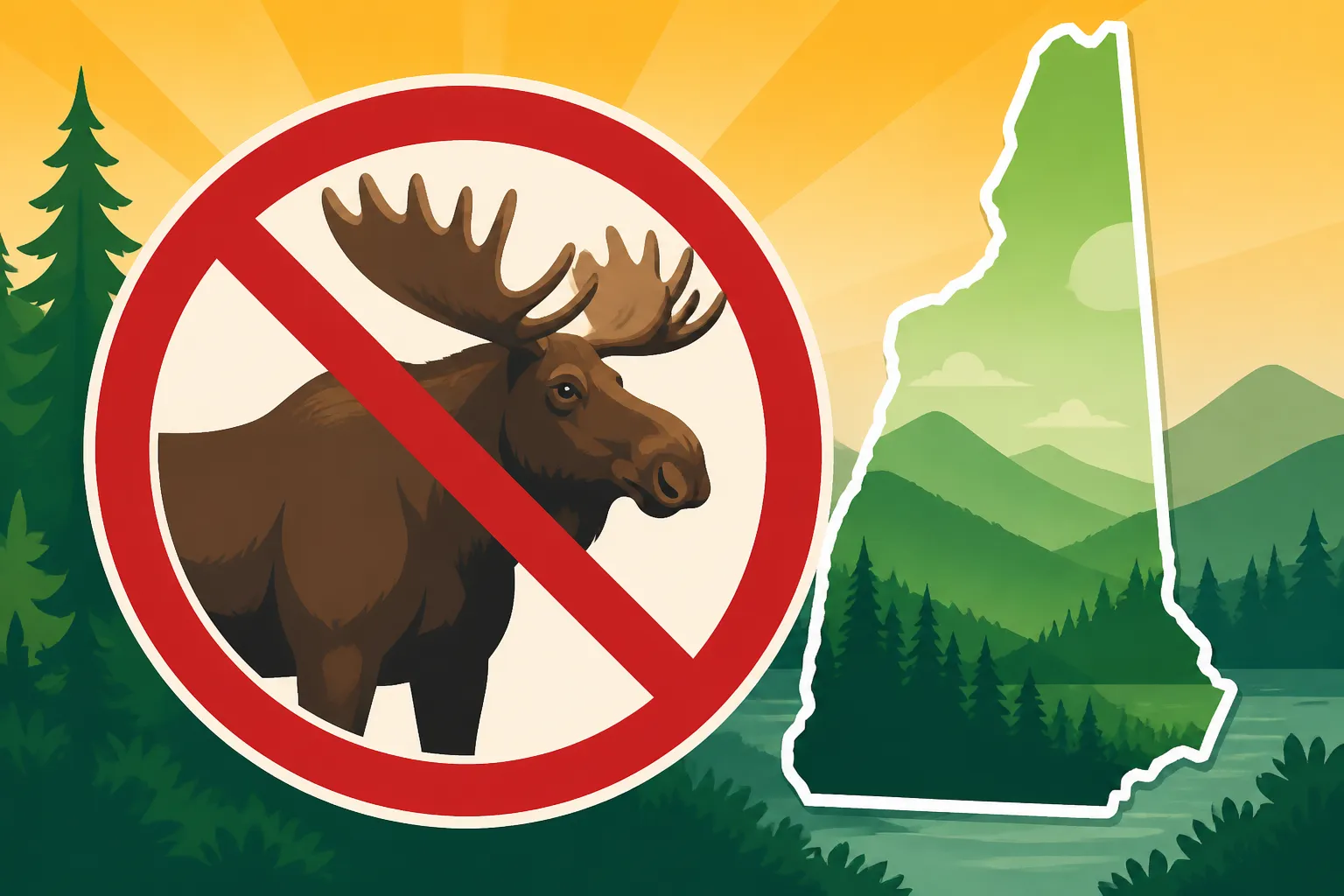
It's incredibly exciting to think about all the amazing game New Hampshire has to offer, from the mighty moose in the North Country to the cunning whitetails in the southern hills. But sometimes, in our enthusiasm, it's easy to overlook that not every wild animal you encounter is fair game. This guide is here to clear up any confusion and help you understand which species are protected or simply not legal to hunt in the Granite State, ensuring you stay within the bounds of conservation and law.
Understanding New Hampshire's Wildlife Management Philosophy
When we talk about hunting in New Hampshire, it's crucial to understand that it's all built upon a foundation of science-based wildlife management. It’s not just about what we want to hunt, but what the land can sustainably provide and what species need protection to thrive. Our state's Fish and Game Department works tirelessly to balance hunting opportunities with the long-term health of all wildlife populations.
The Role of Conservation and Population Health
Every hunting season, every bag limit, and every protected species designation stems from careful study of animal populations, habitat health, and ecological roles. If a species has a low population count, is struggling with habitat loss, or plays a critical role in the ecosystem that could be negatively impacted by hunting pressure, it's often designated as protected. This isn't to deny hunters opportunities, but to safeguard the future of these animals and the intricate web of life they belong to. Think of it as investing in the long-term health of our wild places, ensuring that future generations will also have the chance to witness and appreciate these incredible creatures. Sometimes, a species might be recovering from past overharvesting, or its habitat might be fragile. In these cases, the best management strategy is often to close the season entirely, allowing populations to rebound naturally. New Hampshire Deer and Moose Disease Monitoring also plays a role in understanding the overall health of populations, which can impact hunting decisions.
Protected Species vs. Non-Game Animals
It's important to differentiate between species that are actively protected by state or federal law and those that are simply "non-game" animals for which no hunting season exists. Protected species, often listed as endangered, threatened, or species of special concern, carry strict legal protections. Harming or harassing these animals can result in significant fines and legal consequences. Non-game animals, on the other hand, might have robust populations but simply aren't traditionally hunted for sport or food in New Hampshire, or they may be small, ubiquitous creatures that fall outside typical game management. Knowing the difference means understanding that encountering a protected species means observing from a distance and appreciating its presence, while encountering a non-game animal means recognizing it's not a legal target. For example, while coyotes have a hunting season, many small rodents do not, simply because they aren't managed as game animals.
Specific Species You Cannot Legally Hunt in New Hampshire
New Hampshire is a state rich in biodiversity, and many of its wild inhabitants are off-limits to hunters for various critical reasons, primarily conservation. These are creatures that contribute to the ecological balance in vital ways, or whose populations are too fragile to withstand hunting pressure.
Federally and State-Protected Mammals
When we think of New Hampshire's wild mammals, our minds often jump to deer, moose, and bear – and for good reason, as they offer exciting hunting seasons. However, there are several other mammals that hold a protected status and are absolutely not legal to hunt.
- Canada Lynx: These elusive felines are incredibly rare in New Hampshire, primarily found in the most remote, northern reaches of the state. They are federally protected under the Endangered Species Act, and any sighting is a significant event. Their specialized diet (primarily snowshoe hare) and specific habitat requirements make their survival particularly challenging. To confuse a lynx with a bobcat (which is huntable with restrictions) would be a serious legal error.
- American Marten: The American marten is a beautiful, agile carnivore of the weasel family, often found in dense, mature conifer forests. Historically, they were over-trapped for their fur, leading to significant population declines. While New Hampshire's population is slowly recovering, they remain protected. New Hampshire's Recovering Fisher Population is a similar story of a furbearer making a comeback.
- Wolves and Mountain Lions (Cougars): While historically present, wolves were extirpated from New Hampshire centuries ago. There are no established breeding populations of either wolves or mountain lions in the state, despite occasional unconfirmed sightings. Therefore, these animals are not legal to hunt because they simply aren't here in a sustainable population, and any claim of hunting them would be highly suspect. New Hampshire Wolf History and Extirpation gives a deeper look into this. Similarly, our state has also seen the extirpation of caribou, a species once native to the region, as discussed in New Hampshire Caribou History and Extirpation.
- Certain Bat Species: Several bat species found in New Hampshire, such as the Little Brown Bat, Northern Long-eared Bat, and Tri-colored Bat, are facing severe population declines due to White-Nose Syndrome. These species are either state-listed as endangered or threatened, or federally protected. Disturbing or harming them is illegal, and they are certainly not huntable game.
Protected Birds and Raptors
Our skies are home to a breathtaking array of birdlife, but only a select few species, like certain waterfowl and turkeys, have legal hunting seasons in New Hampshire. The vast majority of bird species are protected under various state and federal laws, most notably the Migratory Bird Treaty Act.
- Bald Eagles: The majestic bald eagle has made an incredible comeback across the country, including New Hampshire, thanks to dedicated conservation efforts. They are protected federally and at the state level. Seeing one soaring overhead is a true privilege, and they are absolutely off-limits to hunters. Learn more about their recovery in New Hampshire Bald Eagle Recovery.
- Ospreys: Similar to eagles, ospreys are magnificent fish-eating raptors that have also seen a heartening recovery. They are protected and an indicator of healthy aquatic ecosystems. Their distinctive nests atop tall trees or dedicated platforms are a common sight near New Hampshire's waterways. New Hampshire Osprey Nesting Platforms details their comeback.
- Hawks and Owls: All species of hawks (like Red-tailed Hawks, Goshawks, Kestrels) and owls (such as Great Horned Owls, Barred Owls, Saw-whet Owls) are protected. These birds of prey play vital roles in controlling rodent and small mammal populations, making them critical components of healthy ecosystems. They are not legal game birds.
- Songbirds: From the tiniest chickadees to colorful warblers and robust thrushes, all songbirds are protected. These are the birds that fill our forests and fields with sound and color, and they are essential for insect control and seed dispersal. Hunting any songbird is strictly prohibited.
Reptiles, Amphibians, and Other Wildlife
Beyond mammals and birds, New Hampshire is home to many other fascinating creatures that are crucial to our ecosystems but are not, and should not be, considered game animals.
- Timber Rattlesnake: New Hampshire is home to an extremely rare and critically endangered population of timber rattlesnakes, primarily in a few isolated pockets. These venomous snakes are protected by state law, and harming them carries severe penalties. Encounters are exceedingly rare, and if you're lucky enough to see one, it's a moment to appreciate from a safe distance. New Hampshire Timber Rattlesnake Range provides more information on their protected status.
- Turtles and Frogs: While snapping turtles have limited harvest rules in some areas, most other turtle species (like Blanding's Turtles and Spotted Turtles, which are endangered) and all frog and salamander species are protected. These amphibians and reptiles are crucial indicators of environmental health and are not managed as game.
- Other Small Mammals: Animals like flying squirrels, red squirrels (distinct from grey squirrels which have a season), chipmunks, porcupines, and most small rodents generally do not have hunting seasons in New Hampshire. While some might be considered pests in certain situations, they are not regulated as game animals and are not to be hunted. New Hampshire Red Squirrel Range discusses the distribution of these common, but non-game, forest dwellers.
Common Misconceptions and Ethical Considerations
It’s completely understandable to sometimes wonder why a certain animal isn't huntable, especially if it seems abundant. However, understanding the reasoning behind these regulations is key to being a responsible and ethical outdoors person in New Hampshire.
The "Trophy" Mentality vs. Sustainable Harvest
Sometimes, folks might look at a beautiful animal, like a bald eagle or a majestic lynx, and think, "What a trophy that would be!" But true ethical hunting and conservation are far removed from a "trophy" mentality that disregards the ecological role or protected status of a species. Hunting regulations in New Hampshire are rooted deeply in the concept of sustainable harvest, meaning we only take what the population can afford to lose without long-term detriment. This is why species with low populations, slow reproductive rates, or vital ecological roles are protected. Hunting isn't just about the chase; it's about being an active participant in conservation, which means respecting the rules set forth to protect all wildlife, not just the game species. Organizations and resources like GoHunt frequently emphasize ethical hunting practices and the importance of respecting wildlife laws, reinforcing that true success in the field comes from responsible engagement, not just harvesting.
What to Do if You Encounter a Protected Species
Coming across a rare or protected animal in New Hampshire's wilderness is a special experience. If you find yourself in such a situation, the best course of action is always observation and respect from a distance.
Here’s a general guide:
- Maintain Distance: Never approach, pursue, or harass a protected animal. Give it ample space to move freely and without feeling threatened.
- Observe and Appreciate: Take a moment to simply watch and appreciate the animal in its natural habitat. This is a rare privilege.
- Photograph (from a distance): If you have a camera, feel free to take pictures, but avoid using a flash if it could startle the animal.
- Do Not Disturb: Do not attempt to feed, call to, or otherwise interact with the animal. Human interaction can habituate animals, leading to negative outcomes for both wildlife and people.
- Report Unusual Sightings: If you see a species that is particularly rare or appears injured or in distress (e.g., a lynx, or a sick bald eagle), contact the New Hampshire Fish and Game Department. They have specific protocols for responding to such reports and can provide guidance. This information is valuable for their ongoing wildlife monitoring efforts.
The Importance of Knowing Your Regulations (and Where to Find Them)
The rules and regulations for hunting in New Hampshire aren't just suggestions; they are legal requirements designed to protect our natural resources and ensure safe, ethical hunting. It can feel like a lot to keep track of, but staying informed is part of being a responsible hunter.
Why the Digest is Your Best Friend
Every year, the New Hampshire Fish and Game Department publishes a hunting digest. This digest is not just a casual read; it's the definitive guide to all legal hunting activities, dates, bag limits, and, crucially, protected species. Ignoring it, or assuming last year's rules still apply, is a surefire way to accidentally break the law.
The digest will clearly list:
- All legal game species.
- Open and closed seasons for each species and specific WMUs.
- Bag limits and possession limits.
- Legal methods of take.
- Rules regarding baiting, equipment, and hunter orange.
- And, often, a section or clear indications of what you cannot hunt.
Always get the most current version, whether that's a physical copy you pick up from a license agent or an online version from the Fish and Game website. New Hampshire Hunting Licenses and What They Cost is just one of many topics covered comprehensively in the annual digest.
Using Technology for Current Information
In our modern world, getting up-to-date information is easier than ever. While the physical digest is invaluable, online resources and mobile apps can also be incredibly helpful, especially when you're out in the field.
- New Hampshire Fish and Game Website: The official website is a treasure trove of information. You can often download the current digest as a PDF, find breaking news about rule changes, and access various resources about wildlife.
- Mobile Apps: Several reputable outdoor apps, such as
GoHunt, offer layers that show public and private land boundaries, as well as some overlaying regulations. While these can be fantastic tools for navigation and scouting, always cross-reference any regulation information with the official New Hampshire Fish and Game digest. These apps are great for adding convenience to your hunting experience, but they don't replace the official word. Scouting With the New Hampshire Fish and Game App can be a huge asset, especially for checking land status and general rules. - Reporting Tools: Some apps and the Fish and Game website even offer ways to report wildlife sightings or violations, giving you a direct line to contribute to conservation efforts.
Staying informed isn't just about avoiding penalties; it's about playing an active, positive role in the future of New Hampshire's wildlife for all to enjoy.
Disclaimer
This article is for general informational purposes only and does not constitute professional advice. Laws, prices and regulations vary by location and change over time. Consult a qualified professional for guidance on your specific situation.