Donating Venison in New Hampshire
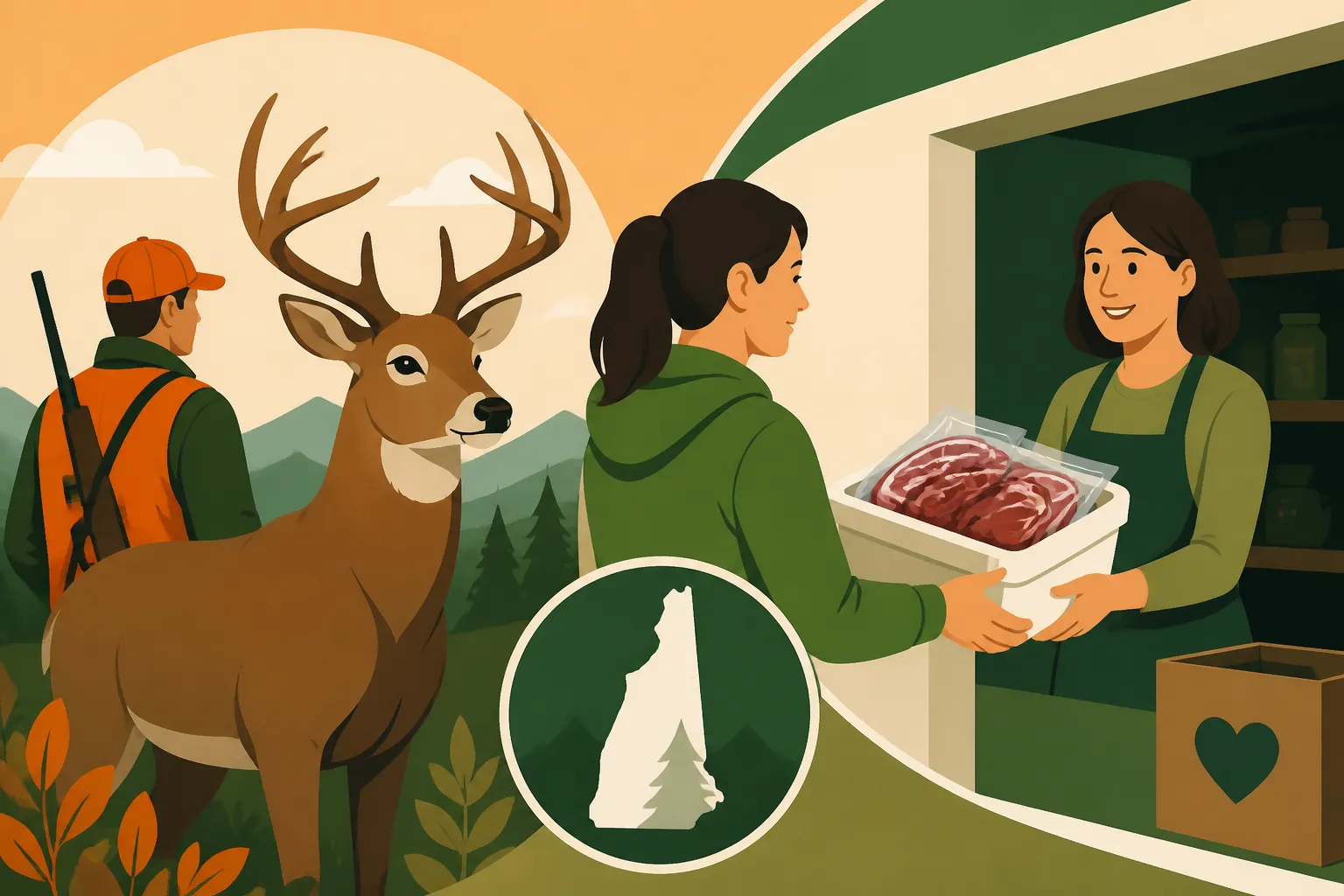
For many of us who hunt in New Hampshire, the thrill of a successful harvest brings with it not just the satisfaction of providing for our families, but also a deeper connection to the land and its resources. Sometimes, though, we find ourselves with more venison than our freezers can realistically hold, or perhaps we feel a strong desire to share that bounty with those in need. This guide will walk you through the ins and outs of donating venison in the Granite State, ensuring your hard-earned harvest can benefit our communities, providing healthy, lean protein to local families.
The Heart of Giving Back: Why Venison Donation is Crucial in New Hampshire
Hunting isn't just about the pursuit; it's deeply rooted in conservation and community stewardship. When we talk about donating venison, we're not just discussing a transaction; we're embracing a profound act of giving that resonates on multiple levels throughout New Hampshire. It's a way for hunters to extend their impact far beyond their own dinner table, directly addressing real needs in our local communities.
Addressing Food Insecurity in the Granite State
It might surprise some, but food insecurity is a very real challenge right here in New Hampshire. Even in our picturesque towns and bustling cities, many families struggle to put nutritious meals on the table consistently. Access to high-quality protein, which venison provides in abundance, can be particularly difficult for food banks and charitable organizations to source. Your donated deer isn't just a meal; it's a vital source of protein, helping to nourish children, seniors, and families who might otherwise go without. It fills a critical gap, offering a healthy alternative to processed foods and demonstrating the incredible generosity within our hunting community. This direct impact is something we can all be proud of, seeing our efforts in the woods translate into tangible support for our neighbors.
Environmental and Management Benefits of Hunter Contributions
Beyond the immediate human benefit, venison donation also plays an integral role in wildlife management and ecosystem health across New Hampshire. Our Fish and Game Department works tirelessly to maintain balanced deer populations, which is crucial for the health of the herd and the habitat they rely on. Overpopulation can lead to increased disease transmission, habitat degradation, and unfortunately, a rise in deer-vehicle collisions on our roads. By participating in the harvest, especially when populations are robust, hunters actively contribute to these management goals. When a portion of that harvest is then donated, it amplifies the positive impact, effectively turning a necessary management tool into a community resource. It's a win-win: healthy deer herds, safer roads, and food on tables.
Navigating the Logistics: Finding and Working with Venison Donation Programs
Donating venison isn't as simple as dropping off a deer at a food bank, largely due to the strict health and safety regulations surrounding wild game. But don't let that deter you! With a little planning, it's a straightforward and incredibly rewarding process. The key is knowing where to look and understanding the necessary steps to ensure your donation is handled correctly.
Finding Approved Programs and Facilities
The first, and arguably most important, step is to connect with approved venison donation programs or facilities in New Hampshire. These are often established charities or food banks that have partnerships with certified meat processors. They understand the health codes and logistical challenges involved. The New Hampshire Fish and Game Department is an excellent starting point, often providing resources or lists of organizations that participate in venison donation initiatives. You might find local food pantries or church groups that coordinate with larger regional programs. A good digital tool like GoHunt can sometimes help you identify local community forums or resources where hunters discuss these programs, offering peer-todriven insights on where to donate in specific areas. It's really about doing a bit of legwork before the season, or right after a successful hunt, to identify the right channels.
Critical Processing and Handling Requirements
For venison to be accepted by any donation program, it must meet specific processing and handling standards. This is non-negotiable for food safety.
First, proper field dressing is paramount. As soon as a deer is harvested, it needs to be field dressed quickly and cleanly to begin the cooling process and prevent spoilage. This means removing the entrails promptly and keeping the carcass clean. Any signs of spoilage or mishandandling will likely result in the donation being rejected, which is disheartening for everyone involved.
Second, the venison almost always needs to be processed by a state-inspected, certified meat processor. This isn't something you can usually do in your garage for donation purposes. These processors ensure the meat is cut, wrapped, and stored according to strict health and safety guidelines, making it safe for distribution to the public. They also often handle the necessary paperwork for the donation program. It’s worth checking with your chosen donation program for a list of their preferred or approved processors.
Finally, there's the critical issue of Chronic Wasting Disease (CWD). While New Hampshire has a New Hampshire's CWD-Free Deer Herd, vigilance is key. Always adhere to all state regulations regarding CWD testing and carcass movement. Reputable donation programs will only accept venison from deer that comply with all health monitoring requirements, ensuring the safety of the food supply. Your care in handling and choosing a processor is what makes your donation viable and valuable.
Financial Considerations and Support
One of the common questions hunters have about venison donation revolves around the cost of processing. While the meat itself is free, the labor of having it professionally processed is not. Here’s how this usually works in New Hampshire:
Sometimes, the hunter covers the processing fee. For many, it's a small price to pay to see their harvest go to a good cause. Think of it as an extension of your hunting license fee, investing in the community.
However, many venison donation programs actively work to secure funding to cover these processing costs. They might rely on grants, corporate sponsorships, or individual donations from community members who believe in their mission. It’s always a good idea to ask the program you’re working with if they have funds available or if they are looking for hunters to help contribute to the processing fees. Some programs even have dedicated funds set up by organizations like Hunters for the Hungry or similar initiatives that specifically aim to alleviate this burden on hunters.
Remember, if you do cover the processing costs out of pocket, these expenses, along with the fair market value of the donated meat, may be tax-deductible as a charitable contribution. It's always wise to consult with a tax professional regarding any potential deductions, but it's another way your generosity can be acknowledged.
Ensuring Quality: Processing and Handling Standards for Donated Game
The journey of venison from the field to a hungry family's plate is one that demands meticulous care and adherence to high standards. Donating venison isn't just about dropping off a carcass; it's about providing a safe, nutritious, and high-quality food product. This commitment to quality starts with the hunter and continues through the processing stage, ultimately ensuring that those who receive the donation are getting the very best.
Field Dressing and Initial Care Post-Harvest
The moment a deer is harvested, its future as a potential donation begins. Rapid and thorough field dressing is absolutely non-negotiable. This isn't just a nicety; it's a critical food safety step. The sooner you remove the entrails, the faster the carcass can cool, drastically reducing the risk of bacterial growth and spoilage. In the chillier months of New Hampshire's deer seasons, especially during New Hampshire's November Firearms Deer Season or Hunting Into the December Muzzleloader Close, nature helps with the cooling. However, even then, proper field dressing ensures the meat is clean and ready for further processing. You'll want to take steps to keep the body cavity clean, avoid contaminating the meat with dirt or other material, and if possible, get some air circulation around the carcass. This initial care sets the stage for a successful donation.
The Role of Certified Meat Processors
Once field dressed, the deer needs to get to a certified meat processor as quickly as possible. These are not just any local butcher shops; they are facilities that operate under strict health department guidelines, similar to those that process domestic livestock. They have the proper equipment for cooling, hanging, cutting, and packaging the meat in a sanitary environment. They understand the nuances of wild game and how to handle it to maximize safety and yield.
When you choose a processor for your donated venison, make sure they are familiar with and approved by the donation program you are working with. They will be able to portion the meat into cuts, grind it, and package it in a way that is ready for distribution to food banks or charitable organizations. The processor acts as a crucial intermediary, transforming a whole deer into ready-to-use packages of lean, healthy protein. Without their expertise and adherence to standards, venison donation simply wouldn't be possible on a larger scale.
Packaging and Labeling for Distribution
After processing, the venison will be packaged, typically in individual cuts or ground meat packages. Proper packaging is essential to maintain freshness and prevent freezer burn. Vacuum-sealed bags or heavy-duty freezer paper are common methods. Each package will also be clearly labeled, often indicating "Venison," the type of cut (e.g., ground, stew meat), and sometimes the date processed. This labeling is not just for convenience; it's a regulatory requirement for food distribution to ensure traceability and proper storage by the recipient organizations.
These standards are in place to instill confidence in the recipients of the donated venison, assuring them that they are receiving a safe, high-quality product. Your commitment as a hunter to these steps ensures your donation truly makes a difference.
| Step in Donation Process | Hunter's Responsibility | Processor's Responsibility | Donation Program's Responsibility |
|---|---|---|---|
| Pre-Hunt Planning | Identify programs, understand requirements, potentially plan for processing cost. | (N/A) | Recruit processors, secure funding, educate hunters. |
| Harvest & Field Dressing | Execute a clean, ethical harvest; field dress immediately and thoroughly. | (N/A) | (N/A) |
| Transport to Processor | Transport carcass promptly and cleanly to an approved processor. | (N/A) | Provide list of approved processors. |
| Meat Processing | (N/A) | Receive, inspect, cut, grind, package, and label venison according to health standards. | (N/A) |
| Payment for Processing | Pay if program doesn't cover; inquire about tax deductions. | Collect payment for services. | Secure funds to cover processing costs, if possible. |
| Donation Transfer | Provide necessary deer registration information. | Release processed venison to the donation program. | Coordinate pickup/delivery to food banks/pantries. |
| Distribution | (N/A) | (N/A) | Distribute venison to individuals and families in need. |
Your Role as a Hunter: Making a Difference Through Donation
As New Hampshire hunters, we often focus on the hunt itself—the scouting, the shot, the retrieve. But the impact of our efforts can extend much further, especially when we choose to donate. Our participation in these programs transforms our passion into genuine community support, embodying the best aspects of the hunting tradition.
Before the Hunt: Planning for Donation
Making the decision to donate venison really starts even before you head into the woods. It involves a bit of foresight and planning, especially if you anticipate a successful season. Consider contacting local venison donation programs or food banks in your area, such as those that might be listed by the New Hampshire Fish and Game Department, even before When New Hampshire's Archery Season Opens. Ask about their specific requirements, approved processors, and any funding they have for processing fees. This proactive approach ensures that if you do harvest a deer, you'll know exactly what steps to take next, eliminating last-minute scrambling. It also helps the programs prepare for incoming donations, ensuring a smoother process for everyone involved. Planning ahead is key to maximizing the positive impact of your harvest.
After the Harvest: Immediate Steps
Once you've successfully harvested a deer, the clock starts ticking, especially if you intend to donate. The immediate steps you take are crucial for ensuring the venison is suitable for donation. First and foremost, perform a thorough and swift field dress. Maintaining cleanliness is vital. The goal is to cool the carcass down as quickly as possible to prevent spoilage, particularly if temperatures are mild. If you're Field Dressing a Deer in Cold Weather, you might have a little more leeway, but speed and hygiene are always paramount.
Next, get the deer to an approved processor as soon as you can. This often means driving it directly from the field, or at least having it in a secure, cool location if the processor is closed. Communication is also key here: call the processor ahead of time to let them know you're coming and that it's a donation deer. Be prepared to provide any required information, such as your hunting license details or the confirmation number from your Registering a New Hampshire Deer Online submission. Every step you take reflects your commitment to providing a high-quality, safe product for those in need.
The Impact of Your Contribution
Donating venison is more than just giving away meat; it's providing a truly valuable resource. Venison is an incredibly lean, healthy protein source, often superior in nutritional value to many store-bought meats, and it's free from antibiotics or hormones often found in commercial products. For families struggling with food insecurity, receiving venison can make a significant difference to their diet, offering a wholesome meal option they might not otherwise afford.
Think about the ripple effect: a child getting a nutritious meal, allowing them to focus better in school; a senior citizen receiving healthy protein, improving their overall well-being. Your efforts in the woods, the patience, the skill, and the dedication, all culminate in a profound act of charity that strengthens our New Hampshire communities. It truly underscores the idea that hunters are dedicated conservationists and generous community members, putting their efforts into practice for the greater good.
Overcoming Obstacles: Common Hurdles and Solutions in New Hampshire Venison Donation
While the desire to give back is strong among New Hampshire hunters, the path to venison donation isn't always perfectly smooth. There can be a few logistical hurdles, but with a bit of understanding and proactive planning, these can almost always be overcome. Knowing what to expect allows us to prepare better and ensures our donations make it to those who need them most.
Finding Participating Processors
One of the most frequent challenges hunters face is simply locating a meat processor willing and able to handle donated wild game, especially one approved by local food banks. In some of New Hampshire's more rural regions, processors might be few and far between, or they might have limited capacity, especially during the peak of deer season. This can be a real headache when you've just tagged a deer and need to get it processed quickly.
A great solution here is early communication. Before the season even starts, make calls to local processors and the New Hampshire Fish and Game Department or local food charities to ask about their recommended or approved facilities. Some hunters even rely on community forums or social media groups to find up-to-date information on processors who are donation-friendly. Tools like GoHunt can sometimes provide access to local hunting networks where such information is shared freely. If a particular food bank works with a specific processor, make sure to get that contact information ahead of time. It's often about building those connections and knowing who to call when the moment arrives.
Cost of Processing
As we touched on earlier, the processing fee can sometimes be a barrier. While the hunter provides the meat, the cost of cutting, grinding, and packaging can add up. For some, this unexpected expense after a hunt might make them hesitate to donate. It’s a completely understandable concern, especially with the rising costs of everything else.
To address this, many venison donation programs actively fundraise to cover processing costs for hunters. When you contact a program, always ask if they have a fund available for this purpose. If they don't, consider it an opportunity for you to make an even larger impact. Some hunters see paying the processing fee as part of their contribution, ensuring the meat reaches those in need. You could also explore if a local hunting club or conservation organization might sponsor processing fees in your area. Sometimes, a simple community fundraiser or outreach by the food bank can rally local support to cover these costs, turning a potential hurdle into a collaborative success.
Timing and Logistics
New Hampshire's hunting seasons can be intense and often fall during busy times of the year, like late autumn. Balancing your own schedule, the processor's availability, and the swift handling of a harvested animal can feel like a logistical puzzle. Processors often get swamped during the general firearms season, leading to longer wait times. If you harvest a deer on a Friday, and the processor is closed for the weekend, that's a whole new set of challenges for keeping the meat fresh.
Again, preparation is your best ally. Call your chosen processor immediately after your harvest to confirm their availability and drop-off procedures. If they're fully booked, ask if they have a waiting list or can recommend another approved facility. For longer transport times or warmer weather, having coolers packed with ice ready can be a game-changer for preserving the quality of the meat until it can be dropped off. Learning skills like Butchering a Deer at Camp can also buy you some time if you're delayed, allowing you to break down the animal into manageable, cooler-sized portions, though professional processing for donation is still the gold standard. Effective communication and a little foresight can ensure that your generous donation navigates these practicalities with ease.
Disclaimer
This article is for general informational purposes only and does not constitute professional advice. Laws, prices and regulations vary by location and change over time. Consult a qualified professional for guidance on your specific situation.