New Hampshire Coyote Attacks on Livestock
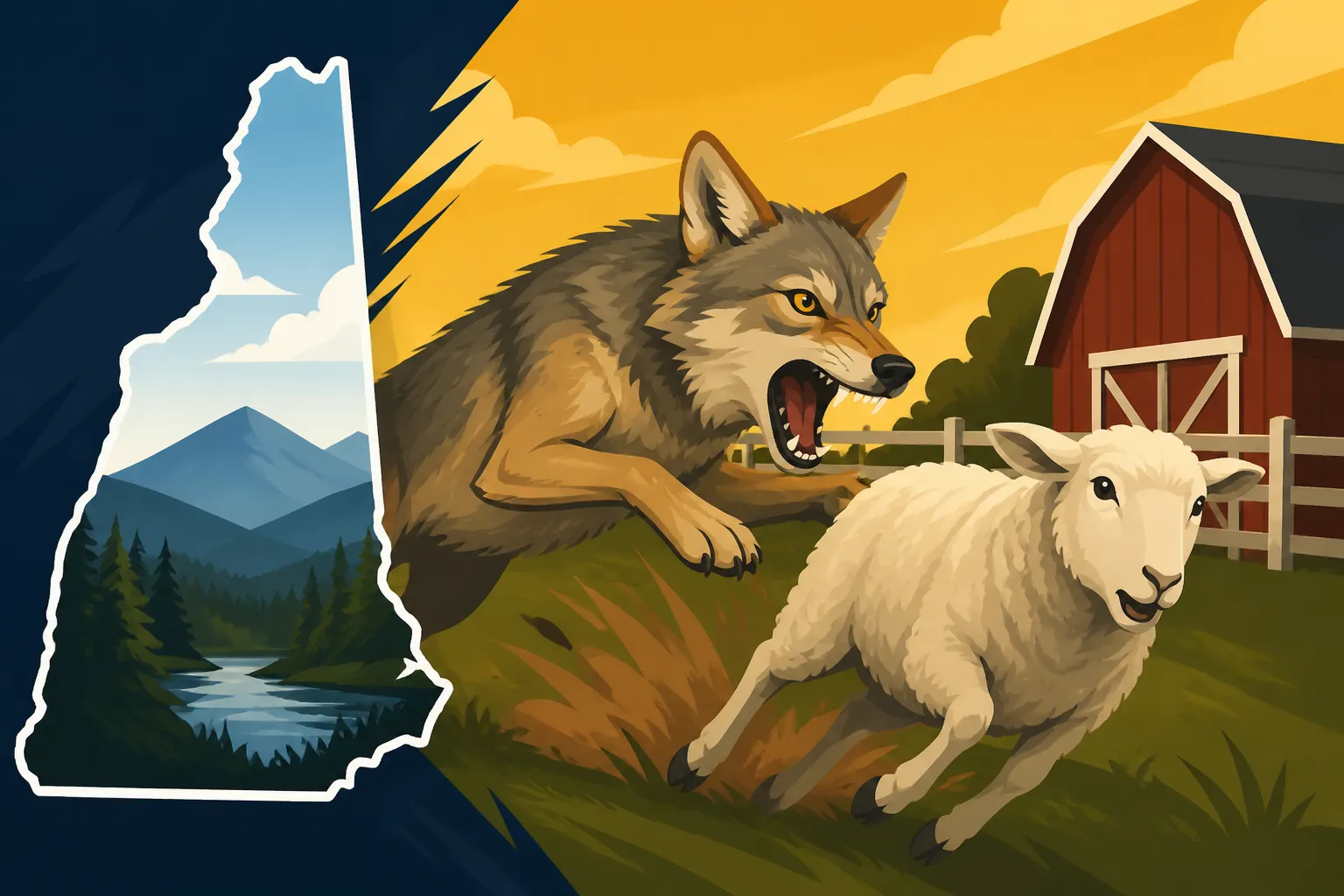
It’s a gut-wrenching feeling for any New Hampshire farmer or smallholder to walk out to the pasture in the morning and find evidence of a predator attack. The loss of livestock, whether it’s a lamb, a chicken, or even a young calf, isn't just an economic blow; it's a deeply personal one, especially when you've invested so much time and care into your animals. In our beautiful state, coyotes are a prevalent and often misunderstood predator, and understanding their behavior and how to protect your livelihood is absolutely essential. This guide will walk you through recognizing coyote predation, implementing effective prevention strategies, and knowing what steps to take if an attack occurs, offering realistic and practical advice for living alongside these intelligent canids.
Understanding the New Hampshire Coyote Threat to Livestock
Living in New Hampshire, particularly in our rural and semi-rural areas, means sharing the landscape with a variety of wildlife. Among them, the eastern coyote stands out as a highly adaptable and opportunistic predator. While their diet primarily consists of small mammals like rodents, rabbits, and deer, livestock can become an appealing, easy target, especially during certain times of the year or if other food sources are scarce. It’s not about malice; it’s about survival, and our livestock often represent a convenient meal.
The Opportunistic Nature of New Hampshire Coyotes
Coyotes are incredibly intelligent and have adapted to various habitats, from deep woods to agricultural fields and even suburban fringes. They are always on the lookout for the easiest meal, and a fenced-in flock of sheep or a pen of chickens can be too tempting to pass up. They learn quickly, observing routines and finding weaknesses in existing defenses. A hungry coyote won't just walk past a readily available food source, particularly if it's struggling to feed pups. Their natural instincts drive them to seek out the most calorie-rich meal with the least amount of effort. This is why even well-established farms can occasionally experience issues; a new, bolder coyote or a change in local conditions can shift their focus towards domestic animals.
Vulnerable Livestock and Peak Predation Times
While any livestock can be vulnerable, some are more at risk than others. Poultry, lambs, young goats, and calves are frequently targeted due to their smaller size and often less robust defenses. Sheep, in particular, seem to be a favorite. Adult cattle are generally too large for a lone coyote, but sick or very young calves can be at risk. It’s not just about the size of the prey, but also its behavior. Animals that tend to scatter or are less defensive can attract more attention.
Predation often peaks during certain seasons. Late spring and summer, when coyotes are raising pups, see an increase in hunting activity as parents need more food. Winter, especially harsh New Hampshire winters with deep snow, can also be a time of increased pressure as natural prey becomes harder to find. Understanding these seasonal fluctuations can help you adjust your mitigation strategies accordingly. For instance, you might tighten up night confinement practices during pup-rearing season or when the snow is particularly deep. New Hampshire Coyote Range and Density provides valuable insights into where coyote populations are most concentrated.
Identifying Coyote Predation Versus Other Causes
When you find injured or deceased livestock, it's natural to immediately suspect a predator. However, it's crucial to correctly identify the cause of death. Sometimes, what looks like a predator attack could be a domestic dog, another wild animal, or even a health issue. Misidentification can lead to ineffective management strategies and ongoing losses. Knowing the distinct signs of coyote predation will help you respond appropriately.
Examining Carcasses for Distinct Coyote Signs
Coyotes typically target the throat, flanks, or hindquarters of larger prey. For smaller animals like lambs or poultry, they may attack the head and neck. Look for puncture wounds, often two sets, where the canine teeth penetrated. Coyotes tend to leave ragged wounds, and you might find evidence of tearing rather than clean cuts. They often begin feeding on the internal organs, particularly the liver and lungs, and may disembowel the animal.
Compare this to other predators: a bobcat might focus on the neck and skull, often plucking feathers from poultry rather than just tearing. Domestic dogs often inflict multiple, indiscriminate bites over the entire body and may not consume much of the carcass, sometimes killing for sport. Bears, while larger, leave distinct claw marks and tend to consume larger portions, often dragging the carcass away. Learning to differentiate these signs is vital for effective management. If you're unsure, photographing the scene and consulting with a New Hampshire Fish and Game expert can be beneficial.
Tracking and Scat Evidence
Beyond the carcass itself, look for other signs around the pasture. Coyote tracks are typically oval-shaped, longer than they are wide, with distinct claw marks for all four toes. Their stride is usually straight, almost like a dog walking in a straight line, but often more purposeful and less meandering than a domestic dog. You might find scat (feces) nearby, which often contains hair and bone fragments from their prey. Coyote scat is usually rope-like and tapered at the ends, often deposited along trails or prominent points.
Consider the terrain and the potential entry points. Did they dig under a fence? Squeeze through a weak spot? Knowing their access route can help you reinforce your defenses. Hunting a Beaver Flowage Edge or Reading a New Hampshire Mud for Fresh Deer Movement might give you an idea of how to interpret animal signs in different terrains, even if they focus on deer. Understanding general predator behavior and movement patterns is key to identifying the specific threat.
Proactive Mitigation Strategies for Livestock Protection
Prevention is always better than cure, especially when it comes to protecting your livestock. A multi-faceted approach, combining different deterrents and management practices, is usually the most effective way to keep coyotes at bay. No single solution is foolproof, so layering your defenses offers the best chance of success.
Robust Fencing and Confinement Practices
This is often your first line of defense. A standard barbed wire fence might keep cattle in, but it won't keep a determined coyote out. Woven wire fencing, often called field fencing or hog wire, with small enough openings to prevent coyotes from squeezing through, is a good start. For added protection, consider electric fencing. A few strands of hot wire, positioned at coyote nose height (about 6-12 inches off the ground) and higher up, can provide a significant psychological and physical deterrent. The initial shock can teach coyotes to avoid that area altogether.
Effective Fencing Combinations for Coyote Deterrence
| Fence Type | Description | Pros | Cons |
|---|---|---|---|
| Woven Wire | Tight mesh fence, often 4-6 feet high, buried a few inches into the ground or with an apron to prevent digging. | Physical barrier, deters casual entry, long-lasting. | Can be expensive to install, determined coyotes might climb, no electric deterrent. Requires secure ground installation. |
| Electric Fence | Multiple strands of high-tensile wire carrying a pulsed electric current, typically 6-8 strands for sheep/goats, varying heights. | Strong psychological deterrent, relatively easy to install (compared to woven wire), flexible for different terrains. | Requires constant power, needs regular vegetation clearing to maintain effectiveness, animals must "learn" to respect it, potential for power outages. |
| Combination | Woven wire with 1-2 electric offset wires on the outside, or a multi-strand electric fence with an apron wire at ground level. | Best of both worlds: physical barrier plus powerful deterrent, minimizes digging and climbing. | Higher initial cost, combines maintenance challenges of both types. |
| Netting | Portable electric netting, often 3-4 feet high, easy to move for rotational grazing. | Highly flexible, excellent for poultry and small ruminants, quick setup and takedown. | Less durable than permanent fencing, can be tangled, requires regular monitoring for shorts, more expensive per linear foot than standard electric wire. |
Beyond permanent fencing, consider night confinement. Bringing vulnerable animals into secure barns or smaller, predator-proof pens at night can significantly reduce risk. Coyotes are often most active at dawn, dusk, and throughout the night. Even a simple, locked shed can offer substantial protection for poultry.
Guard Animals and Deterrent Technologies
Integrating guard animals into your livestock operation can be a highly effective, natural solution.
- Guard Dogs: Breeds like Great Pyrenees, Anatolian Shepherds, and Akbash dogs are specifically bred to live with and protect livestock. They form strong bonds with their charges and are incredibly protective. It's a significant commitment, requiring proper training and care, but their presence alone can deter coyotes.
- Donkeys: A single jenny or gelding donkey can be an excellent guard animal, especially for sheep and goats. Donkeys naturally dislike canids and will often chase, kick, and bray at coyotes. They need to be raised with the livestock they are meant to protect.
- Llamas: Some llamas also exhibit strong guarding instincts and can be effective against coyotes. Like donkeys, they need to bond with their herd and may not be suitable for all situations or against highly aggressive predators.
In addition to living guards, various technological deterrents can play a role.
- Flashing Lights and Sirens: Motion-activated lights or devices that emit loud sounds can startle and deter coyotes. Devices like the "Foxlights" mimic human activity or flashing lights, disrupting their nocturnal hunting patterns. However, coyotes are intelligent and can habituate to these over time if not varied.
- Strobe Lights and Radios: Simply leaving a radio playing at night or installing a bright, intermittent strobe light can sometimes keep coyotes from getting too comfortable near pastures. Again, novelty is key; rotating devices or sounds can prolong their effectiveness.
- Flags and Streamers: Sometimes, unusual visual elements, like brightly colored flags or reflective streamers tied to fences, can make coyotes wary. They may perceive them as a sign of human presence or something unfamiliar. Hunting the Monadnock Region Hills mentions finding sign in different terrains; applying that same observational skill to predator activity can inform your deterrent choices.
Habitat Management and Removal Options
Managing the immediate surroundings of your pastures can also help. Coyotes often use dense brush, tall grass, or wooded edges for cover and to approach silently. Clearing these areas around your fences can reduce ambush points and make coyotes feel more exposed, deterring them from lingering. Regularly removing animal carcasses, even those that died of natural causes, is critical. A dead animal is an open invitation, and if coyotes learn there's always a free meal, they'll keep coming back.
When deterrence isn't enough, and attacks are persistent, legal removal options may become necessary. New Hampshire Fish and Game can provide guidance on depredation permits or specific actions. Hunters and trappers can also play a role in managing coyote populations. New Hampshire Coyote Hunting Season Rules outlines the open season, and Running a Trapline in Rural New Hampshire can provide information on trapping methods if you or someone you know is a licensed trapper. It's important to remember that such actions are often a last resort and should always be done legally and ethically, usually in consultation with authorities.
Responding to a Coyote Attack and Seeking Assistance
Discovering a coyote attack is distressing, but knowing how to react immediately and what steps to take afterward can help you mitigate further losses and potentially resolve the issue. There’s a process for reporting and seeking assistance that involves both practical measures and engaging with state wildlife authorities.
Immediate Steps and Documentation
First and foremost, prioritize the safety of any remaining livestock and yourself. If the predator is still present, retreat to a safe distance and assess the situation. Once safe, focus on documenting the scene. Take clear photographs of the deceased or injured animals, focusing on the wounds, tracks, and any other evidence of the attack. Note the date, time, and location. This documentation is incredibly important for any official reports or claims.
Remove any carcasses promptly to avoid attracting more coyotes or other scavengers. If possible, protect the scene from disturbance until you've gathered all necessary evidence. If animals are injured, provide immediate veterinary care if feasible. The more detail you can provide, the better equipped Fish and Game officials will be to offer targeted advice or assistance. Don't forget to check all your animals for signs of injury or stress, as even uninjured animals can be traumatized by an attack.
Reporting to New Hampshire Fish and Game
In New Hampshire, it is crucial to report livestock depredation incidents to the New Hampshire Fish and Game Department. They are the primary authority for wildlife management and can offer guidance, investigate the incident, and discuss options for further intervention. Contacting them helps them track predator activity and assess population impacts. They can verify if the attack was indeed caused by a coyote, which is important before implementing any control measures.
Depending on the severity and persistence of the attacks, Fish and Game may offer advice on advanced deterrents or, in some cases, issue depredation permits that allow for specific control actions outside of regular hunting or trapping seasons. Remember that acting outside of the law can lead to serious penalties, so always consult with the authorities before taking matters into your own hands. New Hampshire Wildlife Violation Penalties outlines the consequences of illegal actions.
Long-Term Management and Community Involvement
Dealing with coyote predation often requires a long-term strategy rather than a one-time fix. Regularly inspect your fences, maintain your guard animals, and stay vigilant. Consider joining local agricultural associations or predator management groups. Sharing experiences and strategies with fellow farmers in areas like the Connecticut River Valley or the Lakes Region can be invaluable. What works for one neighbor might work for you, and sometimes a coordinated community effort can be more effective than individual actions.
Resources like GoHunt, while primarily geared towards hunters, often offer valuable insights into animal behavior, habitat use, and mapping tools that can help you understand local wildlife patterns. Using such tools to scout around your property for coyote travel routes or dens, even if you’re not hunting, can give you a tactical advantage. Understanding New Hampshire's WMU-Based Deer Season Structure can also give you insight into where local wildlife populations are generally higher or lower, which might affect predator pressure. Being informed and proactive is your best defense against future attacks.
Disclaimer
This article is for general informational purposes only and does not constitute professional advice. Laws, prices and regulations vary by location and change over time. Consult a qualified professional for guidance on your specific situation.