Cooking a Wild Turkey Breast
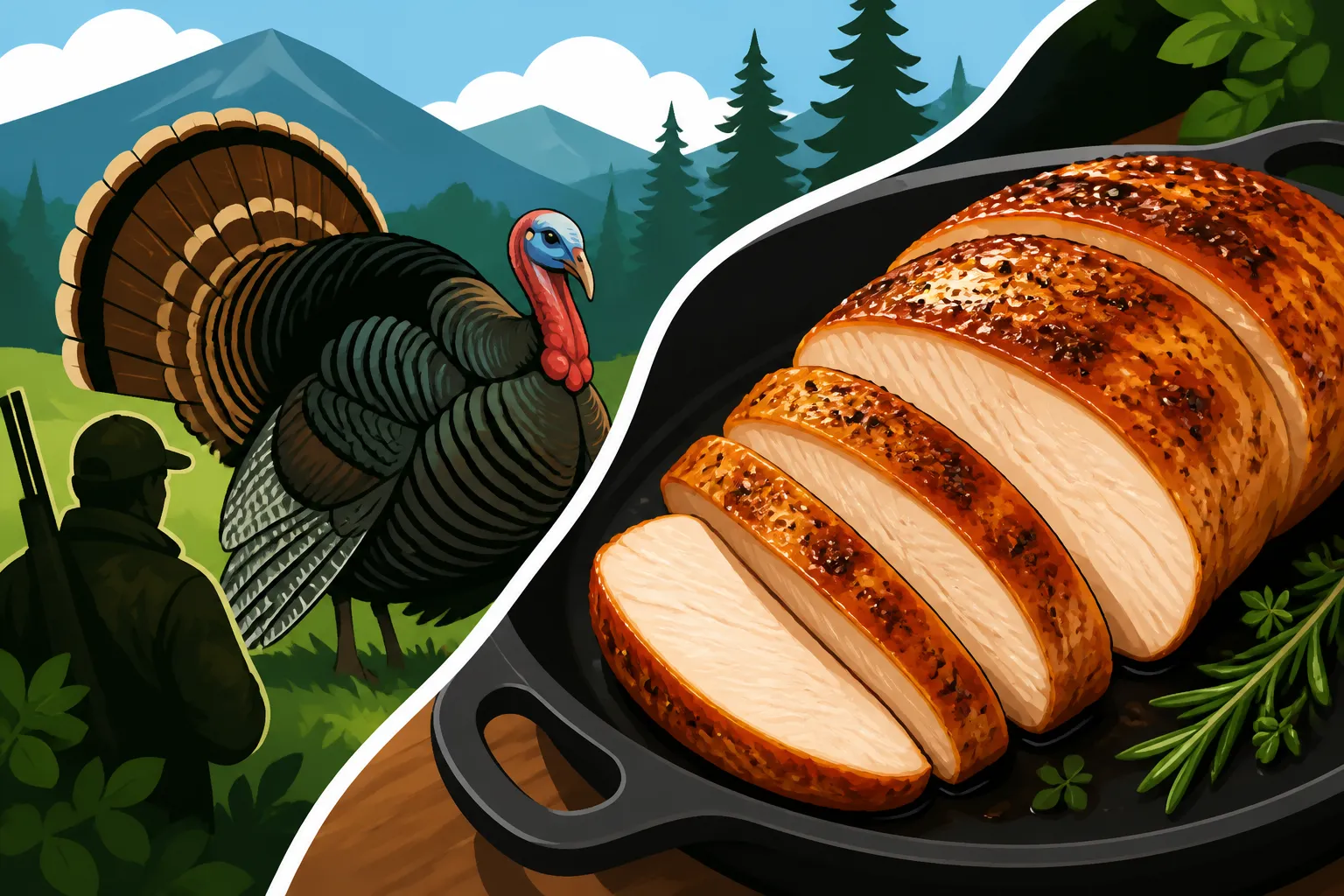
You've put in the hard work, scouted those elusive New Hampshire gobblers, made the shot, and brought home some fantastic wild game. Now comes the often-dreaded question: "How do I cook this so it's not dry and tough?" It's a common frustration, especially with lean wild turkey breast, which can quickly go from perfectly cooked to shoe leather if you're not careful. This comprehensive guide is here to walk you through every step, from initial field care to delicious recipes, ensuring your hard-earned wild turkey breast turns into a tender, flavorful meal that honors the hunt.
From Field to Feast: Initial Turkey Breast Preparation
Before you even think about seasoning and cooking, the quality of your wild turkey breast starts long before it hits the kitchen counter. Proper field care is absolutely paramount, especially with game as lean as turkey. Skipping these crucial first steps can make all the difference between a succulent meal and a tough, dry one. Remember, you've invested time, effort, and skill into harvesting this bird, so let's treat it with the respect it deserves right from the start.
Field Care and Transport: Preserving Quality
Once your turkey is down, the clock starts ticking to cool it down. Unlike some fattier game, turkey meat can spoil quickly if left warm, especially if you're hunting during a warmer New Hampshire Spring Turkey Season Dates day. Get the bird gutted and cooled as quickly as possible. Many hunters opt to breast out the bird in the field, which significantly reduces the bulk you need to carry and allows the meat to cool more rapidly. If you're doing this, make sure your hands and knife are clean to avoid contamination. Place the breasts in game bags – breathable cloth bags, not plastic – to allow air circulation and prevent bacterial growth.
Transporting the meat properly is another critical step. If you're heading back to camp or home immediately, a cooler with ice is your best friend. However, avoid direct contact with melting ice water, which can leach flavor and promote bacterial growth. Use frozen water bottles or gel packs, or keep the bagged meat separate from the ice in a clean, elevated rack or dry bag within the cooler. Think of it like taking care of prime cuts of meat from the butcher; you wouldn't let those sit out or soak in water. This meticulous approach ensures that the delicious flavor of your New Hampshire wild turkey bird is preserved from the moment it hits the ground.
Skinning Versus Plucking: Making the Call
This is a personal preference, but it significantly impacts how you'll cook the bird. Skinning a turkey is undeniably faster and easier. You simply make an incision down the breastbone, separate the skin from the meat, and peel it off. While quick, this removes the natural fat layer under the skin, which acts as a protective barrier and can add moisture and flavor during cooking. For wild turkey, which is already quite lean, skinning means you'll need to be extra vigilant during cooking to prevent dryness. If you choose to skin, you're looking at methods that involve brining, wrapping in bacon, or adding external moisture.
Plucking, on the other hand, is a much more time-consuming and messy affair, but it leaves the skin intact. That skin, while not as fatty as a domestic turkey's, still offers valuable protection and can be crisped up beautifully, adding a layer of texture and flavor that's hard to beat. If you plan to roast or grill your turkey breast whole, plucking might be worth the effort. It also allows for classic preparations where the skin contributes to a savory crust. Consider your cooking method and how much time you have available when making this decision. If you're aiming for a classic roasted bird, the skin is definitely a bonus.
Brining and Marinating: The Secret to Succulence
Wild turkey breast is notoriously lean, which means it can dry out faster than you can say "gobble." This is where brining or marinating becomes your absolute secret weapon. A good brine, typically a solution of salt, sugar, and water (often with aromatics like herbs, garlic, or peppercorns), works by breaking down muscle fibers and allowing the meat to absorb moisture and flavor. This makes the meat more tender and significantly more resistant to drying out during cooking. For a typical breast from a New Hampshire gobbler, a brining time of 4-8 hours is usually sufficient, depending on the size and thickness. Make sure the breast is fully submerged and kept cold in the refrigerator.
Marinating, while also adding flavor, works a bit differently. Marinades typically contain an acid (like vinegar, lemon juice, or buttermilk), oil, and seasonings. The acid helps to tenderize the meat superficially, while the oil helps carry fat-soluble flavors and can add a tiny bit of moisture. Marinating for 2-4 hours is often enough to impart flavor without making the meat mushy. You can even combine methods, using a shorter brine followed by a quick marinade. No matter which you choose, this step is arguably the most crucial for ensuring your wild turkey breast lives up to its delicious potential. It's a small investment of time that pays huge dividends in the final taste and texture.
Mastering the Heat: Popular Cooking Methods for Wild Turkey Breast
Once your wild turkey breast is properly prepped, it's time to introduce it to some heat. The key here is mindful cooking – wild turkey isn't like chicken or even domestic turkey. Its leanness means it requires lower temperatures, shorter cooking times, or methods that introduce moisture. Overcooking is the arch-nemesis of a good wild turkey meal. Let's explore some of the most popular and effective ways to cook this prized game.
Pan-Searing for a Crispy Exterior
Pan-searing is a fantastic method for smaller cuts of wild turkey breast, especially if you've sliced it into cutlets or medallions. The goal is to get a beautiful, flavorful crust on the outside while keeping the inside tender and juicy. Start by patting the turkey breast completely dry – moisture inhibits browning. Season liberally with salt, pepper, and your favorite herbs and spices. Heat a heavy-bottomed skillet (cast iron works wonderfully) over medium-high heat with a high smoke-point oil like avocado or grapeseed. Once shimmering, carefully place the turkey in the hot pan, ensuring not to overcrowd it. Cook for 3-5 minutes per side, depending on thickness, until golden brown and cooked through.
A crucial tip here is to finish the last minute or two with a pat of butter, a sprig of rosemary, or a clove of smashed garlic to baste the meat, adding another layer of flavor. You can also quickly deglaze the pan with a splash of white wine or chicken broth to make a simple pan sauce. Pan-searing is quick, delivers excellent flavor and texture, and is perfect for a weeknight meal after a long day afield, perhaps after checking your New Hampshire Turkey Checking Requirements and dreaming of dinner. Just remember, a meat thermometer is your best friend to ensure it reaches a safe internal temperature without overshooting.
Roasting for Even Cook and Tenderness
Roasting a whole wild turkey breast is an excellent option for a more substantial meal or if you've managed to keep the skin on. The gentle, even heat of the oven allows the meat to cook through without drying out too quickly, especially if you've brined it. To combat dryness further, consider wrapping the breast in bacon or pancetta, which provides a layer of fat and imparts savory flavor. Another trick is to place aromatics like sliced onions, carrots, and celery around the breast in the roasting pan, adding moisture to the environment and forming the base for a delicious gravy later.
Preheat your oven to a moderate temperature, generally around 325-350°F (160-175°C). Roast the turkey breast until a meat thermometer inserted into the thickest part reads 160°F (71°C). It will continue to cook slightly as it rests, reaching the safe internal temperature of 165°F (74°C). The total time will vary depending on the size of your breast, but plan for roughly 20-30 minutes per pound. Basting occasionally with pan juices or melted butter can also help, though opening the oven too often will lower the temperature and extend cooking time. This method is great for creating a centerpiece meal, perhaps when reflecting on the New Hampshire Turkey Population Estimate and the success of your hunt.
Grilling for Smoky Flavor
Grilling imparts a wonderful smoky flavor that complements wild game beautifully. This method is best suited for turkey breasts that have been flattened slightly or cut into thinner steaks to ensure even cooking and prevent the outside from charring before the inside is done. Marinating before grilling is highly recommended, as the moisture and oil in the marinade will help prevent sticking and drying. For New Hampshire hunters who might have honed their skills scouting with apps like GoHunt, you probably appreciate efficiency, and grilling can be a quick, flavorful way to cook turkey.
Preheat your grill to a medium-high heat. Clean and oil the grates thoroughly. Sear the turkey breasts over direct heat for 2-3 minutes per side to get those beautiful grill marks. Then, move them to indirect heat (a cooler part of the grill) to finish cooking, closing the lid. This two-zone cooking prevents the exterior from burning while the interior slowly comes up to temperature. Again, a meat thermometer is critical here. Cook until it reaches 160°F (71°C), then remove from the grill and let it rest. The residual heat will carry it to 165°F (74°C). For added flavor, you can throw a handful of wood chips (like apple or hickory) onto the coals or in a smoker box if you're using a gas grill.
Slow-Cooking for Fall-Apart Goodness
When all else fails, or when you simply want to ensure maximum tenderness with minimal effort, slow-cooking is a fantastic approach for wild turkey breast. This method surrounds the meat with moisture, virtually guaranteeing it won't dry out. It's particularly great for older birds or if you have a larger breast you want to shred for sandwiches, tacos, or casseroles. Before you even get to the kitchen, remember that harvesting a wild turkey is the first step. Many New Hampshire hunters use resources like GoHunt to scout prime turkey habitat, increasing their chances of success, which ultimately leads to these delicious meals.
To slow-cook, simply place your turkey breast in a slow cooker with a generous amount of liquid – chicken broth, turkey stock, or even a can of crushed tomatoes or cream of mushroom soup can work wonders. Add aromatics like onions, garlic, carrots, and herbs. Cook on low for 4-6 hours or on high for 2-3 hours, until the turkey is fork-tender and easily shreds. You don't need to worry as much about precise temperature here, as the long, moist cooking environment ensures safety and tenderness. This method is perfect for those busy days when you want a delicious meal waiting for you, and it practically guarantees a juicy result, regardless of how lean your wild turkey was.
Flavor Profiles and Recipe Ideas for Your New Hampshire Gobbler
Wild turkey breast, while delicious, is quite mild in flavor, making it a wonderful canvas for a wide array of seasonings and recipes. This is where you can really get creative and tailor the meal to your taste. Don't be afraid to experiment! Thinking back to the New Hampshire Spring Turkey Bag Limit, you might have more than one breast to work with, offering a perfect opportunity to try different flavor combinations.
Classic Herb and Garlic Infusion
Sometimes, simple is best, especially when you want the natural flavor of the wild turkey to shine through. A classic herb and garlic infusion will never disappoint. After brining (or seasoning well if you skip the brine), rub the turkey breast with a mixture of minced garlic, fresh rosemary, thyme, sage, salt, and black pepper. A little olive oil helps carry the flavors and crisp the skin if you've left it on.
- Roasting: If roasting whole, you can even make small incisions in the breast and stuff slivers of garlic and herb sprigs directly into the meat for deeper flavor penetration.
- Pan-Searing/Grilling: For cutlets, simply coat them evenly. Serve with roasted root vegetables, mashed potatoes, or a wild rice pilaf. The subtle earthiness of the herbs complements the mild turkey perfectly. This is a go-to for hunters who appreciate traditional flavors and a hearty, satisfying meal.
Sweet and Savory Maple Glaze
Given New Hampshire's rich maple syrup tradition, a sweet and savory maple glaze is a natural fit for wild turkey. The sweetness of the maple syrup, combined with a touch of tang and spice, creates a beautiful crust and adds a lovely depth of flavor.
To create the glaze, whisk together pure maple syrup (the darker the grade, the richer the flavor), a splash of apple cider vinegar, a dab of Dijon mustard, a pinch of red pepper flakes, and a touch of soy sauce or Worcestershire for umami. Brush this glaze onto the turkey breast during the last 15-20 minutes of roasting or grilling, reapplying every 5-7 minutes, to allow it to caramelize without burning. The result is a moist breast with a gorgeous, sticky-sweet exterior that hints at the flavors of the New England wilderness. This pairs wonderfully with roasted butternut squash or sweet potatoes. It's a taste that brings you right back to the woods, whether you were Hunting the Earlier WMU A Archery Close or Hunting the November Firearms Opener.
Spicy Cajun Kick
If you like a bit of heat and bold flavors, a spicy Cajun kick can transform your wild turkey breast into something truly exciting. Cajun seasoning, with its blend of paprika, cayenne pepper, garlic powder, onion powder, and various herbs, provides a robust and flavorful crust.
- Preparation: Pat the turkey breast dry and generously coat it with your favorite Cajun seasoning blend. You can add a little hot sauce to your marinade beforehand for an extra layer of heat.
- Cooking: This works exceptionally well for pan-searing or grilling, as the high heat helps to develop that spicy, crusty exterior. Serve with dirty rice, corn on the cob, or a crisp coleslaw to balance the heat. This is a great way to add a bit of Louisiana spice to your New Hampshire harvest, creating a memorable meal that's far from bland.
Turkey Breast Schnitzel or Cutlets
For a truly tender and quick-cooking option, preparing your wild turkey breast as schnitzel or thin cutlets is an excellent choice. This method ensures maximum tenderness and is incredibly versatile.
- Preparation: Slice the turkey breast horizontally into thin cutlets (about ½-¾ inch thick). Place them between two sheets of plastic wrap and gently pound them with a meat mallet until they are uniformly thin, about ¼ inch. This tenderizes the meat even further.
- Cooking: You can then bread them by dredging in seasoned flour, then egg wash, then breadcrumbs (Panko breadcrumbs offer an extra crispy texture). Pan-fry in a shallow amount of oil until golden brown and cooked through, usually only 2-3 minutes per side.
- Serving: Serve with a squeeze of lemon, a simple gravy, or a fresh salad. This preparation is fantastic for a lighter meal, and the thinness of the meat guarantees it cooks quickly and stays juicy. It's a great option for showcasing the delicate texture of the turkey without overwhelming it.
Troubleshooting and Tips for Perfect Wild Turkey Breast Every Time
Even with the best intentions, cooking wild game can sometimes present challenges. The lean nature of wild turkey breast is a primary concern for many, leading to dry, tough results. But with a few insider tips and a bit of attention to detail, you can overcome these hurdles and consistently produce a delicious meal. It's about respecting the animal, from the careful planning you might do with tools like GoHunt for your hunt, to the final steps in the kitchen.
Preventing Dryness: Temperature and Timing are Key
The absolute number one enemy of wild turkey breast is overcooking. Because it contains very little fat, there's no margin for error. As soon as the internal temperature exceeds the ideal range, the muscle fibers tighten, squeezing out moisture and leaving you with that dreaded dry texture. This is why a good quality meat thermometer isn't just a suggestion; it's a necessity.
- Target Temperature: For wild turkey breast, aim for an internal temperature of 160°F (71°C) when you remove it from the heat. The meat will continue to cook a few degrees as it rests, bringing it up to the safe minimum of 165°F (74°C). If you wait until it reads 165°F in the oven or on the grill, it will likely be overcooked by the time you carve it.
- Resting: This leads directly to the next crucial step: resting.
- Moisture Introduction: Beyond temperature, actively incorporating moisture throughout the cooking process helps. This means brining, marinating, basting, wrapping in bacon, or cooking in a moist environment (like slow-cooking or braising). Don't rely on the turkey's natural moisture; it simply isn't there in the same way it is with domestic poultry. Learning these subtle nuances is part of the joy of preparing your own Best-Eating Game in New Hampshire.
Resting the Meat: A Crucial Final Step
After all the careful cooking, it can be tempting to slice into that delicious-smelling turkey breast right away. Resist the urge! Resting the meat is a non-negotiable step that significantly impacts its juiciness and tenderness. When meat cooks, the muscle fibers contract and squeeze out juices towards the center. If you cut into it immediately, those juices will run out onto your cutting board, leaving you with drier meat.
Allow your wild turkey breast to rest, tented loosely with foil, for at least 10-15 minutes after cooking. This allows the muscle fibers to relax and reabsorb those precious juices, distributing them evenly throughout the meat. When you eventually slice it, the juices will stay within the meat, resulting in a much more tender and flavorful experience. This is a simple step that requires patience but yields immense rewards, making your hard-earned meal even more enjoyable.
Utilizing Leftovers: Beyond the Sandwich
So, you've cooked your delicious wild turkey breast, and perhaps you even have some leftovers. Don't let them go to waste! Wild turkey meat is incredibly versatile, and there are many ways to enjoy it beyond just slicing it cold for sandwiches, though a good turkey sandwich is certainly nothing to scoff at. Think about how you'd use leftover chicken, and apply those ideas to your turkey.
Shredded turkey breast is excellent in quesadillas, tacos, or as a topping for nachos. Dice it up and add it to a hearty chili, a creamy pasta dish, or a vibrant salad. You can also make a comforting turkey pot pie or a classic turkey à la king. For a quick meal, toss diced turkey with some BBQ sauce and serve on buns for sliders. The key is to reheat gently and add moisture, as even previously juicy turkey can dry out on a second pass. By having a plan for your leftovers, you ensure that every part of your turkey harvest is savored and enjoyed, maximizing your success from field to fork.
| Cooking Method | Best For | Pros | Cons | Key Tips |
|---|---|---|---|---|
| Pan-Searing | Cutlets, medallions | Quick, crispy crust, great for individual portions | Easy to overcook, requires attention | Pat dry, high heat, use a meat thermometer, rest |
| Roasting | Whole breast | Even cook, can incorporate skin/bacon, less hands-on | Longer cook time, risk of drying if not brined/basted | Brine, wrap in bacon, moderate temp, rest |
| Grilling | Steaks, whole breast | Smoky flavor, nice char | Can dry out quickly if not managed, flare-ups | Marinate, two-zone heat, don't overcook, rest |
| Slow-Cooking | Shredded turkey, larger breasts | Extremely tender, forgiving, minimal effort | No crispy skin, longer overall cooking time | Use plenty of liquid, low heat, great for busy days |
Disclaimer
This article is for general informational purposes only and does not constitute professional advice. Laws, prices and regulations vary by location and change over time. Consult a qualified professional for guidance on your specific situation.