Aging Venison in Cold Weather
There’s nothing quite like the satisfaction of a successful deer hunt in New Hampshire. You’ve put in the time, navigated our beautiful, rugged terrain, and made an ethical shot. But the work isn’t over when the deer hits the ground. One of the most critical steps to ensuring you get the best possible table fare from your hard-earned venison is proper aging, especially when our New Hampshire autumn and winter winds bring those crisp, cold temperatures. This guide will walk you through how to master the art of aging venison, capitalizing on nature’s own refrigeration system.
The Why and How of Aging Venison
Let’s be honest, we all want tender, flavorful venison. Nobody wants tough, gamey meat on their plate after all that effort. Aging venison is a time-honored tradition that directly impacts both of these crucial qualities. It’s a process that might seem intimidating at first, but with a little understanding and the right conditions, it’s entirely within reach for any hunter.
What is Venison Aging and Why Do It?
At its core, venison aging, often called "dry aging," is simply allowing the deer carcass to hang in a controlled, cool environment for a period of time after harvest. This isn't just some old wives' tale; there's real science at play here. When an animal is harvested, its muscles are still soft. Over time, they stiffen through a process called rigor mortis. If you butcher and freeze the meat immediately, you'll lock in that stiffness, resulting in noticeably tougher steaks and roasts.
The magic of aging happens thanks to natural enzymes present in the muscle tissue itself. These enzymes, which are usually responsible for breaking down nutrients within the living animal, continue their work after death, slowly breaking down the complex proteins and connective tissues that make meat tough. Think of it like a natural tenderizer working from the inside out. Beyond tenderness, aging also allows some of the moisture to evaporate from the outer layers of the meat, concentrating the flavor and giving it a richer, more intense taste that many hunters cherish. It reduces that "gamey" flavor often associated with poorly handled wild game.
Optimal Conditions for Cold Weather Aging
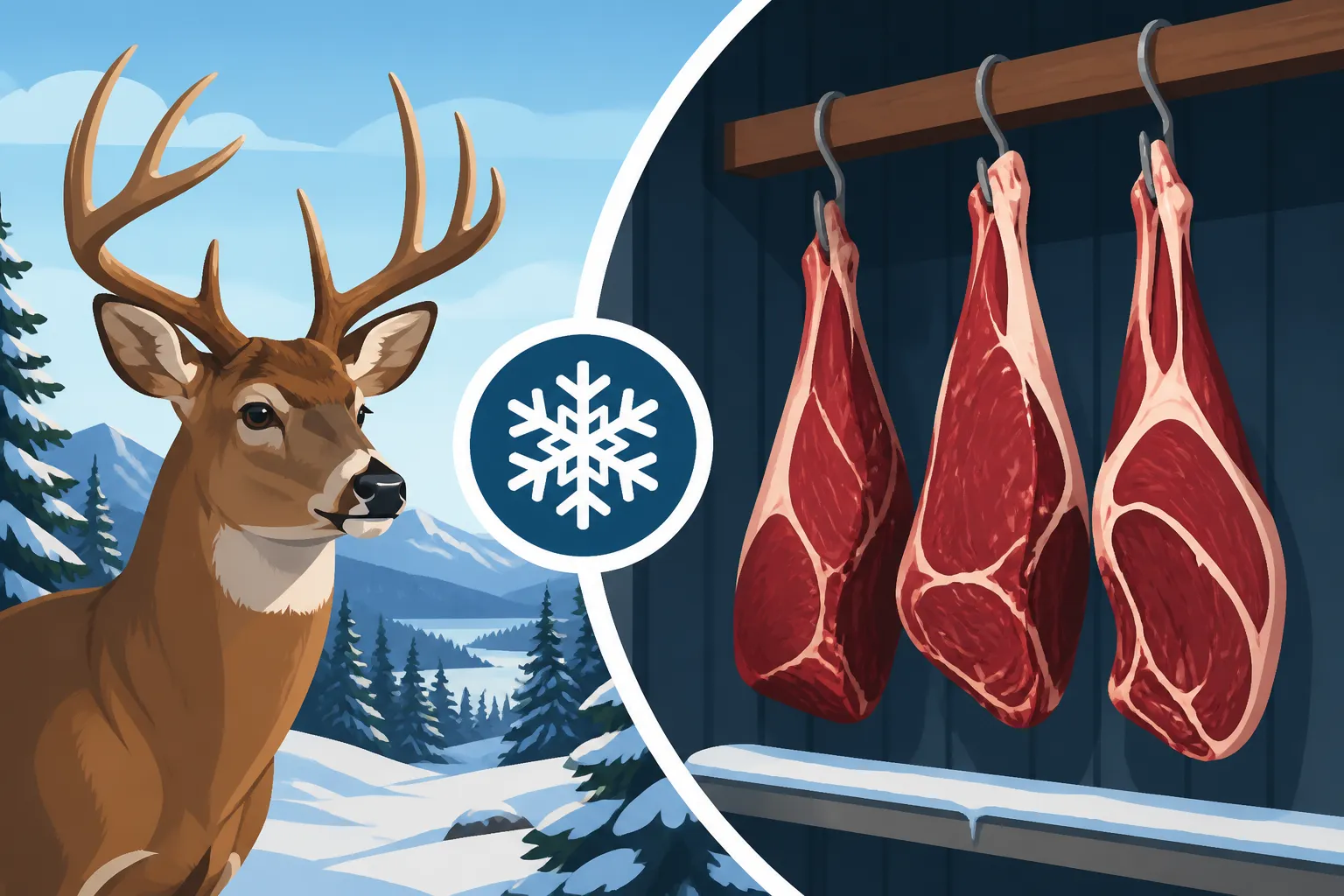
Successfully aging venison hinges on three critical environmental factors: temperature, humidity, and air circulation. In New Hampshire, especially during our late fall and early winter hunting seasons, nature often provides us with the ideal temperature range, making cold weather aging a prime opportunity.
The sweet spot for aging temperature is generally between 34°F and 40°F (about 1°C to 4°C). This range is just above freezing, which prevents the meat from solidifying and stopping the enzymatic process, but cold enough to significantly inhibit bacterial growth. If it's too warm, even for a short period, bacteria can multiply rapidly, leading to spoilage and a health risk. If it’s too cold and the meat freezes solid, the aging process halts completely. During the firearms season in November or even the later archery dates in December, finding these temperatures in an unheated garage or shed can be quite common in much of the state.
Humidity is also a key player. You want a moderate level, ideally around 70-80%. Too low, and the meat will dry out too quickly, forming a hard crust that wastes valuable meat. Too high, and you risk excessive mold growth and a slimy surface, which can lead to spoilage. Finally, good air circulation is paramount. Stagnant air allows moisture to build up on the meat’s surface, creating a breeding ground for bacteria and undesirable molds. A gentle breeze, or even a small fan running nearby, helps create that dry "rind" on the outside of the carcass and prevents any one spot from getting too moist. This means avoiding wrapping the carcass in plastic or leaving it in an unventilated area.
Practical Steps for Aging Venison in New Hampshire's Chill
Getting a deer from the woods to the plate, especially when you plan to age it, requires careful attention to detail from the moment you make your shot. Our varying New Hampshire weather, from crisp autumn days to genuinely frigid late-season conditions, demands specific strategies to ensure your venison ages perfectly.
Field Dressing and Initial Care in the Woods
The aging process truly begins the second your deer is down. Rapid and thorough Field Dressing a Deer in Cold Weather is non-negotiable. The goal is to remove the internal organs as quickly as possible to allow the carcass to cool down internally. This is especially vital because the body cavity holds a lot of residual heat, and leaving it unchecked can quickly lead to spoilage, regardless of how cold the ambient air is.
After field dressing, consider wiping out the cavity with clean paper towels or a rag to remove any excess blood or debris. Some hunters will even use a small amount of clean snow if available and safe, but always ensure it's truly clean. Hang the deer, if possible, even temporarily, to allow air to circulate around it. This is where good planning, perhaps using a detailed mapping tool like GoHunt to scout areas with natural hanging spots or knowing your extraction route, comes into play. Get the deer out of direct sunlight and off the ground as soon as you can. A quick drag back to the truck and then promptly getting it to your controlled aging environment is always best. Avoid leaving a field-dressed deer lying in the back of a warm truck for hours; even in cold weather, that residual heat and lack of airflow can be detrimental.
Setting Up Your Aging Environment
For most New Hampshire hunters, a suitable aging environment isn’t a commercial walk-in cooler, but rather an unheated garage, shed, or even a sturdy, well-ventilated porch. The key is to find a spot where you can maintain those critical temperature and airflow conditions.
First, identify a place where you can hang the deer cleanly, away from pets, pests, and direct sunlight or rain. A heavy-duty gambrel and hoist are invaluable here, allowing you to hang the deer by its hind legs. This helps the blood drain out and stretches the muscle fibers, contributing to tenderness. If hanging whole isn't an option due to space or the size of the deer, you can quarter the animal, but keep the large muscle groups intact (e.g., bone-in hams, shoulders, backstraps). Hang these large sections in game bags. The goal is to keep the meat off surfaces and allow air to circulate around it. Best Game Bags for Field Care are essential here, not only protecting the meat from insects and dirt but also allowing it to breathe.
As for temperature, during our late fall, you might find your unheated garage naturally sits in that 34-40°F range for days on end. However, keep an eye on the forecast. If a warm spell is predicted, you might need to move the meat to a cooler packed with ice (draining water regularly) or accelerate your butchering plans. Conversely, if a deep freeze is coming, ensure your aging spot doesn't dip below freezing, or your aging will stop. A simple max/min thermometer can be a lifesaver for monitoring.
Monitoring the Process
Once your deer is hanging, the waiting game begins. The ideal aging time depends on several factors: the initial condition of the animal, the temperature, and your personal preference for tenderness and flavor. Generally, in the optimal 34-40°F range, aging can last anywhere from 5 to 14 days, with many hunters finding 7-10 days to be a sweet spot for New Hampshire whitetails.
Here’s a general guideline for aging duration based on average temperature:
| Average Ambient Temperature | Recommended Aging Time | Notes |
|---|---|---|
| 34-36°F (1-2°C) | 10-14 days | Ideal for maximum tenderness and flavor development. Less risk of spoilage. |
| 37-40°F (3-4°C) | 5-7 days | Still good for aging, but monitor more closely. Higher temperatures mean enzymes work faster, but so do undesirable bacteria. |
| 41-45°F (5-7°C) | 1-3 days (Max) | Only for very short periods, such as immediately after a hunt before moving to a colder spot. Risk of spoilage increases rapidly. Not recommended for full aging. If you used a mapping app like GoHunt to plan your route, you might have identified a closer processor for immediate breakdown if prolonged aging isn't feasible with warmer temps. |
| Below 32°F (0°C) | 0 days (Frozen) | Aging process stops. Meat will be fine, but no further tenderization will occur. |
Daily checks are essential. Look at the meat: the outside should be drying and forming a dark, leathery crust or "rind." This is good! It protects the inner meat. Feel the meat: it should feel dry to the touch on the outside, not sticky or slimy. Most importantly, smell the meat. A properly aging carcass will have a slightly earthy, sometimes nutty, clean scent, not sour, strong, or putrid. A very slight, faint sour smell on the very outer surface might be okay if it disappears after trimming, but anything strong is a red flag. Trust your nose! If it smells bad, it likely is bad.
Common Pitfalls and Troubleshooting
Even with the best intentions, aging venison can present challenges. New Hampshire's unpredictable weather, especially in the shoulder seasons, means conditions can shift quickly. Knowing what to watch for and how to react can save your hard-earned venison from ruin.
Too Warm, Too Cold, or Too Dry?
One of the biggest anxieties for any hunter aging their deer is hitting that perfect balance. If your aging environment gets too warm, even for a few hours, you're on a fast track to spoilage. Bacteria thrive in warmer temperatures, and what might start as a "gamey" smell quickly turns into a distinctly sour or rotten odor. In such a case, it's best to cut your losses, trim any questionable areas aggressively, and get the remaining good meat into the freezer immediately. Don't risk it. This is why tools that track microclimates or historical temperature data, even a simple max/min thermometer, are so valuable.
On the flip side, if the temperature drops too low and the meat freezes solid, the enzymatic process that tenderizes the meat comes to a screeching halt. While the meat won't spoil, it also won't get any more tender. If you realize your garage or shed is consistently below freezing, you might need to find a warmer spot (within the optimal range, of course) or proceed with butchering. As for being too dry, this often happens with too much airflow or extremely low humidity. The meat on the outside will form a very thick, hard, dark crust, and you'll end up trimming off a significant amount, reducing your yield. If you notice this happening early, try to reduce airflow slightly or add a bucket of water nearby to increase humidity, but be careful not to create a stagnant, overly humid environment.
Dealing with Surface Mold or Off-Smells
It’s not uncommon to see a little bit of surface mold develop on an aging carcass, especially in areas with higher humidity. Small patches of white or gray mold that are fuzzy, similar to what you might see on aged cheeses, are usually nothing to worry about. They indicate that you have some airflow and moisture, and typically only affect the very surface. When it's time to butcher, this can simply be trimmed away with the dry outer rind.
However, if you encounter green, black, or blue mold, or if the mold growth is extensive and penetrates deeper than the surface, you have a problem. This often indicates excessive humidity, poor air circulation, or temperatures that are too high. Coupled with any strong, unpleasant, sour, or putrid smells, this is a clear sign that the meat has likely spoiled and should not be consumed. Always, always err on the side of caution when it comes to questionable meat. If you have any doubt, discard it. Handling Venison From a Healthy Herd is about ensuring the meat starts and stays good throughout the process.
When Not to Age
While aging is a fantastic way to improve venison, there are certain situations where it’s simply not advisable or safe. Knowing these exceptions is just as important as knowing how to age.
First, if the deer was poorly shot – for instance, a gut shot that resulted in significant contamination of the meat – aging is off the table. Bacteria from the gut can rapidly spread and spoil the entire carcass, even in cold temperatures. In such cases, you need to field dress immediately, trim any contaminated meat aggressively, and then butcher and freeze the good meat without aging. Secondly, if the weather conditions are simply too warm or too unpredictable (e.g., fluctuating wildly between freezing and above 45°F), it's safer to skip aging. Best Cooler for Packing Out Meat in Warm Weather is a good resource if you find yourself in a situation where rapid cooling is needed because aging isn't possible.
Finally, if the deer was stressed during the harvest or ran a long distance, its body might have produced a lot of lactic acid. While this doesn't prevent aging, some hunters find that excessively stressed animals benefit less from aging and might actually have a slightly stronger flavor regardless. Also, if you simply don't have a secure, temperature-controlled environment, it’s far better to immediately Butchering a Deer at Camp and freeze it than to risk spoilage trying to age it in unsuitable conditions. The goal is always safe, quality venison, and sometimes that means foregoing the aging process.
After Aging: Butchering and Storage
You’ve navigated the New Hampshire weather, monitored your venison diligently, and now it’s time for the payoff: turning that aged carcass into delicious cuts ready for the freezer. This final stage is where your careful efforts truly shine, transforming a wild animal into premium table fare.
Trimming and Breaking Down the Carcass
Once your venison has aged for the desired period, you'll notice a distinct, dark, leathery rind on the outside. This is a good thing – it’s the protective layer that developed during the drying process, and it’s served its purpose. Before you start cutting, you'll need to trim away this entire dried exterior. It looks tough, and it is tough, but it's crucial for the next steps. Use a sharp knife and take your time, removing only the dried layer and any discolored or compromised areas. Don't be shy; you'll lose a little bit of meat, but what's left underneath will be pristine.
After trimming the rind, you can begin to break down the carcass into primal cuts. This involves separating the large muscle groups: the backstraps, tenderloins, hams (round), shoulders, and neck. Many hunters like to debone these sections, but some prefer to leave certain bones in for specific roasts or slow-cook preparations. Consider the size of your cuts and how you plan to cook them. Larger roasts can be cut from the hindquarters, while steaks come beautifully from the backstraps. Don't forget the trimmings and smaller pieces – these are perfect for grind, stew meat, or making sausages. Even the shanks, often overlooked, can be slow-cooked to incredible tenderness. Deer Meat Yield From a New Hampshire Buck provides good context for how much meat you might expect and what types of cuts are typical.
Packaging for Long-Term Freshness
Proper packaging is just as vital as proper aging if you want your venison to last in the freezer without succumbing to freezer burn. Freezer burn occurs when air comes into contact with the meat, causing dehydration and a loss of flavor and texture. The key is to remove as much air as possible from around the meat.
Vacuum sealing is, without a doubt, the gold standard for packaging wild game. A good vacuum sealer sucks all the air out of a specialized bag, creating an airtight seal that can keep venison fresh in the freezer for a year or even longer. Invest in a quality machine and bags; it's worth it. If vacuum sealing isn't an option, the next best method is using heavy-duty freezer paper or freezer bags, specifically designed for freezing. Wrap individual cuts tightly, pressing out all air, and then secure with freezer tape. Double-wrapping with both plastic wrap and then freezer paper offers an extra layer of protection. Always label each package with the cut of meat and the date it was packaged. This prevents the dreaded "mystery meat" scenario when you're digging through your freezer six months later. Knowing you put in the effort to age and properly store your venison means you’ll be enjoying the fruits of your hunt well into the off-season.
Disclaimer
This article is for general informational purposes only and does not constitute professional advice. Laws, prices and regulations vary by location and change over time. Consult a qualified professional for guidance on your specific situation.