New Hampshire Bear Bag Limit
For many hunters, understanding the precise regulations for big game, especially species like black bear, can feel like navigating a dense forest in the dark. You’re asking a straightforward question: what’s the bear bag limit in New Hampshire? This guide will demystify that, exploring not just the simple answer, but also the management philosophy behind it and what it means for your hunting strategy.
Understanding New Hampshire's Bear Bag Limit
Let's cut right to it, because clarity is king in hunting regulations. When it comes to black bears in the Granite State, the rule is quite simple, yet often leaves hunters wondering about nuances depending on methods or zones.
The Statewide Annual Limit
The New Hampshire Fish and Game Department has a clear and consistent regulation for black bear harvest: each properly licensed hunter is permitted to take one black bear per calendar year. This isn't a per-season limit, or a per-method limit; it's a strict annual limit that applies statewide, no matter where you hunt within New Hampshire's legal bear hunting zones. This means if you successfully harvest a bear during the baiting season, your bear tag for that year is filled, and you cannot harvest another bear even if the hound or still-hunting seasons are still open. It's a straightforward approach designed for effective wildlife management across the entire state.
This singular bag limit is a critical component of New Hampshire’s wildlife management strategy. It helps ensure the sustainable growth and health of the bear population while providing ample hunting opportunities. The Fish and Game Department continuously monitors the bear population, factoring in harvest data, cub production, and mortality rates, to fine-tune seasons and limits. This balanced approach is what allows the state to maintain a thriving bear population, enabling hunters to pursue this challenging game year after year. Without such a clear and consistent limit, managing the long-term health of the bear population would be significantly more complex and prone to fluctuations.
Distinctions for Specific Hunting Methods
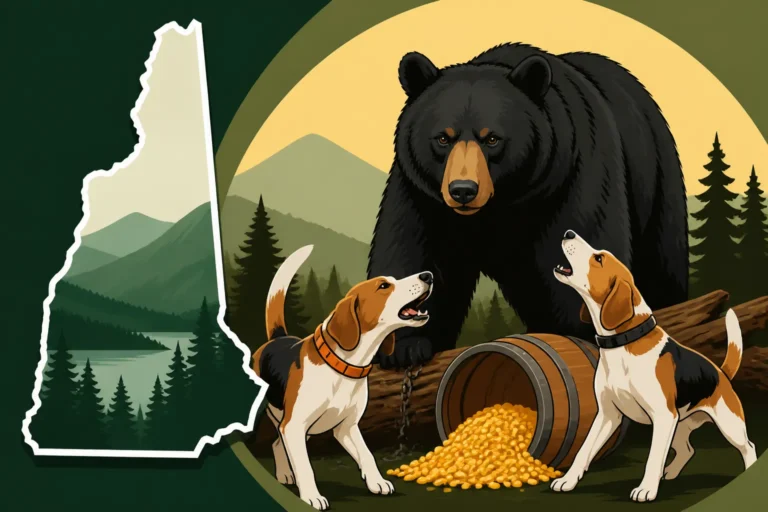
Now, where things can sometimes get a little fuzzy for hunters is when they consider the various legal methods for taking a bear in New Hampshire: baiting, hunting with hounds, or still-hunting/stalking. It's true that the season dates can vary significantly by WMU (Wildlife Management Unit) and by method. For instance, the baiting season usually opens earlier and closes later in certain WMUs than the hound season or the still-hunting season, which often aligns more closely with the deer firearms season. However, it's absolutely crucial to understand that these differences in season dates or methods do not impact the core bag limit. The "one bear per calendar year" rule holds true irrespective of whether you are Baiting New Hampshire Bears Legally by WMU, Running Hounds on a New Hampshire Bear, or still-hunting through thick timber.
This consistent annual limit across all methods simplifies compliance for hunters. Your bear permit grants you the opportunity to harvest one bear using any legal method within the designated season dates for your chosen WMU. It's not a "one bear per bait site" or "one bear per hound chase" scenario. Instead, it places the emphasis on the individual hunter and their annual harvest. This means careful planning is essential if you intend to hunt using multiple methods or in different WMUs, ensuring you don't inadvertently exceed your annual limit. Always check the current year's hunting digest for specific New Hampshire Bear Season Dates by WMU to plan your hunt effectively.
Youth Hunter Considerations
For younger hunters eager to experience bear hunting, New Hampshire provides opportunities within the existing framework. Youth hunters, typically participating under mentored youth hunting programs, are also subject to the same "one black bear per calendar year" bag limit. This means that if a mentored youth hunter harvests a bear, that constitutes their annual limit, just as it would for an adult hunter. The focus for youth hunting remains on education, safety, and the experience, rather than an increased bag limit.
These opportunities are vital for introducing the next generation to responsible hunting practices. Mentored hunts emphasize ethical considerations, understanding wildlife biology, and adhering strictly to regulations, including bag limits. It's a chance for young hunters to learn about identifying legal game, understanding bear behavior, and appreciating the role of regulated hunting in conservation. While the experience is often about the journey and the lessons learned, securing that single bear with a mentor by their side becomes a significant achievement within the established rules.
Why New Hampshire Manages Bear Harvest Strictly
The seemingly simple "one bear" limit is actually the result of careful scientific management designed to maintain a robust and healthy black bear population in New Hampshire. The state's approach is deeply rooted in ecological principles and data-driven decision-making, ensuring that hunting remains a sustainable activity for generations to come.
Bear Population Dynamics and Health
New Hampshire boasts a thriving black bear population, a testament to effective conservation efforts over the decades. The current New Hampshire Bear Population Estimate indicates a healthy and expanding population, particularly in the northern and western regions of the state. Managing this population is a delicate balance, as bears are long-lived animals with relatively slow reproductive rates compared to species like deer or turkey. An unchecked harvest could quickly deplete local populations, while too little harvest might lead to increased human-bear conflicts, especially in more populated areas.
The "one bear per year" limit, coupled with specific season dates by WMU and method, is designed to ensure that the annual harvest remains within sustainable limits. Fish and Game biologists continuously monitor various population parameters, including cub survival rates, age structures of harvested bears, and overall population trends. This data allows them to make informed decisions about hunting regulations. For example, a harvest primarily consisting of younger males might indicate a healthy, growing population, whereas a disproportionate harvest of breeding-age females could be a cause for concern. By setting a strict annual bag limit, the state mitigates the risk of overharvest and helps maintain a healthy, balanced bear population across its range.
Balancing Hunter Opportunity with Conservation
New Hampshire Fish and Game faces the perennial challenge of providing ample hunting opportunities for its residents and non-residents while upholding its conservation mandate. Black bear hunting is highly popular, with many hunters actively participating through baiting, hound hunting, or still-hunting. The single-bear limit strikes a crucial balance. It ensures that enough bears are available for hunters to pursue, offering a quality hunting experience, without compromising the long-term viability of the species.
This management strategy also considers the diverse habitats and bear densities across the state. While the bag limit is uniform, the season structures and permissible methods are tailored to regional conditions. For instance, New Hampshire Bear Density by Region varies considerably, with higher densities typically found in the forested North Country compared to the more suburbanized southern regions. The regulations are crafted to allow for a sustainable harvest across these varied landscapes. Tools like GoHunt can be invaluable for hunters researching these regional differences and planning their approach to maximize their opportunity within these carefully considered conservation parameters. This robust system aims to prevent localized over-harvest while capitalizing on the strengths of the statewide population.
Regional Differences in Bear Activity
While the annual bag limit for bears in New Hampshire is a consistent "one per hunter," it’s important to understand that bear activity and hunting success can vary significantly across the state's diverse landscape. New Hampshire is divided into various Wildlife Management Units (WMUs), and these units often have different season dates for specific hunting methods. For example, the season for Bear Hunting New Hampshire's Bait and Hound Season might open or close differently in WMU A (the far North Country) compared to WMU L (in the southeastern part of the state). These variations are not about changing the bag limit, but rather about addressing localized bear populations, habitat conditions, and historical harvest data.
Hunters in the North Country might find different concentrations of bears and different success rates compared to those hunting in the more agricultural or mixed-forest WMUs further south. The regulations, though uniform in bag limit, provide flexibility in when and how hunters can pursue that single bear, depending on the specific WMU. This nuanced approach allows the Fish and Game Department to manage the overall bear population effectively while still responding to specific local dynamics, such as food availability (like mast crops), denning patterns, or conflicts with human populations. Hunters should always consult the official hunting digest to confirm specific season dates for their chosen WMU and method, ensuring they are hunting legally and responsibly.
Practical Implications for New Hampshire Bear Hunters
Knowing the statewide bear bag limit is one thing; putting that knowledge into practice to plan a successful and compliant hunt is another. For any hunter heading into the New Hampshire woods, understanding the legal requirements and strategic implications of the "one bear" rule is paramount.
Planning Your Bear Hunt Around the Limit
With a strict one-bear-per-year limit, your bear hunting strategy in New Hampshire shifts from quantity to quality. This isn't a scenario where you're trying to fill multiple tags; instead, every effort is focused on the pursuit of that single, ethical harvest. This places a premium on pre-season scouting, understanding bear behavior, and patience. Many hunters spend weeks or even months observing areas, setting trail cameras, and monitoring food sources before the season even opens. Resources like GoHunt, with its detailed mapping layers showing public land boundaries, habitat types, and historical data, can be incredibly useful for pinpointing potential bear hot spots and planning your entry and exit routes.
Consider your chosen hunting method. If you're Baiting a Bear Site Before Your WMU Closes, your focus will be on establishing an attractive, legal bait site and monitoring it for bear activity, aiming for a good-sized animal. For those Running Hounds on a New Hampshire Bear, the emphasis is on locating fresh sign and having well-trained dogs capable of tracking and baying a bear safely. Still-hunters will focus on reading the terrain, identifying travel corridors, and patiently moving through known bear habitat. Regardless of the method, the goal is always to make a clean, ethical shot on the one bear you are permitted to take that year. It’s not just about taking any bear, but about making a thoughtful and responsible harvest.
Legal Requirements and Reporting Your Harvest
Harvesting a black bear in New Hampshire isn't just about the hunt itself; it comes with critical legal responsibilities that must be fulfilled after the shot. Once you have successfully taken a bear, you are legally required to report your harvest to the New Hampshire Fish and Game Department. This isn't optional; it's a mandatory step in the process. Historically, this meant taking your bear to a physical check station. While some check stations still operate, especially during peak seasons, the department has increasingly embraced modern reporting methods, including online registration and mobile apps. You can often report your harvest through the official NH Fish and Game mobile app, making the process much more convenient.
The purpose of this mandatory reporting is multifaceted. Primarily, it's how the Fish and Game Department collects vital data on the annual bear harvest. This information — including the date of harvest, WMU, sex, weight, and sometimes even a tooth for aging — is crucial for monitoring the population and informing future management decisions. Without accurate harvest data, biologists would have a much harder time ensuring the long-term sustainability of the bear population. Failing to report a bear harvest can result in penalties, as it's a violation of hunting regulations. Always consult the current year's digest for detailed New Hampshire Deer Reporting Requirements (which often include bear) and specifics on reporting deadlines and methods.
What Happens If You Exceed the Limit (Accidentally or Otherwise)
While extremely rare among responsible hunters, the thought of accidentally exceeding a bag limit can be a serious concern. For black bears in New Hampshire, where the limit is a strict one per calendar year, accidentally harvesting a second bear would be a significant legal issue. This underscores the critical importance of positive identification and absolute certainty before taking a shot. Hunters are expected to be familiar with the regulations and exercise extreme caution. For instance, being absolutely certain of your target and that you haven't already filled your tag for the year is non-negotiable.
In the highly unlikely event that a hunter did accidentally take a second bear, it would be considered a violation of state law. The penalties can be severe, often involving fines, loss of hunting privileges, and potentially confiscation of the harvested animal and equipment. This is why thorough preparation, a clear understanding of the regulations, and ethical decision-making in the field are paramount. The "one bear" rule leaves no room for ambiguity, placing the onus on the hunter to ensure strict compliance. Hunters are responsible for knowing and adhering to all laws, and ignorance is generally not accepted as an excuse. This stringent approach reinforces the value of each animal and the importance of ethical, legal hunting practices.
| Aspect of Regulation | Detail | Important Notes |
|---|---|---|
| Annual Bag Limit | One (1) black bear per properly licensed hunter | Applies statewide, regardless of WMU or hunting method. |
| Season Dates | Vary by WMU and hunting method (bait, hounds, still-hunting) | Always check current year's NH Fish and Game Digest for specific dates. |
| Reporting Harvest | Mandatory for all harvested bears | Can be done online, via app, or at designated check stations. |
| Legal Weapons | Specific firearms, archery equipment, and muzzleloaders allowed | Refer to digest for detailed New Hampshire Legal Firearms for Deer Hunting (often applies to bear) and other weapon restrictions. |
| Baiting Rules | Specific regulations regarding bait type, quantity, and distance from roads | Adhere to New Hampshire Bear Baiting and Hound Rules for legal setup. |
| Hound Hunting Rules | Regulations on dog training, number of dogs, and season dates | Ensure compliance with all hound hunting specific regulations. |
Disclaimer
Please remember that hunting regulations can change. While every effort has been made to provide accurate and up-to-date information, it is your responsibility to consult the official New Hampshire Fish and Game Department hunting digest or website for the most current and complete regulations before heading afield. This guide is for informational purposes only and should not be considered a substitute for the official legal documentation.