New Hampshire Bear Population Estimate
It can be incredibly frustrating to try and understand the actual number of black bears roaming New Hampshire, especially when you're preparing for a hunting season or simply trying to coexist with these magnificent animals. The official figures can feel abstract, leaving you wondering if the bears are truly thriving or struggling in your favorite hunting grounds. This guide aims to pull back the curtain on how New Hampshire Fish and Game estimates its bear population, what those numbers mean, and how current trends impact both the bears and those of us who share their woods.
Understanding New Hampshire's Bear Population Dynamics
Black bears in New Hampshire are a truly resilient species, a testament to effective wildlife management and their adaptability. For many years, hunters and wildlife enthusiasts have watched the bear population grow, expanding into areas where they were rarely seen decades ago. It's a fascinating story of recovery and expansion that impacts everything from backyard bird feeders to remote timber stands.
Historical Trends and Growth Factors
Just a few generations ago, black bears were far less common in New Hampshire, largely confined to the most remote northern reaches of the state. Early European settlement, habitat loss, and unregulated hunting pressure pushed their numbers down significantly. However, a combination of changing land use, reforestation, and science-based wildlife management efforts in the latter half of the 20th century allowed the population to rebound dramatically. We've seen a consistent, upward trend in bear numbers, especially in central and southern New Hampshire, moving out of traditional strongholds like the White Mountain National Forest and into more populated areas. This expansion isn't just a simple increase; it reflects bears successfully colonizing new territories, establishing new home ranges, and finding new food sources. This historical recovery is crucial to understanding where we are today.
What drove this incredible growth? Several factors coalesced to create ideal conditions. One major element was the regeneration of New Hampshire's forests. As agricultural lands were abandoned, they reverted to woodlands, providing more cover and diverse food sources. Additionally, hunting regulations became more sophisticated, moving from general seasons to carefully managed permits and zones, which allowed the population to grow under a sustainable harvest model. The bears themselves also proved incredibly adaptable, learning to utilize suburban food sources when natural forage was scarce, further aiding their expansion. It's a complex interplay of natural and human factors that has shaped the current bear landscape.
The Role of Habitat and Food Sources
Bears are incredibly tied to their habitat and the availability of food. They are opportunistic omnivores, meaning they'll eat just about anything nutritious they can find, but their diet primarily shifts with the seasons. Spring brings new green growth, insects, and early berries. Summer is a bounty of berries like blueberries and raspberries, along with early nuts. However, the fall mast crop – primarily acorns and beechnuts – is the single most critical factor influencing bear health, reproduction, and denning success. A robust mast crop allows bears to pack on critical fat reserves, which dictate their survival through winter and the number of cubs a sow will produce the following spring.
If you've ever scouted for New Hampshire's WMU-Specific Bear Season, you know how important these food sources are. A year with abundant acorns in, say, the Monadnock Region, might mean bears stay in the woods, fat and happy. But a poor mast year can send them ranging far and wide, often into more populated areas, increasing human-bear conflicts and making them more visible to hunters. This is why Fish and Game biologists pay such close attention to annual mast surveys. The type of forest habitat also plays a huge role; dense mixed forests with a good understory, interspersed with wetlands and open areas, provide the best combination of food, cover, and denning sites. Understanding these habitat preferences can dramatically improve your chances when Baiting New Hampshire Bears Legally by WMU or still-hunting.
How New Hampshire Fish and Game Estimates Bear Numbers
You might wonder, how do they actually count bears? It's not like counting deer in an open field. Bears are elusive, wide-ranging, and masters of stealth. New Hampshire Fish and Game employs a combination of scientific methods to arrive at their population estimates, blending direct observation with indirect indicators. It's a sophisticated process that constantly evolves with new technologies and research.
Data Collection Methods and Research
New Hampshire Fish and Game relies on a multi-pronged approach to gather data on the state's black bear population. One of the most important methods involves extensive mark-recapture studies, particularly focusing on denned bears. Biologists locate bear dens in winter, safely tranquilize sows and their cubs, and then collect vital data: weight, measurements, health assessments, and the number of cubs. They also fit adult bears with ear tags or radio collars (and increasingly, GPS collars) to track their movements, home ranges, and survival rates. This direct contact provides invaluable insights into reproductive success, cub survival, and overall bear health.
Another critical piece of the puzzle comes from hunter harvest data. When a hunter successfully harvests a bear, they are required to report it to Fish and Game. Biologists examine the harvested bear, collecting information on its age, sex, weight, and general condition. This data, when compiled over many years, helps to build a demographic profile of the bear population. Advanced techniques, like genetic sampling from hair snags, are also becoming more common. By analyzing DNA from hair left on bait sites or rub trees, biologists can identify individual bears, estimate population size, and study genetic diversity without ever physically capturing an animal. Tools like those offered by GoHunt often integrate publicly available harvest data, helping hunters understand localized trends.
The Importance of Harvest Data and Den Studies
Harvest data is more than just a tally of bears taken; it's a window into the health and structure of the population. By analyzing the age and sex ratios of harvested bears, biologists can determine if the population is growing, stable, or declining. For example, a high proportion of older, mature bears might indicate a stable population, while a sudden increase in young bears could signal strong reproduction and population growth. Conversely, an imbalance, like a disproportionately high number of breeding-age females being harvested, could be a red flag for future population stability. This is why accurate reporting is so crucial for New Hampshire hunters.
Den studies, while more labor-intensive, provide the most direct information on reproductive success. When biologists visit dens, they can count the number of cubs born and assess their health. This "cub production rate" is a key metric. A healthy bear population will have a consistent number of cubs per sow. Any significant changes in these rates, or an increase in the number of sows not producing cubs, can indicate environmental stressors, such as poor mast crops affecting fat reserves needed for reproduction. These two data sets, harvest information and den study results, are then fed into complex population models, giving New Hampshire Fish and Game the most accurate bear population estimate possible for making informed management decisions.
Current Bear Population Estimates Across the Granite State
Knowing the overall number of bears in New Hampshire is one thing, but understanding where they live and how densely populated certain areas are is another entirely. The Granite State is diverse, from the rugged North Country to the more suburban south, and bear populations reflect this varied landscape.
Statewide Averages and Regional Variations
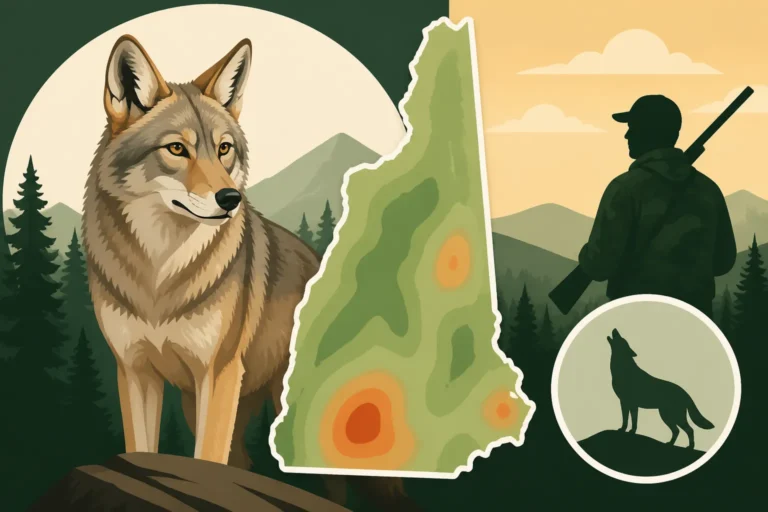
For years, New Hampshire's black bear population has shown a robust and consistent increase. The most recent estimates suggest a healthy and growing population, often cited in the range of around 6,000 to 7,000 animals, but these numbers fluctuate annually based on reproduction, mortality, and dispersal. What's truly interesting is how these numbers are distributed. The highest densities of bears are traditionally found in the North Country and the White Mountains, areas with vast tracts of contiguous forest, fewer roads, and less human development. Coos County, for instance, consistently holds a significant portion of the state's bear population.
However, over the last few decades, bears have steadily expanded their range southward and eastward, increasing their presence in the Lakes Region, the Monadnock Region, and even into parts of the Merrimack Valley and the Seacoast. While the densities in these southern areas are generally lower than in the North Country, the sheer increase in bear sightings and conflicts indicates a thriving population that has adapted to living closer to human development. This regional variation means that a hunter in Pittsburg will have a vastly different bear hunting experience and expectation than someone pursuing bears in the hills near Keene. Understanding these geographical nuances is key for any serious bear hunter or wildlife observer.
Interpreting Density by Wildlife Management Unit (WMU)
New Hampshire is divided into 17 Wildlife Management Units (WMUs), and bear population estimates and management strategies are often tailored to these specific areas. WMUs are designed to reflect similar habitat characteristics and deer populations, but they also provide a granular way to track bear numbers. For example, WMUs in the northern part of the state (like A, B, and C) consistently show higher bear densities compared to units further south (like J2 or M).
Interpreting density by WMU allows hunters to make more informed decisions about where to focus their efforts. If you're looking for a higher chance of encountering a bear, WMUs with higher estimated densities, often those with extensive timberland and lower human populations, would be your prime target. Conversely, if you're hunting in a WMU with lower density, your strategy might need to adjust, perhaps focusing more on concentrated food sources or areas less impacted by human activity. Mapping tools like GoHunt, which integrate WMU boundaries, can be incredibly helpful for visualizing these densities and planning your hunt. Keep in mind that while some WMUs may have a lower overall density, specific pockets within those units can still hold a surprising number of bears, especially if there's an excellent mast crop or a secluded, remote piece of habitat.
Here's a simplified look at how bear densities might vary across New Hampshire's regions:
| New Hampshire Region | Typical Bear Density (Estimated Bears per 100 sq miles) | Primary Habitat Type | Key Factors Influencing Density |
|---|---|---|---|
| North Country (WMUs A, B, C) | High (20-40+) | Vast forests, remote timber, minimal development | Abundant wild foods, low human disturbance |
| White Mountains (WMUs D1, D2, E, F) | High (15-35) | Rugged mountains, extensive public land, mixed forests | Good mast crops, large wilderness areas |
| Lakes Region (WMUs D1, E, G) | Moderate to High (10-25) | Mixed forests, some developed areas, access to wetlands | Varied food sources, increasing human-bear interaction |
| Monadnock Region (WMUs G, H1, H2) | Moderate (8-20) | Rolling hills, mixed woodlands, increasing agriculture | Adaptable bears, suburban overlap |
| Merrimack Valley (WMUs H1, I1, I2) | Low to Moderate (5-15) | Fragmented forests, suburban, agricultural fields | Bears moving into new territories, higher conflict potential |
| Seacoast (WMUs I2, J1, J2, M) | Low (2-10) | Highly fragmented habitat, heavily developed, coastal | Transient bears, reliance on suburban food |
Note: These density figures are illustrative and can change annually based on mast crops, hunting pressure, and other environmental factors. Always consult the latest New Hampshire Fish and Game digest for specific, up-to-date data.
Factors Influencing Bear Population Fluctuations
Even with a generally growing population, bear numbers aren't static. They ebb and flow, influenced by a complex web of environmental and human-related factors. Understanding these fluctuations is crucial for wildlife managers and provides valuable insight for hunters trying to predict bear behavior.
Climate, Mast Crops, and Human-Bear Interactions
One of the most significant natural drivers of bear population fluctuations is the availability of food, which is heavily tied to climate and weather patterns. As we discussed, fall mast crops – acorns, beechnuts, and other hard and soft mast – are king. A bountiful mast year means bears can easily put on weight, leading to higher cub survival rates and more reproductive sows the following year. Conversely, a poor mast year can stress the population, causing bears to forage more widely, resulting in lower weights, reduced cub production, and increased mortality due to starvation or human conflict. Unpredictable spring frosts that kill emerging buds, or summer droughts that impact berry production, can also have ripple effects on the bear's diet and health.
Human-bear interactions are another critical factor, especially as the bear population expands into more developed areas. When natural foods are scarce, bears are often drawn to human food sources like bird feeders, trash cans, pet food, and agricultural crops. These interactions can lead to conflicts, including property damage, nuisance complaints, and, in some cases, aggressive behavior from bears. While New Hampshire Fish and Game emphasizes public education and deterrents, severe conflicts can sometimes result in nuisance bears being euthanized, which directly impacts local population numbers. Learning how to properly secure attractants is essential for coexistence and for keeping our bears wild and healthy.
Disease, Mortality, and Management Strategies
While not as prevalent as with some other species, disease can occasionally impact bear populations. Parasites like mange, although typically not fatal on a broad scale, can weaken individual bears. More significant diseases are less common in New Hampshire's bear population, but wildlife biologists constantly monitor for any emerging threats that could affect herd health. Natural mortality also plays a role, with some cubs succumbing to predation (from other bears, coyotes, or bobcats) or environmental conditions. Occasionally, bears are killed by vehicle collisions, particularly as they cross roads in search of food or mates.
New Hampshire Fish and Game actively manages the bear population to maintain a healthy, sustainable number that minimizes human-bear conflicts while providing hunting opportunities. Their primary tool is regulating the annual harvest through season dates, bag limits, and specific permits. By adjusting these parameters, they can influence the number of bears taken by hunters, ensuring the population remains within desired ecological and social thresholds. For instance, in areas with high bear densities and frequent human conflicts, hunting seasons might be more liberal to help reduce numbers. In contrast, if a localized population shows signs of decline, hunting pressure might be reduced. This adaptive management approach is critical for the long-term health of New Hampshire's black bear population and ensures that future generations will also have the chance to hunt and observe these incredible animals. It's a fine balance, and it relies heavily on the data collected through research and hunter reporting.
What the Bear Population Means for Hunters
Understanding the bear population isn't just an academic exercise; it directly impacts your hunting strategy, opportunities, and even your ethical responsibilities in the woods. A healthy, growing bear population offers unique challenges and rewards to the dedicated hunter.
Hunting Opportunities and Season Structures
The robust and increasing bear population in New Hampshire translates into excellent hunting opportunities across much of the state. With bears expanding their range, you're now likely to encounter them in areas where they were rare just a few decades ago, opening up new hunting grounds. This strong population allows New Hampshire Fish and Game to offer a generous bear season, often with varied options like Bear Hunting New Hampshire's Bait and Hound Season and a dedicated still-hunting season. The ability to hunt bears using different methods across various WMUs provides flexibility for hunters with diverse preferences and resources.
This flexibility also means hunters can choose to focus on different hunting experiences. Some prefer the intense, close-quarters experience of hunting over bait, which requires significant scouting, effort, and knowing how to legally Baiting New Hampshire Bears Legally by WMU. Others might favor the challenge of Hunting Bear With Hounds by WMU, an incredibly active and physical pursuit. Still, others prefer the traditional method of still-hunting or spot-and-stalk, relying on their tracking and woodsmanship skills to intercept a bear moving through its natural habitat. The healthy population ensures that all these methods can be sustained, offering a truly diverse hunting landscape that attracts both resident and non-resident hunters to the Granite State.
Ethical Considerations and Conservation
With a thriving bear population comes a heightened responsibility for hunters to act ethically and contribute to conservation. Ethical hunting practices are paramount. This includes proper shot placement to ensure a quick, humane harvest, diligent tracking of wounded animals, and knowing your local regulations for Checking Your WMU's Bear Season Dates. It also means being a good steward of the land, respecting private property, and practicing Leave No Trace principles, especially if you're utilizing public lands like the White Mountain National Forest.
More broadly, hunters are critical conservation partners. The funds generated through the sale of hunting licenses and tags directly support wildlife research, habitat management, and law enforcement efforts that benefit bears and countless other species in New Hampshire. By adhering to regulations, reporting harvests accurately, and promoting responsible hunting, we ensure that the bear population remains healthy and available for future generations to enjoy. It's a feedback loop: a healthy bear population provides hunting opportunities, and hunters, in turn, contribute to the conservation efforts that keep that population healthy. This partnership is a cornerstone of wildlife management in New Hampshire.
Disclaimer
Please remember that hunting regulations and wildlife population estimates can change. Always consult the most current New Hampshire Fish and Game Department regulations before planning any hunting activities. This information is for educational purposes and general guidance only.