Coyotes and Predators in New Hampshire
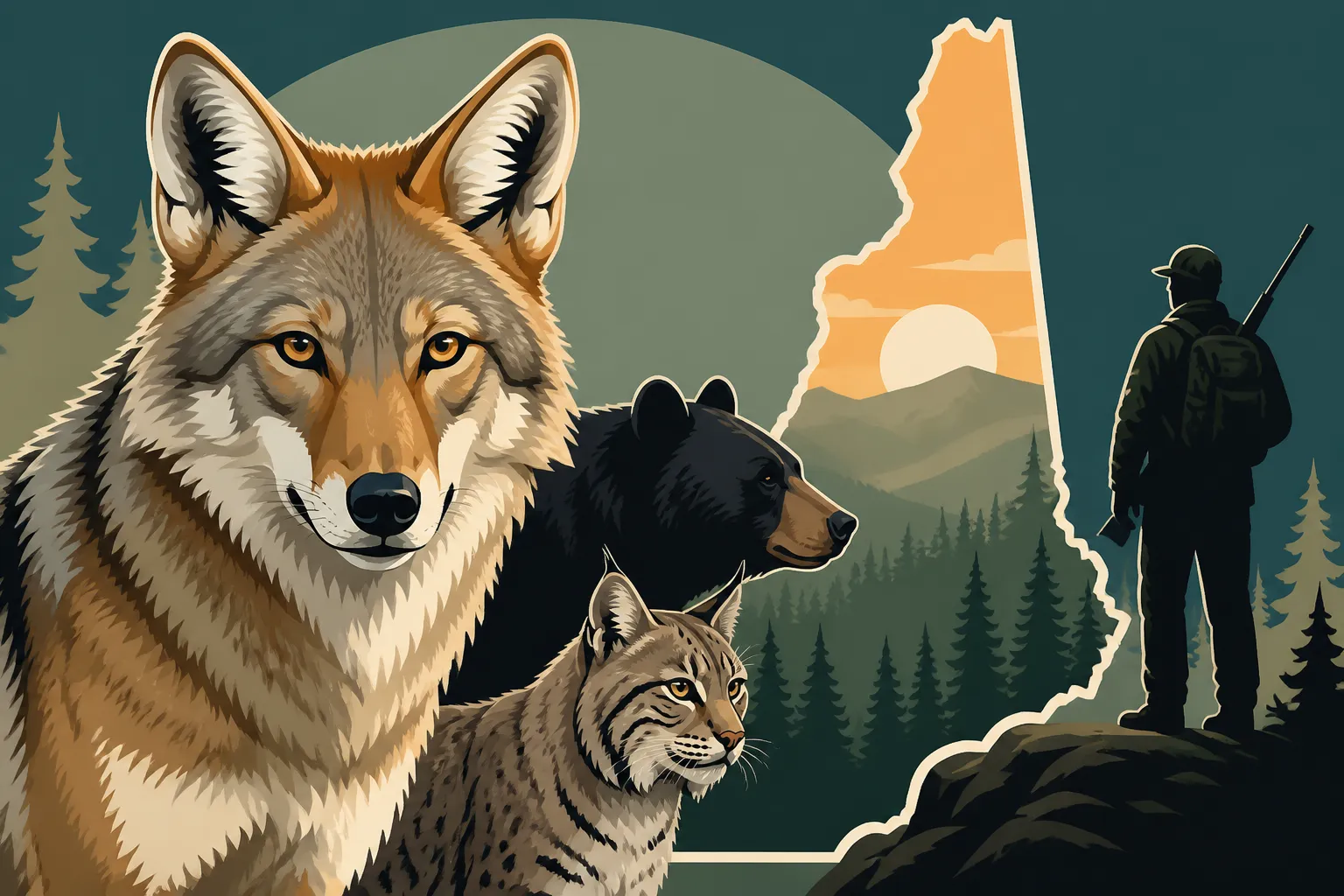
The rustle in the undergrowth, the fleeting shadow at dusk, or the haunting howl echoing through the crisp New Hampshire night – predators are an undeniable, often mysterious, part of our wild landscape. For many hunters and outdoor enthusiasts, understanding these animals is crucial, not just for the thrill of the chase, but for a deeper appreciation of the complex ecosystem they inhabit. This guide will take a deep dive into the coyotes, bears, bobcats, and other significant predators of the Granite State, helping you decipher their behaviors, manage their populations, and ethically pursue them.
Understanding New Hampshire's Eastern Coyote
When we talk about predators in New Hampshire, the Eastern coyote often takes center stage. These intelligent canids are incredibly adaptable, thriving in everything from the deep woods of the North Country to the suburban fringes around Manchester. Their presence can be a hot topic, especially among deer hunters who often see them as direct competitors for the whitetail resource. It's easy to feel frustrated when you find evidence of coyote predation on a deer you've been scouting, but understanding their role is key to effective management and hunting.
Origins and Expansion of the Eastern Coyote
The Eastern coyote, Canis latrans var., isn't just a Western coyote that migrated east. It's a fascinating hybrid, a testament to nature's ability to adapt and evolve. Genetic studies have shown that these animals carry DNA from Western coyotes, wolves (specifically the Eastern wolf and the Great Lakes wolf), and even domestic dogs. This genetic soup has given them unique characteristics: they are typically larger than their Western cousins, often weighing between 30-50 pounds, with some individuals pushing 60 pounds or more. This increased size allows them to tackle larger prey, including adult deer, which is a significant departure from the mostly small-prey diet of Western coyotes.
Their eastward expansion began in the late 19th and early 20th centuries, as logging and agriculture opened up vast tracts of land, simultaneously reducing wolf populations – the coyote's primary competitor and predator. With wolves largely extirpated from the region, coyotes found an ecological niche ready to be filled. They moved into New Hampshire from the north and west, establishing a firm foothold by the mid-20th century. Today, they are ubiquitous, found in every county and habitat type, from the dense spruce-fir forests of Coos County to the mixed hardwoods and suburban woodlots of Rockingham County. Their incredible reproductive capacity and intelligence have allowed them to flourish where other large predators have struggled.
Coyote Behavior and Habitat in New Hampshire
New Hampshire's diverse landscape provides a smorgasbord of habitats for coyotes, allowing them to adjust their behavior to exploit available resources. In the remote White Mountain National Forest, they might exhibit more wild, elusive tendencies, denning in rocky outcrops or dense thickets far from human disturbance. Here, their territories can be quite large, encompassing hundreds of acres, as they roam vast tracts of timber in search of food. They are often seen traveling logging roads and game trails, constantly scent-checking for prey or other coyotes. A skilled hunter using an app like GoHunt might notice patterns in their movement if they track sign over time.
Closer to human habitation, their behavior shifts. In areas bordering towns and suburbs, coyotes become incredibly adept at avoiding detection, often becoming primarily nocturnal. They learn to navigate residential areas, greenbelts, and small woodlots with stealth, utilizing culverts, drainages, and fencerows as travel corridors. They are opportunists, readily preying on rodents, rabbits, and even domestic pets if given the chance, alongside their wild game diet. Their dens can be found in surprisingly close proximity to homes—under sheds, in thick brush piles, or even abandoned structures. This close interaction often leads to increased human-wildlife conflict, which is a common frustration for property owners.
Diet and Impact on Other Game Species
The diet of an Eastern coyote is incredibly varied, reflecting their opportunistic nature. While they will readily consume small mammals like mice, voles, rabbits, and snowshoe hare, and birds like turkeys and grouse, their impact on the New Hampshire deer herd is often the most discussed aspect of their diet. During severe winters, or when deer are weakened, coyotes can and do take down adult deer. However, their most significant impact on the deer population is typically on fawns during the spring and early summer. Newborn fawns are particularly vulnerable, especially in the first few weeks of life when they are largely immobile and rely solely on camouflage for defense. This can be a tough pill to swallow for hunters who dream of bigger bucks, but it's a natural part of the ecosystem.
Studies have shown that fawn predation by coyotes can be a significant factor in deer population dynamics, particularly in areas with high coyote densities or struggling deer herds. Beyond deer, coyotes also feed on wild turkeys, especially poults, and various small game species. They are also known to scavenge on carrion, including deer carcasses left by hunters or roadkill, playing an important role as nature's clean-up crew. While their impact can feel substantial, it's important to remember that a healthy, well-managed deer herd can typically withstand a certain level of natural predation. Hunting coyotes, as outlined in Coyote Calling New Hampshire Farm Country, can be a useful tool to help manage local populations and potentially reduce pressure on deer, especially in specific areas.
Black Bears: A Major New Hampshire Predator
New Hampshire is fortunate to have a robust and growing black bear population. While bears are often thought of as primarily herbivorous, especially when gorging on berries and nuts in the fall, they are powerful omnivores and can be significant predators, particularly during certain times of the year. Their sheer size and strength allow them to exert pressure on various wildlife, including deer.
Bear Population Dynamics and Distribution
New Hampshire's black bear population has seen a remarkable recovery and expansion over the past few decades. Once largely confined to the remote forests of the North Country, bears have now expanded their range throughout much of the state, including into more populated areas. Current estimates suggest a healthy and stable population, which is a testament to sound wildlife management and increased forest cover. You'll find the densest populations in the vast timberlands of Coos and Grafton counties, but encounters are increasingly common in the Lakes Region and even portions of the Merrimack Valley.
The population dynamics are heavily influenced by food availability. Years with abundant mast crops (acorns, beech nuts) tend to result in higher cub survival and better reproductive rates, while poor mast years can lead to increased human-bear conflicts as bears search for alternative food sources. This adaptability is part of what makes them such successful predators; they can switch their diet to whatever is most abundant. Hunters interested in Bear Hunting New Hampshire's Bait and Hound Season often observe these seasonal food patterns firsthand when setting up their bait sites.
Seasonal Predation Patterns and Food Sources
Black bears are true omnivores, and their diet changes dramatically with the seasons. In spring, as they emerge from their dens, they are incredibly hungry and will consume almost anything green, from tender new shoots and grasses to emerging skunk cabbage. At this time, they also scavenge heavily on winter-killed deer carcasses and can prey on deer fawns. A significant portion of a bear's spring diet can be animal protein, including fawns, moose calves, and small mammals. This is a critical period where they impact young ungulates.
As summer progresses, bears shift towards a more insect-based diet, tearing apart logs and stumps for grubs and ants, and consuming berries as they ripen. Blueberries, raspberries, and black cherries are major food sources. By fall, their focus is intensely on hyperphagia—eating as much as possible to build fat reserves for winter. Hard mast, such as acorns and beech nuts, becomes paramount. In years where these are scarce, bears will broaden their search, which can lead them into agricultural fields to eat corn, or into residential areas to raid bird feeders and garbage. While they are powerful enough to kill adult deer, they generally prefer easier meals, and active predation on adult deer is less common than on fawns, or through scavenging.
Coexisting with Black Bears in Hunting Areas
Encountering a black bear in the New Hampshire woods is a truly special experience, but it also requires awareness and respect. For hunters, it's crucial to understand bear behavior, especially when actively hunting deer or other game. Bears will be attracted to gut piles, discarded meat, or even scent trails left by a successful harvest. If you've just field-dressed a deer, be aware that bears might be in the vicinity. Always make noise when walking, especially in dense cover, to avoid surprising a bear.
When Baiting New Hampshire Bears Legally by WMU, it's vital to follow all regulations, including setback distances from residences and public roads. Improper baiting can habituate bears to human food sources, leading to negative interactions. If you stumble upon a bear feeding or with cubs, give it a wide berth. Most bears are shy and will avoid confrontation if given space. Understanding their movements, often by observing local sign or using mapping tools like those offered by GoHunt, can help you avoid unexpected encounters and ensure a safe, respectful experience in the woods.
Bobcats and Fisher: Elusive Furbearers
Beyond the more conspicuous coyotes and bears, New Hampshire's forests are home to a number of smaller, yet highly effective, predators. These elusive furbearers play critical roles in regulating small mammal populations and add to the rich biodiversity of the state. While rarely seen, their tracks and sign are a constant reminder of their presence.
Bobcat Ecology and Hunting Implications
The bobcat (Lynx rufus) is New Hampshire's only native wild feline, a sleek and powerful hunter perfectly adapted to the varied landscapes of the state. These magnificent cats are known for their short, "bobbed" tail, tufted ears, and spotted coats that provide excellent camouflage in mixed woodlands. They typically weigh between 15-30 pounds, with males generally larger than females. Bobcats are incredibly stealthy and solitary, making direct observations quite rare, even for seasoned woodsmen.
Their diet consists primarily of small prey: rabbits, snowshoe hares, squirrels, mice, and voles. They are also adept bird hunters and will occasionally take turkeys or even deer fawns. While their impact on the overall deer population is less significant than that of coyotes or bears, they are certainly opportunistic predators of the vulnerable young. Bobcats are managed through trapping seasons in New Hampshire, as their populations have recovered well from historical lows. Hunters and trappers play an important role in monitoring these populations. Knowing Trapping New Hampshire Furbearers regulations is crucial for those interested in pursuing bobcats. Their presence indicates a healthy small game base, and finding their tracks often leads to prime rabbit or grouse cover.
Fisher: The Weasel Family's Forest Hunter
The fisher (Pekania pennanti) is another fascinating and formidable furbearer found throughout New Hampshire's forests. Part of the weasel family, these animals are known for their long, slender bodies, dark brown fur, and incredible agility, both on the ground and in trees. Fishers typically weigh between 6-12 pounds, with males being significantly larger than females. They are incredibly fierce and voracious predators, earning them a reputation that often belies their size.
Fishers are renowned for their ability to hunt porcupines, a feat few other predators attempt. They're also highly effective hunters of snowshoe hares, squirrels, and small rodents, often following their prey into tree cavities or dense brush. Like bobcats, fishers will also prey on birds and occasionally deer fawns, particularly those that are sick or injured. Their presence is a sign of mature, contiguous forest habitat, and their populations have also rebounded thanks to conservation efforts and regulated trapping seasons. A fisher track in fresh snow is a clear indicator of a wild and healthy forest, a place where many other game species also thrive.
Other Predators and Their Roles in the Ecosystem
While coyotes, bears, bobcats, and fishers are the most prominent predators of larger game and furbearers, New Hampshire's ecosystem is supported by a diverse cast of other predatory animals, each playing its own vital role in maintaining balance. These include smaller mammals and impressive raptors.
Fox Species: Red and Gray Foxes
New Hampshire is home to two species of fox: the widespread red fox (Vulpes vulpes) and the more elusive gray fox (Urocyon cinereoargenteus). Both are opportunistic predators, though they exhibit different habitat preferences and hunting styles.
Red foxes are iconic, with their fiery coats and bushy white-tipped tails. They are highly adaptable and can be found in a variety of habitats, from dense forests to agricultural fields and even suburban developments. Their diet primarily consists of small mammals like mice, voles, and rabbits, as well as birds, insects, and fruits. They are also known to prey on young turkeys and grouse, and their presence can be felt on a small game population. A red fox might stalk a field edge at dusk, patiently waiting for a vole to emerge, much like a hunter might sit a Clover Plot at First Light for deer. Their cunning and agility make them effective hunters, and while they don't typically impact adult deer, they certainly contribute to fawn mortality.
Gray foxes, on the other hand, are smaller and typically prefer denser, brushier habitats, often with a mix of woodlands and rocky areas. They are unique among canids for their semi-arboreal nature, often climbing trees to escape predators or to forage for food like nuts and bird eggs. Their diet is similar to that of red foxes, focusing on small mammals and birds. Both fox species compete with coyotes for prey, and in areas where coyote populations are high, fox numbers may be lower due to direct competition and predation by coyotes. Their presence is a good indicator of a healthy small mammal population.
Avian Predators: Raptors and Owls
Above the forest floor, a different class of predators patrols the New Hampshire skies. Raptors – hawks, eagles, and falcons – along with various owl species, are incredibly efficient aerial hunters that play a significant role in controlling rodent, rabbit, and bird populations.
The most common raptors include the Red-tailed Hawk, which can often be seen perched on utility poles or circling over open fields, scanning for rodents and rabbits. Larger species like the Great Horned Owl are powerful nocturnal predators, capable of taking a wide range of prey from mice to rabbits, skunks, and even other birds. Bald Eagles, once rare, have made a spectacular comeback in New Hampshire and are primarily fish-eaters but will also scavenge and occasionally prey on ducks, geese, or other waterfowl. Their majestic presence along the Connecticut River is a sight to behold, especially during migration, where they might feast on ducks found in Decoying Ducks on New Hampshire's Connecticut River.
These avian predators exert constant pressure on smaller wildlife, helping to keep populations in check and ensuring the health of prey species by culling the weak or sick. While they typically don't directly impact large game like adult deer, they are an integral part of the overall predatory landscape, creating a web of life where every species has a role.
Predator Management and Hunting Opportunities
Managing predator populations in New Hampshire is a complex balancing act, aiming to sustain healthy predator numbers while minimizing conflicts with humans and domestic animals, and considering their impact on other game species like deer and turkey. Hunting and trapping are critical tools in this management strategy, providing opportunities for outdoor enthusiasts while contributing to scientific data collection.
New Hampshire's Predator Hunting Seasons and Rules
New Hampshire Fish and Game Department sets specific seasons and regulations for hunting and trapping various furbearers and predators. These regulations are designed to ensure sustainable populations while providing recreational opportunities. For eastern coyotes, the hunting season is quite liberal, often extending year-round, which reflects their robust population and the desire to provide ample opportunity for hunters to help manage their numbers. There are specific Night Hunting Rules for New Hampshire Coyotes that hunters must adhere to, often requiring permits and restricting the use of certain lights or firearms.
For black bears, hunting is highly regulated, with specific season dates that vary by Wildlife Management Unit (WMU) and method (baiting, hounds, still-hunting). These seasons are carefully crafted to meet harvest objectives and ensure the long-term health of the bear population. Species like bobcats and fisher are typically managed through regulated trapping seasons, often with quotas or reporting requirements to monitor harvest levels. It's always essential to consult the most current New Hampshire Fish and Game Hunting & Trapping Digest before heading afield, as rules can change.
Coyote Calling and Hunting Strategies
Hunting coyotes can be one of the most challenging and rewarding pursuits in New Hampshire. Their keen senses of smell, hearing, and sight, combined with their intelligence, make them formidable quarry. Effective coyote hunting often involves calling, using electronic or mouth calls to mimic prey in distress (e.g., a rabbit or fawn in distress) or the sounds of other coyotes (howls, barks). Setting up in an area with good visibility downwind is crucial, as coyotes will almost always circle downwind to get a scent of the call source before committing. Many hunters find success by setting up on field edges or in timber where they have clear shooting lanes, similar to how one might hunt Entry Routes Through a Cut Cornfield for deer.
Success often depends on scouting, understanding local coyote behavior, and adapting calling sequences to the situation. Early morning and late evening are often prime times, but coyotes can be called in throughout the day, especially on overcast or foggy days. Patience is key, as is remaining perfectly still. A good pair of binoculars, like those from a brand like GoHunt, can be invaluable for spotting incoming coyotes at a distance, allowing you to prepare for the shot. Ethical shot placement is paramount, aiming for a clean, humane harvest.
Trapping and Furbearer Management
Trapping is another important tool for managing New Hampshire's furbearer populations, including coyotes, bobcats, and fisher. It is a highly regulated activity requiring specific licenses and adherence to strict guidelines regarding trap types, set locations, and check times. Trappers play a vital role in wildlife management by providing valuable data on population trends, disease monitoring, and harvest levels. They often target areas where furbearer populations are dense or where conflicts with livestock or other game species are high.
Modern trapping methods emphasize humane treatment and selective harvest. Trappers spend countless hours scouting, preparing trap sets, and maintaining their trap lines. This traditional method requires a deep understanding of animal behavior, habitat, and local conditions, whether setting traps in a beaver flowage or along a granite ridge. The regulations for Trapping New Hampshire Furbearers are detailed and designed to ensure that populations remain healthy and that trapping is conducted responsibly.
The Ecological Balance: Predator-Prey Relationships
The presence of predators in an ecosystem is not merely about their individual actions; it's about the intricate web of interactions they have with their prey and the environment. New Hampshire's wild places are a dynamic stage where these predator-prey relationships constantly play out, shaping the health and resilience of wildlife populations.
Impact on Deer Fawn Survival
One of the most intensely discussed aspects of predator-prey dynamics in New Hampshire is the impact of coyotes and bears on deer fawn survival. While it's natural for hunters to focus on the loss of future bucks, it's a fundamental part of nature's culling process. A certain percentage of fawns will always succumb to predation, disease, or environmental factors. Predators, particularly coyotes, are highly effective at taking advantage of the vulnerability of newborn fawns, especially in the first few weeks of life.
However, the overall impact on the deer population often depends on the health and density of the deer herd itself. In areas with abundant habitat, good nutrition, and a healthy doe population, deer can often produce enough fawns to compensate for predator losses. Conversely, in areas with poor habitat, high disease rates, or prolonged harsh winters, predator pressure can exacerbate existing challenges and contribute to population declines. New Hampshire Fish and Game monitors New Hampshire Fawn Survival Rates closely to understand these dynamics and adjust deer management strategies accordingly. Predator management, when applied strategically, can sometimes alleviate pressure on deer, especially in specific areas or during critical times.
Maintaining Healthy Predator Populations
Just as important as managing prey populations, is the responsible stewardship of predator species. Healthy predator populations are an indicator of a thriving ecosystem. They help control disease by removing sick or weak individuals from prey populations, reducing the spread of pathogens. They also influence prey behavior, keeping deer, moose, and other animals vigilant and ensuring a stronger, more resilient genetic pool. Without predators, prey populations can sometimes boom to unsustainable levels, leading to overbrowsing of habitat, increased disease, and ultimately, a crash in their own numbers.
New Hampshire's approach to predator management seeks to maintain viable populations of coyotes, bears, bobcats, and fishers. This involves regulating hunting and trapping, monitoring population trends through various surveys, and conserving the habitats these animals need to thrive. Ensuring robust predator numbers is not just about conservation; it's about preserving the ecological integrity of New Hampshire's wild lands for future generations of hunters and wildlife enthusiasts. It's a key part of the larger picture of White-Tailed Deer Across New Hampshire and other game species.
Hunting Ethics and Best Practices
Predator hunting, like all forms of hunting, comes with a profound responsibility to adhere to the highest ethical standards. The challenge and reward of pursuing these intelligent and often elusive animals demand respect for the animal, the land, and the public perception of hunting.
Respecting the Resource and Fair Chase
Ethical predator hunting begins with respect for the animal itself. This means striving for clean, quick kills, using appropriate firearms or archery equipment, and developing the skills necessary for accurate shot placement. It also means understanding the concept of fair chase—never taking an unfair advantage over the animal. This includes avoiding tactics that exploit natural vulnerabilities beyond reasonable sporting challenge. For instance, while calling coyotes is a legitimate and challenging hunting method, there's a line where manipulation crosses into unethical territory, such as hunting over bait that isn't specifically legal for coyotes, or using prohibited electronic devices.
Retrieving harvested animals is also a critical ethical consideration. No hunter wants to lose a game animal, and this applies to predators too. Tracking a deer in fresh White Mountain Snow is one thing, but tracking a coyote or bear requires similar dedication to ensure recovery and avoid waste. Respecting the resource means acknowledging the animal's life and ensuring its take is meaningful.
Safety and Regulations Specific to Predator Hunting
Safety is paramount in any hunting endeavor, and predator hunting, particularly with its often varied methods and sometimes extended seasons (like Hunting New Hampshire's Archery Season Into December), introduces unique considerations. When calling coyotes, especially on public lands or near human habitation, knowing your backdrop and bullet trajectory is critical. Being aware of other hunters or outdoor enthusiasts who might be in the area, often unseen, is a constant responsibility. Wearing blaze orange during firearms seasons, even if targeting coyotes, is not just a legal requirement but a common-sense safety measure.
Specific regulations, such as those governing Night Hunting Rules for New Hampshire Coyotes, often include restrictions on artificial lights, weapon types, and areas where night hunting is permitted. These rules are in place for both safety and wildlife management reasons. For bear hunting, understanding baiting regulations, setback distances, and legal harvest criteria (e.g., distinguishing an adult bear from a sow with cubs) is crucial. Always double-check local ordinances and state regulations, and if ever in doubt, contact the New Hampshire Fish and Game Department. Responsible predator hunting contributes positively to wildlife management and helps ensure a strong future for hunting in the Granite State.
Disclaimer
Please note: Hunting regulations and seasons are subject to change. Always consult the latest New Hampshire Fish and Game Department rules and regulations before planning any hunting activity. This content is for informational purposes only and does not constitute legal advice.