New Hampshire Turkey Tag Transport Rules
It can be incredibly confusing and even a little nerve-wracking to know exactly what to do with your New Hampshire turkey tag once you've successfully harvested a bird. The last thing any ethical hunter wants is to accidentally violate a rule simply because they misunderstood how to properly tag and transport their hard-earned gobbler or hen. This comprehensive guide will walk you through every critical step of New Hampshire's turkey tag transport rules, ensuring you stay legal and enjoy the peace of mind that comes with doing things by the book.
The Foundation: Understanding Your New Hampshire Turkey Tag
Before you even step foot in the woods, it’s crucial to understand the very document that makes your hunt legal: your turkey tag. This isn't just a piece of paper; it's a legal contract, and knowing its components and requirements is the first line of defense against potential issues.
What Your Tag Entails
In New Hampshire, your turkey tag isn't a separate piece of paper you buy; it's part of your regular hunting license package. When you purchase your New Hampshire hunting license, whether online or at a vendor, you'll receive the necessary tags for various game species, including turkey, usually attached as tear-off sections. This integrated system simplifies things somewhat, as you don't need to chase down a separate turkey permit, but it also means you need to be extra careful not to lose or damage your entire license document.
For spring turkey season, you'll have specific tags for up to two bearded turkeys, while the fall season has different rules depending on the Wildlife Management Unit (WMU) you're hunting in, potentially allowing for either sex or just hens. Always double-check the current year's rules in the New Hampshire Fish and Game digest, which lays out everything clearly. Understanding these specific limits is fundamental to responsible hunting and directly impacts which tag you'll use. For a deeper dive into the specific permitting, check out our guide on New Hampshire Spring Turkey Permit Rules and New Hampshire Fall Turkey Permit Rules.
Key Information on the Tag
Your turkey tag will have pre-printed information, such as your name, address, and your hunting license number. However, the critical part comes after you've harvested a bird. You, the hunter, are responsible for immediately and accurately filling out certain details on the tag. This usually includes:
- Date of Kill: The exact day you harvested the turkey.
- Time of Kill: The precise time of day.
- WMU of Kill: The specific Wildlife Management Unit where you harvested the bird. Knowing your WMU is vital for all hunting in New Hampshire, as rules, seasons, and bag limits can vary significantly by zone. For instance, some WMUs might have a shorter fall turkey season or different bag limits.
- Sex of Bird: Whether it's a tom (gobbler) or a hen. In spring, you're targeting bearded birds, which are typically males, but some hens can grow beards. In fall, the rules often dictate whether you can take a hen or either sex.
- Other details: Depending on the year's specific tag design, there might be other fields to fill, such as "Beard Length" or "Spur Length," though these are often recorded during the registration process rather than on the initial tag itself.
Filling this out correctly and immediately is non-negotiable. It's not something you can "get to later" when you're back at the truck or home. The legal requirement is to complete the tag before moving the carcass. This ensures that the animal is clearly accounted for and prevents any ambiguity about when and where it was harvested. Many experienced hunters keep a small, waterproof pen attached to their license lanyard or in their vest pocket specifically for this purpose.
The Critical Step: Attaching and Sealing Your Tag
This is where many new hunters (and even some seasoned ones) get a little muddled. The act of properly attaching and sealing your tag is more than just a formality; it's a legal declaration of your harvest and a crucial part of the state's wildlife management efforts.
Immediate Post-Harvest Requirements
The moment you've confirmed your turkey is down and deceased, your legal obligation to tag begins. New Hampshire Fish and Game regulations stipulate that you must immediately attach your tag to the carcass before attempting to move it from the place of kill. This means no dragging it out of the field, no loading it into the truck, and certainly no taking it home without a properly filled and affixed tag.
Imagine this scenario: you've just called in a beautiful gobbler, made a clean shot, and the bird is down. You approach, confirm it's expired, and then your adrenaline kicks in. Before you celebrate too much or even consider taking photos, pull out your license, fill in all the required information on the turkey tag portion, and tear it off. This immediate action is key. It ensures that if a conservation officer were to encounter you at the kill site, or even a short distance from it, your harvest would be legally tagged.
The Proper Attachment Method
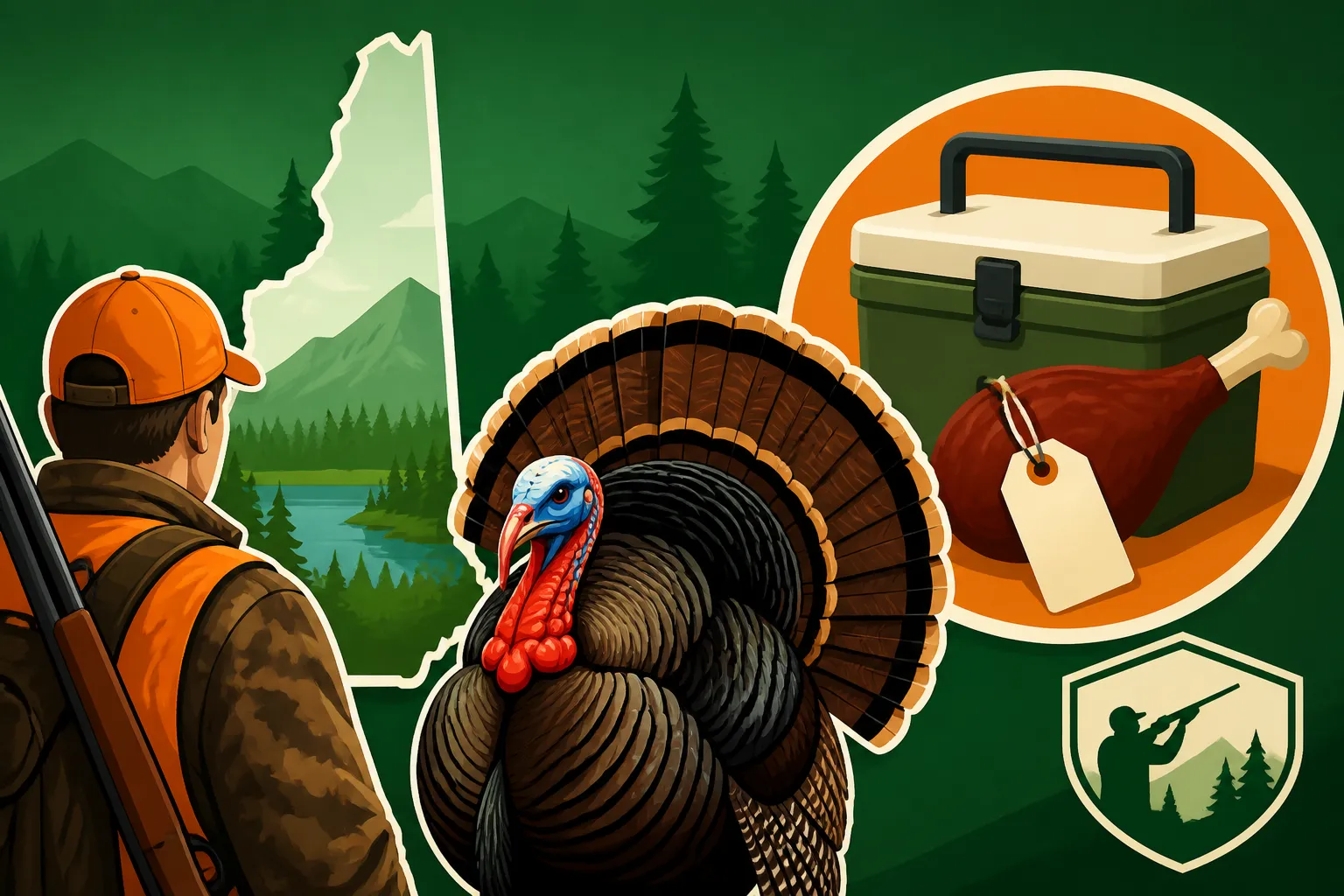
New Hampshire regulations require the tag to be securely attached to the turkey's leg. This isn't just a suggestion; it's a specific instruction. The goal is to make the tag visible and securely fastened so it doesn't accidentally detach during transport.
The tags are usually designed with a self-locking mechanism or require string/zip ties, often provided as part of the license or carried by the hunter. You'll thread the tag through a slit or hole and then loop it around the turkey's leg. Make sure it's snug enough that it won't slip off, but not so tight that it damages the leg itself if you plan on mounting the spurs. The tag acts as an identifier, linking the specific bird to your license. It's a simple, effective system that, when followed, leaves no room for doubt about the legality of your harvest.
Ensuring Your Tag is Legally "Sealed"
The term "sealed" is important here. It doesn't mean you need wax or a special tool; it refers to making the tag unusable for future harvests. Most New Hampshire tags have a series of numbered notches or tear-off sections that you must remove corresponding to the month and day of the kill. For example, if you harvest a bird on May 10th, you'd tear off the "May" and "10" tabs on the tag. This physical alteration prevents the tag from being reused, ensuring that each tag accounts for only one animal.
Failing to properly notch or tear off the date information is a violation, as it effectively leaves the tag "unsealed" and potentially reusable. Think of it as canceling a stamp – once used, it can't be used again. This detail is often overlooked in the excitement of the moment, but it's a critical part of the legal tagging process. Always take a moment to double-check that you've completed all fields and properly "sealed" the tag before you begin the process of preparing your bird for transport.
On the Move: Transporting Your Harvested Turkey
Once your turkey is legally tagged and sealed, you're ready to move it. However, the journey from the woods to your home or the registration station still has specific rules that need to be followed.
Legal Transport within New Hampshire
You can transport your legally tagged turkey whole or field dressed within New Hampshire. The key is that the tag must remain attached to the bird until it is officially registered. New Hampshire uses an online and app-based registration system for most game, including turkey, which has largely replaced the need for physical check stations, although some still exist.
You are required to register your turkey within 24 hours of harvest. This can be done conveniently through the New Hampshire Fish and Game website or their mobile app. The app allows you to enter all the relevant details, including a photo of your tag and the bird. This digital registration is a huge convenience, especially when hunting in remote areas where physical check stations might be far away or closed. Many hunters use mapping and data-logging platforms like GoHunt to keep track of their hunt details, which can then easily transfer to the official registration system. Once registered, you'll receive a confirmation number. While the tag should remain on the bird until it's processed, the official registration is what fulfills the legal reporting requirement. For more detailed information, consult the guide on New Hampshire Turkey Checking Requirements.
Transporting Across State Lines
This is where things can get a bit trickier, especially with the ongoing concerns about Chronic Wasting Disease (CWD). New Hampshire is currently CWD-free, which is a status the Fish and Game Department works tirelessly to maintain. Because of this, there are strict rules about importing deer, moose, or elk carcasses, or certain parts of them, from other states. While turkeys are not cervids and therefore not directly susceptible to CWD, it's always wise to be aware of regulations if you plan to travel with any game.
If you are a non-resident hunter taking your turkey out of New Hampshire, or a resident bringing a turkey into New Hampshire from another state where you've hunted, you must check the regulations of both states. Some states might require a permit or have restrictions on specific parts of the animal. Generally, skinned, boned-out meat, cleaned skull plates, and processed taxidermy mounts are less restricted, but whole carcasses or those with spinal tissue might face scrutiny. Always err on the side of caution and verify current regulations before crossing state lines. This also ties into the broader New Hampshire CWD Prevention Rules.
Field Dressing Considerations for Transport
Many hunters choose to field dress their turkey shortly after the kill to cool the meat down and reduce weight for transport. This is perfectly legal and often recommended, especially on warmer days, to preserve meat quality. When field dressing, remember that the tag must remain attached to the bird. Typically, this means you'll gut the bird, but leave the legs, head, and wings intact. The tag, being on the leg, will stay with the carcass.
Some hunters prefer to remove the beard and spurs in the field for preservation, especially if they plan to get a taxidermy mount. While this is generally fine, ensure you've still met all tagging and identification requirements. If you've separated parts, the main carcass still needs its tag. Keep separated parts in a way that clearly links them to the tagged bird. For example, place the beard and spurs in a small bag clearly labeled with your tag number. This careful approach ensures there’s no confusion about which parts belong to which legally tagged bird.
Avoiding Pitfalls: Common Mistakes and Best Practices
Even with the best intentions, hunters can sometimes make mistakes. Being aware of common pitfalls and adopting best practices can help ensure a smooth, legal, and enjoyable hunting experience.
Overlooking Digital Registration
While New Hampshire’s digital registration system is incredibly convenient, some hunters, especially those accustomed to older physical check station methods, might forget or delay the online registration. It’s crucial to remember the 24-hour deadline. Failing to register your turkey within this timeframe is a violation, even if your physical tag is properly affixed.
Best practice involves having the Fish and Game app downloaded and ready on your phone before you go hunting. Make sure your phone is charged and you know how to use the app to submit a harvest. Even if you're in an area with no cell service, you can often save the information on the app and upload it once you get back into service. Some advanced hunters even use tools like GoHunt that help them log their hunt details and provide reminders for official registration. While the convenience of registering a deer through the Registering a New Hampshire Deer Online system is a similar process, applying this diligence to turkey is just as important.
Lost or Damaged Tags
Accidents happen. A tag can get torn, washed out, or even lost if not securely attached. If your tag becomes unreadable or detached before you've registered the bird, you could face significant issues.
- Prevention: Securely attach your tag. Use a strong zip tie or twine if the tag itself doesn't have a robust self-locking mechanism. Keep your license in a waterproof holder. Carry a spare waterproof pen.
- What to Do: If your tag is damaged or lost before registration, and you're still in the field, immediately contact New Hampshire Fish and Game. Explain the situation. They will provide guidance on how to proceed. Do not move the bird further until you have received instructions. Trying to "fix" it yourself or pretending it didn't happen can lead to much more serious consequences, including New Hampshire Wildlife Violation Penalties. It’s always better to be honest and seek guidance.
Staying Informed
Hunting regulations, while generally stable, can change from year to year. New rules might be introduced, season dates adjusted, or specific WMU regulations updated. Relying on outdated information is a recipe for problems.
- Annual Review: Always read the current year's New Hampshire Fish and Game Digest before each hunting season. Don't assume anything is the same as last year.
- Official Sources: Get your information from official sources: the New Hampshire Fish and Game website, their digest, or direct communication with their regional offices. While helpful platforms like GoHunt can keep you informed, always cross-reference with the official state publications.
- Ask Questions: If you're ever unsure about a rule or regulation, don't hesitate to call your local Fish and Game office. They are there to help hunters stay legal and safe.
Being a responsible hunter means not only understanding how to pursue game ethically but also knowing and following all the legal requirements for tagging and transporting your harvest. By paying close attention to these New Hampshire turkey tag transport rules, you ensure your successful hunt remains a positive experience, from the field to your dinner table.
Disclaimer
The information provided in this guide is for informational purposes only and is not a substitute for the official New Hampshire Fish and Game Department regulations. Hunters are responsible for consulting the most current official hunting digest and relevant state laws before hunting. Regulations can change, and it is the hunter's responsibility to stay informed.