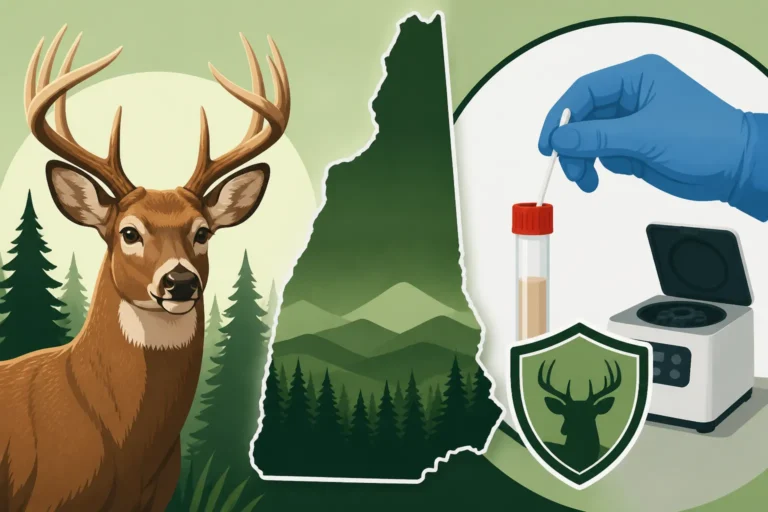
New Hampshire Urban Deer Management Permits
Living in New Hampshire, you've probably seen it: deer everywhere. From your prized hostas vanishing overnight to the anxiety of a deer darting across the road on your evening commute, managing deer in our increasingly developed areas is a real headache. It's frustrating when you love wildlife but also need to protect your garden, ensure road safety, and deal with the potential spread of tick-borne illnesses. That's where New Hampshire Urban Deer Management Permits come into play, offering a targeted solution to these very specific challenges that traditional hunting seasons often can't address.
Understanding the Need for Urban Deer Management
The picturesque charm of New Hampshire often comes hand-in-hand with its robust wildlife populations, and none are more visible in our suburban and urban fringes than white-tailed deer. While a majestic sight, their presence in residential areas has escalated into a complex issue, causing significant distress for homeowners and communities alike. This isn't just about a few nibbled plants; it's about a fundamental imbalance that impacts daily life.
The Growing Problem in Developed Areas
Deer are incredibly adaptable creatures, and our manicured suburban landscapes, with their lush gardens, abundant shrubbery, and lack of natural predators, have become a veritable buffet for them. Think about it: a well-fertilized lawn, ornamental shrubs, and vegetable gardens offer a consistent, high-quality food source year-round, far more reliable than what they might find in dense, untouched forests. This ecological shift allows deer populations to flourish, often unchecked, leading to an overabundance in areas that simply aren't designed to sustain such numbers. Homeowners often wake up to the disheartening sight of decimated flowerbeds, stripped hedges, and trampled vegetable patches, making months of careful cultivation disappear in a single night. Beyond the aesthetic and financial cost of replacing landscaping, there's the very real threat to public safety. Deer-vehicle collisions are a frequent occurrence, especially during dawn and dusk, posing serious risks of injury or even fatality to drivers and passengers, not to mention substantial vehicle damage. The economic burden on insurance companies and municipalities from these accidents is considerable. Furthermore, the close proximity of deer to human habitation amplifies concerns about zoonotic diseases, particularly Lyme disease, transmitted by ticks that hitch rides on deer. Dealing with a tick bite is never fun, and the increased risk is a constant worry for families enjoying their own backyards. It's a tricky situation where appreciation for nature clashes with the practicalities of modern living, leaving many feeling helpless against the tide of hungry deer.
How Permits Help Local Communities
Recognizing that a blanket approach to deer management won't work in every corner of the state, New Hampshire Fish and Game developed the Urban Deer Management Permit program. This isn't about opening up general hunting seasons in residential neighborhoods; that would be both impractical and unsafe. Instead, these permits are a highly localized, surgical tool designed to address specific, severe overpopulation issues where traditional hunting methods are either prohibited or ineffective. Imagine trying to conduct a deer drive through a crowded housing development – it’s just not feasible. The program acknowledges that each community faces unique challenges and requires tailored solutions. By issuing these special permits, the state allows municipalities, large landowners, or approved organizations to implement controlled deer removal strategies in areas where deer numbers have reached critical levels, impacting both quality of life and ecological health. The primary goals are multifaceted: to reduce property damage, enhance public safety by mitigating deer-vehicle collisions, and alleviate disease concerns by reducing deer density. It's a way for communities to take back some control, fostering a healthier balance between human development and wildlife populations. It's a proactive step that recognizes the specific frustrations and needs of residents in these densely populated zones, moving beyond a one-size-fits-all approach to wildlife management.
Eligibility and Application for Urban Deer Management Permits
When deer numbers swell in suburban and urban settings, the impact can be severe, prompting communities to look for structured solutions beyond the typical hunting season. The New Hampshire Urban Deer Management Permit is designed precisely for these situations, but it's not a free-for-all. The process is regulated, ensuring that management efforts are safe, effective, and ethically sound. Understanding who can apply and how to navigate the application process is crucial for any community or landowner considering this option.
Who Can Apply for a Permit
It’s important to understand that a New Hampshire Urban Deer Management Permit is not something an individual hunter applies for to extend their season. Instead, these are highly specific permits issued by the New Hampshire Fish and Game Department to entities that are directly impacted by or responsible for managing land within areas experiencing significant urban deer issues. Typically, the primary applicants are municipalities, such as towns or cities, that are struggling with widespread deer-related problems like increased vehicle collisions, significant damage to public parks, or high rates of tick-borne diseases within their jurisdiction. Large institutional landowners, such as universities, corporate campuses, or conservation organizations with extensive private lands adjacent to or within developed areas, may also apply. These entities often manage substantial acreage where deer congregate and cause issues for their property or inhabitants. Occasionally, homeowner associations representing large residential developments might be eligible, especially if they manage common areas experiencing severe deer damage. The key here is the scale of the problem and the organized, responsible entity capable of overseeing a controlled management program. The New Hampshire Fish and Game Department acts as the gatekeeper, ensuring that any applicant demonstrates a genuine need and has a robust plan in place. This helps ensure that the program remains a tool for responsible wildlife management, rather than a casual hunting opportunity. For those looking to understand broader deer management, exploring resources like White-Tailed Deer Across New Hampshire can offer valuable context on the statewide herd.
The Application Process and Requirements
Applying for an Urban Deer Management Permit in New Hampshire is a detailed and rigorous process, reflecting the sensitivity and specific challenges of conducting deer management in populated areas. It’s not simply filling out a form; it requires a comprehensive understanding of the problem and a well-articulated plan for its solution. The initial step typically involves an official application to the New Hampshire Fish and Game Department, outlining the extent of the deer problem. This often includes providing data on deer-vehicle collisions, reported property damage, or even documented cases of Lyme disease within the proposed management area. The application must clearly define the geographic boundaries of the area where the management will occur, along with a detailed explanation of why traditional hunting methods are not suitable or effective in that specific zone.
A critical component of the application is the submission of a robust management plan. This plan must detail the proposed methods of deer removal, which could range from highly controlled archery hunts to specialized culling operations, depending on the specific context and safety considerations. It needs to specify the number of deer targeted for removal, the duration of the program, and who will be involved in the actual culling or hunting. Safety protocols are paramount and must be meticulously laid out, covering everything from public notification to secure staging areas for participating hunters. The plan also requires outlining how the harvested deer will be processed and utilized, with many programs opting to donate venison to local food banks. NH Fish and Game personnel will often conduct site visits, review public safety measures, and evaluate the environmental impact of the proposed plan. They might ask for evidence of community support or outreach efforts regarding the program. While individual hunters use tools like GoHunt to scout and plan their personal hunts, communities applying for these permits should consult directly with the NH Fish and Game Department and local law enforcement. There are no shortcuts; the process is designed to ensure that these management efforts are undertaken with the utmost care, transparency, and public safety in mind. Communities interested in general deer population data might find the Deer Density by New Hampshire Region useful to understand the broader context.
Approved Methods and Safety Considerations
Implementing deer management in residential or semi-urban areas is a delicate balance. It requires methods that are effective in reducing deer populations while simultaneously ensuring the safety and peace of mind of the community. New Hampshire's Urban Deer Management Permit program is built on this principle, dictating specific, controlled methods and stringent safety measures to navigate these complex environments. This isn't your typical day in the woods; it's a precision operation.
Permitted Deer Removal Methods
Under the New Hampshire Urban Deer Management Permit, the methods approved for deer removal are carefully selected and regulated to suit the unique challenges of populated areas. Traditional deer seasons often rely on hunters spread across vast tracts of land, but urban environments demand a more contained and controlled approach. Typically, archery is one of the most common and often preferred methods. Its quiet nature and shorter effective range make it a safer option for areas with nearby residences or public spaces. Hunters involved in these archery programs must demonstrate exceptional proficiency and adherence to strict safety zones. They often operate from elevated treestands or carefully concealed ground blinds, ensuring that arrows are safely discharged and contained within designated areas. For more details on archery, you can look into topics like Hunting New Hampshire's Archery Season Into December.
In some cases, where deer populations are exceptionally dense and other methods prove insufficient, firearms may be permitted, but with extremely stringent conditions. This isn't open season with high-powered rifles. Often, these involve shotguns loaded with slugs or specific types of muzzleloaders, chosen for their limited range and energy compared to centerfire rifles. The use of firearms is typically restricted to very specific, isolated parcels of land, often with significant natural or constructed backstops, and almost always outside of daylight hours when public activity is minimal. Additionally, specialized culling operations, sometimes involving professional sharpshooters, might be authorized. These operations are usually conducted at night, often from vehicles, in controlled environments such as large agricultural fields or expansive private properties, always under the direct supervision of law enforcement or wildlife officials. Every method, whether archery, shotgun, or professional culling, is subject to approval by New Hampshire Fish and Game and requires a comprehensive safety plan to minimize any risk to the public. For those operating with firearms, understanding New Hampshire Legal Firearms for Deer Hunting provides general context, but the permit conditions will be far more specific.
Ensuring Public Safety in Densely Populated Zones
Public safety is the paramount concern when executing an urban deer management plan. The New Hampshire Fish and Game Department, in conjunction with local law enforcement, mandates an extensive array of safety protocols to protect residents and ensure that any deer removal activities occur without incident. One of the most critical elements is precise zoning and timing. Management activities are typically confined to specific properties or designated areas and often restricted to certain hours, such as before dawn or after dusk, when public use of the area is minimal. Before any operation begins, the public is often notified through local media, signage, or direct communication, alerting them to the presence of deer management activities.
Furthermore, hunters or personnel participating in these programs are not just any licensed hunters. They often undergo additional screening, specific background checks, and specialized training tailored to urban environments. This training emphasizes shot placement for quick, ethical kills, heightened situational awareness, and strict adherence to predetermined shooting lanes and safety zones. For instance, a common rule is a minimum setback distance for discharging firearms from occupied dwellings, roads, or public buildings. More broadly, New Hampshire Firearms Discharge Setback Rules apply to all hunting, but in urban management programs, these rules are often even more conservatively applied. Hunters must wear appropriate blaze orange if required, even if operating in low light, to ensure visibility to others, although the primary goal is often to operate discreetly. Equipment checks, communications protocols, and emergency procedures are also integral parts of the safety plan. The entire operation is generally conducted under the watchful eye of local authorities, ensuring every measure is taken to prioritize the safety of the community above all else. This meticulous planning and oversight are what make these urban deer management programs a viable and responsible solution for communities facing overwhelming deer populations.
Operating Under an Urban Deer Management Permit
Once a community or landowner has successfully secured an Urban Deer Management Permit, the real work begins. This phase involves carefully selected personnel, adherence to strict operational guidelines, and diligent reporting to ensure the program's success and accountability. It's a testament to how seriously New Hampshire takes its wildlife management, even in the most unconventional settings.
Hunter Selection and Training
Operating under an Urban Deer Management Permit in New Hampshire isn't like signing up for a regular hunting season. The individuals involved in these programs are often specially selected and undergo a level of scrutiny and training that goes above and beyond standard hunter education requirements. Many participants are seasoned, highly experienced archers or firearms users, often volunteers from local sportsman's clubs, conservation groups, or even off-duty law enforcement personnel with extensive hunting backgrounds. They are chosen not just for their skill, but also for their temperament, discretion, and ability to operate professionally and safely in a sensitive public environment.
Beyond their initial New Hampshire Hunter Education Requirements, these individuals may receive additional training specifically focused on urban hunting ethics, precise shot placement for clean kills in challenging scenarios, and extreme adherence to safety protocols. This might include site-specific briefings on property boundaries, designated safe shooting lanes, and emergency procedures. They are often instructed on the importance of public relations, as they may encounter curious or concerned residents. The goal is to ensure that every shot taken is ethical, safe, and contributes directly to the management objectives. Many programs require a clean background check and a demonstrated history of responsible hunting. The emphasis is on precision and minimizing any disturbance or risk to the community, making these hunters more akin to specialized wildlife control officers than typical recreational hunters. The responsibility is immense, and the selection and training reflect that seriousness.
Reporting and Monitoring Requirements
Accountability and data collection are cornerstones of the New Hampshire Urban Deer Management Permit program. Once operations are underway, the permit holder is typically required to maintain meticulous records and submit detailed reports to the New Hampshire Fish and Game Department. This isn't just a formality; it’s essential for evaluating the effectiveness of the program, making adjustments as needed, and ensuring transparency.
The reporting requirements are extensive. For every deer harvested, information typically includes the date, time, precise location of harvest, the method used (e.g., archery, shotgun), and biological data such as sex, estimated age, and often a measure of overall health. This data is crucial for wildlife biologists to understand deer population dynamics within the managed area and to assess the impact of the program. Permit holders must also document any incidents, public interactions, or deviations from the approved management plan. This thorough reporting helps the state monitor population trends and understand the long-term effectiveness of urban management strategies. While general hunting data might be registered through the Registering a New Hampshire Deer Online system, these permit harvests often have their own specific reporting channels to capture the granular details necessary for scientific assessment. Tools like GoHunt can provide useful insights into general hunting regulations and land access, but the specific permit reporting is a direct, mandatory obligation to the state. This rigorous monitoring ensures that urban deer management isn't a one-time event, but a carefully controlled and continually assessed effort to maintain ecological balance and community well-being in New Hampshire's most populated areas.
Urban Deer Management vs. Traditional Hunting
Understanding the distinct differences between a New Hampshire Urban Deer Management Permit and traditional hunting seasons is crucial. While both involve deer removal, their objectives, methods, and oversight diverge significantly, tailored to their respective environments.
| Feature | Urban Deer Management Permit | Traditional Hunting Season |
|---|---|---|
| Purpose | Address overpopulation, reduce damage/collisions, mitigate disease in developed areas. | Recreational hunting, population control, provide food. |
| Applicant | Municipalities, large landowners, homeowner associations. | Individual licensed hunters. |
| Location | Specific, designated areas within populated/developed zones. | Public lands, private lands (with permission), various WMUs. |
| Methods | Highly controlled archery, specialized firearm use (shotgun/muzzleloader), professional culling. | Archery, firearms (rifles, shotguns), muzzleloaders, crossbows (in legal WMUs). |
| Season Length | Specific, often extended periods, or year-round as needed. | Defined, fixed dates (e.g., New Hampshire Archery Season Dates, New Hampshire Firearms Season Dates). |
| Oversight | Direct supervision by NH Fish and Game, local law enforcement. | General regulations set by NH Fish and Game. |
| Hunter Selection | Specially selected, experienced, often additional training. | Any licensed hunter meeting legal requirements. |
| Reporting | Detailed, specific, site-by-site data collection. | Online or in-person registration of harvested deer. |
| Public Interaction | High sensitivity, extensive public notification. | Lower sensitivity, general awareness of season. |
Disclaimer
The information provided in this article is for general guidance and informational purposes only. Hunting regulations and permit requirements in New Hampshire are subject to change. Always consult the most current New Hampshire Fish and Game Department regulations, official publications, or contact the department directly for the most accurate and up-to-date information before planning any hunting or deer management activities.