New Hampshire Moose Season Dates
It’s a unique feeling, isn't it? That mix of excitement and trepidation when you dream of drawing a New Hampshire moose permit. But before you can even think about glassing a North Country bog, you have to nail down the essential details: specifically, the New Hampshire moose season dates. This isn't just about knowing when to hunt; it’s about understanding the entire process, from application deadlines to the brief but unforgettable hunting window itself. Navigating the yearly regulations can be confusing, but don't worry, we're going to break it all down so you can focus on your dream hunt.
The Official New Hampshire Moose Season Dates
When it comes to moose hunting in the Granite State, flexibility isn't really in the cards. The season is tightly controlled, deliberate, and designed to manage the herd effectively while offering a truly unique opportunity to a limited number of hunters each year. You can’t just decide on a whim to head into the woods for a moose; it requires careful planning centered around specific, non-negotiable dates.
The Core Hunting Period
The New Hampshire moose season is notoriously short, typically running for nine consecutive days in mid-October. This narrow window is strategically chosen to coincide with the post-rut period, when moose are still active but not as frantically moving as during the peak of the rut, which helps manage hunter safety and success rates. For example, in recent years, the season has often kicked off on a Saturday in the third week of October and run through the following Sunday. It’s a sprint, not a marathon, and every day counts once you’ve secured that coveted tag. Knowing these dates well in advance allows you to block out the time, arrange for any necessary time off, and coordinate with your hunting partners. Imagine finally drawing a permit, only to realize you can’t make it out during that specific week – a nightmare scenario that proper planning can easily avoid!
How the Dates are Determined
The New Hampshire Fish and Game Department (NHFG) meticulously determines these dates. It’s not a random pick from a hat; it’s a scientific decision based on a wealth of biological data, population assessments, and management goals. Factors like herd health, population density, harvest success rates from previous seasons, and even environmental conditions like winter tick prevalence play a significant role. For instance, the ongoing efforts to manage the moose population due to concerns like winter ticks and other factors influence the number of permits issued and, indirectly, the optimal timing for the hunt. The NHFG aims for a balance: providing hunting opportunities while ensuring the long-term sustainability of the state’s moose herd. You can dive deeper into the science by exploring topics like New Hampshire Moose Population Estimate. They are constantly monitoring and adjusting, so while the mid-October window is pretty consistent, the exact dates can shift slightly year to year, which is why checking the current year's digest is absolutely crucial. Never rely on last year's calendar!
Navigating the New Hampshire Moose Permit Lottery
The short season dates are just one piece of the puzzle. The bigger hurdle for most hunters is actually getting a permit. New Hampshire manages its moose hunt through a highly competitive lottery system, a process that can feel both exciting and heartbreaking. It’s an annual rite of passage for many, a chance to win the golden ticket to one of the most incredible hunting experiences the Northeast has to offer.
Application Windows and Deadlines
The application period for the New Hampshire moose lottery typically opens in late January or early February and runs through mid-May. This gives hopeful hunters a good three to four months to submit their applications. It’s important to note that you can apply for a permit online or by mail, but most people opt for the convenience of the NHFG's online portal. Missing the deadline by even a day means you're out of luck for the entire year, no exceptions. I've seen friends set calendar reminders, have their spouses remind them, and even write it on their hunting calendars in giant red letters, because that deadline is firm. While the application fee itself isn't exorbitant, the stakes are high. Make sure you understand the New Hampshire Moose Lottery Application Process thoroughly. Many hunters use tools like GoHunt to keep track of these critical dates and ensure they don't miss their window. It's a small investment for such a big opportunity.
Here’s a general timeline for the New Hampshire Moose Hunt, though always verify with the current year's official NH Fish and Game Digest:
| Event | Approximate Dates | Key Action |
|---|---|---|
| Lottery Application Opens | Late January / Early February | Submit your application online or by mail |
| Lottery Application Deadline | Mid-May | Final day to apply for a permit |
| Lottery Drawing | Mid-June | Winners are randomly selected |
| Permit Purchase Deadline | Early July | Purchase your drawn permit |
| Moose Hunting Season | Mid-October (9 days) | The actual hunting window |
The Drawing Process and Notification
Once the application window closes in May, the anticipation builds. The actual lottery drawing usually takes place in mid-June. This is the day many New Hampshire hunters eagerly await, often checking the NHFG website or their email multiple times. If you're one of the lucky few, you'll receive notification that you've been drawn. Congratulations! But the journey isn't over yet. There's usually a brief period, typically a couple of weeks, during which you must purchase your permit. If you fail to purchase your permit by this deadline, it's forfeited, and another lucky hunter might get a chance through a secondary drawing. The cost of a moose permit, especially for non-residents, can be significant, so be prepared for that expense if your name is called. You can research the New Hampshire Moose Permit Cost for Residents and New Hampshire Moose Permit Cost for Nonresidents to be ready. The odds are tough, and it's a dream for many, so understanding your New Hampshire Moose Draw Odds by Residency can give you a realistic perspective on your chances each year. Only a limited number of How Many Moose Permits New Hampshire Issues are distributed, making each tag a true treasure.
What to Expect During the Moose Hunting Season
Drawing a permit is just the beginning. The actual nine-day hunt is an incredible, challenging, and often exhausting experience that takes you deep into the heart of New Hampshire's wilderness. It's unlike any other big game hunt in the state, demanding dedication, physical stamina, and a good dose of luck.
The Short, Intense Hunting Opportunity
When that mid-October week finally arrives, the forests of New Hampshire transform. The vibrant fall foliage might still be clinging to some trees, but there's a definite chill in the air, hinting at the approaching winter. Moose are typically still active, feeding heavily to build up fat reserves. This nine-day window means you have to be efficient and persistent. You won't have weeks to scout new areas or wait out bad weather. If you’re not out there hunting, you’re missing precious time. Many hunters choose to dedicate the entire nine days to the hunt, often staying at remote camps or cabins in the North Country to maximize their time in the woods. This is where the real adventure of Moose Hunting New Hampshire's North Country truly begins. It's a physically demanding hunt, often involving long treks through thick cover, across bogs, and up steep hills. The New Hampshire Moose Hunt Success Rate varies, but those who are prepared and persistent often fare best.
Preparing for Your Hunt
Preparation is paramount for a New Hampshire moose hunt. This isn't a casual walk in the park; it's a serious expedition that requires specialized gear and extensive planning. Beyond just knowing the season dates and securing your permit, you need to consider what you'll bring. Think about sturdy, waterproof boots for the wet, rocky terrain, reliable rain gear, and plenty of warm layers, as October weather in New Hampshire can be unpredictable, ranging from mild Indian summer days to freezing rain and even early snow. Optics are also key; a good pair of binoculars is essential for glassing distant clear-cuts or bogs.
But it's not just about gear. Physical fitness is a huge factor. A harvested moose can weigh upwards of 800-1000 pounds, and getting that animal out of the woods, often miles from a road, is perhaps the most challenging part of the entire hunt. Many successful hunters work out months in advance and bring a team of strong helpers. You’ll also need specific tools for field dressing and quartering the animal. Planning for how you'll manage the meat immediately after the kill is crucial to prevent spoilage. You might want to consider reading up on Packing for a Nine-Day Moose Hunt and Field Dressing a Moose in the North Country for specific strategies. Using a resource like GoHunt can help you scout potential hunting areas, understand terrain features, and even find logging roads or trails that might aid in the retrieval process.
Important Regulations and Responsible Hunting
Beyond the dates and the lottery, there are crucial regulations and ethical considerations that all New Hampshire moose hunters must adhere to. These rules are in place to ensure fair chase, promote safety, and preserve the future of moose hunting in the state.
Wildlife Management Unit (WMU) Considerations
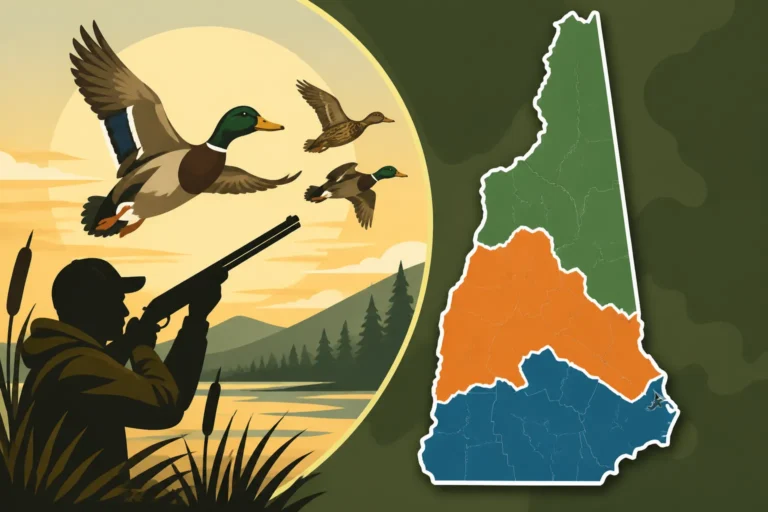
New Hampshire is divided into Wildlife Management Units, or WMUs, and moose permits are often issued for specific WMUs. This means that if you draw a permit for WMU A, you can only hunt in WMU A. You can’t just go wherever you please. This system allows the NHFG to manage moose populations more precisely across different regions of the state. Before applying, it's wise to research the New Hampshire's Eight Moose-Permit WMUs and understand the terrain and moose density in each, as this might influence your application choice. Once you have your permit, double-check your designated WMU and familiarize yourself with its boundaries. Understanding the nuances of a specific WMU, such as which areas tend to hold more moose or offer better access, can significantly impact your hunting strategy.
Post-Harvest Requirements and Ethics
Harvesting a moose is a momentous occasion, but the work doesn't stop once the animal is down. New Hampshire has strict reporting requirements. Typically, you'll need to register your moose with the NHFG within 24 hours of harvest. This often involves bringing the animal (or specific parts of it) to a designated registration station. These stations are crucial for the NHFG to collect biological data, which then feeds back into their management decisions for future seasons. Beyond the legal requirements, ethical considerations are paramount. This includes ensuring a clean, humane kill, making every effort to recover the animal, and respecting the resource. Whether it's Calling a Bull Moose Into Range or Getting a Moose Out on a Logging Road, every step of the hunt should be done with respect for the animal and the land. Being a responsible hunter means not only following the letter of the law but also upholding the spirit of conservation. GoHunt's mapping features can be invaluable for pinpointing registration stations or planning efficient extraction routes after a successful harvest.
Disclaimer
Please remember that hunting regulations, including season dates and lottery procedures, can change annually. Always consult the official New Hampshire Fish and Game Department website and the current year's hunting digest for the most accurate and up-to-date information before planning your hunt.