New Hampshire Youth Weekend Dates
Bringing a young hunter into the field for their first deer hunt is incredibly special, but trying to pin down all the dates and specific regulations for New Hampshire's youth weekends can be downright confusing. Parents and mentors often feel overwhelmed by the details. This guide aims to clear up all that uncertainty, providing you with everything you need to know about New Hampshire's Youth Deer Weekend dates for a safe, legal, and truly unforgettable experience for your young hunting partner.
Understanding New Hampshire's Youth Deer Weekend
The Youth Deer Weekend in New Hampshire is a fantastic opportunity, specifically designed to introduce younger generations to deer hunting in a controlled, educational, and exciting environment. It’s more than just an extra hunting season; it’s a dedicated period for mentorship, skill-building, and fostering a lifelong passion for the outdoors.
What is Youth Deer Weekend and Why Does it Matter?
This special weekend is specifically set aside for youth hunters, typically those between the ages of 12 and 15, to pursue deer before the general firearms season opens for adults. The primary goal is to provide a less pressured hunting experience, allowing young hunters and their mentors to focus on the nuances of deer hunting without the added competition or crowds often found during the main season. It’s a dedicated time for learning about tracking, woodsmanship, patience, and wildlife identification. For many seasoned hunters, introducing a youngster to the traditions of the hunt is as rewarding, if not more so, than harvesting a deer themselves. It validates the struggles parents and mentors face trying to find uncrowded opportunities or simply enough quiet time to teach without distraction. This weekend minimizes those distractions, offering a calmer, more focused learning environment.
Key Dates and Age Requirements for Participation
New Hampshire's Youth Deer Weekend typically takes place on the Saturday and Sunday immediately preceding the opening of the statewide firearms season. For instance, in 2023, the Youth Deer Weekend was October 21-22. While these dates tend to be consistent year-to-year, always double-check the current New Hampshire Fish and Game Department's Hunting & Trapping Digest or their official website to confirm the exact dates for the season you're planning for. Relying on outdated information can lead to disappointment or, worse, a violation.
To participate, youth hunters must typically be between the ages of 12 and 15, inclusive. They must also have successfully completed an approved hunter education course. This is a crucial requirement, not just a formality. The knowledge gained in these courses regarding firearms safety, ethical hunting practices, and wildlife conservation is foundational. You can find more information on these critical requirements by checking out the guide on New Hampshire Hunter Education Requirements. Additionally, youth hunters must be accompanied by a properly licensed adult mentor who is at least 18 years old. This mentor must hold a valid New Hampshire hunting license and cannot carry a firearm or bow while actively mentoring the youth hunter. The focus is entirely on the young hunter's experience.
Permissible Weapons and Deer Bag Limits
During the New Hampshire Youth Deer Weekend, youth hunters are permitted to use several types of weapons. This usually includes shotguns, muzzleloaders, and certain legal rifles. Archery equipment, including crossbows in legal WMUs, is also permitted. It’s important to ensure the weapon is appropriately sized and managed for the young hunter, focusing on comfort and safety over raw power. A .243 or 6.5 Creedmoor, for example, might be a good rifle choice for recoil management, while a 20-gauge shotgun is often a favorite.
The bag limit for the Youth Deer Weekend is typically one deer, which can be either antlered or antlerless, provided all other rules are followed. This generous bag limit offers a good chance for success, which is vital for maintaining a young hunter’s enthusiasm. Remember that antlerless deer permits are generally not required during the Youth Deer Weekend, making it simpler for participants. Always consult the current digest for any WMU-specific rules or exceptions, though the youth weekend usually maintains statewide consistency for simplicity.
Essential Rules and Regulations for Youth Hunters and Mentors
Hunting safely and legally is paramount, especially when introducing new hunters to the sport. New Hampshire has clear guidelines to ensure that youth hunting experiences are positive and adhere to responsible practices.
Licensing and Permits: What You Need Before Heading Out
Before you even think about stepping into the woods, proper licensing is a non-negotiable step. The youth hunter needs a specific New Hampshire Youth Deer License. This isn't just a reduced-cost version of an adult license; it's tailored for this specific demographic and set of regulations. The mentor, as mentioned, must hold a current New Hampshire hunting license. This could be a resident or nonresident license, depending on their status. For a deeper dive into the different options available, you might find our guide on New Hampshire Resident License Options helpful.
Many hunters find it convenient to use digital platforms like GoHunt for researching regulations, checking their local WMU rules, and even sometimes purchasing licenses. While always verifying with the official NH Fish and Game site, GoHunt can be a valuable tool for staying informed. It’s far better to spend a few extra minutes confirming requirements than to risk a fine or, worse, jeopardize a young hunter's legal standing. The Hunter Education card for the youth must also be carried, as proof of completion is a must-have.
Mandatory Mentorship and Safety Protocols
The mentor's role during the Youth Deer Weekend cannot be overstated. New Hampshire law mandates strict supervision. The mentor must remain at all times in immediate control and possession of the youth hunter's weapon when it is not being actively fired. This means the mentor should be close enough to physically take control of the firearm or bow at a moment's notice. They are also responsible for ensuring the youth hunter understands and follows all safety rules, from muzzle control to target identification. Think of it as hands-on, real-time instruction in the field.
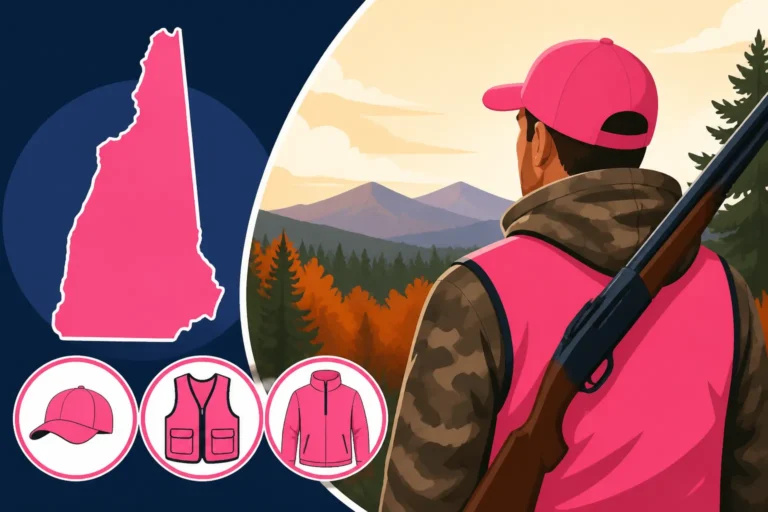
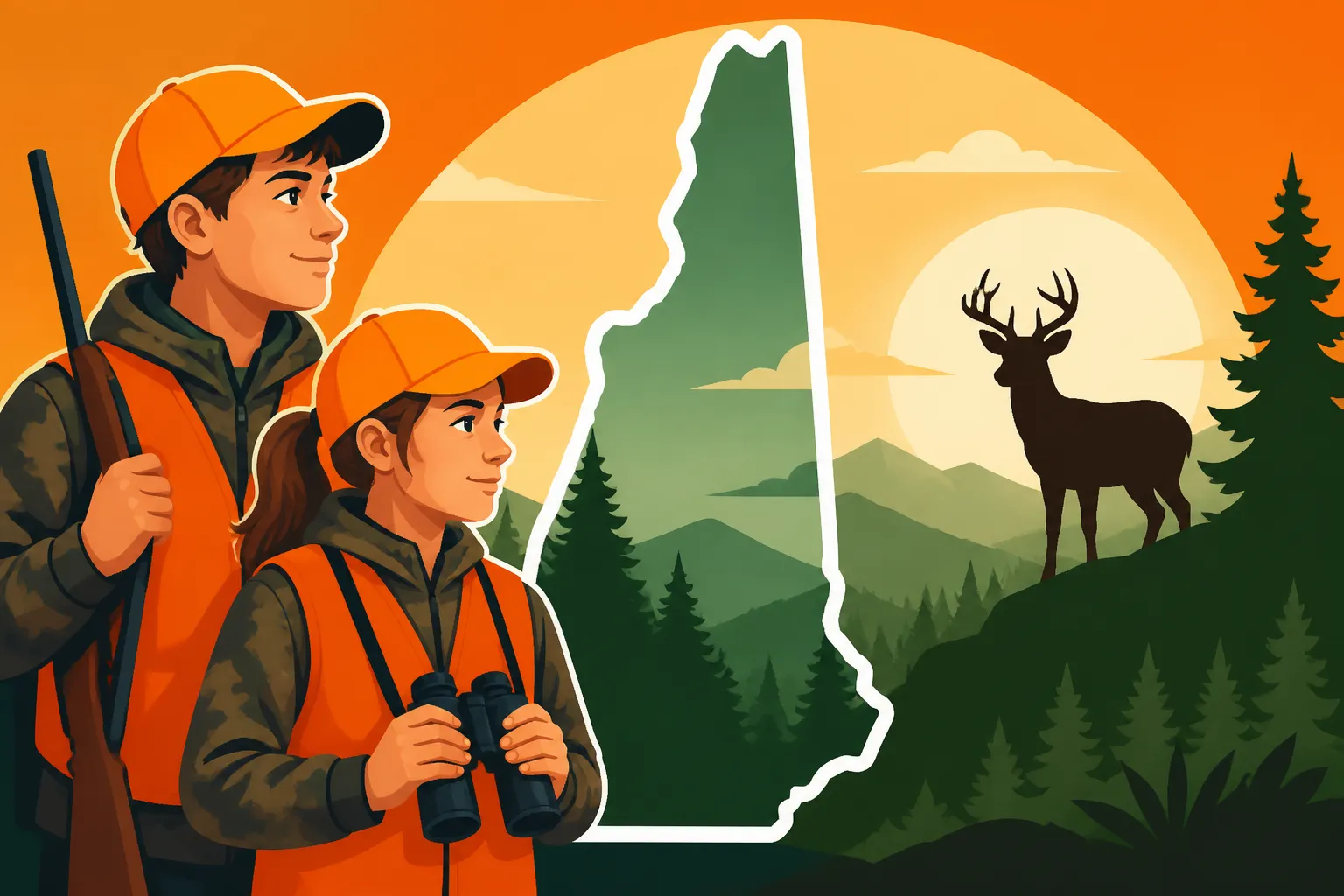
Blaze orange requirements apply to both the youth hunter and the mentor. This is a critical safety measure, ensuring visibility to other hunters (though traffic is usually minimal during this special weekend). Both individuals must wear at least 200 square inches of blaze orange material visible from all sides. Beyond the legal requirements, cultivating a strong culture of safety from the very beginning is key. This includes reviewing the four fundamental rules of firearm safety, practicing safe carries, and discussing shot placement and background checks for every potential shot. The mentor's calm demeanor and consistent reinforcement of these principles will make a lasting impression.
Deer Registration and Post-Harvest Requirements
Congratulations, your young hunter has harvested a deer! Now comes the critical step of proper registration. New Hampshire requires that all legally harvested deer be registered with the Fish and Game Department. This process is essential for wildlife management, providing biologists with crucial data on deer populations, health, and harvest rates. You can register a deer online through the New Hampshire Fish and Game website or in person at an authorized registration station. For detailed information on this process, refer to our guide on New Hampshire Deer Reporting Requirements. It’s important to note any specific deadlines for registration, usually within 12 or 24 hours of harvest, or before processing the deer.
It's also vital to be aware of New Hampshire's CWD prevention rules. Chronic Wasting Disease (CWD) is a serious concern for deer herds across North America, and New Hampshire is proud to remain CWD-free. To protect our deer, there are strict rules regarding the importation of certain deer carcass parts from other states. While less likely to affect youth hunters harvesting a deer within New Hampshire, it’s an important conservation measure to understand. Our article on New Hampshire's CWD Prevention Rules provides comprehensive information on this topic. Ensure your youth hunter understands why these rules exist – it's part of being a responsible steward of our wildlife resources.
Strategies for a Successful and Memorable Youth Hunt
The success of a youth hunt isn't solely measured by a harvested animal; it's about the entire experience, the lessons learned, and the memories created. Thoughtful preparation and mindful execution will lay the groundwork for a truly rewarding time afield.
Scouting and Preparation Leading Up to the Weekend
The groundwork for a successful youth hunt begins long before the actual weekend. Pre-season scouting is absolutely essential. Spend time with your young hunter in the woods, looking for deer sign: tracks, rubs, scrapes, and feeding areas. Focus on finding reliable food sources like acorn flats, apple orchards (if available), or browse in recent clearcuts. Identifying likely travel corridors between bedding and feeding areas will significantly increase your chances. This is a fantastic opportunity to teach them how to "read" the woods. For more in-depth scouting tips, check out our guide on Scouting New Hampshire Public Land Before Season.
Utilize mapping applications like GoHunt or OnX Hunt to identify public land access points, property boundaries, and terrain features that might funnel deer. This helps reduce uncertainty and frustration during the hunt itself. Beyond scouting, practical preparation is key. Spend time at the range, making sure the youth hunter is comfortable and proficient with their chosen weapon. Practice shooting from realistic hunting positions, not just off a bench. Involve them in every step of the process – from packing their gear to choosing stand locations. This ownership builds excitement and engagement, making the eventual hunt much more meaningful.
On-the-Ground Tactics and Ethical Hunting Practices
When the Youth Deer Weekend finally arrives, choosing the right hunting setup is crucial for success and comfort. For many young hunters, a well-placed ground blind can be a game-changer. It offers warmth, concealment, and the ability to move a little without being detected, which is often ideal for younger, less patient hunters. You can learn more about setting these up in our article on Using a Ground Blind on Public Land. If a treestand is used, ensure it's safe, comfortable, and that the youth is properly secured with a full-body harness. Location selection should prioritize safety, a clear shooting lane, and a high probability of deer movement.
Patience is a virtue in deer hunting, and it's something young hunters need to learn. Manage expectations by emphasizing the experience over the outcome. Bring snacks, drinks, and maybe even a book or a small quiet game for downtime in the stand. Teach them ethical shot placement, focusing on the vital organs for a quick, humane harvest. Discuss trailing techniques beforehand, so they understand the importance of waiting and carefully following a blood trail, should the deer not drop in sight. Our guide on Blood Trailing After Dark in New Hampshire provides excellent insights for those critical moments after the shot.
Beyond the Harvest: Learning and Legacy
Ultimately, the Youth Deer Weekend is about building a legacy. If a deer is harvested, celebrate the moment, but emphasize that the journey and the lessons learned are just as important as the outcome. Involve the youth in the field dressing process, if they are willing and able. This is a vital part of understanding where our food comes from and respecting the animal. Talk about the animal's biology, its role in the ecosystem, and the importance of conservation.
If a deer isn't harvested, it's an opportunity to teach resilience and how to learn from the experience. Discuss what you saw, what you might do differently next time, and how even an "unsuccessful" hunt is still a day spent in nature, connecting with the wild. Teach them about preparing the meat, cooking venison, and sharing the bounty with family and friends. These experiences are what truly forge a lifelong bond with hunting and the outdoors, passing down traditions that connect generations.
Additional Youth Hunting Opportunities in New Hampshire
While the Youth Deer Weekend is a highlight, it's not the only opportunity for young hunters to get afield in New Hampshire. The state offers several other youth-specific seasons for various game species, further cementing the tradition.
Youth Waterfowl Weekend
New Hampshire also hosts a dedicated Youth Waterfowl Weekend, providing young duck and goose hunters with an exclusive opportunity to hunt migratory birds. Similar to the deer weekend, this season usually takes place before the general waterfowl season opens, offering a less crowded experience and a focused learning environment. Dates and specific species limits will vary each year and by waterfowl zone (Inland vs. Coastal), so always consult the latest digest. This is an excellent way to introduce young hunters to decoy spreads, calling techniques, and the excitement of a morning duck hunt. You can find more comprehensive details by exploring our resource on New Hampshire Youth Waterfowl Weekend.
Youth Turkey Hunting
Wild turkeys provide another thrilling opportunity for youth hunters in New Hampshire, both in the spring and fall seasons. While there isn't typically a separate "youth-only" weekend in the same vein as deer or waterfowl, specific youth age requirements and licensing apply when they participate during the regular spring and fall turkey seasons. In the spring, youth often have the chance to experience the excitement of calling in a gobbler, while the fall offers different tactics like breaking up flocks. Learning to differentiate between hens and gobblers, understand turkey behavior, and master various calls are all part of the fun. For detailed dates and regulations for spring hunting, our Spring Turkey Hunting in New Hampshire guide is a great place to start. Similarly, for information on hunting turkeys in the autumn, refer to Fall Turkey Hunting New Hampshire's Eight WMUs.
Small Game Opportunities
Beyond big game and waterfowl, New Hampshire's small game species offer abundant opportunities for youth hunters throughout the year. Squirrels, rabbits, grouse, and snowshoe hare are excellent quarry for beginners. These hunts often involve less intense sitting and more active stalking or still-hunting, which can be ideal for shorter attention spans. Youth hunters can participate in these seasons with the appropriate licenses during the general small game seasons. It teaches them woodsmanship, patience, and marksmanship without the pressure of a larger animal. From chasing squirrels through granite hardwoods, as detailed in Squirrel Hunting New Hampshire Hardwoods, to pursuing snowshoe hare in dense thickets, small game hunting is a fantastic way to develop foundational hunting skills. You can also explore the broader world of small game hunting in our article on New Hampshire Small Game and Predator Hunting in New Hampshire.
New Hampshire Youth Deer Weekend Overview
Here’s a quick summary of the typical details for New Hampshire's Youth Deer Weekend. Remember to always consult the current NH Fish and Game Hunting & Trapping Digest for the most up-to-date and official information.
| Category | Typical Details |
|---|---|
| Dates | Saturday & Sunday immediately preceding the statewide firearms season opener (e.g., Oct 21-22, 2023) |
| Age Requirement | 12-15 years old (inclusive) |
| Hunter Education | Mandatory completion of an approved NH Hunter Education Course |
| Mentorship | Required; licensed adult (18+) must be in immediate control and cannot carry a weapon. |
| Weapon Types | Shotguns, muzzleloaders, legal rifles, archery equipment (including crossbows in legal WMUs) |
| Bag Limit | One deer (antlered or antlerless); no antlerless permit typically required |
| Blaze Orange | Required for both youth hunter and mentor (200 sq. inches visible) |
| Registration | Mandatory, online or in-person, within specified timeframe (e.g., 24 hours) |
| Primary Goal | Introduce youth to hunting safely, ethically, and enjoyably with a mentor |
Disclaimer
Please be aware that hunting regulations, dates, and licensing requirements can change. While this guide provides comprehensive information, it is crucial to consult the official New Hampshire Fish and Game Department's website or the current Hunting & Trapping Digest for the most accurate and up-to-date regulations before participating in any hunting activity. Failure to comply with all laws and regulations can result in fines or penalties.