New Hampshire Youth Waterfowl Weekend Dates
It can feel incredibly overwhelming trying to keep track of all the different hunting seasons here in New Hampshire, especially when you're trying to introduce a young hunter to the passion of waterfowl. The youth waterfowl weekend is a fantastic opportunity, but figuring out the exact dates, understanding the specific rules, and ensuring everything is in order can feel like navigating a maze. This comprehensive guide is designed to cut through that confusion, giving you all the details you need to confidently plan an unforgettable youth waterfowl hunting experience in the Granite State.
The Opportunity: What is New Hampshire's Youth Waterfowl Weekend?
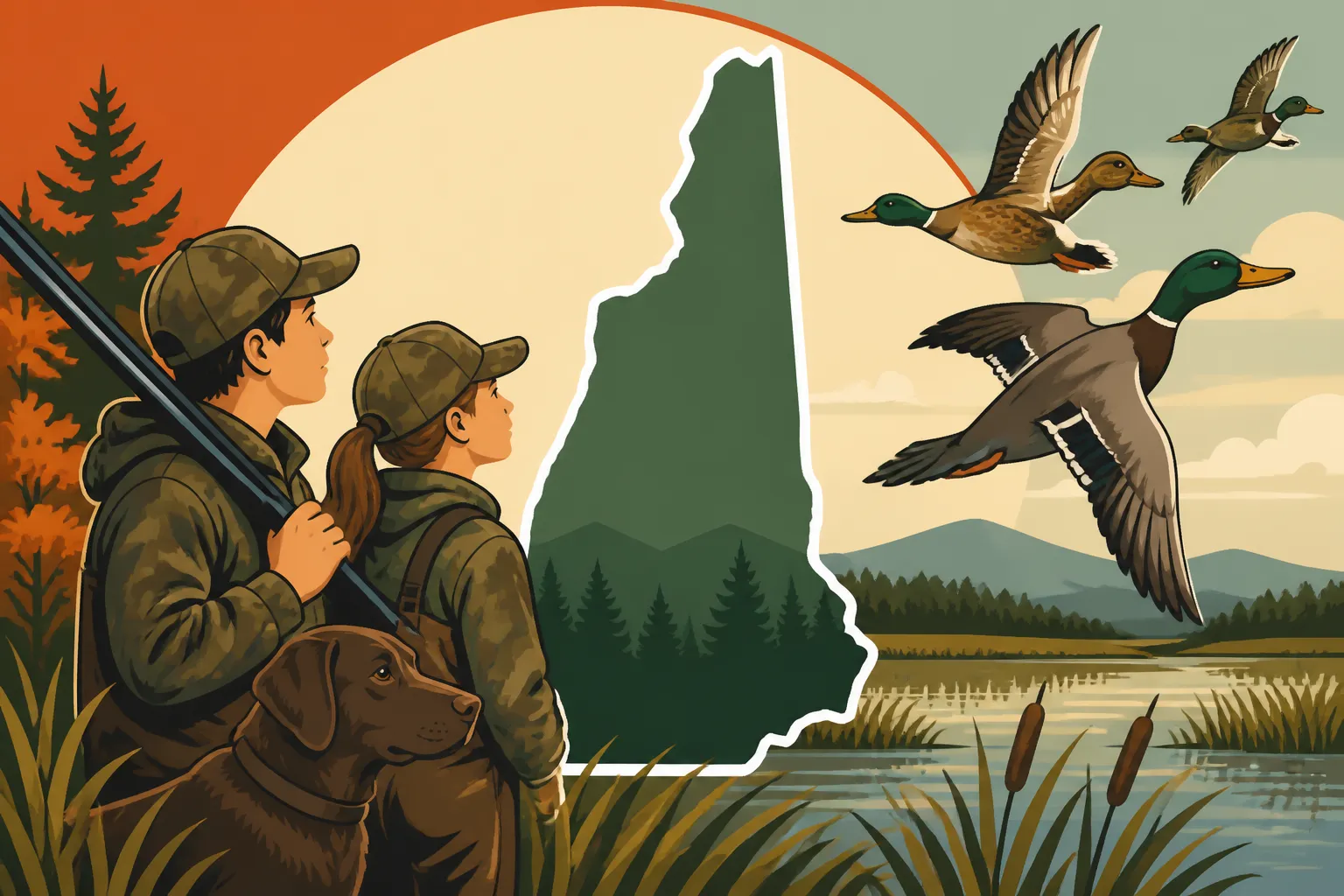
There’s nothing quite like the crisp air of a New England fall morning, the distant honk of geese, or the whistling wings of mallards as they cup into decoys. For many of us, these are cherished memories built over years of early mornings and cold blinds. New Hampshire’s Youth Waterfowl Weekend is a truly special event, specifically designed to introduce the next generation to this incredible tradition in a low-pressure, supportive environment. It’s not just another hunting day; it’s a dedicated window created to foster enthusiasm, teach ethics, and build skills in young hunters without the competition and intensity of the regular season opener.
This isn't just a slightly earlier start to the regular season. This is a unique opportunity set aside by the New Hampshire Fish and Game Department, often preceding the full season by several weeks. Think about it: fewer adult hunters in the field, often more naive birds, and a focus purely on the youth experience. It allows mentors to really concentrate on teaching proper gun handling, decoy spreads, calling techniques, and most importantly, the ethics of fair chase and responsible hunting. It’s about building a foundation, making positive memories, and instilling a love for the outdoors that will last a lifetime. For a young hunter, being out there before the "big" season begins can be an incredibly empowering feeling, giving them a sense of ownership over their hunt.
Navigating the Dates and Zones for Young Waterfowlers
One of the biggest hurdles for any hunter, young or old, is keeping up with the constantly shifting season dates. Waterfowl seasons, in particular, can be intricate, often split into multiple segments and dictated by migratory patterns and population assessments. The New Hampshire Youth Waterfowl Weekend dates are set annually by the New Hampshire Fish and Game Department, often aligning with federal frameworks. It’s absolutely critical to consult the most current hunting digest or the official NH Fish and Game website each year, as dates can shift slightly.
Typically, this special youth hunt falls on a Saturday in late September or early October. This timing is intentional, chosen to coincide with the early migration of some puddle ducks and resident geese, offering good opportunities before the main wave of colder weather migrants arrive. While New Hampshire does have specific New Hampshire Waterfowl Season and Zones for its regular seasons – the Inland Zone and the Coastal Zone – the Youth Waterfowl Weekend is generally a single statewide day, or at least covers the majority of the state under consistent rules, simplifying things for youth and their mentors. You won’t usually need to worry about being in the "right" zone for the youth day itself, but it’s always wise to double-check the latest regulations. Knowing the overall zone structure is still useful for understanding the broader waterfowl season calendar and how this youth hunt fits in.
Here's a general idea of how it often shakes out, though remember, always verify the exact dates for the current year:
Typical New Hampshire Youth Waterfowl Weekend Structure
| Zone/Type | Typical Month | Day of Week | Notes |
|---|---|---|---|
| Youth Waterfowl Weekend | Late September/Early October | Saturday | Statewide or nearly statewide, precedes regular season. |
| Regular Inland Zone Opener | Early October | Varies | Follows youth hunt, longer duration. |
| Regular Coastal Zone Opener | Early October | Varies | Follows youth hunt, often slightly different dates/limits. |
When you're planning, a resource like GoHunt can be invaluable for cross-referencing dates, especially if you're trying to coordinate with other hunting activities or school schedules. The convenience of having up-to-date information at your fingertips can make all the difference in ensuring you don't miss this prime opportunity.
Essential Rules and Eligibility for Youth Hunters
Getting a young person into hunting is a fantastic endeavor, but it comes with a responsibility to understand and adhere to all the regulations. The New Hampshire Youth Waterfowl Weekend has specific eligibility requirements and rules designed to ensure safety and ethical hunting practices. It’s not just about showing up with a shotgun; it’s about proper preparation and legal compliance.
First and foremost, the youth hunter must possess the appropriate licenses. This includes a valid New Hampshire hunting license and a youth waterfowl permit, which is typically free or low-cost for eligible young hunters. Additionally, while the youth hunter themselves might not need a federal duck stamp, the adult mentor accompanying them will need one if they are over 16 years old. Both the youth and the mentor are required to have New Hampshire HIP Certification for Bird Hunters, a federal requirement for all migratory bird hunters. You can usually get this when you purchase your state license. It's an easy process but one that's often overlooked by new bird hunters.
Age restrictions are also clear. Generally, the youth waterfowl weekend is open to hunters 15 years of age or younger. They must be accompanied by a licensed adult hunter who is at least 18 years old. This mentor cannot carry a firearm or hunt migratory birds during the youth hunt, but they can carry non-firearm equipment, assist with calling, setting decoys, and retrieving birds. This mentorship rule is key: it ensures direct supervision, guidance, and an added layer of safety in the field. It’s about teaching, not competing. Young hunters must also have completed a certified New Hampshire Hunter Education Requirements course, which is a foundational aspect of safe and responsible hunting in the state.
Bag limits for the youth weekend can sometimes differ slightly from the regular season, or they might be identical. It's common for the youth bag limit to be the same as the daily bag limit for the regular season, which for ducks is often six, but with specific species restrictions within that total (e.g., no more than two mallard hens, one black duck). Canada geese also have their own bag limits, so consulting the current New Hampshire Duck and Goose Bag Limits section of the digest is non-negotiable. Don't rely on last year's memory; always check. This attention to detail teaches young hunters the importance of regulations and conservation.
Making the Most of Your Youth Waterfowl Hunt
Preparation is key to a successful and enjoyable youth waterfowl weekend. It’s not just about the morning of the hunt; it’s about the weeks and even months leading up to it. This is where you can truly teach patience, scouting, and respect for the game and the habitat.
One of the most important steps is scouting. This means spending time before the season observing duck and goose activity in local ponds, rivers, and marshes. Where are they feeding? Where are they loafing? What are their flight patterns? Tools like GoHunt can help you identify potential public land access points and understand land ownership, but boots on the ground observation is irreplaceable. Think about local spots like the Connecticut River bottomlands or specific marshy areas that tend to hold birds. Check out our guide on Scouting New Hampshire Public Land Before Season for some ideas on how to approach this effectively. The more you scout, the higher your chances of success, and the more valuable lessons you impart to your young hunter.
Gear choice is also essential, especially given New Hampshire's unpredictable early fall weather. Layering is always smart. Even a "warm" September morning can turn chilly quickly, especially when sitting still near water. Warm, waterproof boots and Best Waders for Connecticut River Duck Hunting are a must. Decoys don't have to be fancy; a half-dozen mallard and a few goose decoys can be enough for a youth hunt. A comfortable seat, a reliable firearm (appropriate for the youth's size and recoil tolerance, often a 20-gauge shotgun), and plenty of non-toxic shot are critical. Make sure the youth has practiced extensively with their firearm before the hunt. Safety is paramount, and familiarity builds confidence.
When it comes to the hunt itself, focus on the experience, not just the harvest. Set realistic expectations. Talk through scenarios: what to do if birds decoy perfectly, what if they flare, what if you miss? Emphasize calling techniques – even if you do most of the calling, let the youth try. Consider how you'll set up your spread; a simple J-hook or U-shape can be very effective for Decoying Ducks on New Hampshire's Connecticut River or smaller ponds. If you're hunting open fields, perhaps a simple layout blind might be worth exploring, as discussed in our Layout Blind Hunting a Northern Zone Field article. The goal is to make it fun, educational, and safe. The memories of watching the sunrise over a quiet marsh with their mentor, listening to the sounds of nature, will likely outlast any specific bird count.
Disclaimer
The information provided in this guide is for general informational purposes only and is not intended as legal advice. Hunting regulations, dates, and requirements are subject to change by the New Hampshire Fish and Game Department and federal authorities. Always consult the most current official New Hampshire hunting digest or the NH Fish and Game website directly before planning any hunting trip to ensure compliance with all applicable laws and regulations.