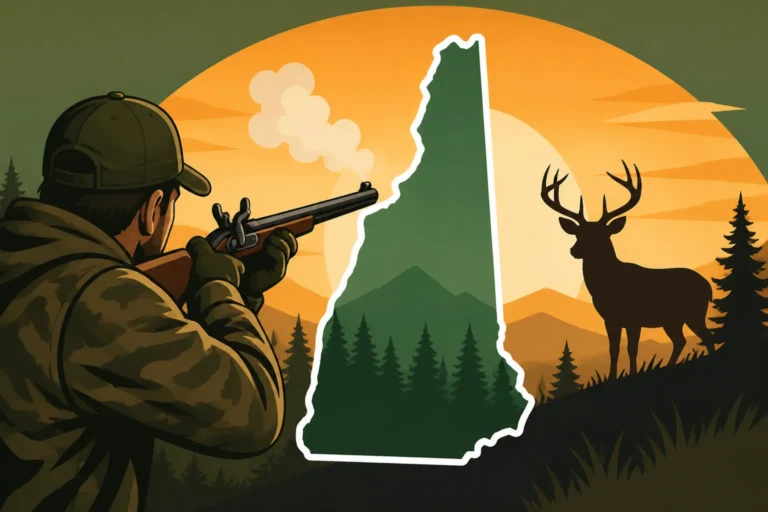
Taking New Hampshire Hunter Education Online
It can feel like a real challenge to carve out time for hunter education, especially with busy schedules, work, and family commitments always pulling us in different directions. Many aspiring hunters in New Hampshire find themselves wondering if there's a more flexible path to earning their certification without sacrificing entire weekends. This comprehensive guide is here to walk you through everything you need to know about taking New Hampshire's hunter education online, ensuring you understand the process, requirements, and what to expect so you can get out in the field safely and responsibly.
The Growing Need for Hunter Education in New Hampshire
Hunting is a deeply rooted tradition here in the Granite State, passed down through generations. But even if you grew up around hunting, formal hunter education is more important than ever. It's not just about passing a test; it's about fostering a culture of safety, ethical conduct, and responsible stewardship that benefits everyone.
Why Hunter Education Matters More Than Ever
In today's world, where more and more people are enjoying New Hampshire's incredible outdoors, the actions of every hunter have a greater impact on how our sport is perceived. Hunter education courses are designed to instill a rock-solid foundation in firearm safety, wildlife identification, conservation principles, and ethical decision-making. We're talking about learning how to handle a firearm safely in all situations, understanding shot placement for humane harvesting, and respecting the land and other outdoor users. It helps to prevent accidents, which, thankfully, are becoming rarer thanks to these programs, but every single incident is one too many.
Beyond safety, there’s the crucial element of ethics. Hunter education guides you through situations you might encounter in the field, helping you make sound judgments that uphold the integrity of hunting. This includes understanding fair chase principles, respecting private property, and knowing how to interact with non-hunters you might encounter. It’s about being a good ambassador for the sport, ensuring that future generations can continue to enjoy hunting in New Hampshire. These lessons become deeply ingrained, fostering responsible behavior that extends far beyond the hunting season. Knowing the ropes helps you stay safe, but it also prepares you to face the unpredictable nature of hunting, whether you're learning about the proper way to handle game after the shot or understanding how to read the landscape.
Who Needs to Take Hunter Education in New Hampshire
New Hampshire has clear guidelines on who needs to complete a certified hunter education course before they can purchase a hunting license. Generally speaking, anyone who was born after January 1, 1987, must successfully complete an approved hunter education course to obtain any New Hampshire hunting license. This rule applies across the board, whether you're planning on chasing whitetails, pursuing turkeys, or heading out for small game.
There are a few exceptions, though. For instance, if you’re a New Hampshire resident and have previously held an equivalent hunting license from another state, province, or country, you might be exempt. However, it's always best to check with the New Hampshire Fish and Game Department directly to confirm your specific situation, as rules can sometimes have nuances. Another significant exemption is for those participating in the state’s New Hampshire Mentored Youth Hunting Rules program. This allows young, aspiring hunters, under strict supervision of a licensed adult mentor, to gain experience in the field before they've completed their own hunter education course. It’s a fantastic way to introduce new hunters to the sport safely, under the watchful eye of an experienced hand, giving them a taste of what it’s all about before committing to the full certification process. However, even these mentored youth will eventually need to complete the full course to hunt independently.
Navigating New Hampshire's Online Hunter Education Course
The advent of online learning has made hunter education much more accessible for many. New Hampshire offers approved online courses that cover the classroom portion, but it’s crucial to understand that an in-person component is still required. This blended approach ensures you get both the theoretical knowledge and the hands-on practical skills needed to be a safe and effective hunter.
Approved Online Providers and Course Structure
When you decide to take your New Hampshire hunter education online, you'll need to go through a New Hampshire Fish and Game Department-approved provider. These aren't just any random websites; they are specifically vetted to ensure they meet the state's rigorous curriculum standards. Reputable providers include "Today's Hunter" by Kalkomey and "HunterCourse.com," both of which are widely recognized and utilized across various states. These platforms typically break down the course material into several self-paced modules. You'll cover everything from firearm types and safe handling to wildlife identification, game care, survival skills, and ethical hunting practices specific to New Hampshire.
Each module usually includes interactive lessons, videos, and quizzes to test your understanding as you go. The beauty of the online format is that you can tackle these modules whenever and wherever it's most convenient for you – during lunch breaks, after the kids are asleep, or on a slow Saturday morning. You can pause, rewind, and review material as many times as you need, ensuring you fully grasp the concepts before moving on. While these online platforms provide excellent foundational knowledge, remember that this is only half the journey to becoming fully certified in New Hampshire. You'll still need to put those theoretical skills into practice during a mandatory in-person field day.
What to Expect: Online Learning vs. Field Day
The online portion of New Hampshire hunter education covers the academic side, immersing you in detailed information about regulations, safety, and ethics. You'll learn about New Hampshire Legal Firearms for Deer Hunting, safe zones of fire, shot angles, and how to identify different species. This theoretical groundwork is essential, but it doesn't replace the practical, hands-on experience. That's where the field day comes in. After completing the online modules and passing the final online exam, you'll receive a completion certificate for the online portion. This certificate is your ticket to enrolling in a New Hampshire Hunter Education Field Day.
The field day is a mandatory, in-person session designed to evaluate your practical skills and ensure you can apply the knowledge gained online in a real-world setting. It typically involves hands-on firearm handling drills, shooting proficiency tests, discussions on ethical hunting scenarios, and demonstrations of various safety techniques like proper treestand setup. It’s a chance to interact with experienced instructors and ask questions that might not have been fully answered in the online material. The field day is usually a single-day event, but it's intense and packed with critical information. Don't underestimate its importance; you must pass this component to earn your full New Hampshire Hunter Education certification.
Preparing for Your Field Day Experience
To make the most of your field day and ensure a successful outcome, preparation is key. First and foremost, thoroughly review all the material from your online course before attending. While the online modules provide a solid foundation, instructors at the field day will be assessing your ability to apply that knowledge. You'll want to be fresh on topics like safe firearm carries, proper muzzle control, and understanding safe shooting lanes.
You'll typically be expected to bring certain items to the field day. This often includes eye and ear protection, appropriate clothing for the weather (which in New Hampshire can change rapidly, even in fair weather), and your online completion certificate. Some field days might require you to bring your own firearm (unloaded and cased, of course), while others provide them. Always confirm these details with the specific field day coordinator beforehand. Instructors will evaluate your ability to safely load, unload, and handle firearms, demonstrate responsible behavior in various hunting scenarios, and make ethical decisions. They might present you with hypothetical situations, like encountering another hunter in the woods or tracking a deer in fresh snow, and ask you how you would react. Familiarity with New Hampshire's specific hunting regulations, like the New Hampshire Blaze Orange Requirements, will also serve you well. Being prepared means you can focus on demonstrating your skills and absorbing the practical insights from the instructors, rather than scrambling to recall facts.
Benefits and Challenges of Online Hunter Education
Choosing the online route for your New Hampshire hunter education offers some significant advantages, primarily in terms of flexibility. However, it also comes with its own set of challenges, particularly when it comes to the mandatory in-person field day. Understanding both sides will help you approach the process with confidence.
The Flexibility of Online Learning
Without a doubt, the biggest draw of online hunter education is the flexibility it offers. Life in New Hampshire can be busy, whether you're juggling work, family, or other outdoor pursuits. A traditional, multi-day in-person classroom course might simply not fit into your schedule. The online option allows you to learn at your own pace, on your own time, from the comfort of your home in Manchester, Concord, or even up in the North Country. If you're a night owl, you can study late. If you're an early bird, you can knock out a module before the sun rises.
This self-paced nature means you can dedicate more time to topics you find challenging and quickly move through areas you already understand. It removes the pressure of keeping up with a set classroom schedule, allowing for deeper comprehension. For many, this flexibility is the only way they can realistically complete the hunter education requirement. It opens the door for more people to pursue hunting, fostering a new generation of responsible outdoor enthusiasts. Imagine fitting in lessons while commuting or during a quiet evening, rather than committing precious weekend days. This adaptability is truly invaluable.
Overcoming the Field Day Hurdle
While the online portion is incredibly convenient, the mandatory field day can present a challenge for some. Unlike the online modules, field days are scheduled events with limited spots, often held only on specific weekends in various locations across the state. Finding a field day that aligns with your schedule and is geographically convenient can sometimes feel like a wild goose chase. Some popular locations fill up quickly, especially during peak seasons.
This means you need to plan ahead. As soon as you complete your online course, start looking for available field day dates and locations on the New Hampshire Fish and Game website. Don't procrastinate, as waiting too long could mean delays in getting your certification, potentially pushing you past the start of the hunting season. If you live in a more remote area, you might need to factor in travel time to a larger town or city where field days are more frequently offered. Be persistent, and be prepared to be flexible with your schedule if you want to get that certification in hand. Websites like GoHunt often provide valuable resources for planning future hunts, but it's the official NH Fish and Game channels that will have the most current information on field day availability.
Real-World Application and Ethical Foundations
The blended approach of online learning and a mandatory field day is designed to offer the best of both worlds. The online modules ensure that every student receives a consistent, high-quality education on the fundamental principles of hunting. But it's the field day that truly cements that knowledge with practical application. You can read about firearm safety all day long, but nothing beats handling a firearm under the direct supervision of an experienced instructor, learning proper stance, aiming, and trigger control.
This hands-on component is critical for building confidence and ensuring that safety protocols become second nature. It also provides a space for discussing complex ethical situations, something that's much harder to do effectively through a purely online medium. Instructors can facilitate discussions, share real-life scenarios, and help students develop a strong ethical compass. This holistic approach ensures that certified hunters are not only knowledgeable but also responsible, safe, and respectful in the field, ready to uphold the traditions of New Hampshire hunting. Many hunters also rely on tools like onX Layers for New Hampshire Land Status when planning their hunts, and understanding how to apply that knowledge safely and ethically is part of what the field day imparts. It truly bridges the gap between theory and the realities of being in the woods.
| Feature | Online Course Portion | Field Day Portion |
|---|---|---|
| Format | Self-paced, modular, interactive lessons, quizzes | In-person, hands-on, instructor-led, practical tests |
| Location | Anywhere with internet access (home, library, etc.) | Designated shooting ranges or outdoor facilities |
| Duration | Varies by individual (typically 6-10 hours of content) | Usually 1 full day (6-8 hours) |
| Content Focus | Theory, regulations, wildlife ID, ethics, survival | Firearm handling, shooting proficiency, safety drills, scenario practice |
| Certification | Online completion certificate (not full certification) | Full New Hampshire Hunter Education Certificate |
| Cost | Typically $19-$30 (paid to online provider) | Often free (some may have small admin fees) |
| Prerequisite | None | Online completion certificate |
Disclaimer
The information provided in this guide is for general informational purposes only and does not constitute legal advice. While we strive to keep the information up-to-date and correct, hunting regulations, requirements, and course availability in New Hampshire can change. It is always the responsibility of the individual hunter to verify all current rules, regulations, and licensing requirements directly with the New Hampshire Fish and Game Department before engaging in any hunting activities.