New Hampshire Carcass Import Restrictions
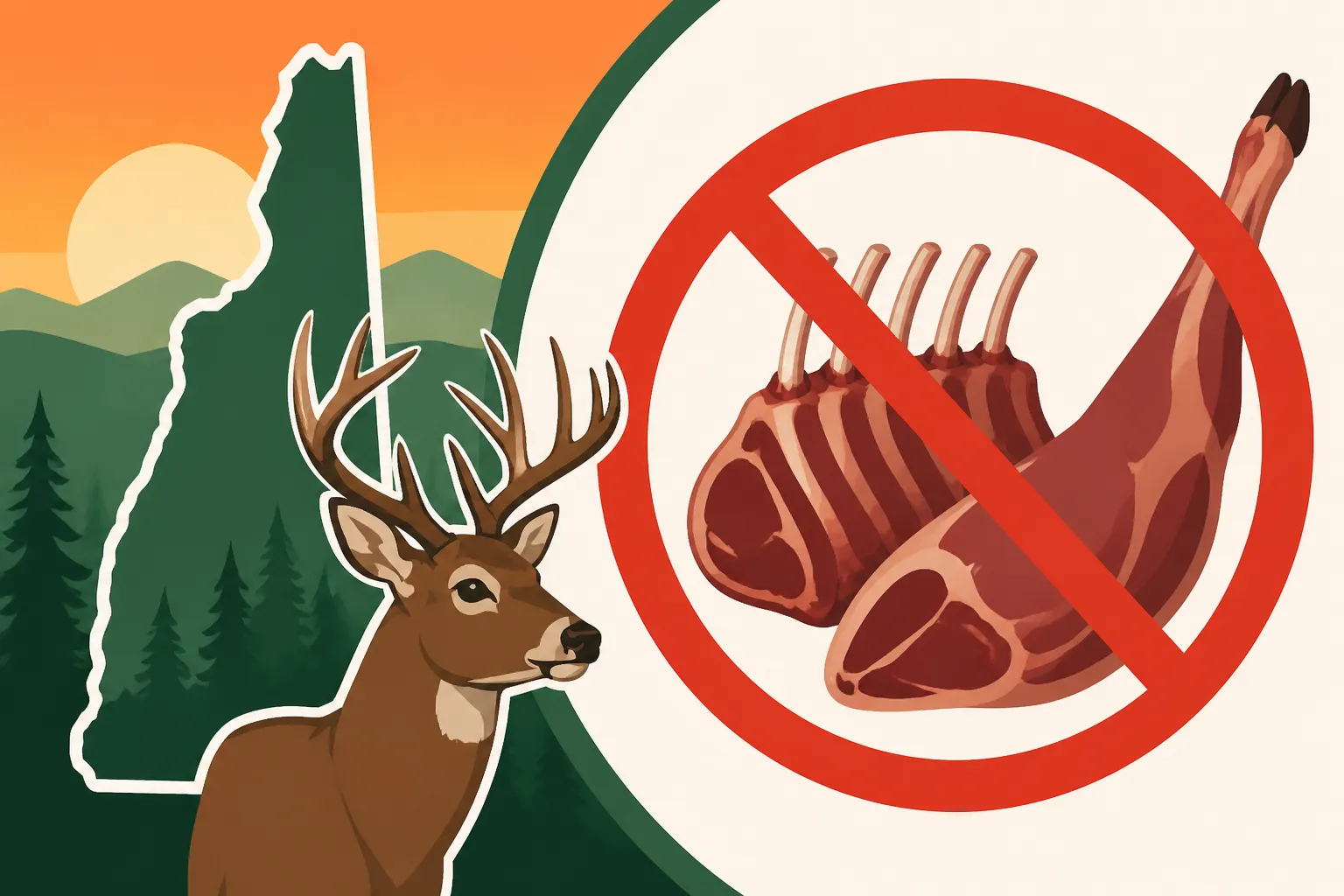
Bringing a prized deer, moose, bear, or turkey carcass back to New Hampshire after a successful hunt out of state can be incredibly exciting, but the journey home can quickly turn into a headache if you’re not up to speed on the Granite State’s carcass import restrictions. It's frustrating to navigate differing state laws, and the last thing any hunter wants is to face issues at the border or unknowingly put New Hampshire’s wildlife at risk. This guide will walk you through exactly what you need to know to transport your harvest legally and safely, ensuring you protect our beloved local herds from devastating diseases.
The Core Reason for Restrictions: Chronic Wasting Disease (CWD)
At the heart of New Hampshire's strict carcass import regulations is a serious concern: Chronic Wasting Disease, or CWD. It's not just a buzzword in wildlife circles; it's a real, tangible threat that could decimate our deer and moose populations if it ever took hold here. Understanding CWD is the first step to appreciating why these rules are so vital.
Understanding CWD and its Threat
Chronic Wasting Disease is a fatal, neurological disease that affects cervids, which include deer, elk, moose, and reindeer. It's caused by abnormal proteins called prions, similar to mad cow disease in cattle. Once an animal is infected, these prions slowly accumulate in the brain and other nervous tissues, leading to progressive neurological degeneration. The symptoms are grim: severe weight loss, listlessness, abnormal behavior, and ultimately, death. There's currently no vaccine or cure, making it a particularly terrifying prospect for wildlife managers and hunters alike.
The scariest part about CWD is how incredibly persistent and transmissible these prions are. They can shed through saliva, urine, and feces, contaminating the environment for years, even decades. This means that if an infected animal dies in a particular area, the soil and vegetation can become a source of infection for other cervids who graze there. The thought of bringing an infected carcass part into New Hampshire, even unknowingly, and potentially contaminating our pristine woods, is a nightmare scenario that Fish and Game works tirelessly to prevent. You can learn more about New Hampshire's CWD Prevention Rules and why they're so critical.
New Hampshire's CWD-Free Status and the Desire to Keep It That Way
Right now, New Hampshire is one of a dwindling number of states in the Northeast that remains CWD-free. This isn't just luck; it's the result of vigilant monitoring, testing, and, yes, these very carcass import restrictions. Our wildlife officials, with the support of hunters, are dedicated to maintaining this status because the consequences of CWD arriving would be catastrophic for our deer and moose.
Imagine the impact on hunting if CWD were to spread through our region. The joy of White-Tailed Deer Across New Hampshire or chasing Moose in New Hampshire's North Country could be severely diminished. Beyond hunting, there would be significant ecological and economic repercussions. Our healthy deer and moose herds contribute to forest health and provide vital tourism and recreational dollars. Losing them to CWD would be a blow to both our natural heritage and our local economies. That's why every single hunter, whether resident or nonresident, plays a crucial role in safeguarding New Hampshire's wildlife by understanding and adhering to these rules. The continued efforts in New Hampshire's CWD Surveillance Program are a testament to this commitment.
What You Can and Cannot Bring Into New Hampshire
When planning your out-of-state hunt, especially if you're venturing to areas known to have CWD, knowing exactly what carcass parts are restricted and what can legally cross the New Hampshire border is paramount. This isn't a game of chance; it's about being informed and prepared.
Restricted Carcass Parts from CWD-Positive States/Provinces
New Hampshire's regulations are very clear: certain high-risk carcass parts from cervids harvested in any state or province that has documented CWD are strictly prohibited from entry. The reason is simple: these are the parts where CWD prions are most concentrated. This list typically includes:
- Whole carcasses: You cannot bring an entire deer, moose, or elk carcass into New Hampshire if harvested in a CWD-positive area.
- Brains and spinal cords: These nervous system tissues are primary sites for prion accumulation.
- Eyes: Another part with high risk of prion presence.
- Lymph nodes and spleen: These lymphoid tissues are also key areas for CWD prions.
- Internal organs: This generally includes most viscera.
The underlying principle here is to prevent any high-risk material from entering our state. It's not just about stopping a whole animal; it's about preventing any part that could harbor the disease from making its way here. It's always a good idea to check the most current list of CWD-positive states and provinces directly on the New Hampshire Fish and Game Department website before you travel. These lists can change, and what was considered clear last year might not be this year. This is where resources like GoHunt can be invaluable, as they often have updated regulations for various states, but always cross-reference with the official state wildlife agency.
Permitted Carcass Parts and Processed Meat
While the list of restricted items might seem daunting, there are plenty of ways to bring your harvest home legally from a CWD-positive area. The key is processing. New Hampshire allows the importation of:
- Deboned meat: This is the most common and safest way. All meat must be removed from the bone.
- Clean hides: Hides must be fully cleaned of all tissue, fat, and brain matter.
- Skull caps with antlers: The skull cap must be completely free of brain and nervous tissue. This often involves cleaning it thoroughly, perhaps even boiling or pressure washing.
- Antlers: If completely detached from the skull, antlers are generally fine.
- Teeth: Individual teeth, free of tissue, are also permissible.
- Finished taxidermy mounts: Once an animal is fully processed and mounted by a taxidermist, it is considered safe.
- Bones that are cleaned and dried: Similar to hides and skull caps, bones must be free of all meat and tissue.
The logic behind these exceptions is that these specific parts, when properly cleaned and processed, pose a significantly lower, or even negligible, risk of CWD transmission. By taking the time to properly field dress and process your animal at the harvest site or at a licensed facility in the state you hunted, you're not only complying with New Hampshire law but also actively participating in preventing the spread of this terrible disease. Understanding the proper steps for Field Dressing a Deer in Cold Weather or Butchering a Deer at Camp can be incredibly helpful for preparing your harvest for legal transport.
Navigating the Rules: Practical Advice for Hunters
Understanding the "what" is one thing, but knowing "how" to manage your harvest to comply with New Hampshire's import restrictions is where the rubber meets the road. It requires careful planning and execution, especially when you're out in the field.
Field Dressing and Processing Considerations
The moment you harvest a cervid in a CWD-positive state, your priority shifts from hunting to responsible processing. The best practice, without a doubt, is to do as much processing as possible right there at the harvest site or at a local facility in that state before you even think about driving towards New Hampshire.
This means being prepared to field dress your animal thoroughly, removing all entrails. More importantly, it means being ready to debone the meat. Pack a sharp knife, game bags, and perhaps even a portable bone saw if you're truly dedicated. Deboning removes the meat from the high-risk skeletal elements like the spine and ribs. You'll want to bone out all the muscle tissue, leaving the spine, brain, and other prohibited parts in the state where the animal was harvested. Some hunters opt to take their animal to a local, licensed processor in the state they hunted. These facilities are often well-versed in their state's export laws and neighboring states' import laws, and can process your animal into legal, deboned cuts or clean skull plates. This can save you a lot of hassle and ensure compliance. Remember to keep your venison from a healthy herd in good condition for the trip home. Handling Venison From a Healthy Herd means proper cooling and sanitation from the moment it hits the ground.
Specific Scenarios and How to Handle Them
Different hunting scenarios present unique challenges for carcass import rules. Let's break down a few common ones.
- Hunting in a Bordering State: If you're hunting deer in a neighboring state like Maine, Vermont, or Massachusetts, it's crucial to know their CWD status. As of now, Maine is CWD-free, but Vermont and Massachusetts have had cases or are considered higher risk areas (always check the latest NH Fish and Game info!). If you bag a deer in a CWD-positive part of Vermont or Massachusetts, you must follow the deboning and cleaning rules before crossing into New Hampshire. Don't risk it by bringing a whole carcass across the state line, even if it's just a short drive. Always consult the official Fish and Game websites for both states.
- Hunting Out of State and Driving Through NH: Let's say you're hunting in New York, a CWD-positive state, and your route home takes you directly through New Hampshire to Maine. Even if New Hampshire isn't your final destination, you are still subject to New Hampshire's import restrictions while you are physically within its borders. This means you must have processed your animal according to New Hampshire's rules before entering the state. There are no "transit exemptions" for high-risk materials.
- What if You Forget or Are Unaware?: This is where empathy meets tough reality. It's easy to get caught up in the excitement of a successful hunt, especially if you're a nonresident just learning about New Hampshire Nonresident License Options. However, ignorance of the law is never an excuse. If you are found with restricted carcass parts from a CWD-positive state in New Hampshire, you could face significant penalties. The best way to avoid this is diligent research before your hunt. Utilize official state websites for the most up-to-date information. Tools and apps like GoHunt can provide an excellent starting point for regulations, but always confirm directly with the New Hampshire Fish and Game Department's official resources. They also provide comprehensive details on New Hampshire's CWD Testing Program.
Remember, the goal isn't to make hunting harder, but to preserve the health of our wildlife for generations to come. A little extra effort in the field or at a local processor can save you a lot of grief and protect our resources.
Legal Ramifications and Compliance
Ignoring or misunderstanding New Hampshire's carcass import restrictions can lead to more than just a ruined trophy; it can result in significant legal consequences and tarnish your reputation as a responsible hunter. Compliance isn't just a suggestion; it's a mandatory part of being a good steward of our wildlife.
Penalties for Non-Compliance
New Hampshire Fish and Game takes these regulations very seriously, and for good reason. Violations of carcass import restrictions can carry hefty penalties, which vary depending on the severity of the offense. These can include:
- Significant Fines: Expect monetary fines that can easily run into hundreds or even thousands of dollars. These aren't just slaps on the wrist; they're designed to deter future violations and reflect the serious risk posed to the state's wildlife.
- Confiscation of Game: Your prized deer or moose, if found to be in violation, will almost certainly be confiscated. This means losing your meat and your trophy, a heartbreaking outcome for any hunter.
- Loss of Hunting Privileges: Perhaps the most severe consequence for a dedicated hunter is the potential suspension or revocation of your hunting license, not just in New Hampshire but potentially in other states as well through interstate compacts. This could mean sitting out several seasons, or even a lifetime ban, depending on the nature of the violation.
- Criminal Charges: In egregious cases, particularly if there's evidence of intentional disregard or repeated offenses, you could face criminal charges.
It's a stark reminder that the excitement of the hunt must always be tempered with a deep respect for wildlife laws. The regulations around New Hampshire's Ban on Natural Deer Lures Explained also fall under efforts to prevent disease spread, demonstrating the broad scope of these preventative measures.
Best Practices for Responsible Hunters
Being a responsible hunter means doing your homework, making smart choices, and always putting conservation first. Here are some best practices to ensure you comply with New Hampshire's carcass import restrictions:
- Verify Before You Go: Before every out-of-state hunt, regardless of how often you've hunted there before, check the most current CWD status of the state or province you plan to visit. Then, verify New Hampshire's specific import regulations with the NH Fish and Game Department. Their website is always the most authoritative source. Tools like GoHunt can provide a general overview, but always double-check with official state resources.
- Plan for Processing: If you're hunting in a CWD-positive area, plan your field processing strategy well in advance. Know if you'll debone it yourself at the harvest site, or if you'll use a local, licensed processor. Have the necessary tools ready (knives, game bags, coolers).
- Maintain Documentation: If you use an out-of-state processor, consider keeping a copy of the processing receipt or a tag that indicates the origin and processing method. While not always required, this documentation can be helpful if you're ever questioned.
- Stay Informed: Wildlife regulations can change. Subscribe to email updates from the New Hampshire Fish and Game Department, or make it a habit to check their website annually. This proactive approach helps you stay ahead of any new rules or changes to CWD-positive lists.
- Promote Ethical Hunting: Talk to your fellow hunters about these rules. Share what you've learned. The more informed the hunting community is, the stronger our collective defense against CWD will be. Protecting our herds through proper carcass handling is a critical part of ethical hunting and ensuring the future of hunting in the Granite State. Don't forget, even for local harvests, you still need to know Registering a New Hampshire Deer Online post-hunt.
These steps ensure that your hunting adventure remains memorable for all the right reasons, without inadvertently threatening the health of New Hampshire's cherished wildlife.
| Carcass Parts From CWD-Positive States/Provinces | Status for Import into New Hampshire | Reasoning / Requirements |
|---|---|---|
| Whole Carcasses | PROHIBITED | High risk; contains all high-risk tissues including brain and spinal cord. |
| Brain, Spinal Cord, Eyes, Lymph Nodes, Spleen | PROHIBITED | These nervous and lymphoid tissues are where CWD prions concentrate the most. |
| All Internal Organs (Viscera) | PROHIBITED | Considered high-risk for potential prion presence and environmental contamination. |
| Deboned Meat | ALLOWED | Meat from the bone is considered low risk. Must be completely free of bone, nervous tissue, or other restricted parts. |
| Clean Hides | ALLOWED | Must be thoroughly cleaned of all meat, tissue, fat, and brain matter. |
| Skull Caps with Antlers | ALLOWED (with conditions) | Must be thoroughly cleaned of all brain matter, nervous tissue, and any other restricted tissue. Often requires boiling or pressure washing to ensure cleanliness. |
| Antlers (shed or detached) | ALLOWED | If completely detached from the skull and clean of tissue, they pose minimal risk. |
| Teeth | ALLOWED | Individual teeth, cleaned of any attached tissue. |
| Finished Taxidermy Mounts | ALLOWED | Once processed and mounted, the animal no longer poses a CWD risk. |
| Cleaned & Dried Bones | ALLOWED | Must be completely free of any meat, tissue, or fluid. |
Disclaimer
The information provided in this guide is intended for general informational purposes only and does not constitute legal advice. Hunting regulations, including carcass import restrictions, are subject to change by the New Hampshire Fish and Game Department and other state wildlife agencies. It is the sole responsibility of the hunter to consult the most current official regulations and laws of New Hampshire and any other state or province where hunting occurs before engaging in any hunting activities or transporting game. Failure to do so may result in penalties.