New Hampshire’s Ban on Natural Deer Lures Explained
Navigating the ever-evolving landscape of hunting regulations can sometimes feel like trying to track a ghost buck through thick fog—confusing, frustrating, and often leaving you scratching your head. One particular area that has caused a lot of discussion and adjustment for hunters in the Granite State is the stance on natural deer lures. This guide aims to clear up the confusion surrounding New Hampshire's ban on natural deer lures, explaining what it means for your hunting strategy, why these rules are in place, and how you can still be successful in the field.
Understanding the "Why" Behind the Ban: Protecting Our Herd
It’s easy to feel a pang of frustration when a long-standing tool in your hunting arsenal is suddenly off-limits. For generations, hunters have relied on natural deer urine or gland lures, believing they could give them an edge by appealing to a deer's natural instincts. However, these regulations aren't arbitrary; they stem from a very real and serious threat to our state's cherished deer herd: Chronic Wasting Disease, or CWD.
The Threat of Chronic Wasting Disease
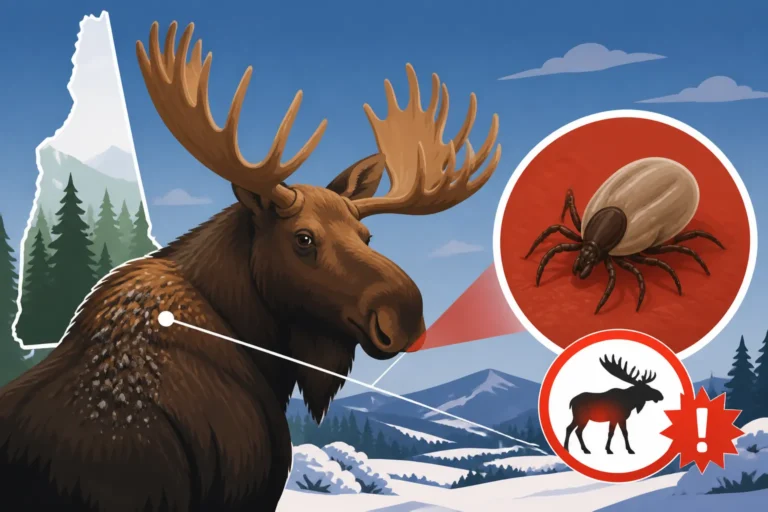
CWD is a neurological disease that affects cervids, which include deer, moose, and elk. It's often described as a "zombie disease" because of the way it progressively wastes away an animal's body and brain. This disease is always fatal, and tragically, there is no known cure or vaccine. What makes CWD particularly insidious is its method of transmission. It's caused by abnormal proteins called prions, which can be shed by infected animals through saliva, urine, and feces. These prions can persist in the environment for years, contaminating soil, plants, and even water sources, posing a long-term risk.
Imagine the devastating impact if CWD were to gain a foothold in New Hampshire. It would decimate our deer population, alter ecosystems, and fundamentally change the hunting heritage we all hold dear. The long-term economic and recreational consequences would be severe, affecting everything from local businesses that rely on hunting tourism to the simple pleasure of spotting a healthy buck in the woods. This isn't a hypothetical fear; states across the country have grappled with CWD outbreaks, implementing drastic measures to control its spread, often with limited success once established.
How Natural Lures Contribute to Risk
Now, think about those natural deer lures. Most are derived from the urine, blood, or glands of captive deer herds. While these captive herds are often tested and certified as "CWD-free," the testing isn't always foolproof, and the disease can have a long incubation period where an animal appears healthy but is already shedding prions. The critical issue is the potential for these prions to be present in the very products hunters spray on scrapes, wicks, or directly on the ground.
When you use a lure containing even trace amounts of CWD prions, you're inadvertently introducing those prions to a new environment. A wild deer might lick the lure, ingest contaminated soil where the lure was sprayed, or even track it back to their bedding area. This creates a direct pathway for disease transmission from a captive source into our wild, healthy herd. New Hampshire, like many states, has adopted a proactive, preventative approach. It's about building a strong wall of defense before CWD gets here, rather than fighting an uphill battle once it's established. This is why strict regulations, like the ban on natural deer lures, are implemented—to reduce every possible vector of transmission and safeguard the future of hunting in the state. You can read more about these preventative measures in New Hampshire's CWD Prevention Rules.
What Exactly is Banned? Defining "Natural Deer Lures"
When the ban came into effect, many hunters immediately wondered, "Okay, so what can't I use anymore?" It's a fair question, and the distinction between "natural" and "synthetic" is key. New Hampshire's regulations specifically target products derived from cervids.
Identifying Banned Products
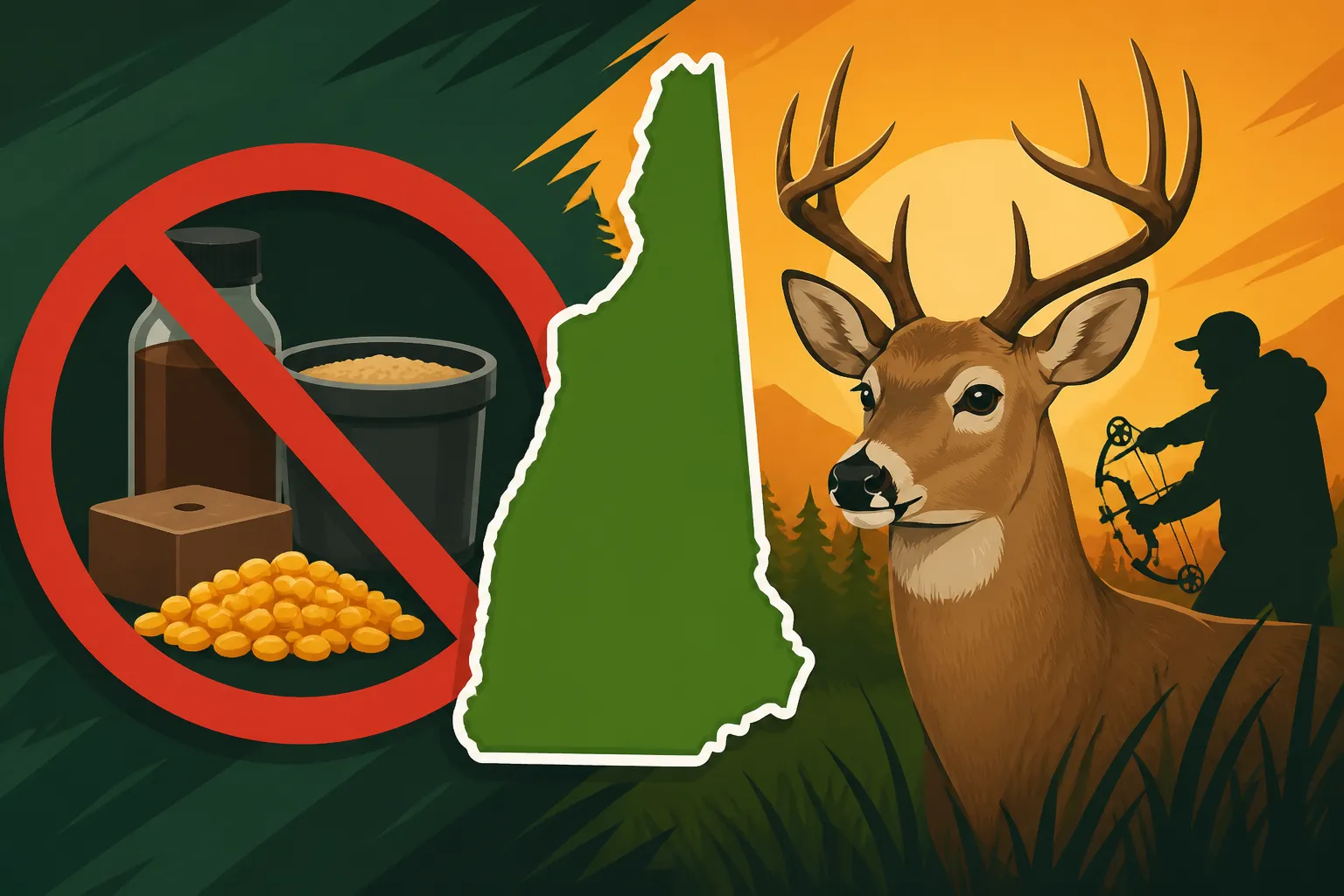
At its core, the ban prohibits the use, possession, or sale of any product that contains urine, blood, gland secretions, or any other bodily fluids from cervids (deer, moose, elk, etc.). This means:
- Natural Deer Urine: This is perhaps the most common type of lure affected. Buck urine, doe estrus urine, tarsal gland urine—if it came from a real deer, it's out.
- Deer Gland Lures: Products marketed as containing pre-orbital gland, tarsal gland, interdigital gland, or other glandular secretions from deer are also prohibited. These are often used to simulate deer communication or territory marking.
- Deer Blood Products: Any lure incorporating deer blood, often used to create a mock "kill site" or injury scent, falls under the ban.
- Other Bodily Fluids: This is a broad category designed to cover any other cervid-derived fluid that could potentially carry prions.
It's crucial to understand that even if a product label claims "CWD-free" or "tested," New Hampshire's ban still applies if it's derived from a cervid. The state has taken the position that the risk, no matter how small, is too great. The only exception would be for certified deer parts that have been processed for human consumption (like venison) or taxidermy purposes, but these are not for use as hunting lures. When checking regulations, a tool like GoHunt can be incredibly helpful for quickly referencing the latest rules and understanding where you can and cannot use certain equipment or methods.
Synthetic Alternatives: What You Can Use
Thankfully, the hunting industry has responded with a wide array of synthetic scent products that are perfectly legal and often highly effective. These products are chemically engineered to mimic the compounds found in natural deer scents without using any actual deer bodily fluids.
| Type of Lure | Natural (Banned) | Synthetic (Allowed) |
|---|---|---|
| Urine-based | Buck urine, Doe estrus urine, Dominant buck pee | Synthetic estrus, Synthetic buck urine, Curiosity scents |
| Glandular | Tarsal gland, Pre-orbital gland, Interdigital | Synthetic tarsal, Synthetic pre-orbital, Rub/scrape scents |
| Cover Scents | N/A (generally not cervid-derived) | Pine, Earth, Acorn, Skunk, Doe in heat cover scents |
| Attractants (non-scent) | N/A (generally not cervid-derived) | Acorn rage, Corn, Apple, Molasses-based attractants |
Note: Always double-check labels to ensure "synthetic" claims are genuine and do not contain any natural cervid by-products. Some products might have misleading names.
These synthetic options are often just as potent and convincing to deer, as they replicate the specific chemical compounds deer detect. You can find synthetic doe estrus to simulate a receptive doe, synthetic buck urine to challenge a dominant buck, or even synthetic interdigital gland scents to lay down a mock trail. Many hunters have found great success transitioning to these alternatives, proving that you don't need natural urine to fool a deer's nose.
The Practical Impact on New Hampshire Hunters
So, you've used natural deer lures your whole hunting career. Now what? The ban on natural lures does require a shift in mindset and strategy for many hunters. But it's also an opportunity to hone other, equally important, hunting skills.
Adapting Hunting Tactics
The biggest change is moving away from the idea of "drawing" deer directly to your location with a specific natural scent. Instead, the focus shifts to understanding and exploiting deer movement patterns and natural behaviors.
- Increased Emphasis on Scouting: Without the crutch of a "magic" scent, meticulous pre-season scouting becomes even more critical. You'll need to spend more time identifying natural travel corridors, historical rub lines, active scrape areas, and crucial food sources. Scouting New Hampshire Public Land Before Season is a fantastic place to start to really dig into this.
- Reading Natural Sign: Learn to interpret fresh deer sign like rubs, scrapes, and tracks. If you find a fresh scrape, instead of pouring natural urine in it, consider setting up nearby, understanding that a buck might return to check his territory.
- Focus on Cover and Wind: These fundamentals become paramount. Playing the wind correctly, using natural terrain features for cover, and positioning your stand or blind strategically are often more effective than any attractant.
- Using Non-Cervid Attractants: Food-based attractants like apple scents, acorn scents, or even mineral licks (where legal and permissible by land type) can still be used to draw deer to an area. Just make sure they are completely free of any cervid products.
- Decoys: Deer decoys can be very effective, especially during the rut. A standing buck or a feeding doe decoy can visually entice a deer from a distance, appealing to their curiosity or territorial instincts. This is a visual lure, completely separate from scent.
Embracing these shifts isn't just about compliance; it often leads to becoming a more well-rounded and skilled hunter. You learn to read the land, understand deer behavior on a deeper level, and ultimately, become more attuned to the subtle cues the woods provide.
The Learning Curve and Finding Success
There's definitely a learning curve when you change a long-held hunting practice. You might feel less confident initially without your go-to lure. It's okay to acknowledge that feeling! Many hunters have shared similar frustrations, wondering if their success rates would plummet. However, the experience across states with similar bans has shown that success is still very achievable.
Consider trying different synthetic brands and types of scents to see what works best in your area and for the specific deer you're pursuing. Experiment with application methods—some prefer wicks, others a drag rag, or simply spraying directly on mock scrapes or natural vegetation. Don't be afraid to try new tactics you might have previously ignored.
For instance, during the rut, instead of relying on doe urine, focus on bottleneck funnels between bedding and feeding areas, or Hunting a Ridge-Top Saddle for Rutting Bucks. Use rattling antlers or a grunt tube to simulate deer communication, which is a sound-based attractant, completely legal and incredibly effective. Many hunters swear by rattling in mature bucks, especially during the peak rut in New Hampshire. A tool like GoHunt can help you identify potential funnels or pinch points by analyzing topographic maps and satellite imagery, helping you pinpoint those crucial ambush locations without a drop of deer urine.
Ultimately, the ban pushes us to be better students of the deer and their environment. It makes us rely more on our woodsmanship, patience, and observation skills, which, for many, is the true essence of hunting.
Staying Compliant and Effective in the Woods
Staying on the right side of the law is paramount, not just to avoid penalties, but to be a responsible steward of New Hampshire's wildlife resources.
Knowing the Regulations and Staying Updated
The New Hampshire Fish and Game Department's website and annual hunting digest are your absolute best resources for the most current regulations. Laws can change, so it's vital to check these sources every year before you head out. Don't rely on information from forums or word-of-mouth alone, as it can sometimes be outdated or misinformed.
Here are some key things to remember:
- Read the Digest Annually: Make it a habit to go through the official hunting digest cover-to-cover. It contains detailed information on all regulations, including those pertaining to CWD and cervid lures.
- Check Online Resources: The NH Fish and Game website often posts updates and alerts throughout the year that might not be in the printed digest.
- When in Doubt, Don't: If you're unsure if a particular product or practice is legal, err on the side of caution and don't use it. It's better to miss out on a potential advantage than to risk a violation or, worse, the health of the deer herd.
Ignorance of the law is never an excuse. As hunters, it's our responsibility to be fully informed and compliant. This collective effort is what protects our hunting privileges and the future of game species like the white-tailed deer White-Tailed Deer Across New Hampshire.
Maximizing Your Chances Without Natural Lures
Beyond switching to synthetic lures and focusing on scouting, there are many other strategies to consider that don't involve cervid products at all.
- Utilize Cover Scents: While deer lure cover scents are now restricted, many natural cover scents—like pine, cedar, or earth scents—are still legal and effective. These help mask your human odor, which is arguably more important than attracting deer with a specific scent.
- Practice Scent Control: This goes hand-in-hand with cover scents. Shower with scent-eliminating soaps, wash your hunting clothes in scent-free detergent, and store them in airtight containers. Use scent-eliminating sprays on your clothes and gear before heading into the woods.
- Call and Rattle: As mentioned, sound is a powerful attractant. During the rut, grunt tubes, bleat cans, and rattling antlers can provoke a response from curious or aggressive bucks. Learning how and when to use these calls effectively can be a game-changer. Rattling Volume in Thick Softwood Cover can give you great tips for the New Hampshire terrain.
- Focus on Food and Water: Deer are driven by basic needs. Identifying prime food sources (acorn flats, apple orchards, agricultural fields) and water sources (creeks, beaver flowages, ponds) and setting up nearby will put you in high-traffic areas.
- Exploit Bedding Areas: Understand where deer bed down during different times of the day and in varying weather conditions. Setting up on the downwind side of a bedding area, or along a subtle travel corridor leading to one, can be highly productive, particularly during morning or evening hunts.
The ban on natural deer lures has reshaped how some hunters approach their season, but it hasn't diminished the excitement or the potential for success. It's an important measure to protect our wild deer from CWD, ensuring that future generations can enjoy the rich hunting traditions of New Hampshire. By adapting our strategies, embracing new tools, and always staying informed, we can continue to be effective and ethical hunters in the Granite State.
Disclaimer
This article is for general informational purposes only and does not constitute professional advice. Laws, prices and regulations vary by location and change over time. Consult a qualified professional for guidance on your specific situation.