How Many Ducks Winter on the Connecticut River
For many New Hampshire waterfowlers, the chilling whispers of winter bring a unique challenge: understanding where the ducks go when the smaller ponds freeze solid and the snow begins to fly. The Connecticut River, a magnificent artery running through our state, often holds the key to late-season success and fascinating wildlife observation, but figuring out just how many ducks choose its flowing waters for their winter refuge isn't always straightforward. This guide will dive deep into the factors that draw waterfowl to the Connecticut River during the colder months, explore how we estimate their populations, and help you glean insights into finding these hardy birds when much of the landscape is locked in ice.
The Allure and Challenge of Wintering Ducks on the Connecticut River
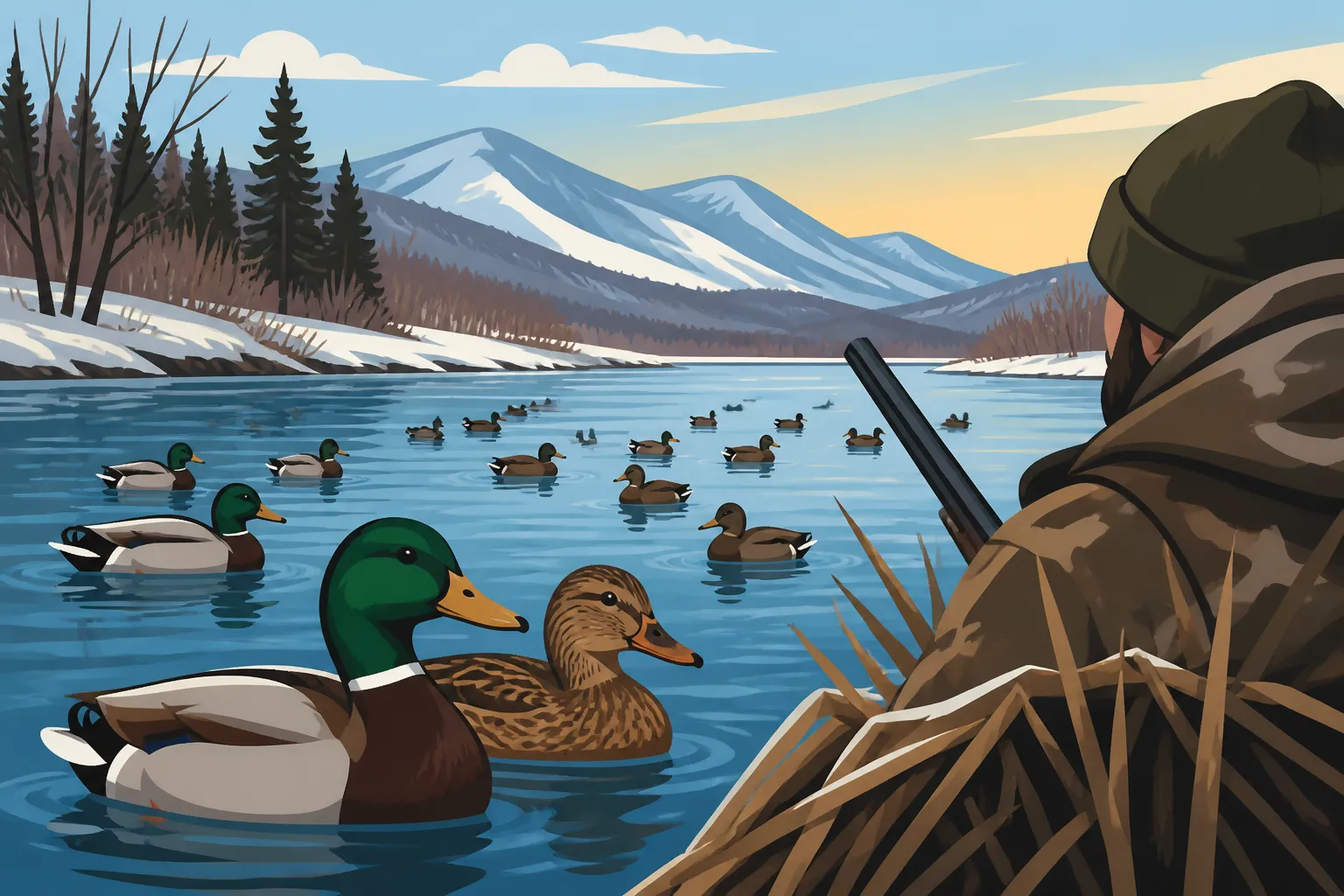
The sight of ducks on open water in December or January can be a truly inspiring one, a testament to their resilience and adaptability. The Connecticut River, particularly the stretches that resist freezing solid, becomes a lifeline for many waterfowl species, offering sanctuary and sustenance when other options dwindle. It's not just a matter of convenience; there's a complex interplay of environmental factors that dictates why certain ducks choose this specific waterway to ride out the cold season.
Why Ducks Choose the Connecticut River for Winter
The primary draw for ducks to the Connecticut River during winter is, quite simply, open water. Unlike smaller ponds, marshes, and even larger lakes that might cap over with ice, the Connecticut River's consistent flow, especially in certain sections, can keep areas ice-free for extended periods. This open water is absolutely critical, providing a safe haven from terrestrial predators, a place to rest, and access to submerged vegetation or invertebrates that make up their winter diet. Without it, survival would be incredibly difficult.
Beyond just open water, the river offers a diverse buffet of food sources. Different species have different dietary needs, and the river provides for many. For dabbling ducks like mallards and black ducks, shallow edges and flooded timber might still offer seeds and aquatic plants. Diving ducks, on the other hand, can plumb deeper waters for fish, mussels, and aquatic insects. The varied habitat along the river's banks, from agricultural fields to forested riparian zones, further supplements these food sources, providing grains left in stubble fields or acorns dropped from mature oaks near the water's edge.
Factors Influencing Wintering Duck Populations Annually
The number of ducks that decide to winter on the Connecticut River is far from static; it's a dynamic figure that fluctuates significantly year to year. One of the most impactful factors is, of course, the weather. A particularly mild winter in more northern latitudes might mean fewer ducks migrate as far south as New Hampshire, as they can find open water and food closer to their breeding grounds. Conversely, an early and severe cold snap can push a larger number of birds down to our region, packing the open stretches of the Connecticut River with waterfowl.
Food availability also plays a massive role. A bountiful mast crop in the fall, like a strong acorn year, could mean ducks linger in areas with abundant food until forced out by ice. Alternatively, a poor crop or heavy snow cover that makes land-based food inaccessible might drive them directly to the reliable, if less diverse, offerings of the river. Hunting pressure throughout the flyway can also influence where birds decide to settle. Heavily pressured areas further north or along other flyways might push birds to seek quieter refuges, and a section of the Connecticut River that offers relative peace could see increased numbers. For a broader look at how these birds move through our state, check out New Hampshire Waterfowl on the Atlantic Flyway.
Understanding Population Dynamics and Monitoring Efforts
When we talk about "how many" ducks are wintering on a specific body of water, it's not like counting sheep in a pasture. Waterfowl populations are constantly moving, and getting an exact, real-time census is incredibly challenging. However, wildlife agencies and dedicated conservation groups employ various methods to estimate these numbers, providing valuable data for management and conservation efforts.
Methods for Estimating Wintering Waterfowl Numbers
The most common and effective method for large-scale waterfowl surveys are aerial counts. Pilots, often wildlife biologists themselves, fly established transects over major waterways, lakes, and marshes, identifying and counting concentrations of various waterfowl species. These surveys are typically conducted in mid-winter when migratory patterns have largely settled, and birds are congregated in limited open water areas, making them easier to count. These figures provide a snapshot, giving us an idea of overall trends and relative abundance across different regions.
Ground counts and citizen science efforts also contribute significantly to our understanding. Dedicated volunteers, birdwatchers, and hunters often conduct local counts from land, contributing their observations to databases. While these individual efforts might not capture the full scope of the river's entire length, they provide critical fine-grained detail for specific hot spots. Many hunters find mapping applications invaluable for this kind of detective work. Tools like GoHunt can help you visualize waterways, identify potential open water areas even in colder snaps, and mark areas where you've observed consistent duck activity, effectively allowing you to conduct your own micro-surveys and track changes over time. Understanding New Hampshire's Northern and Inland Zones Explained can also help in interpreting these regional counts.
Species Commonly Found Wintering Along the River
While the exact species composition can vary, certain ducks are perennial favorites for wintering on the Connecticut River. Mallards are almost always present, their adaptability allowing them to thrive in various conditions, from open river channels to small pockets of unfrozen water. You'll often see them dabbling along the edges or resting on ice shelves. Close cousins, the American Black Ducks, are also common, sharing similar habitat preferences and often mixing with mallards. Both species are incredibly hardy, capable of enduring significant cold.
Diving ducks also make a strong showing, especially in deeper, faster-moving sections of the river. Common Mergansers, with their distinctive sawbill beaks, are frequently observed, as they are experts at pursuing fish in moving water. Goldeneyes, often found in small rafts, are another regular visitor, diving repeatedly to feed on aquatic invertebrates. Buffleheads and Hooded Mergansers might also be spotted, though often in smaller numbers. Understanding these species' specific behaviors and preferred habitats is key to both observing and hunting them, whether you're Decoying Ducks on New Hampshire's Connecticut River or simply watching from the bank.
Navigating Data and Local Insights for the New Hampshire Stretch
The question "How many ducks winter on the Connecticut River?" is complex because the answer isn't a single, fixed number. It's a dynamic range influenced by countless variables, and precise figures for the New Hampshire section alone can be particularly elusive. What we often rely on is a blend of scientific estimates, observed trends, and invaluable local knowledge gathered over generations.
The Nuance of "How Many" – Why Exact Numbers Are Elusive
When state wildlife agencies conduct aerial surveys, they typically cover vast regions or entire flyways, and while the Connecticut River is a significant feature, specific counts for just the New Hampshire portion are often aggregated into larger management units. This means you might find overall waterfowl population estimates for the Inland Zone or the entire river basin, but isolating the exact number of ducks wintering solely within New Hampshire's borders on the Connecticut River can be challenging. The birds don't recognize state lines, moving freely across the river to Vermont or further south into Massachusetts as conditions dictate.
Furthermore, these numbers are snapshots in time. A count taken in early December might be vastly different from one taken after a severe cold front hits in January, pushing more birds south. The river itself also changes, with varying stretches freezing or staying open depending on flow, weather, and even industrial outfalls. This constant flux means that while trends and relative abundance can be reliably tracked, pinning down an exact, unchanging number for a specific locale like the New Hampshire stretch of the Connecticut River is practically impossible. This variability highlights why understanding Duck Migration Timing Through New Hampshire is so critical.
Tapping Into Local Knowledge and Resources
Despite the challenges of precise quantification, there's a wealth of information available if you know where to look and who to ask. The New Hampshire Fish and Game Department regularly publishes waterfowl reports and summaries of their surveys, which, while regional, can give you a strong indication of overall duck numbers and health. These reports are often shared on their website and are an invaluable resource for anyone interested in the state's waterfowl populations. You can also glean general population insights from reports on New Hampshire Duck and Goose Numbers.
Beyond formal reports, local observations from seasoned waterfowlers, birdwatchers, and outdoor enthusiasts are gold. Forums, local conservation groups, and even conversations at bait shops or sporting goods stores can provide anecdotal evidence of duck concentrations in specific river bends, oxbows, or feeder creeks. Keeping detailed scouting notes, perhaps on a mapping app like GoHunt, can reveal trends in where ducks consistently show up year after year, or which stretches of the river tend to stay open longer in colder winters. These personalized observations, combined with formal data, paint the most comprehensive picture. For more on what hunters submit, check out New Hampshire Federal Duck Stamp Requirement which helps fund these efforts.
Implications for Hunters and Conservationists
Understanding the dynamics of ducks wintering on the Connecticut River isn't just an academic exercise; it has real-world implications for those who pursue waterfowl and those dedicated to their long-term survival. The presence of these birds creates unique hunting opportunities and underscores the importance of ongoing conservation efforts.
Hunting Opportunities and Considerations for Wintering Birds
For hunters, the Connecticut River becomes a prime location for late-season waterfowl action when most other spots are frozen solid. The concentrations of ducks seeking refuge on the open water can offer exciting opportunities, but it also demands a different approach. Jump-shooting can be effective along certain stretches, particularly where ducks might be feeding in smaller, sheltered pockets or loafing along unfrozen banks. Setting up a spread of decoys in a strategic location, especially if you've identified a consistent travel corridor or loafing area, can also yield results. Remember, ducks in winter are often smarter and more wary, having survived weeks of hunting pressure. Check the current New Hampshire Duck Daily Bag Limit before heading out.
Access can be a key consideration. Much of the Connecticut River shoreline in New Hampshire is private land, so securing permission is paramount. However, there are also public access points, boat launches, and stretches that border public lands like Wildlife Management Areas (WMAs). Scouting these areas meticulously before the season and understanding water levels and currents are crucial. Layering up for the cold is non-negotiable, and sturdy waders are often essential, especially when retrieving downed birds or setting decoys in icy conditions. For specific gear advice, consider articles like Waders for New Hampshire Waterfowl Hunting. Always respect other river users, especially when hunting close to populated areas, and ensure you are adhering to all safety regulations.
Conservation Efforts and Habitat Preservation
The very act of ducks choosing the Connecticut River for winter highlights the critical importance of maintaining healthy riverine ecosystems. These birds are bellwethers; their presence indicates that the river can still provide the necessary food, water, and shelter for survival during the harshest months. Conservation groups, often working in conjunction with the New Hampshire Fish and Game Department, play a vital role in preserving and enhancing these habitats. This includes protecting riparian buffer zones, managing invasive species that can degrade waterfowl habitat, and ensuring water quality remains high. Every duck hunter is also a conservationist, contributing directly through license sales and the purchase of federal duck stamps.
Understanding where and why ducks winter helps direct these efforts. For example, if certain stretches of the river consistently hold high numbers of diverse species, those areas might be prioritized for habitat protection or restoration projects. Efforts to educate landowners along the river about the benefits of healthy riverbanks, such as preventing erosion and providing natural cover, also contribute to the long-term viability of the Connecticut River as a winter haven for waterfowl. Your participation in surveys and adherence to regulations, including obtaining your New Hampshire HIP Certification for Bird Hunters, all contribute to the collective knowledge base and continued conservation success.
While pinpointing an exact number of ducks wintering on the Connecticut River at any given moment remains a challenge, it's clear that this mighty waterway plays a hugely significant role for countless waterfowl. It's a testament to the resilience of these birds and the enduring natural beauty of our state that even in the depths of winter, life continues to thrive on its flowing waters.
Wintering Duck Species and Their River Habitats
| Species | Primary Habitat along CT River (Winter) | Typical Winter Diet | Notes |
|---|---|---|---|
| Mallard | Open river channels, shallow edges, ice-free coves, field edges | Aquatic vegetation, seeds, grains, invertebrates | Most common and widespread; often seen in large groups. |
| American Black Duck | Similar to Mallards; prefers more secluded areas | Aquatic vegetation, seeds, grains, invertebrates, small fish | Often mixed with Mallards; wary and adaptable. |
| Common Merganser | Deep, clear, faster-moving water | Fish (predominantly), aquatic invertebrates | Distinctive long, serrated bill for catching fish. |
| Common Goldeneye | Open water, areas with strong current, diving to feed | Mussels, aquatic insects, crustaceans, small fish | Often seen in small rafts; distinctive head shape and eye. |
| Hooded Merganser | Smaller, sheltered coves, backwaters, slow-moving stretches | Small fish, crustaceans, aquatic insects | Smaller than Common Merganser, distinctive crest. |
| Bufflehead | Open water, often deeper sections | Aquatic insects, crustaceans, small fish | Very small diving duck; distinctive black and white plumage (males). |
Disclaimer
This article is for general informational purposes only and does not constitute professional advice. Laws, prices and regulations vary by location and change over time. Consult a qualified professional for guidance on your specific situation.