New Hampshire Resident Canada Goose Population
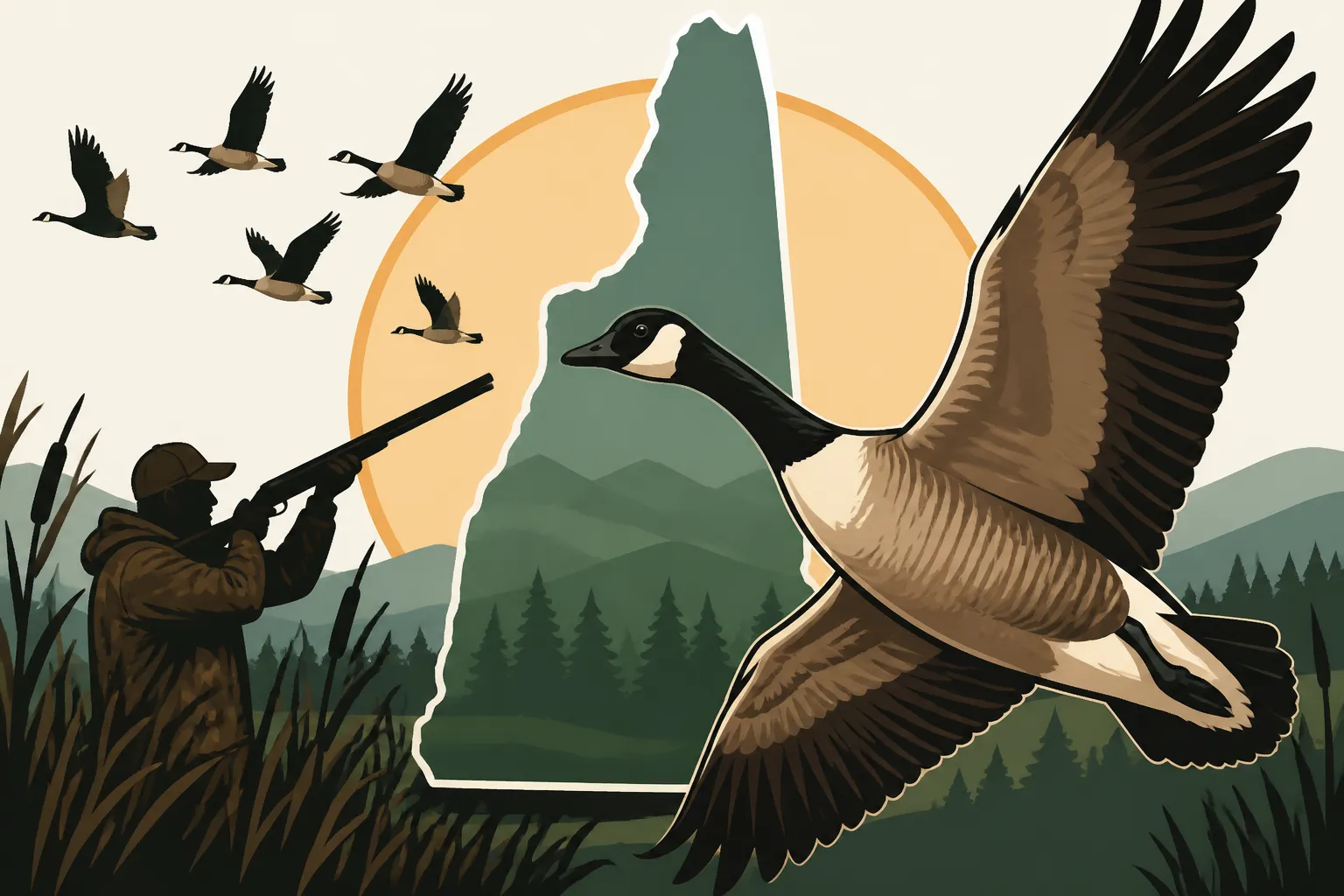
It’s a sight many of us have become all too familiar with across New Hampshire: Canada geese seemingly everywhere, from local ponds to farm fields, even right in our town parks. While their honking call is iconic, their year-round presence can sometimes feel overwhelming, and it often leads to questions about whether these are the same birds that migrate through or a distinct population. This guide aims to shed light on New Hampshire's resident Canada goose population, exploring how they became so prevalent, how they're managed, and the opportunities available for hunters to help manage their numbers responsibly.
Understanding the Rise of New Hampshire's Resident Canada Geese
For many years, the sight of Canada geese was primarily a seasonal one, signaling the arrival of fall or the promise of spring as vast V-formations moved across the sky. However, over the last few decades, something shifted, and now these magnificent birds are a constant fixture in many New Hampshire landscapes. This isn't just a coincidence; it's the result of several factors that have allowed a specific segment of the Canada goose population to thrive right here at home, opting not to migrate long distances.
The Difference Between Migratory and Resident Geese
It's easy to assume all Canada geese are the same, but there's a crucial distinction between migratory and resident populations. Migratory geese are the traditional travelers, breeding in the far northern reaches of Canada and Alaska, then making their epic journeys south to warmer climates for the winter. These are the birds that embody the classic image of migration, flying thousands of miles. Their nesting grounds are often remote, and their migration patterns are deeply ingrained.
Resident Canada geese, on the other hand, are largely descendants of geese that were introduced or transplanted into areas outside their traditional breeding grounds, or those that simply adapted to year-round living in more temperate zones. Many of these birds were part of restoration efforts in the mid-20th century, aimed at bringing goose populations back from historic lows. They found fertile ground and favorable conditions in places like New Hampshire, where they established permanent breeding colonies. These geese have essentially lost their strong migratory instinct, or never developed it in the same way, choosing instead to live out their entire lives within a relatively small geographic area. You’ll see them pair up and nest right here, year after year.
Why Resident Populations Exploded in New Hampshire
The success of New Hampshire's resident Canada goose population can be attributed to a perfect storm of environmental factors and human influence. Firstly, agricultural practices and suburban development created ideal habitat. Geese are grazers, and lush, well-manicured lawns, golf courses, and farm fields offer an endless buffet of their preferred grasses. These areas often border ponds, rivers, and lakes, providing safe roosting and nesting sites with easy access to food. The absence of natural predators in these human-dominated landscapes, coupled with readily available water sources, meant these birds could reproduce with little interference.
Furthermore, these environments offer a sense of security. Unlike their migratory cousins who face the perils of long-distance travel, resident geese enjoy stable, food-rich territories. They learn to adapt to human presence, often becoming quite bold, and their annual reproductive success rates are high. A pair can raise a clutch of several goslings each year, and with fewer significant threats, these goslings mature and contribute to the breeding population, leading to exponential growth. It's a classic example of an opportunistic species finding an ecological niche that humans, inadvertently, created for them.
Common Habitats for Resident Geese
If you're looking for resident Canada geese in New Hampshire, you likely won't have to look far. Their preferred habitats are quite predictable. They gravitate towards areas that offer a combination of open water, abundant short grasses for grazing, and safety from predators. This means you'll find them on golf courses, in public parks, on private residential lawns with ponds, and especially on agricultural lands.
Farm fields, particularly those with corn stubble or lush pastures, are prime feeding grounds. The Connecticut River Valley, with its expansive fields and waterways, is a particularly productive area. You'll also find them congregating around larger lakes like Winnipesaukee and Squam Lake, and along the banks of the Merrimack River. They favor man-made retention ponds in industrial parks and even smaller, isolated farm ponds. Essentially, any place with easily accessible forage and water, especially if it offers an unobstructed view for spotting potential threats, is fair game for these adaptable birds. Understanding these patterns is key, whether you're trying to deter them or looking for New Hampshire Waterfowl Season and Zones to plan a hunt.
Management and Conservation Efforts for Resident Geese
The impressive growth of New Hampshire's resident Canada goose population, while a conservation success story in one light, also presents unique challenges. Their sheer numbers can lead to significant ecological and economic impacts, from overgrazing and crop damage to water quality degradation and public health concerns due to droppings. Therefore, managing these populations is a continuous balancing act, striving to maintain healthy numbers while mitigating conflicts with human interests.
The Role of New Hampshire Fish and Game
The New Hampshire Fish and Game Department plays a crucial role in monitoring and managing the state's resident Canada goose population. This involves various strategies, from population surveys and banding programs to setting hunting regulations. These regulations are designed to provide opportunities for hunters to harvest birds, thereby helping to control numbers, especially during specific early seasons before migratory birds arrive or during "nuisance" periods. The Department works within federal frameworks established by the U.S. Fish and Wildlife Service, as Canada geese are federally protected migratory birds, even if they don't migrate far themselves.
Their efforts are about maintaining ecological balance and ensuring the long-term health of both the goose population and the ecosystems they inhabit. Hunters are a critical part of this management plan, as regulated hunting is one of the most effective tools for population control in game species. If you're planning to hunt, it's essential to stay informed about New Hampshire Duck and Goose Bag Limits and understand the specific dates for different zones, which you can often find using tools like GoHunt for quick reference.
Urban and Suburban Challenges
One of the biggest headaches with resident Canada geese is their affinity for urban and suburban environments. Parks, golf courses, corporate campuses, and even residential yards offer everything a goose could want: open grassy areas, calm water, and often, a lack of consistent predation. However, this close proximity to humans brings its own set of problems. Excessive droppings contaminate water bodies, make public spaces unhygienic, and can even pose health risks. Aggressive behavior, especially during nesting season, can be a concern for people and pets. Damage to lawns, gardens, and agricultural crops can be substantial, costing property owners and farmers money and time.
Managing geese in these settings often requires a multi-faceted approach. This can include hazing techniques to scare them away, modifying habitats to make them less attractive (e.g., letting grass grow taller around water edges, which geese dislike), or even physical removal and relocation in extreme cases. Lethal control is sometimes necessary, especially for chronic nuisance birds, but this is typically a last resort and strictly regulated. The goal is to encourage geese to find more natural, less conflict-prone habitats.
Public Awareness and Coexistence Strategies
Because resident Canada geese are so visible, public perception and cooperation are vital for effective management. A key part of this is education: helping people understand why feeding geese is detrimental. While it might seem harmless, feeding artificially concentrates birds, making them reliant on human handouts, exacerbating nuisance problems, and discouraging their natural foraging behaviors. It can also lead to nutrient loading in ponds and an increased spread of disease among concentrated bird populations.
Encouraging coexistence also involves promoting responsible land management practices. Simple changes, like naturalizing shorelines with native plantings, can make an area less appealing to geese while benefiting other wildlife. For hunters, participating in early goose seasons or special hunts can directly contribute to population control. Organizations like GoHunt often provide resources and maps that can help identify areas where hunting pressure is needed and permitted, allowing for targeted efforts. Ultimately, the future of New Hampshire's resident Canada goose population depends on a collective effort from wildlife managers, landowners, and the public to find sustainable solutions.
Hunting Opportunities for New Hampshire Resident Canada Geese
For many hunters, the resident Canada goose population represents a fantastic opportunity to enjoy waterfowl hunting close to home, often outside the traditional migratory seasons. Unlike their wilder, more wary migratory counterparts, resident geese can sometimes be a bit more predictable, though certainly not easy! However, effective hunting still requires understanding their habits, knowing the regulations, and employing the right strategies.
Key Seasons and Bag Limits
New Hampshire offers specific hunting seasons tailored to target resident Canada geese, often occurring before the main migratory waterfowl seasons kick off. These early seasons are critical for population management because they allow hunters to harvest resident birds before they're joined by large numbers of northern migrants. It's crucial to consult the current New Hampshire Hunting Digest or the Fish and Game website for the most up-to-date New Hampshire Waterfowl Zone Boundaries and season dates, as these can change year to year. Generally, you’ll find early September seasons dedicated to resident geese, often with generous bag limits to encourage participation.
It's equally important to understand the concept of the split season, which might see an early resident goose season, a closure, and then a later season that coincides with migratory bird movements. Each season will have its own specific bag limits for geese, which are also outlined in the hunting digest. Always remember that you'll need a valid New Hampshire hunting license, a state migratory waterfowl stamp, and a federal duck stamp, as well as New Hampshire HIP Certification for Bird Hunters, regardless of whether you're targeting resident or migratory birds. Don't overlook these requirements!
Effective Hunting Strategies for Resident Birds
Hunting resident Canada geese shares some similarities with hunting migratory birds, but also has key differences. Resident geese often feed in the same fields day after day, and may not be as pressured or "educated" by hunting as their migratory cousins who have seen more decoy spreads.
Here are some strategies that often prove effective:
- Scouting is Paramount: Knowing exactly where geese are feeding and roosting is your biggest advantage. Drive rural roads, use binoculars, and observe flight patterns. Resident geese are creatures of habit, often flying from a specific roost pond to a specific field.
- Decoy Spreads: Lifelike goose decoys are essential. Start with at least a dozen, and more if you can manage them. Spread them out in family groups, mimicking a natural feeding flock. Some hunters swear by "active" spreads with a few full-body feeders and a sentry or two. For hunting fields, Layout Blind Hunting a Northern Zone Field can be incredibly effective, allowing you to hide comfortably among your decoys.
- Concealment: Geese have incredible eyesight. A good blind, whether it's a layout blind, a natural hide brushed in with local vegetation, or even just strategically placed camouflage in tall crops, is non-negotiable.
- Calling: While not always as critical as with migratory ducks, goose calls can certainly help seal the deal, especially on windy days or when birds are hesitant. Learn some basic honks and clucks.
- Field Edges and Water Access: Many successful hunts happen on field edges where geese are feeding or near small ponds they use for loafing during the day. Consider where geese will land and walk into a field, or where they will swim onto shore.
Remember, resident geese can quickly become wise to pressure. If you hunt a spot successfully, try to rest it for a few days before returning, or adjust your setup to keep them guessing.
Locating Prime Resident Goose Hunting Areas
Finding those honey holes for resident Canada geese often comes down to identifying their preferred habitats: large agricultural fields (especially corn, wheat, or cut hay), pastures, and open water bodies like large ponds, slow-moving rivers, and lakes with grassy shorelines.
- Agricultural Land: Many farmers are happy to have hunters help manage goose populations that are damaging their crops. Always, always ask for permission. A simple knock on the door, explaining you want to help reduce goose pressure, can open up many opportunities.
- Public Lands: While less common for dedicated goose fields, some Wildlife Management Areas (WMAs) or large state forests might have suitable habitat, especially those with open areas or wetland complexes. Tools like GoHunt can be invaluable here, helping you identify public land boundaries and potential access points. Always check WMA specific regulations, as some may have restrictions on blinds or access.
- River Systems: The Connecticut River, Merrimack River, and other larger waterways often hold significant numbers of resident geese. Look for sandbars, islands, or wide, grassy riverbanks where they can loaf and feed. Pass-Shooting Geese on a Split-Season Field can be productive if you identify their flight paths between roosts and feeding areas.
- Scouting with Technology: Modern mapping apps are a game-changer. Use satellite imagery to spot potential feeding fields, water bodies, and flight lines. Cross-reference with property lines (where available on the app, like GoHunt often provides) to identify public access or target landowners for permission. Keep an eye out for signs like goose droppings, trampled grass, and feather piles, which are clear indicators of recent activity.
By combining diligent scouting, understanding goose behavior, and respecting regulations, New Hampshire hunters can enjoy fantastic opportunities to pursue resident Canada geese and play a vital role in their ongoing management.
Disclaimer
This article is for general informational purposes only and does not constitute professional advice. Laws, prices and regulations vary by location and change over time. Consult a qualified professional for guidance on your specific situation.