New Hampshire Duck and Goose Numbers
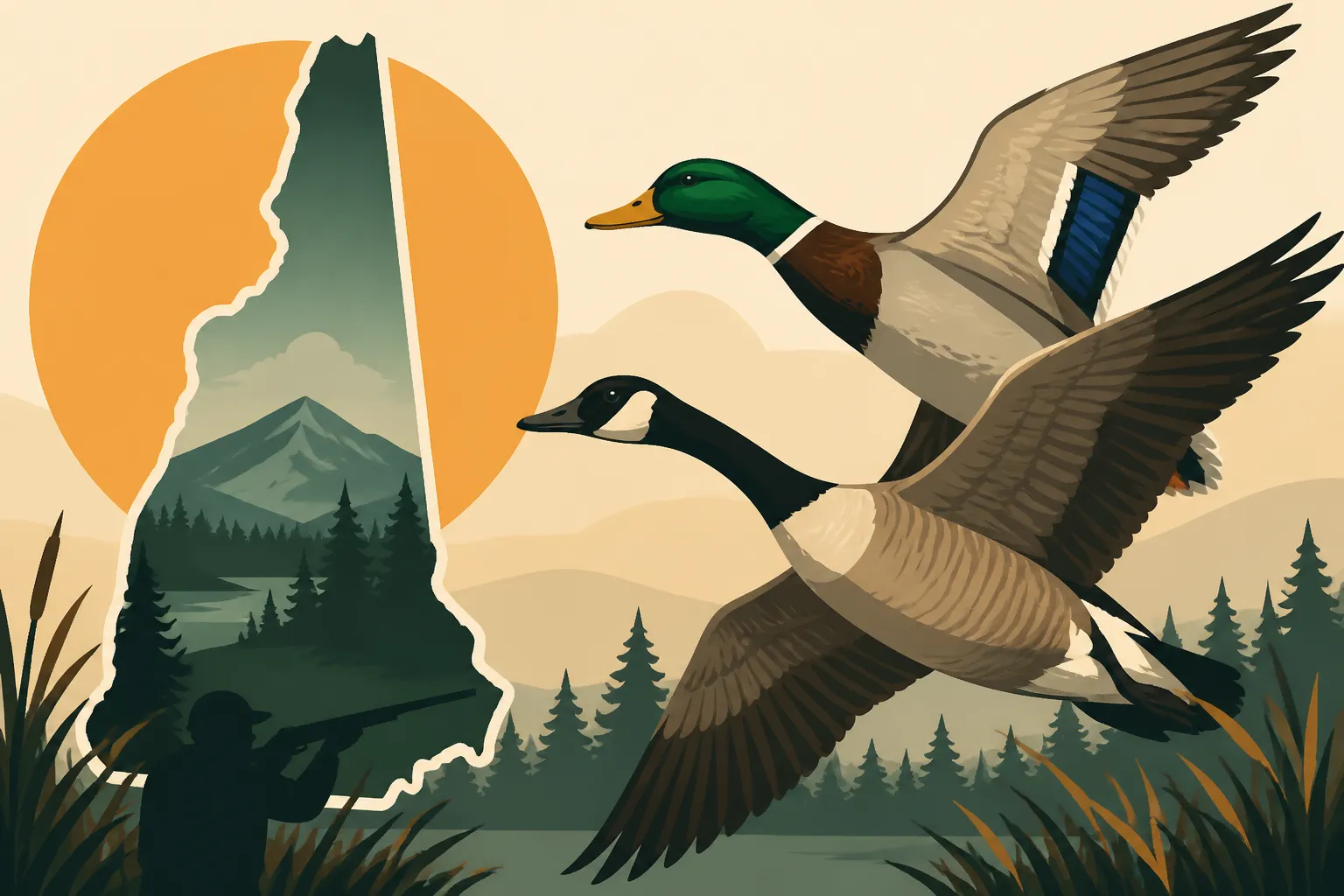
It’s a common frustration for New Hampshire waterfowlers: you scout your favorite marsh or field, full of anticipation, only to find the birds aren't there in the numbers you expected. Understanding the ebb and flow of duck and goose populations in our state isn't just about raw numbers; it’s about grasping the complex factors that influence them, from breeding grounds thousands of miles away to the local cornfield you’re hoping to hunt. This guide aims to demystify those numbers, helping you make sense of what you see in the field and adjust your strategies accordingly.
Understanding New Hampshire's Waterfowl Populations: Migratory Versus Resident Birds
When we talk about ducks and geese in New Hampshire, it's crucial to distinguish between the birds that breed here, or nearby, and those that are merely passing through on their epic annual journeys. Both contribute to the overall "numbers" we experience, but they behave differently and are influenced by distinct sets of factors.
The Atlantic Flyway and Migratory Ducks
New Hampshire holds a unique position right along the New Hampshire Waterfowl on the Atlantic Flyway. This isn't just a fancy term; it's a vital migratory superhighway that funnels millions of birds from their northern breeding grounds down to warmer wintering areas. For us, this means our duck numbers, particularly during the peak of migration, are heavily influenced by conditions far beyond our borders.
Think about it: a strong cold front sweeping down from Canada can push huge numbers of mallards, black ducks, and teal right into our state, sometimes overnight. You might have seen this firsthand – one day, a few birds; the next, a flood of new arrivals on every open water body. These birds are often highly transient, moving through quickly if food sources are scarce or hunting pressure is intense. We see species like northern pintails, wigeon, and various diving ducks (like goldeneyes and buffleheads) as they make their way down the coast or along major river systems. The timing of their arrival and the duration of their stay depend heavily on the severity of the weather both north of us and in their ultimate wintering destinations. A mild fall, for example, might mean fewer birds linger in New Hampshire, as they don't feel the urgent need to push south.
Resident Canada Goose Populations
While we cherish the spectacle of migrating waterfowl, a significant portion of the goose population we interact with in New Hampshire are what we call "resident" Canada geese. Unlike their migratory cousins who breed in the arctic and subarctic and fly thousands of miles, these birds often hatch and spend their entire lives within a relatively small geographical area, including right here in the Granite State.
Resident Canada geese have seen a remarkable population boom over the last few decades, thanks in large part to adapting incredibly well to human-modified landscapes. They thrive in urban and suburban environments, finding ample food in manicured lawns, golf courses, and agricultural fields, and safe nesting sites on islands in ponds or along protected shorelines. This means that while you might be keenly watching the skies for incoming migratory flocks, the majority of geese you encounter throughout much of New Hampshire, especially in the more populated areas, are likely homegrown. Their numbers are generally more stable year-to-year than migratory ducks, but they can still shift based on local breeding success, food availability, and localized dispersal if they experience too much pressure. Understanding the distinction is key, as managing and hunting resident geese often requires different strategies than pursuing migrating ducks. You can learn more about New Hampshire Resident Canada Goose Population and their unique characteristics.
Factors Influencing Duck and Goose Numbers Annually
The dance of waterfowl populations is a complex choreography, influenced by a myriad of environmental cues and conditions. As hunters, we often focus on what's happening right here, right now, but a true understanding requires looking at the bigger picture.
Breeding Ground Conditions Up North
For ducks, especially, the health of populations we see in New Hampshire each fall is largely determined months earlier on their northern breeding grounds. Think of the vast prairie pothole regions of Canada and the northern United States – these are the "duck factories" of North America. The amount of water and suitable nesting habitat available in these regions during the spring and early summer is a critical predictor of the fall flight.
In years with abundant rainfall and numerous temporary wetlands, known as "potholes," ducks have more successful breeding seasons. More ponds mean more space, less competition, and better survival rates for ducklings. When these areas experience drought conditions, breeding success plummets, leading to fewer ducks migrating south in the fall. These continental population estimates are compiled through extensive aerial surveys, providing a broad stroke picture of what to expect. While these numbers won't tell you exactly how many mallards are going to land in your favorite beaver flowage, they give you a strong indication of the overall abundance. A good breeding year up north means more birds available to potentially migrate through New Hampshire, while a poor one often translates to a noticeable dip in numbers, making every bird you see feel that much more precious.
Local Habitat and Weather in New Hampshire
Even with a strong continental flight, local conditions in New Hampshire play a massive role in where ducks and geese concentrate and for how long. Our state offers a diverse array of waterfowl habitats, from the sprawling wetlands of the North Country to the agricultural fields along the Connecticut River and the smaller ponds and marshes scattered across the southern tier.
Abundant local food sources are paramount. Waste grain in cornfields can be an absolute magnet for geese and mallards, holding them in an area for extended periods. Healthy aquatic vegetation in marshes and beaver flowages provides crucial sustenance for various duck species. Water levels are also critical; too much rain can spread birds out, making them harder to find, while drought can concentrate them on the few remaining water bodies. The weather here in New Hampshire itself is another huge factor. Early freezes can push birds out of smaller, shallower waters and send them packing south, sometimes prematurely from a hunter's perspective. Conversely, a mild winter can mean some birds linger much later into the season, sometimes even overwintering if open water and food remain available. For instance, Decoying Mallards on the Connecticut River often depends heavily on recent weather patterns affecting the river's flow and food availability. Similarly, success when Layout Blind Hunting a Northern Zone Field is tied to whether cold weather has pushed migratory geese down and whether those fields still offer waste grain.
Hunting Pressure and Regulation
It might sound obvious, but hunting pressure itself can significantly influence the apparent "numbers" of ducks and geese in a given area. Birds are smart, and they quickly learn to avoid areas where they are consistently pursued. A hot spot that produced birds early in the season might become a ghost town after a few weekends of heavy pressure, as birds either move to more secluded areas or simply continue their migration south.
State and federal wildlife agencies work tirelessly to monitor waterfowl populations and set appropriate hunting regulations. Bag limits, season lengths, and even specific species restrictions are all carefully considered based on population health. For instance, New Hampshire's New Hampshire Duck and Goose Bag Limits are directly informed by flyway-wide data and local observations. If certain species show declines, regulations might become more restrictive to allow those populations to recover. The zones within New Hampshire, such as the New Hampshire Waterfowl Zone Boundaries, also aim to stagger seasons and distribute pressure, acknowledging that migration timing and local bird availability vary across the state. These regulations aren't arbitrary; they are critical tools to ensure sustainable hunting opportunities for future generations, while also impacting how and where birds can be hunted.
Interpreting Data and Hunter Observation for Better Understanding
So, with all these factors at play, how do you make sense of New Hampshire's duck and goose numbers for your own hunting? It’s a blend of relying on official scientific data and honing your own observational skills.
Understanding Official Population Surveys and Reports
State and federal wildlife agencies, including New Hampshire Fish and Game, conduct extensive waterfowl surveys each year. These include breeding ground surveys, mid-winter surveys, and harvest reports. These reports are invaluable because they provide a broad, scientifically-backed overview of population trends across the flyway and within our state. They can tell us if a particular species is doing well or struggling, or if a given year's hatch was strong or weak.
However, it’s important to understand what these surveys do and don’t tell us. A strong continental flight doesn't guarantee a specific pond will be loaded with birds on opening day. Local concentrations can vary wildly based on habitat, weather, and pressure. These reports are best used to understand the big picture and long-term trends, which helps you manage your expectations. Hunters should definitely make a habit of checking the annual waterfowl reports issued by New Hampshire Fish and Game. These documents synthesize complex data into digestible summaries, often highlighting species-specific outlooks. While you won't get a real-time count of every duck, you’ll gain insight into the broader health of our flyway populations. For hunters looking to deepen their understanding, platforms like GoHunt can be incredibly useful. They often consolidate publicly available data, maps, and information, helping you visualize trends and plan your hunts more effectively by cross-referencing official reports with detailed spatial data.
The Value of Hunter Scout Reports and Field Observations
While official reports are crucial, nothing beats good old-fashioned personal scouting and keeping meticulous records. Your boots-on-the-ground observations are hyper-local and current, giving you the real-time intelligence you need to make decisions. Pay attention to specific behaviors: are birds feeding actively, or are they spooky and pressured? Are new birds showing up after a cold front?
Keeping a detailed personal log can be a game-changer. Note the species you see, the approximate numbers, the specific locations, and the prevailing weather conditions. Over time, you'll build an invaluable personal database that helps you predict patterns on your local hunting grounds. For example, if you consistently see greater numbers of divers on the Connecticut River after a specific weather pattern, that’s powerful knowledge. Networking with other ethical, knowledgeable hunters in your area can also provide valuable insights, but always verify information with your own scouting. Tactics like Reading a Marsh for a Morning Flight or observing typical flight lines for Pass-Shooting Geese on a Split-Season Field are skills honed through countless hours of observation.
What Numbers Mean for Your Hunting Strategy
Understanding duck and goose numbers isn't just academic; it directly influences how you plan and execute your hunts. Being adaptable and informed can make all the difference between a frustrating day and a successful outing.
Adjusting Tactics Based on Expected Flight Numbers
If official forecasts suggest a lower-than-average fall flight for ducks, you might consider adjusting your approach. Instead of focusing solely on large migratory movements, you might dedicate more time to targeting resident birds or those species with more stable populations. This could mean concentrating on smaller, less-pressured beaver flowages for local wood ducks, or focusing on field hunting resident Canada geese. Conversely, in a year with a predicted strong flight, you might be more aggressive with your decoy spreads and calling, knowing there are more birds in the air to potentially draw in. Larger spreads on big water or open fields become more effective when there's an abundance of birds looking for company. Success with Decoying Ducks on New Hampshire's Connecticut River will always be higher when significant numbers of birds are present and moving. Similarly, for Layout Blind Hunting a Northern Zone Field, strong numbers mean a higher chance of decoying passing flocks.
Species-Specific Considerations
New Hampshire's waterfowl population isn't homogenous. Different species have different habits, preferred habitats, and migratory timelines. Therefore, understanding the numbers means understanding the specific species. For instance, wood ducks are often early migrants and their numbers might peak and decline before mallards really start showing up in force. Teal, too, are early birds. Knowing the New Hampshire Duck Daily Bag Limit and New Hampshire Goose Daily Bag Limit for specific species is crucial, as some limits are more restrictive than others, often reflecting population health.
Canada geese, especially our resident populations, often respond differently to hunting pressure than ducks. They might be more concentrated in specific agricultural fields or large open water bodies. Therefore, a "good year" for ducks might not necessarily mean the same for geese, and vice-versa. You’ll also need to consider the different New Hampshire Waterfowl Zone Boundaries, as the seasons and the timing of peak numbers can vary significantly between the Northern and Inland Zones. The Hunting the Split Inland Zone Waterfowl Season means anticipating different bird movements compared to the Hunting the Northern Zone Waterfowl Dates. Being aware of these species-specific nuances and their respective numbers allows you to diversify your hunting efforts and increase your chances of success throughout the season.
| Characteristic | Migratory Ducks (e.g., Mallard, Teal) | Resident Canada Geese |
|---|---|---|
| Primary Influence on Numbers | Breeding ground success (prairie potholes), Atlantic Flyway migration timing, northern weather | Local breeding success, abundant local food sources, milder winters |
| Typical Seasonality in NH | Early season birds (Wood Ducks, Teal), mid-season influx (Mallards, Black Ducks) as cold pushes south | Present year-round, but often targeted during hunting seasons; can be concentrated in specific areas |
| Habitat Preference | Marshes, swamps, rivers, smaller ponds | Agricultural fields, larger open water bodies, suburban ponds, river systems |
| Predictability | More variable year-to-year based on breeding grounds; sensitive to cold fronts | Generally more stable local populations, but can be influenced by local disturbances |
| Scouting Focus | Migration corridors, temporary water, traditional feeding/roosting areas | Established flight paths between roosts and feed, specific fields |
Disclaimer
This article is for general informational purposes only and does not constitute professional advice. Laws, prices and regulations vary by location and change over time. Consult a qualified professional for guidance on your specific situation.