How Many Ticks Infest a New Hampshire Moose Calf
When you think about New Hampshire's majestic moose, a picture of strength and resilience in our rugged northern forests often comes to mind. But there's a silent, insidious threat relentlessly attacking their youngest, turning these symbols of the wild into tragically vulnerable victims. We're talking about the devastating impact of winter ticks on moose calves, a heartbreaking reality that poses a significant challenge to the future of our beloved herd. This guide will delve into the alarming numbers and severe consequences of these infestations.
The Alarming Reality of Winter Tick Infestation on Moose Calves
It’s a grim picture, one that every hunter and wildlife enthusiast in New Hampshire needs to understand. Winter ticks aren't just an annoyance; they're a major cause of calf mortality, especially in our North Country. The sheer volume of these parasites that can attach to a single young moose is truly astounding and deeply concerning.
Understanding the Life Cycle of the Winter Tick
To grasp the magnitude of the problem, we first need to understand the enemy: the winter tick, Dermacentor albipictus. Unlike deer ticks that drop off and re-attach, the winter tick is a "one-host tick." This means once it latches onto an animal in the fall, it stays there, feeding, molting, and growing through all its life stages—larva, nymph, and adult—until the following spring. Imagine carrying literally thousands of blood-sucking parasites on your body for months. That’s the reality for many of our moose.
The cycle starts in late summer and early fall when tiny tick larvae, hatched from eggs laid on the ground the previous spring, climb up vegetation, patiently waiting for a host to brush by. A moose, especially a calf, moving through the woods provides the perfect taxi service. Once onboard, these ticks begin their slow, steady drain on the animal's resources. As winter deepens, the ticks grow larger, reaching their adult size by late winter and early spring, before finally dropping off to lay eggs and repeat the cycle.
Why Calves Bear the Brunt of the Infestation
While adult moose can carry thousands of winter ticks, it’s the calves, born just months before the ticks attach, that suffer the most catastrophic effects. They are simply not equipped to handle such a massive parasitic load. Their smaller body size means less blood volume, fewer fat reserves, and a less developed immune system to fight off the constant drain.
Think of it this way: a grown adult can probably handle a bad cold better than a toddler can. It’s a similar principle with moose and ticks. A calf, still growing rapidly and building its strength for its first harsh New Hampshire winter, is hit with a debilitating challenge right out of the gate. They are more vulnerable to the initial attachment of the tick larvae, and once the ticks are feeding, the impact on their tiny bodies is disproportionately severe. They spend valuable energy trying to scratch and rub off the ticks, rather than conserving it for warmth and growth.
Estimating the Sheer Number of Ticks
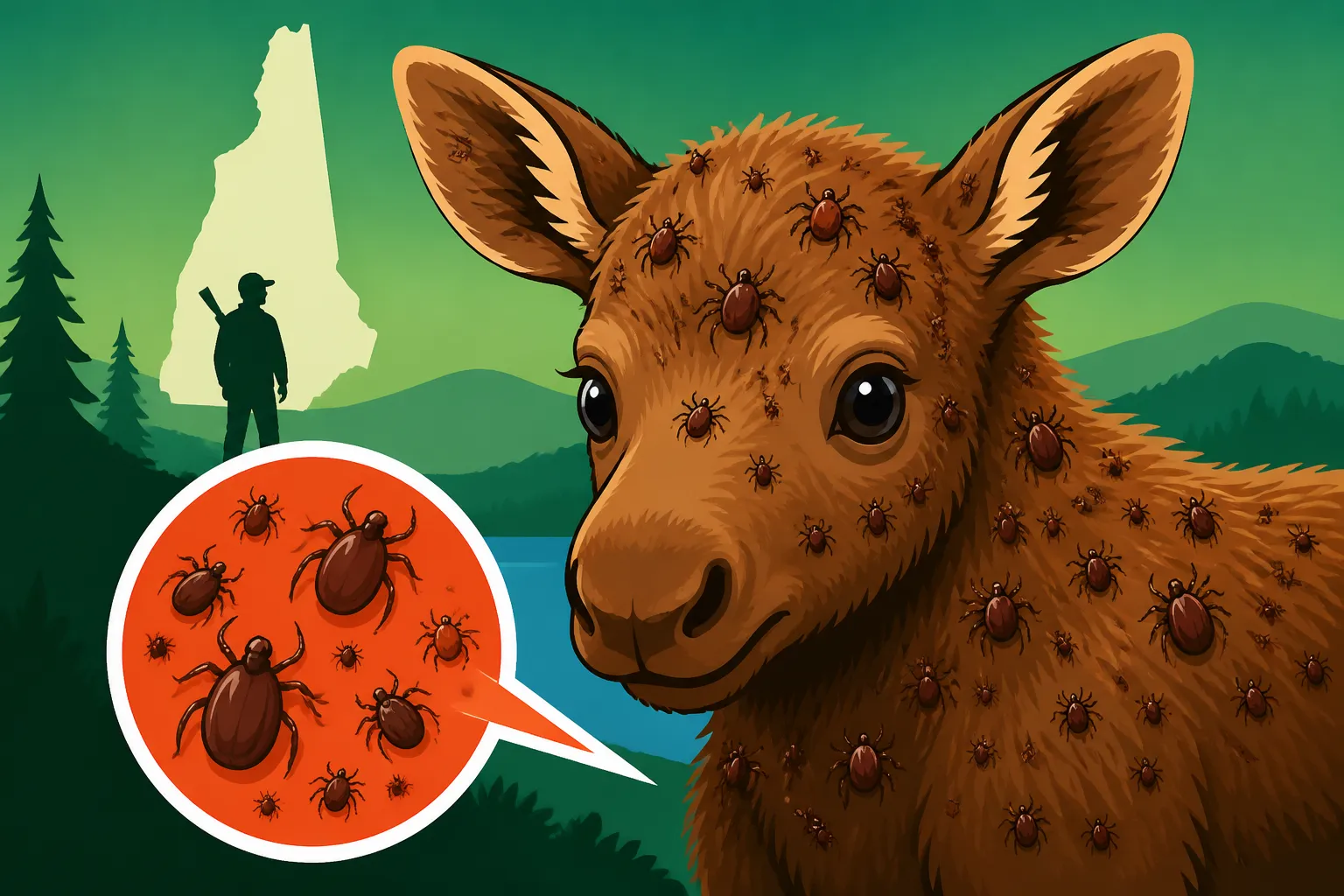
This is where the numbers become truly shocking. When we talk about "how many ticks infest a New Hampshire moose calf," we're not talking about a few dozen or even a few hundred. Scientific studies and field observations in New Hampshire and other New England states have revealed that a single moose calf can be infested with anywhere from 30,000 to 90,000 winter ticks. Let that sink in for a moment. Up to ninety thousand blood-sucking parasites feeding on a vulnerable young animal for five to six months straight.
Visually, this often manifests as what biologists call the "ghost moose" phenomenon. The calf's hide can look patchy, almost white, due to the massive hair loss caused by incessant scratching and rubbing against trees and rocks in a desperate attempt to dislodge the ticks. If you've ever seen a moose rubbing aggressively against a tree post, you'll know they scratch hard. Imagine doing that for months because your entire body is covered in biting insects. It’s an almost unfathomable burden for an animal that also needs to find food, avoid predators, and survive frigid temperatures. The entire surface of their skin can be a living, crawling carpet of ticks, literally draining the life out of them.
The Devastating Health Impacts of Heavy Tick Loads
The consequences of carrying tens of thousands of winter ticks are profound and often fatal for moose calves. It's a relentless, slow-motion assault that weakens them on multiple fronts, making them susceptible to a host of other dangers they might otherwise shrug off.
Anemia and Malnutrition: A Slow Drain
The most direct and immediate threat from such a heavy tick load is blood loss, leading to severe anemia. Each tiny tick takes its share, and when multiplied by tens of thousands, that adds up to a significant amount of blood drained from the calf's system every single day for months. This constant blood loss saps their energy, making them lethargic and weak. They become less active, spending less time foraging for food and more time trying to relieve the intense itching.
This reduction in foraging, combined with the energy expenditure of dealing with the ticks, quickly leads to malnutrition. A calf that should be putting on weight and building fat reserves for winter is instead losing ground. Their growth is stunted, and their overall physical condition deteriorates dramatically. It's a vicious cycle: weakened by blood loss, they can't eat enough, which further weakens them, making them even more vulnerable to the ticks' continued feeding. Imagine trying to run a marathon while also donating blood every day; that's the kind of strain these young moose are under.
Hair Loss and Hypothermia: The "Ghost Moose" Phenomenon
The constant, frantic scratching driven by the maddening itch of thousands of feeding ticks causes severe hair loss. Patches of fur, particularly around the shoulders, neck, and flanks, are rubbed off. This is the origin of the "ghost moose" nickname—the calves appear pale or whitish due to the exposed undercoat or skin. This isn't just a cosmetic issue; it's a critical threat to their survival.
Moose rely on their thick winter coat for insulation against New Hampshire's brutal cold. With large areas of hair rubbed raw, these calves are no longer properly insulated. They lose vital body heat at an accelerated rate, making them highly susceptible to hypothermia, even in moderately cold weather. Their already compromised energy reserves are then further depleted as their bodies struggle to maintain core temperature. A calf that would normally withstand a typical January night now shivers constantly, burning precious calories just to stay warm. It’s an incredibly tragic sight for anyone lucky enough to spend time in the North Country.
Behavioral Changes and Increased Vulnerability
Beyond the physical toll, the chronic irritation and debilitation caused by ticks alter the calves' natural behavior. They become more solitary, less vigilant, and less responsive to threats. This makes them significantly more vulnerable to predation from coyotes, bears, and other opportunistic predators that are always looking for an easy meal. A healthy calf can often outrun or outmaneuver a predator, but a tick-ridden, anemic, and hypothermic calf simply cannot.
Their instincts for survival, honed over generations, are dulled by exhaustion and discomfort. They may not react quickly enough to danger, or they might not have the energy to flee effectively. This isn't just a physical weakness; it's a mental drain that impacts their ability to forage efficiently, locate safe bedding areas, and interact with their mothers or other moose in a protective way. Hunters using mapping tools, like those found on GoHunt, might even notice these changes in animal movement patterns or concentrations, especially if they are observing areas known for moose activity.
The Broader Implications for New Hampshire's Moose Population
The plight of the individual moose calf due to winter ticks isn't an isolated tragedy; it has far-reaching consequences for the entire New Hampshire moose population, affecting its health, sustainability, and future.
Population Decline and Recruitment Challenges
The high mortality rates among moose calves directly translate into significant challenges for the overall moose population. When a large percentage of calves die each winter from tick-related issues, fewer young moose survive to adulthood, drastically impacting recruitment—the number of new individuals joining the breeding population. This lack of successful recruitment leads to an aging population and, ultimately, a decline in overall numbers.
New Hampshire's moose population has already seen significant shifts since the 1990s, and winter ticks are a primary driver of these changes. If calf survival remains low, the herd cannot replenish itself adequately, and the long-term viability of moose in certain areas of the state becomes a serious concern. It's a harsh reminder that what happens to the youngest members of a species can have a profound effect on the entire group. This is one reason why understanding New Hampshire Moose Population Decline Since the 1990s is so critical for wildlife managers and concerned citizens alike.
Management Strategies and Research Efforts
Wildlife biologists and managers in New Hampshire are keenly aware of the winter tick problem and are actively involved in research and monitoring efforts. These efforts include tracking calf survival rates, studying tick loads, and exploring various management strategies. However, finding effective solutions for a widespread issue like this in a free-ranging wildlife population is incredibly complex and challenging.
One primary approach has been to manage moose density in certain Wildlife Management Units (WMUs). The idea is that fewer moose in a given area could mean fewer available hosts for ticks, potentially reducing tick numbers and infection rates in subsequent years. This strategy attempts to break the tick cycle by reducing the sheer number of hosts available in the fall. Data collection, often aided by technology and even citizen science, is paramount in these efforts. Hunters, by reporting their observations or participating in surveys, play a role in contributing to this crucial data. For those who truly want to understand the health of the herd they pursue, keeping an eye on these reports – often summarized in platforms or apps similar to GoHunt – becomes incredibly important. Understanding these complex dynamics is key to any future success.
The Role of Climate Change in Winter Tick Proliferation
Perhaps the most frustrating aspect of the winter tick problem is its deep connection to broader environmental changes, particularly climate change. Milder, shorter winters in New Hampshire mean that more tick larvae survive into the fall, ready to find a host. Historically, sustained cold snaps and deep snow earlier in the season would kill off a significant portion of these waiting larvae. However, with warmer temperatures and less persistent snow cover in the fall, the tick season effectively lengthens, allowing more ticks to successfully find a host and then thrive through the winter.
Additionally, a late-spring thaw can delay the drop-off of engorged adult ticks from moose, giving them more time to feed and potentially leading to a higher number of eggs laid, further perpetuating the cycle. This creates a feedback loop where changing climate conditions favor the ticks, leading to higher infestation rates, weaker moose, and continued population pressure. It's a stark example of how interconnected our ecosystems are and how seemingly small shifts in weather patterns can have massive implications for iconic wildlife species.
No matter how you look at it, the sheer number of ticks infesting a New Hampshire moose calf is a staggering statistic that underlies a significant and ongoing challenge for our state's majestic moose population. It’s a battle being fought every winter, with the survival of a generation of moose hanging in the balance.
| Impact Category | Specific Health Consequences | Visible Signs on Calf | Population Effect |
|---|---|---|---|
| Blood Loss | Severe Anemia, Weakness, Lethargy | Pale mucous membranes (eyes/gums) | Reduced calf survival |
| Energy Depletion | Malnutrition, Stunted Growth | Emaciation, visible ribs | Lower recruitment into breeding herd |
| Insulation Loss | Hypothermia, Increased Heat Loss | Patchy, pale, or missing fur ("ghost moose") | Increased susceptibility to cold |
| Behavioral Changes | Reduced Vigilance, Altered Foraging | Excessive scratching, solitary behavior | Increased predation risk, decreased foraging efficiency |
| Overall | Compromised Immune System, Stress | General poor condition, slow movement | Decline in overall herd health and numbers |
Disclaimer
This article is for general informational purposes only and does not constitute professional advice. Laws, prices and regulations vary by location and change over time. Consult a qualified professional for guidance on your specific situation.