New Hampshire Deer Herd Size
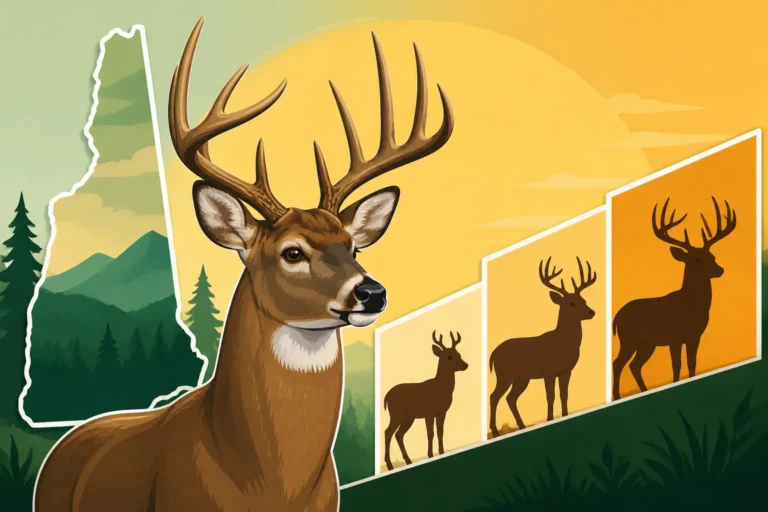
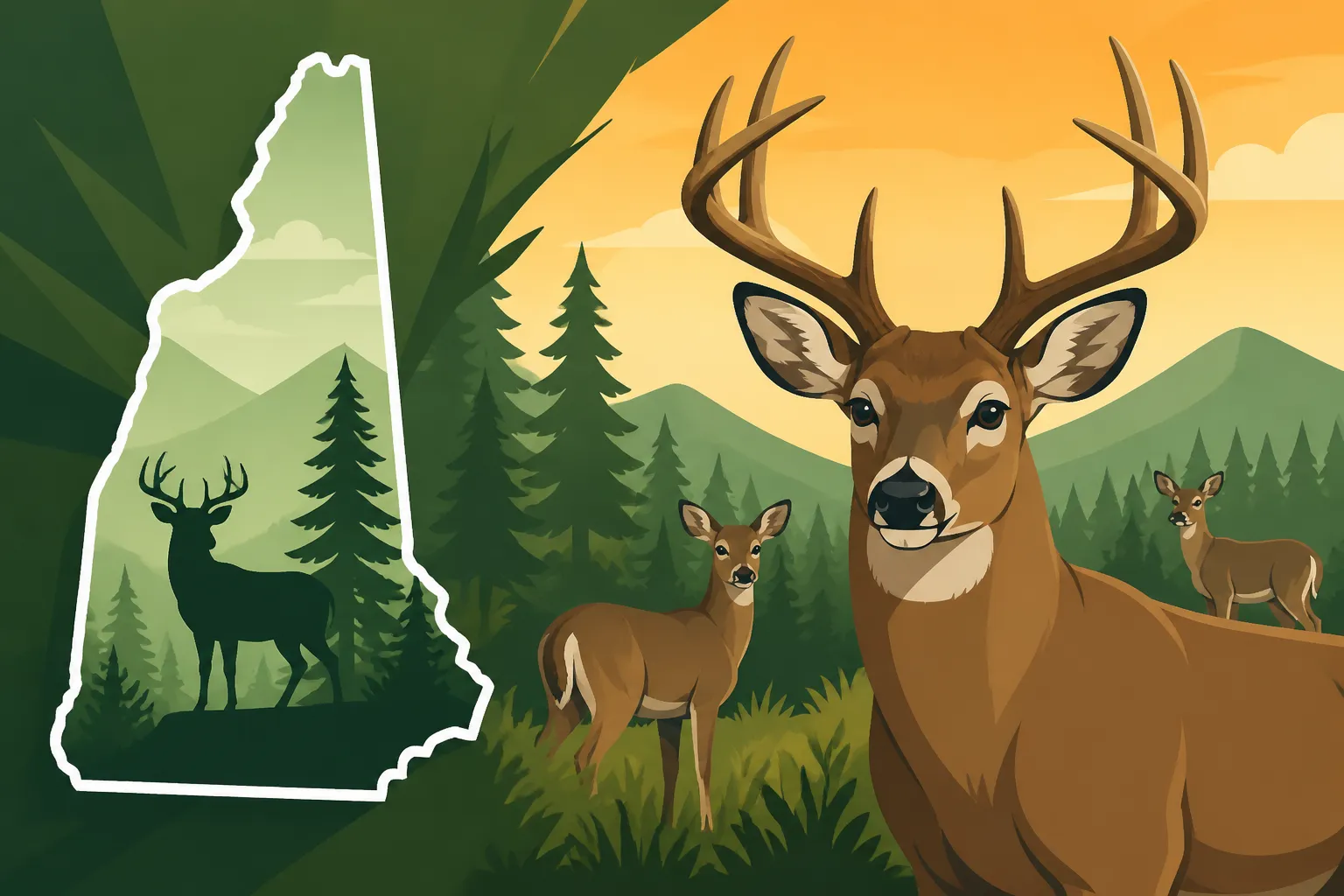
It’s a common frustration for New Hampshire hunters: you hit the woods, you put in the time, and sometimes it feels like the deer just aren't there. Or maybe, conversely, you're constantly seeing deer sign, even in unexpected places. This guide is all about peeling back the curtain on how we understand the "how many" of it all—the New Hampshire deer herd size—and what those numbers really mean for you, the hunter, trying to find success in our beautiful Granite State.
Understanding the Big Picture of New Hampshire's Deer Herd
Thinking about the sheer number of deer roaming New Hampshire can be a bit mind-boggling. It's not like counting sheep in a field; our deer are spread across vast forests, mountainous terrain, and increasingly, rubbing shoulders with our growing towns and cities. But understanding the overall health and population trends of the white-tailed deer herd is absolutely vital, not just for wildlife biologists, but for every single one of us who buys a license each year.
Why Knowing the Herd Size Matters to Hunters
For many of us, knowing the deer herd size isn't just an academic exercise; it directly impacts our hunting experience and our expectations. If you're heading into an area with a historically low deer density, your strategy, your patience, and even your definition of success might change. Conversely, knowing you're in a zone with a robust population can give you the confidence to hold out for a particular buck or fill an antlerless tag with more certainty. It's about setting realistic goals and understanding the challenges and opportunities each season presents. A healthy, well-managed deer herd means better hunting opportunities for everyone in the long run, and that's something all hunters can get behind.
The Challenge of Counting Deer in New Hampshire's Varied Terrain
Imagine trying to count every squirrel in your backyard, then multiply that challenge by New Hampshire's 9,350 square miles of varied landscape. That's essentially the task facing our wildlife management professionals. The dense conifer stands of the North Country, the rocky ridges of the White Mountains, the sprawling hardwood forests of central New Hampshire, and the fragmented woodlots bordering suburban developments—each presents its own unique set of obstacles to accurate deer counting. Factors like thick cover, vast public lands, and even private land access make direct headcounts virtually impossible. Instead, Fish and Game relies on a combination of scientific methods and data points to paint a comprehensive picture, acknowledging that it's always an estimate, but a highly educated one at that.
How New Hampshire Fish and Game Estimates Deer Populations
So, if they can't physically count every deer, how do the experts arrive at a herd size? It's a fascinating blend of field observations, hunter contributions, and sophisticated modeling. This isn't a guessing game; it's a careful, multi-faceted approach designed to provide the most accurate assessment possible for management purposes.
The Science Behind the Numbers: Harvest Data and Surveys
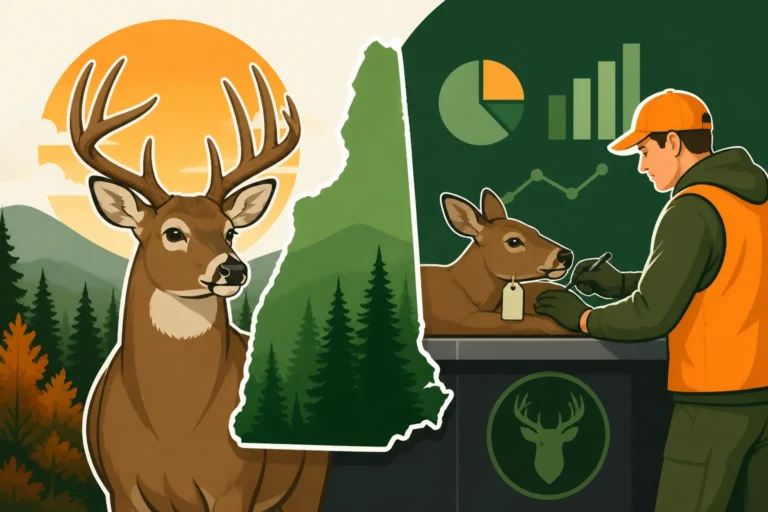
The bedrock of deer population estimates in New Hampshire, much like in many other states, is hunter harvest data. Every time a hunter successfully registers a deer, whether through the new online system or at one of the traditional check stations, that data point contributes to the bigger picture. This helps the state track total harvest numbers, which is crucial for understanding population trends. When you look at the annual New Hampshire Deer Harvest Records compiled by Fish and Game, you're seeing the direct result of this reporting.
Beyond just the number of deer harvested, the agency collects vital statistics like age, sex, and location of harvest. This helps them understand the New Hampshire Buck Age Structure, which is a key indicator of herd health and management success. They also conduct aerial surveys in certain areas when snow conditions are right, as well as deer pellet counts, and rely on public input through various surveys. All of this information is fed into complex models that estimate total population figures, antlerless deer ratios, and fawn recruitment rates. It's a collaborative effort, and our honest and timely reporting as hunters is a huge piece of that puzzle. This meticulous process helps answer the question of How Fish and Game Counts the Deer Herd year after year.
Factors Influencing Herd Health and Density
Deer populations aren't static; they ebb and flow with a multitude of environmental and human-influenced factors. Habitat quality is paramount. Areas with diverse forage, ample cover, and consistent water sources will naturally support higher densities. Think about agricultural edges with standing crops or old apple orchards, which provide crucial Late-Season Food Sources for New Hampshire Whitetails. Severe winters with deep snow can lead to increased mortality, especially among fawns and older deer, impacting How Deep Snow Affects New Hampshire Deer Survival. Predation, primarily by coyotes, plays a role, particularly in fawn recruitment. Human development fragments habitat, but it can also create new edge cover and food sources, leading to localized population increases in suburban settings where hunting pressure might be lower. Disease, while thankfully New Hampshire remains CWD-free, is always a threat that can drastically alter herd numbers.
Regional Differences in Deer Density Across the Granite State
New Hampshire is a wonderfully diverse state, and that diversity extends to its deer populations. What you experience in the rugged North Country is often vastly different from the rolling hills of the Monadnock region or the suburban fringes near Manchester. Understanding these regional nuances is key to becoming a more effective and adaptable hunter.
North Country Challenges and Lower Densities
If you've spent any time hunting in Coos County or the northern parts of Grafton County, you know it's a different world up there. The North Country is characterized by vast tracts of dense conifer and mixed hardwood forests, shorter growing seasons, and harsher winters. These factors inherently limit the carrying capacity of the land, meaning it can support fewer deer per square mile. Deer here often have larger home ranges, and their numbers tend to be lower than in other parts of the state.
When you're Hunting the North Country, expect to cover more ground and potentially go longer between sightings. The deer themselves often run smaller in body size, which is a natural adaptation to less abundant food resources and a more challenging environment. This is why you often hear experienced hunters discuss Why North Country Deer Run Smaller. It's a testament to the resilience of these animals and the demanding conditions they face.
Southern New Hampshire's Thriving Suburban and Agricultural Herds
As you move south through the state, the landscape gradually shifts. More agricultural land, more residential development, and a milder climate combine to create ideal conditions for deer. The patchwork of woodlots, fields, and suburban backyards often provides a perfect blend of food and cover. Deer in these areas typically have smaller home ranges and higher densities.
It's not uncommon to see thriving deer populations right outside of bustling towns in areas like Hillsborough, Merrimack, and Rockingham counties. This density, often referred to as Southern New Hampshire Deer Density, can present different challenges for hunters, such as navigating public land that borders private property, or increased pressure from other hunters. However, it also means a higher likelihood of encountering deer, sometimes even larger-bodied animals due to more consistent food sources.
Coastal Plain and River Valley Hotspots
Beyond the broad North-South divide, specific microclimates and habitat types can create localized deer hotspots. The fertile river valleys, like those along the Connecticut River or the Merrimack River, offer rich bottomland forests and agricultural fields. These areas often serve as prime feeding grounds and travel corridors, leading to concentrated deer activity. Similarly, the relatively flat and often fragmented coastal plain, with its mix of marshland, small woodlots, and suburban greenspaces, can hold surprisingly high numbers of deer.
Hunters who focus their efforts on these specific features often find consistent success. Learning to read the landscape for subtle funnels, pinch points, and food sources, such as an Entry Routes Through a Cut Cornfield or a Hunting a Funnel Between Two Woodlots, is crucial. These localized hotspots defy simple regional categorization and require on-the-ground scouting and adaptability.
The Impact of Management Strategies on Herd Size
New Hampshire Fish and Game doesn't just count deer; they actively manage the herd to ensure its health and sustainability, balancing ecological needs with recreational opportunities. These management strategies directly influence local deer populations, which is why it's so important for hunters to understand them.
Antlerless Permits and Their Role in Population Control
One of the most powerful tools in deer management is the issuance of antlerless permits. These permits allow hunters to harvest does and fawns, directly impacting the reproductive potential of the herd. In areas where deer populations are above desired levels, or where agricultural damage is a concern, more antlerless permits might be issued. This helps to bring the population back into balance with its habitat and prevents overbrowsing, which can degrade the overall health of the forest and, in turn, the deer themselves.
Conversely, in areas where populations are struggling or managers are trying to encourage growth, fewer or no antlerless permits may be issued. As hunters, participating in the antlerless permit system is a critical way we contribute to responsible wildlife management, ensuring a healthy herd for future generations. It’s a nuanced system that requires careful thought and planning by the state, and participation by us.
Understanding WMU-Specific Management Goals
New Hampshire is divided into Wildlife Management Units (WMUs), each with its own set of ecological characteristics, deer densities, and specific management objectives. This granular approach allows Fish and Game to tailor regulations to local conditions, rather than applying a one-size-fits-all rule across the entire state. For example, a WMU with abundant habitat and high deer numbers might have a more liberal antlerless permit allocation, while a WMU in the mountainous regions with lower densities might have very limited or no antlerless permits.
Knowing the specific management goals and regulations for your chosen WMU is not just good practice; it's essential. The New Hampshire's WMU-Based Deer Season Structure is a testament to this adaptive management. Each WMU tells a story about the local landscape, the deer herd it supports, and the best way to manage it for long-term health. Checking the annual hunting digest for these specifics before heading out is crucial for staying legal and contributing to effective management.
What the Deer Herd Size Means for Your Hunting Strategy
Ultimately, all this information about deer herd size boils down to one thing for us hunters: how do we use it to improve our chances of success and enjoy our time in the woods more fully? It's about being informed and adaptable.
Adapting Your Approach to High-Density Versus Low-Density Areas
Hunting in a high-density area, like those found in the southern WMUs, might mean you're more likely to cut fresh sign and encounter multiple deer. Here, patience can pay off, as deer are often moving more frequently. You might focus on intercepting deer along common travel routes, focusing on a Hunting a Funnel Between Two Woodlots or near abundant food sources. Conversely, in low-density areas such as the deep woods of the North Country, a more aggressive, still-hunting approach might be effective, covering vast expanses and focusing on subtle changes in terrain or cover that might hold deer. Here, every track and rub is a clue, and you need to be prepared to put on miles. Your expectations for how many deer you'll see in a day should also be adjusted accordingly, to avoid frustration.
Using Available Data to Inform Your Scouting and Stand Placement
This is where modern tools and good old-fashioned legwork come together. Before the season even begins, you can consult the New Hampshire Fish and Game website for their annual harvest reports and WMU-specific data. This gives you a baseline understanding of where deer populations are thriving or where they might be sparse. Combined with digital mapping applications like GoHunt, which can show property lines, topo maps, and even public versus private land, you can start to form a comprehensive scouting plan.
Imagine you've identified a WMU with strong deer numbers from Fish and Game reports. Then you use GoHunt to pinpoint public land parcels within that WMU, looking for features like clear-cuts, old logging roads, or terrain changes that might create natural funnels. This kind of preparation, integrating herd size data with detailed mapping, allows you to conduct more efficient Scouting New Hampshire Public Land Before Season and make smarter decisions about where to hang your stand or set up your ground blind. Don't forget, even the simple act of Using the Fish and Game App Without Cell Service can make a huge difference in staying found and informed in the field.
| Region/WMU Type | Typical Deer Density | Characteristics for Hunters | Hunting Approach Considerations |
|---|---|---|---|
| North Country (e.g., WMU A, B) | Low | Vast forests, harsh winters, less developed, deer have large home ranges. | Still-hunting, covering lots of ground, focus on subtle sign. Patience is key. |
| White Mountains (e.g., WMU E, F) | Moderate to Low | Steep terrain, dense timber, limited food sources at high elevations, deer in specific wintering yards. | Focus on lower elevations, edges of yards, transition areas, or saddles. Terrain-based hunting. |
| Central Hardwoods (e.g., WMU D1, D2) | Moderate | Mixed forests, agricultural pockets, good food and cover. | Stand hunting, ambushing travel corridors, scouting for mast crops. |
| Southern/Suburban (e.g., WMU H2, I2, K) | High | Fragmented habitat, abundant food, less hunting pressure in some areas, close to human development. | Focus on small woodlots, thickets, field edges. Navigating private land boundaries (using onX Layers for New Hampshire Land Status). |
| River Valleys (e.g., Connecticut, Merrimack) | High | Fertile bottomlands, agriculture, dense riverine cover. | Intercepting movement between bedding and feeding, scouting field edges, looking for riparian corridors. |
Disclaimer
This article is for general informational purposes only and does not constitute professional advice. Laws, prices and regulations vary by location and change over time. Consult a qualified professional for guidance on your specific situation.