New Hampshire’s Recovering River Otter Population
Have you ever been walking along a quiet stream or ice fishing on a frozen pond here in New Hampshire and caught a glimpse of something sleek and playful darting through the water or sliding across the ice? Many folks wonder if what they saw was a river otter, and if these charismatic furbearers are truly thriving here in the Granite State. This guide is all about New Hampshire's river otter population, diving deep into their remarkable recovery story, where they live, and their vital role in our diverse ecosystem.
Understanding River Otters in New Hampshire
River otters are one of those quintessential New Hampshire wildlife species that just feel right at home in our landscape of sparkling rivers, quiet ponds, and sprawling wetlands. For many years, though, their presence was a lot less common than it is today, a stark reminder of how human activities can impact even the most resilient creatures. Understanding what makes these animals unique and how they fit into our natural world is the first step to appreciating their remarkable comeback.
Distinguishing New Hampshire River Otters
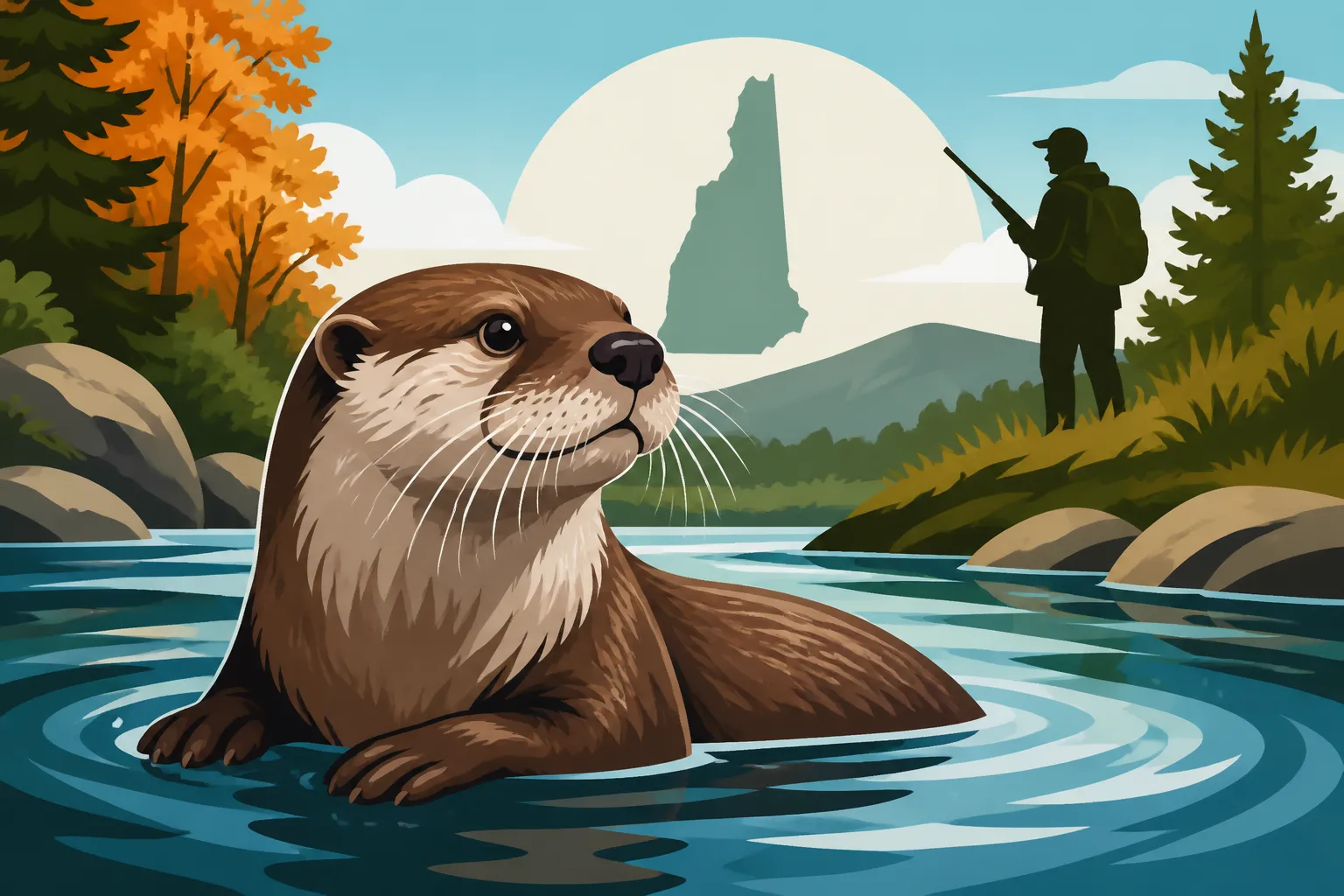
When you spot an otter, you're looking at a truly magnificent, streamlined creature perfectly adapted to an aquatic life. New Hampshire's river otters (Lontra canadensis) are typically dark brown with a lighter, silvery throat and belly. They're built like torpedoes, with short, powerful legs ending in webbed feet, and a thick, muscular tail that tapers to a point. This tail isn't just for show; it's a vital rudder and propulsion system when they're swimming at high speeds or maneuvering through swift currents. Their fur is incredibly dense and waterproof, allowing them to remain warm and dry even in the iciest New Hampshire waters. You might confuse them with a beaver or a muskrat at first glance, especially if you only catch a quick glimpse, but their sleek, fluid movement and playful demeanor are usually dead giveaways. They're often seen alone or in small family groups, and their curious nature means they sometimes stick around long enough for a good look.
These intelligent animals also possess keen senses, particularly their eyesight and touch, which are crucial for hunting underwater. Their long, sensitive whiskers, or vibrissae, help them detect prey in murky water, acting like an underwater radar system. They can hold their breath for several minutes, allowing them to dive deep and explore long stretches of river bottom or the dark corners of a beaver lodge. Observing an otter hunt is a masterclass in aquatic predation, a blend of speed, agility, and cunning that keeps them well-fed in our New Hampshire waterways.
Their Natural Habitat Preferences
River otters are obligate carnivores that primarily hunt in aquatic environments, so it’s no surprise that their preferred habitats revolve around water. Here in New Hampshire, you’ll find them in a variety of freshwater systems: slow-moving rivers, fast-flowing streams, pristine lakes, and especially the vast networks of marshes and beaver flowages that dot our landscape. They are quite adaptable and can live in both wilderness areas and surprisingly close to human development, as long as there's clean water and a good food supply.
These furbearers particularly love areas with plenty of cover along the banks—think dense vegetation, fallen logs, and rocky crevices—which they use for denning and escaping predators. They often take over abandoned beaver lodges or muskrat burrows, expanding them to suit their needs. These dens, often called "holts," are usually located with underwater entrances for quick escapes, leading to dry nesting chambers above the water line. The presence of beavers, in particular, is often a boon for otters, as beavers create and maintain the wetland habitats that otters thrive in. If you're out Hunting a Beaver Flowage Edge, keep an eye out for otter activity; it's a prime spot.
Historical Presence and Decline
River otters were once widespread across much of North America, including every corner of New Hampshire. For centuries, they were a vibrant part of the ecosystem, integral to indigenous cultures and later a key furbearer in the early colonial trapping economy. Their beautiful, durable fur was highly sought after, leading to intensive harvest practices, particularly during the peak of the fur trade. This overharvesting, combined with significant habitat loss and water pollution that began in the 1800s and intensified into the 20th century, took a severe toll on their populations.
As New Hampshire industrialized and its population grew, wetlands were drained for agriculture and development, rivers were dammed, and pollution from mills and towns degraded water quality. These factors systematically chipped away at otter numbers, pushing them out of many historical ranges. By the mid-20th century, while not entirely extirpated, their populations in many parts of the state were severely fragmented and dangerously low, a concerning trend that mirrored the fate of many other furbearers and wildlife species that relied on healthy aquatic environments. It was a bleak period for New Hampshire's river otters, a stark example of how interconnected human impact and wildlife welfare truly are.
The Story of Their Recovery
The comeback of the river otter in New Hampshire is a true testament to dedicated conservation efforts and a growing understanding of ecological balance. It's a story that showcases what's possible when people commit to restoring and protecting our natural heritage. Unlike some species, otters didn't rebound overnight; it was a gradual process built on strategic interventions and a changing environmental landscape.
Early Conservation Efforts
The turning point for New Hampshire's river otters, much like many other furbearer species, began with the implementation of stricter hunting and trapping regulations. As wildlife management agencies developed a deeper understanding of population dynamics, limits were placed on harvest numbers, and seasons were carefully structured to allow populations to recover. This meant moving away from unregulated take and towards science-based management. Wildlife managers realized that trapping, when managed sustainably, could coexist with conservation goals, preventing local overharvesting while still allowing for traditional practices.
Beyond regulations, significant efforts were also directed at habitat restoration and water quality improvement. The passage of landmark environmental legislation, like the Clean Water Act, played a crucial role. Rivers and lakes that had once been open sewers began to heal, reducing the levels of pollutants that directly impacted aquatic life and, by extension, the otters that fed on them. These broader environmental improvements laid the groundwork for otters to not just survive, but truly thrive once again, cleaning up the very ecosystems they depend on.
Factors Contributing to Their Rebound
Several key factors converged to facilitate the impressive rebound of New Hampshire’s river otter population. First and foremost, the dramatic improvement in water quality across the state was a game-changer. Cleaner rivers and lakes meant a healthier food base—fish, crayfish, and amphibians—for the otters. Without a robust food supply, no population can truly recover. This ecological cleanup allowed otters to reclaim former territories where prey was once scarce or contaminated.
Secondly, the strict management of trapping seasons and bag limits, which allowed for controlled harvests while ensuring healthy breeding populations, prevented the previous overexploitation. This carefully balanced approach enabled otters to multiply and expand their range. Lastly, the resurgence of beaver populations across New Hampshire has indirectly provided a huge boost. Beavers create and maintain vast wetland complexes that are perfect otter habitat, offering abundant food sources, shelter, and denning sites. Otters often take up residence in abandoned beaver lodges, benefiting from the engineering prowess of their rodent neighbors. This natural partnership has been invaluable, demonstrating how the recovery of one species can positively impact another. You can often see evidence of this partnership when Hunting a Beaver Flowage Edge.
Ongoing Monitoring and Management
Even with their successful recovery, the New Hampshire Fish and Game Department continues to keep a close eye on the river otter population. Monitoring is essential to ensure that their numbers remain healthy and sustainable, especially given potential future challenges. This involves a combination of methods, from reviewing trapper harvest reports to conducting field surveys and studying carcasses. Understanding population trends, age structures, and reproductive success helps wildlife biologists make informed decisions about management strategies, including setting appropriate trapping seasons and limits.
Modern tools and techniques are also being employed to gain deeper insights. Wildlife agencies use technologies like GPS tracking, remote cameras, and even environmental DNA (eDNA) sampling to detect otter presence and movements in various waterways. This data helps assess their distribution, identify critical habitats, and monitor for any signs of disease or environmental stress. For instance, using mapping applications like those offered by GoHunt can help researchers and curious citizens alike identify prime otter habitat by highlighting water bodies and adjacent cover. This continuous vigilance ensures that we can proactively address any emerging threats and maintain the health of this vital furbearer population for generations to come, a key part of the larger New Hampshire Wildlife Disease Monitoring Program.
Where to Find River Otters in New Hampshire
One of the most exciting aspects of the river otter's recovery is the increased chance for folks to actually spot these delightful creatures in their natural habitat. While they can be elusive, knowing where and how to look can significantly improve your chances of an unforgettable wildlife encounter. New Hampshire offers a wealth of potential otter hotspots, from the sprawling North Country to the more populated southern regions.
Prime River and Wetland Habitats
If you're looking to catch a glimpse of a river otter, your best bet is to focus on areas with stable, clean water sources and plenty of cover. Think along the banks of major rivers like the Connecticut River, the Merrimack, or the Androscoggin, especially stretches where the current isn't too swift and there are ample backwaters or oxbows. These areas often have a rich supply of fish and other aquatic prey. Small to medium-sized ponds and lakes with wooded shorelines are also excellent spots, particularly if they feed into or are fed by active streams.
However, the true "otter magnets" in New Hampshire are often the extensive wetland complexes, especially those created and maintained by beaver activity. Beaver ponds and flowages offer everything an otter needs: abundant food, ready-made dens, and complex underwater structures that provide both hunting grounds and escape routes. The mix of open water, emergent vegetation, and flooded timber creates a perfect ecosystem. Exploring the edges of these wetlands, particularly at dawn or dusk, can greatly increase your chances. Tools like GoHunt can be invaluable here, allowing you to examine aerial maps for tell-tale beaver dams and extensive water bodies before you even lace up your boots.
Regional Distribution Across the Granite State
While otters can be found throughout New Hampshire, their distribution isn't entirely uniform. Historically, and even now, the most robust populations tend to be in the less developed, more heavily forested regions with abundant pristine waterways. The North Country, with its vast tracts of wilderness, numerous lakes, and extensive river systems like those found within the Hunting the Connecticut River Valley and the Androscoggin, is a stronghold for otters. Areas around the White Mountains, with their countless streams and mountain ponds, also support healthy numbers.
That's not to say they are absent from the southern parts of the state. As water quality has improved and habitat connectivity has been restored, otters have expanded their range back into more populated counties. You can now find them in the Lakes Region, the Merrimack Valley, and even down towards the Seacoast, utilizing smaller rivers, marshes, and even suburban ponds that connect to larger systems. The key is seeking out those pockets of suitable habitat, even if they're smaller. Many New Hampshire Wildlife Management Areas are specifically managed for furbearers and offer excellent viewing opportunities.
Signs of Otter Presence
Spotting an actual otter can be challenging, as they are often shy and can disappear quickly. However, finding signs of their activity is much easier and can give you a good indication that they are around. Learning to "read" the landscape for these clues is a skill every wildlife enthusiast and hunter develops over time.
One of the most obvious signs is their tracks in mud or snow near water. Otter tracks usually show five toes with distinct claw marks, and their hind feet are often larger than their front. In snow, you might see evidence of their distinctive bounding gait, where they slide on their bellies between bounds, leaving a "slide" mark in addition to paw prints. Speaking of slides, otters love to slide down muddy banks or snowy slopes into the water purely for fun! These "otter slides" are smooth, worn areas that can be quite obvious. You might even discover these playful slides when Reading New Hampshire Mud for Fresh Deer Movement.
Another tell-tale sign is their scat, or "spraints," which they often deposit at communal "latrine sites" on prominent rocks, logs, or stumps near the water's edge. Otter scat is typically dark, often contains fish scales, bones, and crayfish parts, and can have a distinct, somewhat fishy odor. Chewed crayfish parts or mussel shells along the banks also indicate their presence. With a keen eye and a bit of patience, these clues can lead you to understand the vibrant lives of these aquatic acrobats.
Here's a quick guide to common otter signs:
| Sign | Description | Typical Location | Best Time to Spot |
|---|---|---|---|
| Tracks | Five-toed, often webbed prints with claw marks. Distinctive bound-and-slide pattern in snow. | Muddy banks, snow-covered ice or shorelines, sandbars. | After fresh rain/snow, soft ground near water. |
| Slides | Smooth, worn grooves or paths down banks or across ice, indicating repeated use. | Steep banks leading to water, snowy hillsides near ponds/rivers. | Year-round on mud, prominently in winter snow/ice. |
| Scat (Spraints) | Dark, often segmented droppings containing fish scales, bones, or crayfish shells. Distinct musky/fishy odor. | Prominent rocks, logs, stumps, or small mounds near water (latrine sites). | Regularly, especially in active areas. |
| Feeding Sign | Remnants of prey like fish heads, scales, crayfish parts, or mussel shells. | Along banks, on rocks, or near den entrances. | After feeding activity, typically year-round. |
| Vocalizations | Whistles, chirps, growls, and chattering sounds, especially during play or alarm. | Anywhere otters are active, particularly during social interactions. | Dawn and dusk, often during breeding season or when young are present. |
Impact on the Ecosystem and Human Interactions
River otters are more than just a beautiful sight; they are a vital component of New Hampshire's aquatic ecosystems. Their presence signifies a healthy environment, and their actions play a significant role in maintaining the balance of life in our waterways. Understanding their ecological contributions, as well as the ways humans interact with them, is key to their continued prosperity.
Ecological Role as Apex Predators
As apex predators in their aquatic domain, river otters play a critical role in maintaining the health and balance of freshwater ecosystems. They primarily feed on fish, but they're not picky; their diet also includes crayfish, frogs, salamanders, turtles, and even small birds or mammals if the opportunity arises. By consuming a wide variety of prey, they help to regulate populations of these species, preventing any one species from becoming overabundant and potentially disrupting the ecosystem. For example, they can help control invasive fish species or keep crayfish populations in check, which in turn benefits other native aquatic life.
Their foraging habits also contribute to nutrient cycling within the ecosystem. By consuming prey and depositing scat, they help distribute nutrients throughout their habitat. A healthy otter population is often an indicator of a thriving and diverse aquatic environment, much like a healthy deer herd signifies a balanced forest. The return of these animals to prominence is a positive signal for the overall health of New Hampshire's wetlands and waterways, a stark contrast to species like the New Hampshire Moose Population Decline Since the 1990s which faces different environmental pressures.
Understanding Trapping Seasons and Regulations
In New Hampshire, river otters are classified as furbearers, and their populations are managed through regulated trapping seasons. This might sound counterintuitive to some, but responsible trapping, when based on sound biological science, is a key tool for wildlife management. It helps monitor populations, provides economic incentive for habitat preservation, and can help prevent localized overpopulation that might strain resources. The New Hampshire Fish and Game Department sets specific seasons, bag limits, and regulations for New Hampshire River Otter Trapping Season to ensure sustainable harvest.
Trapping regulations are designed to be dynamic, adjusting based on population data and conservation goals. Trappers are required to have the appropriate licenses, including a trapping license, and must adhere to strict rules regarding trap types, placement, and checking periods. These rules prioritize ethical take and minimize non-target captures. For those interested in this traditional practice, it's crucial to consult the most current New Hampshire Fish and Game digest for specific dates and rules, as they can vary by Wildlife Management Unit (WMU). Tools like GoHunt can also assist in understanding land ownership and public access for trapping. The broader category of Trapping New Hampshire Furbearers includes otters alongside other species like beaver, fox, and bobcat.
Coexisting with Otters Near Ponds and Streams
As otter populations continue to recover and expand their range, there's a greater chance for human-otter interactions, even in more developed areas. For most people, spotting an otter is a delightful experience, a chance to witness wild nature firsthand. However, like all wildlife, otters can sometimes come into conflict with human interests, particularly if they take up residence near private ponds or aquaculture operations.
Otters are opportunistic predators, and a stocked fish pond can look like an all-you-can-eat buffet to them. While frustrating for pond owners, it's important to remember that otters are simply following their natural instincts. Deterring them usually involves non-lethal methods like physical barriers (fencing around ponds), deterrent devices, or removing easy food sources. It's generally not advisable to feed wild otters, as this can lead to habituation and more conflicts. Understanding their behavior and taking preventative measures is the best approach to ensure harmonious coexistence, especially as more people seek to enjoy New Hampshire's beautiful waterways.
Conservation and Future Outlook
The recovery of New Hampshire's river otter population is a conservation success story, but the work is never truly done. Ensuring their long-term health requires ongoing vigilance, adaptive management strategies, and the continued support of the public. As conditions change, so too must our approach to protecting these amazing animals.
Current Population Status and Trends
Currently, New Hampshire's river otter population is considered healthy and stable, a remarkable turnaround from their historical lows. Surveys and trapping harvest data indicate that otters are well-distributed across the state, with robust numbers in prime habitats. This positive trend reflects decades of improved water quality, habitat restoration, and responsible wildlife management. It’s a clear win for conservation efforts in the Granite State and demonstrates that concerted action can reverse declines in wildlife populations.
While the population is strong, wildlife biologists continue to monitor for subtle shifts in distribution or density. Factors such as severe winter weather, disease outbreaks (like those observed in other furbearers like the New Hampshire's Recovering Fisher Population), or localized habitat degradation could still impact specific areas. By staying proactive and continuously gathering data, the New Hampshire Fish and Game Department can quickly identify and address any emerging concerns, ensuring that otters remain a vibrant part of our state's natural heritage.
Challenges and Threats to Their Future
Despite their recovery, river otters still face potential challenges. Habitat degradation, though reduced, remains a concern. Development along waterways, changes in land use, and the potential for new forms of water pollution could impact their preferred environments. For instance, the loss of riparian buffers—the vegetated strips along rivers and streams—can reduce denning sites and increase runoff into aquatic systems. Even subtle changes in water chemistry can affect their prey base.
Another ongoing challenge is the impact of climate change. Alterations in precipitation patterns, increased frequency of extreme weather events, and changes in water temperatures could affect wetland habitats and food availability. Furthermore, emerging diseases or the presence of environmental contaminants, even at low levels, could pose risks to otters over time. Continual monitoring, as part of the broader New Hampshire Wildlife Disease Monitoring Program, is crucial to detect and mitigate these threats before they become widespread.
How Hunters and Enthusiasts Can Contribute
Every New Hampshire resident, whether they are a hunter, angler, hiker, or simply a nature enthusiast, can play a role in supporting the continued success of the river otter. For hunters and trappers, adhering strictly to regulations, accurately reporting harvests, and respecting ethical practices are paramount. Their participation in regulated seasons provides valuable data that informs management decisions for New Hampshire Small Game and Furbearers.
Beyond direct involvement, advocating for clean water initiatives, supporting wetland conservation, and participating in local land trust efforts all indirectly benefit otters by protecting their habitat. Educating others about the importance of these animals and their role in the ecosystem can also foster greater appreciation and support for conservation. Simple actions like properly disposing of waste, volunteering for stream cleanups, or using resources like the New Hampshire Fish and Game App for Scouting With the New Hampshire Fish and Game App to understand local regulations, all contribute to a healthier environment for otters and all of New Hampshire's wildlife.
Disclaimer
This article is for general informational purposes only and does not constitute professional advice. Laws, prices and regulations vary by location and change over time. Consult a qualified professional for guidance on your specific situation.