When Online Deer Registration Goes Offline
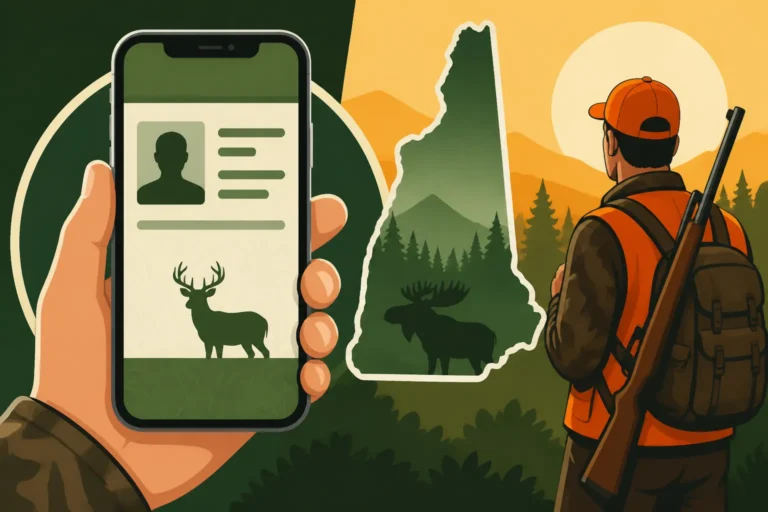
There’s nothing quite like the feeling of bagging a New Hampshire deer, but that thrill can quickly turn to frustration when you get home, ready to register your harvest online, only to find the system offline. It’s a common scenario that leaves many hunters scratching their heads, wondering why a convenient digital tool suddenly becomes unavailable. This guide will walk you through the reasons behind these online registration blackout periods, how to navigate them effectively, and what you need to know to ensure your hard-earned deer is legally checked in, even when the internet isn't cooperating.
Understanding the Online Deer Registration Blackout Periods
For many of us, the convenience of modern technology has become ingrained in every aspect of our lives, and hunting is no exception. The New Hampshire Fish and Game Department's online deer registration system is a fantastic tool that saves time and travel for countless hunters each season. However, it's not available 24/7, year-round, and hitting that "submit" button only to find a maintenance message can be a real punch to the gut after a long day in the woods. These blackout periods aren't arbitrary; they're a deliberate, and often necessary, part of managing the state's deer data and ensuring accuracy across various hunting seasons.
Why the System Goes Offline
The primary reason the online deer registration system goes offline relates to data management and integrity. Imagine thousands of deer being registered across different seasons—archery, muzzleloader, and firearms—each with distinct start and end dates. The New Hampshire Fish and Game Department needs specific windows to reconcile this data, cross-reference it with in-person registrations, and prepare for the next phase of reporting. This process prevents potential double-reporting or erroneous entries that could skew vital population and harvest statistics.
Furthermore, these blackout periods often coincide with the transition between major hunting seasons or immediately after a season closes. For example, after the main firearms season wraps up, there's a crucial period where Fish and Game staff are compiling initial harvest numbers. Keeping the online system open during this time could introduce complications as they shift focus to different reporting requirements, like the Hunting the December Muzzleloader Close. It allows them to reset, perform system maintenance, and ensure everything is running smoothly for upcoming reporting deadlines or the subsequent season's unique requirements. It’s all about maintaining a clean, reliable dataset that informs critical wildlife management decisions, ensuring the health of the deer herd for years to come.
Specific Dates and Seasons Affected
The online registration system isn't a continuous service; it typically operates in sync with the major deer hunting seasons. You'll often find that the online portal for New Hampshire Deer Reporting Requirements is active throughout the bulk of the archery season and the main portion of the firearms season. However, when specific segments conclude, particularly those that overlap or precede a different weapon type, the online option can temporarily cease.
For instance, the system might go offline shortly after the general New Hampshire Firearms Season Dates concludes, especially before or during the start of the later muzzleloader season. This transition period is key, as different regulations and reporting parameters might apply. It's not uncommon for the online system to be down for a few days, sometimes even a week or more, while the department focuses on processing the high volume of firearms season registrations, both online and in-person. Similarly, hunters participating in Hunting New Hampshire's Archery Season Into December might find that after a certain point, particularly nearing the general close of all deer seasons, online registration is no longer an option. Always check the official digest, or tools like the GoHunt app, for the exact dates when these blackouts are scheduled, as they can vary slightly year to year. The best practice is to always consult the current year's hunting digest or the New Hampshire Fish and Game website for the most accurate and up-to-date information on when the online portal will be unavailable.
Navigating In-Person Registration During Blackout Times
When the digital doors close, the traditional methods open back up. While many of us have grown accustomed to the ease of clicking a few buttons, there's a time-honored tradition of bringing your deer to an official registration station. It's not just a backup plan; it's a critical part of the process during certain periods, ensuring every harvest is accurately recorded, and important biological data can be collected directly by Fish and Game personnel or authorized agents. Embrace this as part of the hunting experience – it’s a chance to connect with fellow hunters and support the on-the-ground efforts of wildlife management.
Locating an Official Registration Station
Finding an open registration station when the online system is down is crucial. The New Hampshire Fish and Game Department works with hundreds of local businesses, sporting goods stores, and even some town offices to serve as official deer check stations. These stations are typically spread out across the state, ensuring that no hunter has to travel an unreasonable distance. Your best bet for finding the closest, currently operating station is to consult the official New Hampshire Fish and Game website or the current year's hunting digest. These resources usually provide a searchable list, often with operating hours and contact information.
Additionally, mobile applications like GoHunt can be incredibly helpful. Many of these apps integrate Fish and Game data, allowing you to use your phone's GPS to locate nearby stations, often with updated hours, especially for New Hampshire's In-Person Registration Blackout Days. Remember that phone service can be spotty in some of New Hampshire's more remote areas, so having a plan before you head out is wise. You can download maps for offline use on many apps, which can be a lifesaver when you're deep in the North Country and suddenly need to find a way to register your buck. If you're concerned about cell service, check out tips for Using the Fish and Game App Without Cell Service before you leave home.
What to Expect at a Physical Check Station
Bringing your deer to a physical check station is a straightforward process, though it might feel a little old-school compared to online reporting. First and foremost, you'll need to present your valid New Hampshire hunting license and the temporary tag that you affixed to your deer immediately after harvest. The deer generally needs to be largely intact; while field dressing is expected, extensive butchering before registration can sometimes raise questions, so it's best to check specific guidelines in the digest.
Upon arrival, a Fish and Game official or an authorized volunteer will typically inspect your deer, verify your license information, and record details about your harvest. This often includes the date of kill, the wildlife management unit (WMU) where it was taken, and the sex of the deer. For bucks, they might also record antler characteristics. This direct interaction is invaluable for wildlife biologists, allowing them to gather more precise data than online systems can capture, contributing to a better understanding of New Hampshire Deer Population Estimate. You’ll then receive an official permanent tag or sticker for your deer, which serves as your proof of legal registration. This is also a great opportunity to ask any questions you might have about regulations, local deer activity, or even share a hunting story with the station attendant and other hunters present.
Planning Ahead for a Smooth Registration Process
Nobody wants to deal with unnecessary headaches after a successful hunt. The joy of bagging a deer in New Hampshire is immense, and you want the registration process to be as smooth as possible, not a source of stress. A little proactive planning can go a long way in avoiding those "why isn't this working?" moments. By understanding the system's quirks and preparing for alternatives, you can ensure a seamless experience, whether you're hunting during the busy firearms season or taking advantage of the late archery opportunities.
Pre-Season Prep: Checking the Digest and App
The single best piece of advice for avoiding registration surprises is to thoroughly review the annual New Hampshire Hunting and Trapping Digest before your season begins. This isn't just a suggestion; it's essential reading. The digest contains all the official rules, regulations, season dates for all species including New Hampshire Muzzleloader Season Dates, and crucial information on deer registration, including specific dates when online registration may be unavailable. It will clearly outline the New Hampshire Deer Reporting Deadline and highlight any known blackout periods. Think of it as your hunting Bible.
Beyond the physical digest, leverage modern tools. The New Hampshire Fish and Game Department's official app is fantastic, and many hunters also use third-party platforms like GoHunt that integrate up-to-date regulatory information. Make sure these apps are updated and that you know how to navigate their features, especially how to find check stations and view season dates specific to your WMU. Familiarize yourself with the process for Registering a New Hampshire Deer Online when it's available, so you can act quickly when needed. Having this information readily accessible, even if you just take screenshots on your phone for areas with poor service, can save you a lot of grief in the field.
Keeping Your Options Open: Online vs. In-Person Mindset
While online registration offers unparalleled convenience, especially for those long drives back from the North Country, it’s critical to maintain a flexible mindset. Don't assume the online portal will always be available, especially if you're hunting late into the season or during transitional periods like the Hunting the Rut in Early-to-Mid November which often precedes the firearms season. Always have a mental (or even physical) backup plan for in-person registration.
This means knowing where several nearby check stations are located in your hunting area, understanding their typical operating hours, and being prepared to transport your deer to one if necessary. Consider the logistics: will your vehicle accommodate the deer? Do you have proper game bags for Field Dressing a Deer in Cold Weather if the station is a long drive away? Many hunters actually prefer the traditional check station experience, viewing it as a moment of community and a chance to proudly display their harvest. It's also where you can get invaluable insights from game wardens or other seasoned hunters about things like Reading a New Hampshire Harvest Report or understanding current New Hampshire CWD Prevention Rules. By preparing for both eventualities, you’re not just ready for legal compliance, you’re ready for whatever the hunt throws your way.
Common Questions and Misconceptions About Deer Registration
Even seasoned hunters can get tripped up by the nuances of deer registration, especially when dealing with online systems that aren't always available. There are often lingering questions and common misconceptions that can lead to confusion or, worse, potential issues with Fish and Game. Let's clear up some of the most frequent queries to ensure you're always on the right side of the law and contributing positively to wildlife management efforts in New Hampshire.
The Importance of Timely Registration
It cannot be stressed enough: timely registration of your harvested deer is not just a suggestion, it's a legal requirement in New Hampshire. The law dictates that a deer must be registered within 24 hours of harvest, or within 12 hours if the deer is transported out of state. This strict timeframe serves multiple critical purposes. First, it ensures that accurate data is collected as close to the harvest event as possible, which is vital for wildlife biologists monitoring deer populations, health, and age structures across various New Hampshire's WMU-Based Deer Season Structure. This data directly influences future season lengths, bag limits, and overall management strategies.
Secondly, prompt registration helps prevent poaching and illegal activity. A registered deer is a legally accounted-for deer, reducing the chances of someone taking more than their legal limit or harvesting out of season. It maintains accountability within the hunting community. Ignoring this requirement or delaying registration can lead to penalties, so it’s always best to make it a top priority, even if that means making an unexpected trip to a check station, potentially after dark for a late-season Hunting the December Archery Close. Remember, your compliance is a cornerstone of ethical hunting and effective conservation in the Granite State.
What Happens if You Don't Register on Time
Failing to register your deer within the legal timeframe can lead to more than just a slap on the wrist. In New Hampshire, it is considered a violation of hunting regulations, and consequences can range from fines to, in more severe cases, loss of hunting privileges. The New Hampshire Fish and Game Department takes these regulations seriously because the integrity of their harvest data is paramount to sound wildlife management. An unregistered deer is essentially an unaccounted-for animal, which can complicate population models and resource allocation.
Beyond the legal ramifications, there's the ethical consideration. As responsible hunters, we have a duty to adhere to the rules that govern our sport. These rules are in place to ensure fair chase, sustainable harvests, and the long-term health of the wildlife populations we cherish. If you find yourself in a situation where you've harvested a deer and are having trouble with the online system or reaching a check station, it is always best to contact the New Hampshire Fish and Game Department directly. Explain your situation and seek guidance rather than delaying registration or, worse, attempting to bypass the system. Understanding rules like New Hampshire Deer Tag Transfer Rules is also important to ensure everything is handled correctly. Open communication is key to resolving any unforeseen issues and demonstrating your commitment to ethical hunting practices.
Here's a quick reference for typical online registration availability:
| Season Segment | Online Registration Status | In-Person Registration Status | Notes |
|---|---|---|---|
| Archery Season (Early-Mid) | Typically ACTIVE | Optional, but available | Convenient for most early season harvests. |
| Firearms Season (Main) | Typically ACTIVE | Optional, but available | High volume, online often preferred. |
| Post-Firearms / Pre-Muzzleloader | OFFLINE for reconciliation | REQUIRED | Crucial transition period, plan for physical check. |
| Muzzleloader Season (Late) | Often OFFLINE | REQUIRED | Verify dates, often a continuation of blackout. |
| Youth Weekend | Typically ACTIVE | Optional, but available | Check for specific youth weekend rules and dates. |
| Late Archery (Dec) | Often OFFLINE | REQUIRED | Nearing the end of the calendar year, system often closed for final data. |
Disclaimer
The information provided in this guide is for general informational purposes only and is subject to change. Always consult the most current New Hampshire Fish and Game Department official hunting regulations and season digests for precise dates, rules, and legal requirements before heading afield.