New Hampshire Muzzleloader Season Dates
There's nothing quite like the crisp air of a New Hampshire November, the scent of damp leaves underfoot, and the quiet anticipation of the muzzleloader season. For many hunters, myself included, this short but sweet window between archery and the frantic firearms opener offers a unique challenge and a chance to experience deer hunting in a way that truly connects you with the past. But let's be honest, trying to nail down the exact New Hampshire muzzleloader season dates, along with all the little nuances of the regulations, can feel like tracking a ghost through a thick spruce stand. This guide is here to untangle all that, giving you the clear, comprehensive information you need to confidently plan your next black powder hunt.
Unpacking New Hampshire's Muzzleloader Season Calendar
The muzzleloader season in New Hampshire is a distinct, often brief, period that falls right in the sweet spot of the deer hunting calendar. It's a special opportunity for those who appreciate the tradition and challenge of black powder firearms. This season isn't just an extension; it's its own entity with specific dates and rules that separate it from both archery and the general firearms season.
Understanding the Statewide Calendar
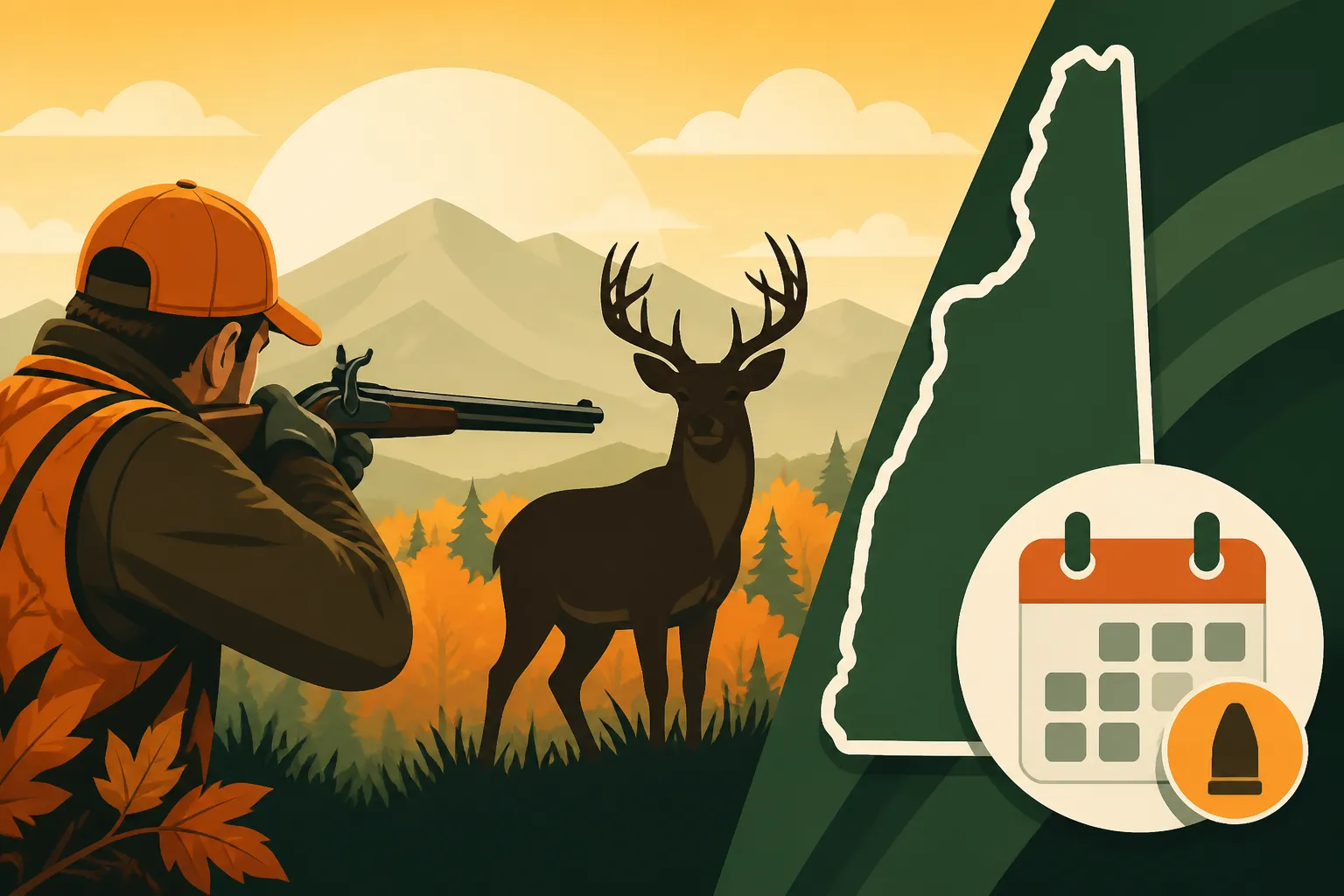
Historically, New Hampshire’s statewide muzzleloader season generally encompasses a 10-day period in early November, often commencing on the last Wednesday of October and running through the first Tuesday of November. For example, in 2023, the season was from November 1st to November 7th in all Wildlife Management Units (WMUs). This particular timeframe is strategically placed after the archery-only season has quieted down and right before the hustle and bustle of the general firearm season begins. It’s a moment of relative calm in the woods, giving muzzleloader hunters a distinct advantage to pattern deer that haven't yet been heavily pressured by the larger numbers of hunters that come with the firearms opener.
The New Hampshire Fish and Game Department carefully sets these dates each year, balancing harvest objectives with hunting opportunities. It’s absolutely critical to consult the official New Hampshire Hunting Digest annually, as these dates can shift slightly. Relying on last year's dates is a sure-fire way to find yourself out of compliance. This early November timeframe often coincides with the pre-rut, meaning bucks are starting to move more, laying down sign, and becoming more receptive to calls, but they're not yet entirely focused on does, making them somewhat predictable in their travel corridors. Many hunters use mapping tools like GoHunt to mark these dates on their calendars and overlay them with moon phases and historical deer movement data to get a clearer picture of potential activity.
WMU-Specific Variations and Considerations
While the muzzleloader season is largely statewide, understanding New Hampshire's WMU-based deer season structure is always important, as some units might have slight nuances or special regulations, although for muzzleloader it is usually uniform across the state. In general, New Hampshire does not typically implement WMU-specific date variations for the regular muzzleloader deer season, unlike the archery or firearms seasons which sometimes have earlier closures in WMU A, for instance. However, specific WMU regulations can change, especially concerning antlerless permits or special urban deer management programs that might coincide.
It’s always prudent to double-check the digest for your specific hunting area. For instance, while the dates for taking a legal buck are usually consistent statewide, if antlerless permits were offered, their validity might be tied to certain WMUs during the muzzleloader period. These are the kinds of details that can make or break a hunt, so never assume. Even if the dates are uniform, the deer density and hunting pressure can vary drastically from the North Country bogs to the more suburban fringes of southern New Hampshire, impacting your strategy during these How Many Days New Hampshire's Muzzleloader Season Runs days. This is where local knowledge and detailed scouting come into play, regardless of uniform dates.
The Unique Appeal of Muzzleloader Hunting
Muzzleloader season isn't just another hunting opportunity; it's a distinct experience that offers a blend of tradition, challenge, and often, a quieter time in the woods. Many hunters view it as a bridge between the intense focus of archery and the broader reach of modern firearms.
The Post-Archery, Pre-Firearms Window
One of the greatest advantages of the New Hampshire muzzleloader season is its timing. It sits squarely in that sweet spot after the initial rush of the archery season, when deer have settled a bit but haven't yet been exposed to the heavy pressure of the general firearms season. This window means deer often behave more naturally, following their established routines without as much disruption. You’re often hunting deer that are still in their pre-rut patterns, perhaps hitting scrapes and rubs with increasing frequency.
This unique positioning offers a more intimate hunting experience. Fewer hunters are typically out in the woods compared to the general firearms season, leading to quieter conditions and less disturbance. Deer might be a bit more relaxed, though always wary. For those who enjoy the thrill of calling or rattling, this period can be incredibly productive, as bucks are becoming more aggressive and responsive to challenges as the rut approaches. It’s also an excellent time to focus on specific travel corridors or pinch points that might get blown out once rifle season opens. This is often an ideal time for Hunting a Muzzleloader Tag Before Firearms Opens, allowing you to capitalize on deer behavior before the landscape changes significantly.
Weather Considerations and Gear Adaptations
Hunting in early November in New Hampshire means you need to be prepared for just about anything Mother Nature can throw at you. Temperatures can swing wildly, from surprisingly mild, almost Indian summer-like days, to bitter cold snaps with freezing rain or even the season's first significant snowfall. This variability demands careful gear selection, especially when dealing with black powder. Moisture is the bane of a muzzleloader, so keeping your powder and primer dry is paramount.
You’ll want to invest in reliable waterproof clothing and consider carrying a small, dry bag for critical components like primers or powder pellets. Some hunters even carry a small, weatherproof cover for their muzzleloader when sitting in a stand. When you're choosing a muzzleloader for the ten-day season, consider models known for their reliability in adverse conditions. In-line muzzleloaders with sealed primer systems tend to be more forgiving than traditional flintlocks or percussion caps in wet weather. Keeping a muzzleloader dry in late-fall rain is a skill honed by experience, often involving creative use of electrical tape, cling wrap, or specialized covers. Beyond the weapon itself, good insulation and layering are key. Start with a moisture-wicking base layer, add insulating mid-layers, and top it off with a waterproof/windproof outer shell. Your boots should be warm, waterproof, and provide excellent traction for navigating potentially slippery leaves or early snow.
Muzzleloader Licensing and Equipment Essentials
Stepping into the New Hampshire muzzleloader season requires more than just knowing the dates; it demands a solid understanding of the specific licenses, permits, and equipment regulations to ensure a legal and successful hunt. The state takes its hunting regulations seriously, and ignorance is rarely an excuse.
Muzzleloader License and Permits
To legally hunt deer with a muzzleloader in New Hampshire, you’ll first need a valid New Hampshire hunting license. This is your foundational permit, establishing your right to hunt in the state. For residents, this typically involves purchasing a base hunting license. Non-residents will need to acquire a non-resident hunting license, which is a bit pricier but grants similar privileges. On top of your general hunting license, you must purchase a specific New Hampshire Muzzleloader Permit. This permit is what authorizes you to use a muzzleloader during its dedicated season. Without it, your general hunting license only covers other legal methods during their respective open seasons.
These permits are usually available for purchase online through the New Hampshire Fish and Game website, or in person at various license agents across the state, like local sporting goods stores. It's always best to buy your permits well in advance, so you're not scrambling at the last minute. Keep digital or physical copies of all your licenses and permits on you at all times while hunting. Remember, like all hunting licenses, you must also be compliant with New Hampshire Hunter Education Requirements unless you fall under specific exemptions like the apprentice hunter program. Always ensure you are familiar with the current year's regulations on permit costs and availability.
Weapon Restrictions and Rules
New Hampshire has specific rules regarding what constitutes a legal muzzleloader for deer hunting. Generally, a legal muzzleloader is a firearm loaded from the muzzle, uses black powder or an approved substitute, and propels a single projectile. This means no shot (like birdshot or buckshot) is permitted for deer hunting with a muzzleloader. The projectile itself must be a single bullet, typically a sabot or a patched round ball. The minimum caliber for deer is usually .40 caliber, but larger calibers like .50 caliber are very popular and highly effective.
Scopes are generally allowed on muzzleloaders in New Hampshire, which can be a huge advantage for shot placement, especially in varying light conditions. However, electronic sighting devices that project a beam onto the target, or those that enhance ambient light (night vision), are typically prohibited. You'll also want to make sure your muzzleloader is in good working order and that you've practiced extensively with it. Familiarity with your weapon, understanding its range limitations, and practicing ethical shot placement are critical. Also, be mindful of any restrictions on carrying multiple firearms; during the muzzleloader season, you should typically only be carrying a legal muzzleloader. Refer to the current digest for exact specifications on muzzleloader types and ammunition.
| Feature | Description | Considerations |
|---|---|---|
| Season Dates | Typically 10 days in early November (e.g., Nov 1-7 in 2023) | Check official NH F&G digest annually; can overlap with pre-rut activity. |
| Required License | General NH Hunting License + NH Muzzleloader Permit | Purchase both in advance; available online or at agents. |
| Legal Weapon | Muzzle-loaded firearm, black powder/substitute, single projectile | Minimum .40 caliber; no shot; scopes generally allowed. |
| Ammunition | Sabot or patched round ball | Practice with your chosen projectile; consider wet-weather performance. |
| Clothing | Blaze orange required during muzzleloader season | Minimum 200 sq. inches visible from all sides. Check specific requirements. |
| Deer Bag Limit | One deer (buck or doe, depending on permits) | Antlerless permits may be limited or WMU-specific. See New Hampshire Firearms Season Dates and New Hampshire Archery Season Dates for other season bag limits. |
| CWD Prevention | Mandatory sampling in certain areas, restrictions on carcass importation | Be aware of New Hampshire's CWD Prevention Rules. |
Strategic Hunting During the Muzzleloader Window
The unique timing and constraints of the muzzleloader season call for a tailored hunting strategy. You’re not just carrying a different weapon; you’re hunting in a different mindset, often contending with transitional deer behavior and potentially challenging weather.
Scouting and Stand Placement
Effective scouting is paramount for success during the muzzleloader season. Deer behavior in early November is often in flux, transitioning from their late-October routines to the full-blown rut. This is a time when bucks start to broaden their home ranges, actively seeking out does, but they also still rely on established food sources. Focus your scouting efforts on identifying these key resources – standing mast crops, persistent agricultural fields, and even early browse. Look for fresh rubs and scrapes, which are excellent indicators of buck activity. Using mapping applications like GoHunt can help you overlay historical data with current sign to pinpoint prime locations.
When it comes to stand placement, think about funnel points, saddles, and pinch points between bedding areas and food sources. These natural travel corridors become even more critical as bucks start cruising. Consider placing stands in areas with good visibility but also enough cover to break up your silhouette. Remember, a muzzleloader shot is typically limited in range compared to a modern rifle, so you need to bring the deer in closer. This might mean adjusting your stand height or position to account for a 50-75 yard shot, rather than a 150-200 yard one. Also, factor in wind direction and thermals, especially if you’re hunting steep terrain or river bottoms. This is crucial for both Still-Hunting White Mountain National Forest Timber and stands.
Adapting to November Deer Behavior
The early November timeframe of the muzzleloader season often coincides with what many hunters call the "seeking phase" or "pre-rut." Bucks are becoming more active, restless, and increasingly focused on finding does, but the primary breeding hasn't typically peaked yet. This means they'll be on the move during daylight hours more consistently than earlier in the fall. They might check scrape lines more frequently and respond better to calling and rattling. Understanding this behavior allows you to adapt your tactics.
Consider incorporating light rattling sequences or grunt calls, especially if you're in an area with good buck numbers. Bucks are looking for rivals at this time. Focus your efforts during the mornings and late afternoons, but don't discount midday movement, as bucks will often cruise during the middle of the day looking for does. Pay close attention to subtle shifts in weather – a cold front can kick deer movement into high gear. Be patient, stay warm, and commit to long sits if the conditions are right. This is often the prime time for Rattling and Grunting New Hampshire Bucks. Remember that a clean, quick kill is paramount, especially with a single-shot muzzleloader. Know your effective range and stick to it.
Post-Harvest: Registration and Reporting Your Muzzleloader Success
Bringing a deer down with a muzzleloader in New Hampshire is a deeply satisfying achievement, but the hunt isn't truly over until your harvest is legally registered. This is a crucial step that ensures proper wildlife management and compliance with state law. Skipping this step, or delaying too long, can lead to unnecessary trouble.
The Importance of Timely Registration
New Hampshire mandates that all deer harvested by hunters be registered within a specific timeframe, usually within 12 hours of the kill. This isn't just a bureaucratic formality; it's a vital component of the New Hampshire Fish and Game Department’s wildlife management strategy. Registration data provides critical information on deer population health, harvest rates, and age structure, which in turn informs future season settings and permit allocations. Accurate data helps biologists ensure healthy deer herds for generations to come.
As a responsible hunter, ensuring your harvest is registered promptly is part of your ethical duty. Failing to register a deer can result in fines and loss of hunting privileges. It’s important to familiarize yourself with the process before you head into the woods. Know where your nearest registration stations are, or how to use the online system. This foresight will prevent a mad scramble and potential issues, especially if you harvest a deer late in the day or far from populated areas. The registration process itself is straightforward, asking for information such as the WMU of harvest, date, sex of the deer, and sometimes age class.
Online vs. In-Person Reporting Options
New Hampshire Fish and Game offers convenient ways to register your deer, catering to different situations and preferences. The most modern and often easiest method is online registration. Hunters can typically access the online portal via the Fish and Game website or even through a dedicated mobile app. This allows you to register your deer right from the field, or shortly after getting back to camp, provided you have cell service. Registering a New Hampshire Deer Online is usually quick and efficient, giving you a confirmation number and sometimes a printable tag.
However, there are specific "blackout days" when the online registration system is temporarily offline to allow for data transfer and processing, particularly during the peak of the general firearms season. During these times, or if you simply prefer the traditional method, you'll need to utilize one of the many in-person registration stations located throughout the state. These are often at convenience stores, general stores, or sporting goods shops. Make sure to check the Fish and Game website or the current digest for a list of active registration stations. If you happen to harvest your deer during one of these blackout periods, knowing Registering a Deer at a Station During the Blackout is essential to remain compliant. Always keep your confirmation number or physical tag in a safe place, as it is proof of legal harvest.
Disclaimer
The information provided in this guide is for general informational purposes only and is subject to change. Hunting regulations, season dates, and licensing requirements are determined by the New Hampshire Fish and Game Department and can be updated annually. Always consult the most current official New Hampshire Hunting Digest and relevant state laws before planning and engaging in any hunting activities.