New Hampshire Moose Lottery Application Process
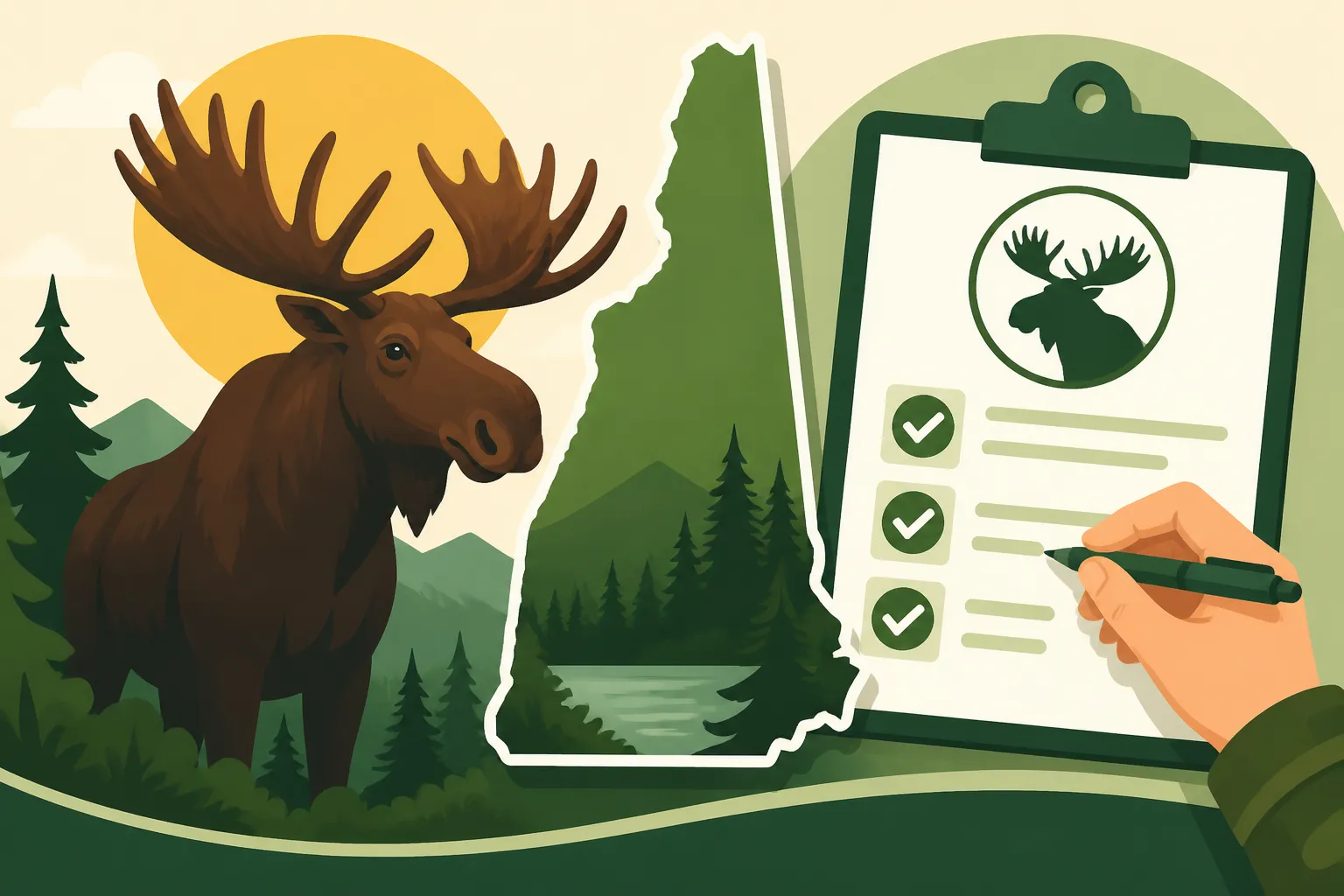
For many New Hampshire hunters, and even those from out of state, the dream of drawing a moose permit is a powerful one. However, the New Hampshire Moose Lottery can often feel like an intricate puzzle, with specific deadlines, nuanced rules, and the ever-present question of how to maximize your chances. It's a significant investment of hope and, let's be honest, a little bit of money, so missing a crucial step can be incredibly frustrating. This comprehensive guide aims to demystify the New Hampshire Moose Lottery application process, breaking down every single step so you can confidently throw your hat in the ring for this truly once-in-a-lifetime opportunity to hunt one of North America's most magnificent animals.
Understanding the New Hampshire Moose Lottery System
The New Hampshire moose lottery isn't just a random drawing; it's a carefully managed system designed to balance hunting opportunities with the health and stability of the state's moose population. Getting a clear grasp of why it exists and who runs it is the first step in successfully navigating the application process.
Why the Lottery Exists and Who Manages It
New Hampshire's moose population is a precious resource, but like any wildlife population, it needs careful management to thrive. The New Hampshire Fish and Game Department (NHFG) is the agency tasked with this monumental responsibility. Unlike deer, which have a more robust population across the state and a longer hunting season, moose numbers are more sensitive to factors like winter tick prevalence and habitat changes. To ensure sustainable hunting, NHFG issues a limited number of moose permits each year, based on scientific data, aerial surveys, and health assessments. This controlled allocation prevents over-harvesting and helps maintain a healthy age and sex structure within the herd, particularly in areas like the North Country where moose are most prevalent. Without this careful regulation, the moose population could quickly decline, leading to a loss of hunting opportunities for everyone. The lottery ensures fair access to these limited permits, giving every eligible hunter a shot at the experience.
Key Dates and Deadlines You Cannot Miss
Missing a deadline for the New Hampshire Moose Lottery is arguably the most common and heartbreaking mistake an applicant can make. The NHFG operates on a strict timeline, and there are no exceptions for late submissions. Typically, the application period for the moose lottery opens sometime in January or February and closes in mid-to-late May. The actual lottery drawing then usually takes place in June, and successful applicants have a short window, often just a couple of weeks, to accept and pay for their permit.
Imagine this scenario: you've been dreaming of a moose hunt for years, you finally decide to apply, and you fill out the application with all your heart set on that permit. You save it as a draft, intending to submit it after work one evening. But life gets in the way – maybe a sudden family emergency or an unexpected long day at the office – and you forget to click that final "submit" button. The deadline passes at midnight. The next morning, you remember with a jolt, log in, and find the portal closed. All that anticipation, all that planning, instantly dashed for an entire year. This isn't just a hypothetical; it happens to hunters every season. My advice? Mark these dates on every calendar you own, set multiple phone reminders, and submit your application well in advance of the deadline. Don't leave it to the last minute!
Eligibility and Application Requirements
Before you even think about putting your name in the hat, it’s crucial to understand who is eligible to apply and exactly what information you'll need to provide. There are distinct differences based on your residency and the type of hunting license you hold.
Resident vs. Non-Resident Status and Costs
The New Hampshire Moose Lottery is open to both residents and non-residents, but the costs and draw odds differ significantly. A resident, as defined by NHFG, is someone who has resided in New Hampshire for at least six consecutive months immediately prior to applying for a license or permit. Non-residents are, of course, anyone who doesn't meet that criterion. It's important to understand these definitions fully, as misrepresenting your residency can lead to serious penalties.
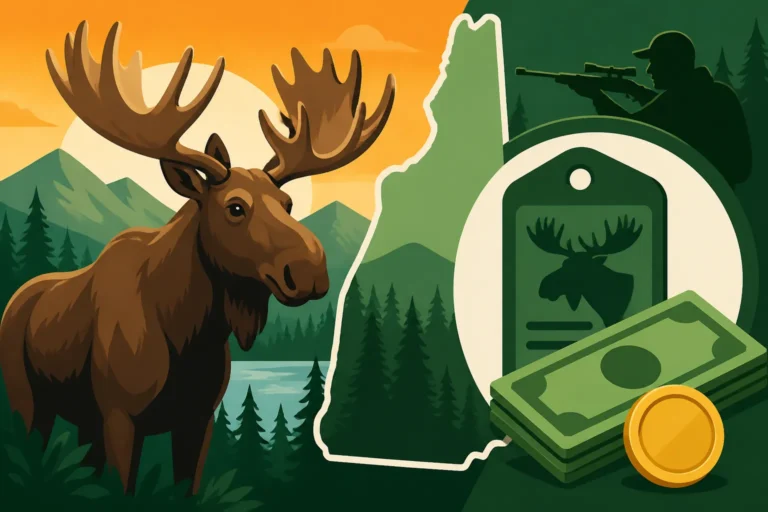
The application fee for the moose lottery is relatively modest, designed to cover the administrative costs of running the drawing. However, if you are lucky enough to be drawn, the actual permit fee is substantial, reflecting the incredible value and rarity of this tag. Generally, the fee for a resident moose permit is considerably less than that for a non-resident. This disparity is common in wildlife management across states, as residents contribute to conservation efforts through their taxes and other state fees. For example, a non-resident might pay several hundred dollars more for the permit itself if drawn, compared to a New Hampshire resident. You'll also need a valid New Hampshire hunting license to apply, even for the lottery, which also has different costs for residents versus non-residents. This is a crucial point many first-time applicants overlook. Understanding New Hampshire Resident License Options and New Hampshire Nonresident License Options is fundamental to starting the process correctly.
Here's a quick comparison of the typical costs involved in the New Hampshire Moose Lottery, though exact figures can change year to year:
| Item | New Hampshire Resident (Approx.) | Non-Resident (Approx.) |
|---|---|---|
| Moose Lottery Application Fee | $15 | $25 |
| Moose Permit Fee (if drawn) | $150-200 | $600-800 |
Keep in mind these are just the lottery and permit fees. You'll also need to factor in your base hunting license cost. The New Hampshire Moose Lottery Application Fee is a non-refundable entry cost, regardless of whether you're drawn.
Required Information for Your Application
Filling out the application requires precision. Beyond your basic contact information, you'll need a current New Hampshire hunting license number. If you don't have one, you'll need to purchase a general hunting license before you can apply for the lottery. This ensures that only qualified hunters, who have met hunter education requirements, are applying for these highly sought-after permits.
Perhaps the most critical part of the application is selecting your Wildlife Management Unit (WMU) preferences. New Hampshire is divided into various WMUs, and for moose, only certain WMUs are open to hunting, and only a specific number of permits are allocated to each. You'll typically be asked to rank your preferred WMUs in order. This is where your research truly pays off. Do you want to hunt in WMU A, way up in the Great North Woods, known for its vast wilderness and high moose density, but potentially tougher access? Or perhaps WMU D1, which might have lower moose numbers but more accessible terrain? Making an informed decision here is vital, as it directly impacts your draw odds and your hunting experience if successful. Don't just pick a WMU at random; study the "New Hampshire's Eight Moose-Permit WMUs" carefully.
Finally, the application also offers the option for party hunting. This means two hunters can apply together on a single application. If that application is drawn, both hunters are issued a permit for the same WMU and season. This is a popular option for friends or family who want to share the experience. However, only one person on a party application accrues preference points for that year, which is an important consideration we'll delve into later.
Navigating the Online Application Portal
In today's digital age, submitting your New Hampshire Moose Lottery application is almost exclusively done online. While convenient, it can still present its own set of challenges, especially if you're not familiar with the state's online licensing system.
Step-by-Step Guide to Online Submission
The New Hampshire Fish and Game Department uses a robust online licensing system for all permits and licenses, including the moose lottery. The first step is to visit the NHFG website and locate the licensing and permits section. You'll need to either log into an existing account or create a new one. If you've ever purchased a hunting or fishing license in New Hampshire before, you likely already have an account. Make sure your personal information is up-to-date, as this will be used for your application and any future communications.
Once logged in, navigate to the moose lottery application. The system is generally user-friendly, guiding you through each stage. You'll input your personal details, confirm your residency status, and then come to the crucial WMU selection. Take your time here! Review your choices carefully before proceeding. The system will also prompt you for payment of the New Hampshire Moose Lottery Application Fee. Double-check all entered information before hitting that final "submit" button. A single typo in your license number or WMU selection could complicate things if you're drawn. Remember, the goal is to get your application submitted cleanly and correctly. For general understanding of the process, you can refer to Buying a License Through New Hampshire's Online Portal.
Choosing Your Preferred Wildlife Management Units (WMUs)
This is perhaps the most strategic decision you'll make in the entire application process. New Hampshire has eight specific WMUs where moose permits are issued: A, B, C, D1, D2, E, F, and G. Each of these units has different characteristics regarding moose density, terrain, public land access, and, most importantly, different draw odds. For example, WMUs in the northern part of the state, like A, B, and E, often have higher moose populations and more permits, but also more applicants, especially non-residents eager to hunt the iconic North Country. Southern WMUs, like G, might have fewer permits but also fewer applicants, potentially leading to slightly better (though still very low) odds.
When you're filling out the application, you'll be asked to list your WMU preferences in order (1st choice, 2nd choice, 3rd choice, etc.). The lottery drawing process will first try to award you a permit in your first-choice WMU. If all permits for that unit are already allocated, it moves to your second choice, and so on. It's a sequential process. This makes researching the "New Hampshire Moose Density by WMU" and "New Hampshire Moose Draw Odds by Residency" incredibly important. Some hunters prefer to put a less popular WMU as their first choice, hoping for slightly better odds, even if it means hunting in an area with fewer moose. Others will always put their dream WMU first, knowing the odds are long but the reward is worth it. Tools like GoHunt can be incredibly helpful here, as they often compile historical draw odds and harvest data, allowing you to make a more informed decision about where to apply. They can provide insights into which units might be slightly less competitive or have higher success rates once a permit is drawn.
Understanding the Drawing and Permit Allocation
Once your application is submitted, it enters the waiting game. The drawing itself is a complex process governed by the NH Fish and Game Department, incorporating a preference point system that rewards loyalty to the lottery.
The Preference Point System Explained
New Hampshire utilizes a preference point system designed to give long-term applicants a slightly better chance of drawing a permit. It works like this: for every year you apply for the moose lottery and are not drawn, you earn one preference point. These points accumulate over time. When the drawing occurs, applications with more preference points essentially get a "boost" in the draw. For instance, if you have 10 preference points, your application effectively gets entered into the drawing 11 times (your current year's entry plus your 10 points). This doesn't guarantee a tag, but it significantly improves your odds compared to someone with zero points.
It's a system that rewards patience and persistence. If you skip a year of applying, you lose all your accumulated preference points, effectively starting over. This is a crucial detail! Even if you can't afford the permit that year, many dedicated hunters will still pay the small New Hampshire Moose Lottery Application Fee just to maintain their preference points. Think of it as an investment in your future moose hunting dreams. Understanding the New Hampshire Preference Point System Explained is key to a long-term strategy for this lottery. This system is why you'll hear stories of people finally drawing a tag after 15, 20, or even 30 years of applying—their accumulated points finally tipped the scales in their favor.
What Happens If You're Drawn (and If You're Not)
The day of the drawing is usually in June, and the tension for applicants is palpable. If you are one of the lucky few, the New Hampshire Fish and Game Department will notify you via mail or email (depending on your chosen communication preference during application). This notification will include details about your assigned WMU, the specific season dates (usually a nine-day season in October), and instructions on how to formally accept and pay for your permit. This acceptance and payment period is typically short, often just 10-14 days. Missing this payment deadline means forfeiting your permit, which then goes to an alternate drawn applicant. This is why having funds set aside for the New Hampshire Moose Permit Cost for Residents or New Hampshire Moose Permit Cost for Nonresidents is so important!
If you're not drawn, don't despair! While it's certainly disappointing, remember that you've just earned another preference point, moving you one step closer for next year. This is the time to maintain your resolve, save those preference points, and start planning for other hunting seasons. Many hunters who don't draw a moose tag will pivot to opportunities like Bowhunting New Hampshire's Long Archery Season or preparing for New Hampshire's November Firearms Deer Season. The hunting season in New Hampshire is long and full of other adventures, so a missed moose tag is just an opportunity to focus on another quarry.
Post-Drawing Steps and Hunt Preparation
Congratulations! If you've been drawn, the real work (and excitement) begins. This isn't just about showing up; it's about meticulous preparation to make the most of your incredible opportunity.
Accepting Your Permit and Important Next Steps
The first and most critical step after being notified is to accept your permit and pay the full fee before the deadline. This often involves logging back into your NHFG online account, confirming your details, and completing the payment. Once paid, you'll receive your official moose permit. Read through it carefully. It will explicitly state your assigned WMU, the exact New Hampshire Moose Season Dates, and any specific regulations or tagging requirements. These details are non-negotiable, and understanding them perfectly prevents any costly mistakes in the field.
Beyond the permit itself, this is also the time to firm up your hunting partners. If you applied as a party, you both know you're going. If you applied individually but plan to hunt with friends or family, ensure everyone knows the WMU and dates. This is also when you need to start thinking about the logistics of the hunt itself: where will you stay? What gear do you need? What vehicle will you use to get your moose out? A moose is a massive animal, and the recovery is often as challenging as the hunt itself.
Preparing for a Successful New Hampshire Moose Hunt
A New Hampshire moose hunt is a demanding but incredibly rewarding endeavor. These animals are huge, often weighing upwards of 800-1000 pounds, and they frequent dense cover, steep terrain, and swampy areas, particularly in the North Country. Physical conditioning is paramount; you'll likely be doing a lot of hiking, potentially through challenging conditions, and then faced with the monumental task of field dressing and extracting an enormous amount of meat.
Logistically, you'll need heavy-duty gear. This includes a powerful rifle, durable boots for wet and rocky terrain, a capacious backpack for packing out meat, and potentially a game cart or even an ATV for extraction. Many hunters plan multi-day trips, camping or staying in cabins to maximize their time in the woods. Scouting your WMU in the weeks or months leading up to the season is highly recommended. Look for fresh sign, travel corridors, and potential access points. Understanding Moose in New Hampshire's North Country can provide valuable insights into their behavior and habitat preferences. Consider looking into resources for Packing for a Nine-Day Moose Hunt, as this will offer a comprehensive list of what you'll need to bring to succeed. Platforms like GoHunt can provide valuable mapping tools and insights into public land access within your chosen WMU, helping you plan your scouting trips and identify potential hunting grounds long before the season opens.
Maximizing Your Chances: Tips and Strategies
While the lottery is ultimately a game of chance, there are definitely strategies you can employ to tilt the odds slightly more in your favor and make informed decisions throughout the process.
Researching WMU Draw Odds and Moose Populations
The single best way to make an informed decision on your WMU preferences is to do your homework. The New Hampshire Fish and Game Department publishes annual harvest reports and, sometimes, draw odds summaries. These reports are goldmines of information. They will show you how many permits were issued for each WMU, how many applications were received, and the success rates for hunters in those units. Pay close attention to the New Hampshire Moose Density by WMU data, as this can give you a real picture of where the moose are concentrated.
Don't just look at the overall odds; compare resident versus non-resident draw odds. Often, specific WMUs will have different success rates for each group. For example, a northern WMU might have very low odds for non-residents due to high competition, but slightly (and I mean slightly) better odds for residents. While official NHFG data is your primary source, supplemental platforms like GoHunt can often synthesize this information into easily digestible formats, allowing for quick comparisons and strategic decision-making. They might even have tools that allow you to analyze trends over several years, helping you identify which WMUs consistently offer slightly better chances or have higher harvest rates. This kind of thorough research helps you decide if you want to apply for the WMU with the highest moose population (and likely lowest odds) or a less popular unit with potentially better draw chances.
Applying as a Party: Pros and Cons
Party hunting is a popular option in the New Hampshire Moose Lottery, allowing two hunters to submit a single application. If that application is drawn, both individuals receive a permit for the same WMU and season. The primary "pro" is obvious: if you and a friend or family member want to guarantee hunting together, this is your best bet. It also means you can share the substantial cost of the permit and the considerable logistical burden of a moose hunt, from scouting to packing out meat. Having an extra set of hands for field dressing and hauling is almost essential for a moose.
However, there are "cons" to consider. When applying as a party, only one individual on that application accrues a preference point for that year if you're unsuccessful. This means the other person in the party effectively "loses" a year of building their individual preference points. If both of you are serious about building points, you might decide to apply individually, knowing that if only one of you draws, the other won't be hunting that year. Another consideration is that a party application uses the lowest number of preference points between the two applicants. So, if one person has 10 points and the other has 2 points, your party application will only be considered with 2 points. This means it's generally best for two hunters with similar preference point totals to apply as a party, or for one hunter to sacrifice a year of point building to hunt with a less-experienced partner.
Disclaimer
The information provided in this guide is for informational purposes only and is subject to change. Hunting regulations, fees, and season dates are determined by the New Hampshire Fish and Game Department and can be updated annually. Always consult the most current New Hampshire Hunting Digest or the official NHFG website for the most accurate and up-to-date information before applying for any license or permit.