Why Some WMUs Restrict Crossbows in Archery Season
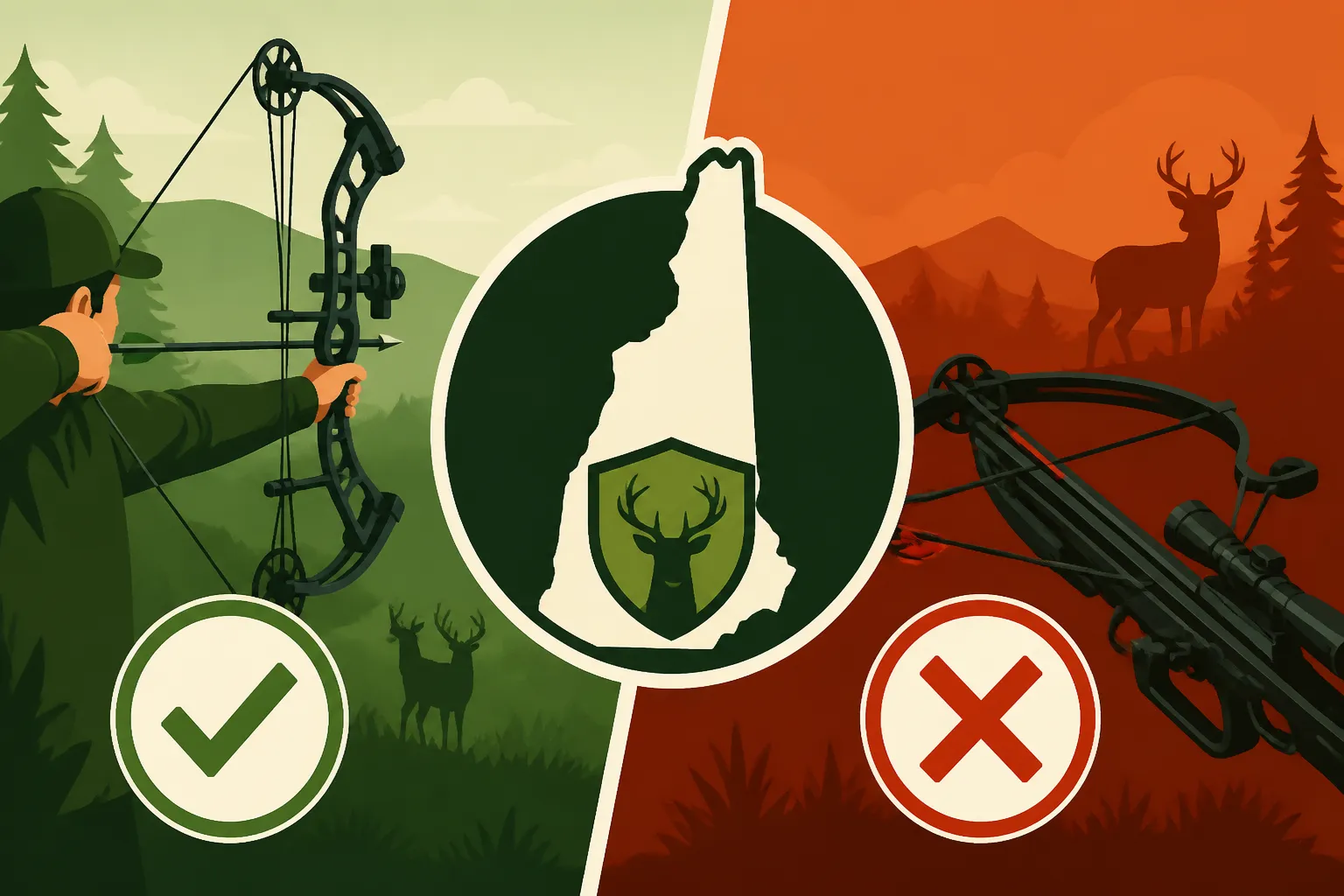
It can be incredibly confusing and, let's be honest, a little frustrating when you're looking at the New Hampshire hunting digest and realize that while crossbows are legal in many areas, some Wildlife Management Units (WMUs) have restrictions during the regular archery season. You’re left wondering why the rules aren't uniform across the state. This guide aims to clear up that confusion, diving deep into the reasons behind these specific WMU crossbow restrictions and helping you understand how to plan your hunt effectively.
The Evolution of Archery Hunting and Its Traditions
For many of us who cherish the archery season, there’s a deep respect for the traditions and the unique challenge it presents. The evolution of archery equipment, particularly the introduction and widespread adoption of crossbows, has naturally led to discussions and, eventually, regulatory adjustments to balance tradition with accessibility.
Preserving Traditional Archery Values
New Hampshire has a rich heritage of archery hunting, stretching back generations. When you think about bowhunting, many hunters picture the classic longbow or recurve, or even the more modern compound bow. These tools require a significant commitment to practice, skill development, and physical prowess to master. The very essence of traditional archery hunting is often tied to this demanding skill set, emphasizing close-range encounters and a higher degree of hunter engagement and proficiency.
Crossbows, while certainly requiring skill to operate safely and effectively, are often perceived differently within the hunting community. Their mechanical design, which holds the string under tension and uses a trigger mechanism similar to a firearm, can reduce the physical demand of holding a draw weight and contribute to a different shooting experience. For some, allowing crossbows universally during the traditional archery season might dilute the distinct challenge and character that long-standing archers value. The restrictions in certain WMUs are, in part, an effort to preserve a segment of the archery season for those who adhere to the more traditional bowhunting methods, recognizing the distinct skills required for a compound, recurve, or longbow hunt. It’s about maintaining a balance in hunting opportunities and acknowledging the different levels of engagement and tradition that various equipment types represent.
Crossbows as a Modern Tool and Their Advantages
There's no denying the practical advantages that modern crossbows offer. They can be easier for new hunters to learn, for those with physical limitations to use, and often provide enhanced accuracy and a flatter trajectory over a slightly longer effective range compared to many traditional bows. This has made them an incredibly popular choice for many, opening up bowhunting to a broader demographic. New Hampshire recognized these benefits, and that's why you'll find New Hampshire's Twelve Crossbow-Legal WMUs where they are allowed during the entire archery season.
However, these very advantages also contribute to the debate. The easier learning curve and mechanical accuracy can lead to concerns about increased hunter success rates, particularly in areas where deer populations might be more sensitive or hunting pressure is already high. For wildlife managers, it's a careful balancing act: how do you provide diverse hunting opportunities without inadvertently impacting deer populations or changing the character of a specific hunting season? The restrictions in certain WMUs are often a reflection of this internal debate and a cautious approach to integrating new technology while upholding established hunting norms and conservation goals.
Wildlife Management Unit (WMU) Specific Considerations
New Hampshire's hunting regulations are not a one-size-fits-all approach, and for good reason. The state is incredibly diverse, from the dense North Country forests to the more suburban southern regions. Each WMU has its own unique ecological characteristics, deer population dynamics, and local hunting pressures. These differences are critical in understanding why rules, like those governing crossbow use during archery season, vary from one WMU to another.
Deer Population Dynamics and Harvest Goals
Wildlife managers in New Hampshire, specifically the New Hampshire Fish and Game Department, constantly monitor deer populations in each WMU. They look at factors like fawn recruitment, winter mortality, habitat availability, and overall herd health. The goal isn't just to have deer, but to maintain healthy, sustainable populations that are in balance with their environment and provide consistent hunting opportunities. You can often find information on the New Hampshire Deer Population Estimate and harvest data broken down by WMU, which is a testament to this detailed management approach.
In WMUs where deer populations might be more vulnerable, or where the objective is to allow for growth or maintain a very specific age structure within the herd, regulations tend to be more conservative. Limiting specific hunting methods, such as crossbow use during the archery season, can be a tool to fine-tune harvest pressure. For instance, if a WMU is already seeing a high harvest during the firearms season and wildlife managers want to encourage broader participation in archery without significantly increasing overall deer harvest, they might choose to maintain a more traditional archery season without crossbows. This ensures that a specific level of challenge and skill is maintained, which inherently controls the number of deer harvested during that period. It's not about being exclusive, but about carefully managing the resource to meet specific biological objectives for that region.
Habitat and Hunter Density Across WMUs
Beyond deer numbers, the physical landscape and the number of hunters also play a huge role. New Hampshire's WMUs encompass a vast array of habitats: from the remote, rugged terrain of the White Mountains to the rolling hills and agricultural pockets of the southern and central parts of the state. These varying landscapes influence how deer behave, where they find cover and food, and how hunters can effectively pursue them. For example, hunting thick, dense softwood cover in a more populated WMU presents different challenges and impacts compared to hunting open hardwoods in the expansive North Country.
In WMUs that are geographically smaller, or those with a higher density of human population and thus more hunters, the impact of increased efficiency in hunting equipment can be a greater concern. Imagine a WMU with a lot of fragmented habitat and easier public access. If a weapon type with a perceived longer effective range and easier learning curve becomes universally available during the archery season, it could lead to increased hunter numbers and potentially higher harvest rates in areas that might not sustain that pressure without impacting overall herd health. Conversely, in a less pressured WMU with vast tracts of public land, like some areas you might explore when Hunting the North Country, the regulations might be more permissive because the sheer size of the landscape and lower hunter density naturally dilute hunting pressure. The rules are designed to match the unique characteristics of the land and the hunting community within each specific WMU, striving for sustainable hunting and a positive outdoor experience for all.
Understanding the Rationale Behind Equipment Choices
The tools we use as hunters are often deeply personal, but they also have a collective impact on wildlife management and the experience of others afield. The discussion around crossbows in archery season often comes down to differing philosophies about what constitutes "archery" and how various equipment types affect the overall hunting landscape.
Perceived Impact on Hunter Behavior and Success
Let's be realistic: crossbows are different from traditional bows. Their design can make them feel more like a short-range firearm to some, particularly with the rifle-like stock and trigger. This difference in feel and operation can translate into a perception that they are "easier" to shoot accurately, especially for new archers or those with less practice time. For instance, holding a compound bow at full draw for an extended period while a buck approaches requires immense discipline and strength; a crossbow, once cocked, removes that physical strain.
This perception of "ease" and increased accuracy can lead to concerns among wildlife managers and traditional archers about increased hunter success rates and the potential for greater harvest pressure on deer populations. While a skilled hunter with a compound bow can be just as effective as one with a crossbow, the general accessibility and mechanical advantage of crossbows are factors that are carefully considered. In WMUs where deer populations are finely balanced or where managers are aiming for a specific, more conservative harvest, restricting crossbows during the archery season becomes a mechanism to influence overall hunter success and maintain a particular level of challenge. It's less about whether a crossbow is "fair" and more about its aggregate impact on hunting pressure and harvest data across a region.
Balancing Opportunity and Tradition
The core challenge for wildlife agencies like New Hampshire Fish and Game is how to best serve all hunters while responsibly managing the resource. There's a strong desire to offer opportunities for everyone, from the seasoned veteran who's been Bowhunting New Hampshire's Long Archery Season for decades with a stick bow, to the newer hunter or someone with a physical limitation who finds a crossbow more accessible. This is where the balancing act gets tricky.
By designating certain WMUs as archery-only (without crossbows) during the early part of the season, and allowing crossbows in others, the state attempts to create different "hunting niches." It provides a space for traditional bowhunters who value that specific challenge, while simultaneously offering broader access to bowhunting for others in different units or during other parts of the season. This segmented approach tries to honor the preferences of various hunter groups without completely alienating any one. It’s a compromise that seeks to maintain a diverse hunting landscape where both tradition and modern advancements can coexist, albeit in specifically regulated ways. Sometimes, these rules are a direct response to feedback from local hunter groups and conservation organizations who are passionate about preserving particular hunting experiences.
Navigating New Hampshire's Crossbow Regulations
Understanding these varied regulations is paramount for any hunter in New Hampshire. Showing up to your favorite stand with the wrong equipment could lead to a fine, or worse, a lost hunting opportunity. The key is knowing where to find the most accurate and up-to-date information and planning your hunt accordingly.
Checking Specific WMU Rules
The absolute first step before you head into the woods, especially during archery season, is to consult the most current New Hampshire Fish and Game hunting digest. This document is updated annually and contains all the specific rules, season dates, and weapon restrictions for every WMU. You can usually find it online on the official NH Fish and Game website, or pick up a physical copy wherever hunting licenses are sold.
The digest will clearly outline which WMUs are designated as "archery-only" (meaning compound, recurve, or longbow) during the regular archery season, and which are listed as New Hampshire's Twelve Crossbow-Legal WMUs where crossbows are permitted for all eligible archers. Don't rely on information from past years or hearsay from a buddy; regulations can change. It’s also worth noting that while some WMUs restrict crossbows during the entire archery season, others might allow them only during certain later phases, or if a hunter possesses a specific permit (e.g., a permit for a disability). So, always double-check the fine print for your specific WMU and hunting dates.
A useful tool for keeping track of these boundary lines and regulations can be a hunting app like GoHunt, which often integrates WMU maps and current regulations, allowing you to quickly visualize where you can legally hunt with your chosen equipment. This can be especially helpful when you’re scouting new territory or hunting near a WMU boundary. When you're Scouting New Hampshire Public Land Before Season, having a mapping tool that shows these distinctions can save you a lot of headache.
Planning Your Hunt Based on Legal Weapon Choices
Once you understand the WMU-specific rules, you can effectively plan your hunt. If you're a crossbow hunter and your preferred WMU restricts them during the early archery season, you have a few options.
First, you might consider hunting one of the WMUs where crossbows are explicitly legal. This might mean exploring a new area, but it expands your opportunities. Many hunters use the GoHunt app to scout new areas, looking at aerial imagery and public land boundaries to identify potential hotspots in legal WMUs. Remember, New Hampshire offers a substantial archery season, and understanding all the options is key to a successful experience, whether you're focusing on Hunting New Hampshire's Archery Season Into December or earlier dates.
Second, if your chosen WMU restricts crossbows but you still want to hunt there during archery season, you might consider picking up a compound or traditional bow and dedicating time to practice. This could be a rewarding way to experience a different facet of archery hunting. Alternatively, you might focus your efforts on the later firearms or muzzleloader seasons in that WMU, where weapon restrictions are different. For a deep dive into specific legal weapons, you can also look into resources like New Hampshire Hunter Education Requirements which cover weapon specifics.
Finally, some WMUs have specific allowances for individuals with disabilities to use crossbows, even in areas where they are otherwise restricted for the general archery season. If this applies to you, make sure you understand the application process and carry the necessary permits as proof. Always plan ahead, know your WMU, and adhere to the regulations to ensure a safe and ethical hunt.
WMU Crossbow Restriction Overview
To help visualize where crossbow restrictions apply during New Hampshire's archery season, here's a general overview. Keep in mind that regulations can change, so always verify with the current official New Hampshire Fish and Game digest. This table focuses on archery season restrictions and general allowance for all eligible archers, not special permits for disabled hunters.
| WMU | Crossbows Permitted During Archery Season (General) | Notes / Rationale (General) |
|---|---|---|
| A | Yes | Large, remote North Country WMU; lower hunter density. |
| B | Yes | Expansive North Country; aligns with other northern WMUs. |
| C | Yes | Foothills region; balances opportunity with deer management. |
| D1 | Yes | Lakes Region; growing deer population, diverse habitat. |
| D2 | Yes | Connecticut River Valley; balances opportunities. |
| E | Yes | White Mountains Core; remote, challenging terrain. |
| F | Yes | Highlands region; balances opportunity. |
| G | Yes | Southwest Hill Country; varied terrain, consistent populations. |
| H1 | No | Merrimack Valley/Farm Country; often higher hunter density, specific management goals. |
| H2 | No | Ridge Country; higher hunting pressure in places. |
| I1 | No | Merrimack Valley; higher human/hunter density. |
| I2 | No | Suburban Fringe; very high hunter density, specific management. |
| J1 | No | Seacoast Approach; high density, specific management. |
| J2 | No | Coastal Plain; highest density of human population. |
| K | No | Southern Tier; high hunter density, specific management. |
| L | No | Border Country (Southern); high hunter density, specific management. |
| M | No | Far Southeast; very high hunter density, specific management. |
As you can see, the WMUs where crossbows are restricted during the general archery season tend to be in the more populated central and southern parts of the state. These are areas where hunter density is generally higher and deer populations require more localized, nuanced management. Conversely, the more expansive, often less pressured WMUs in the north and west generally permit crossbows for all eligible archery hunters. This aligns with the idea of adapting regulations to fit the specific conditions of each management unit. Using tools like the GoHunt app can give you detailed topographical maps and WMU boundaries, which are invaluable for hunters needing to respect these localized regulations.
Always make sure to check the official New Hampshire Fish and Game website for the most up-to-date regulations, as well as information on purchasing your New Hampshire Resident License Options or non-resident equivalent.
Disclaimer
The information provided in this guide is for general informational purposes only and is not intended as legal advice. Hunting regulations in New Hampshire are subject to change. Always consult the most current official New Hampshire Fish and Game hunting digest or website for the precise and up-to-date rules and regulations before planning and executing your hunt. It is the hunter's responsibility to know and obey all applicable laws.