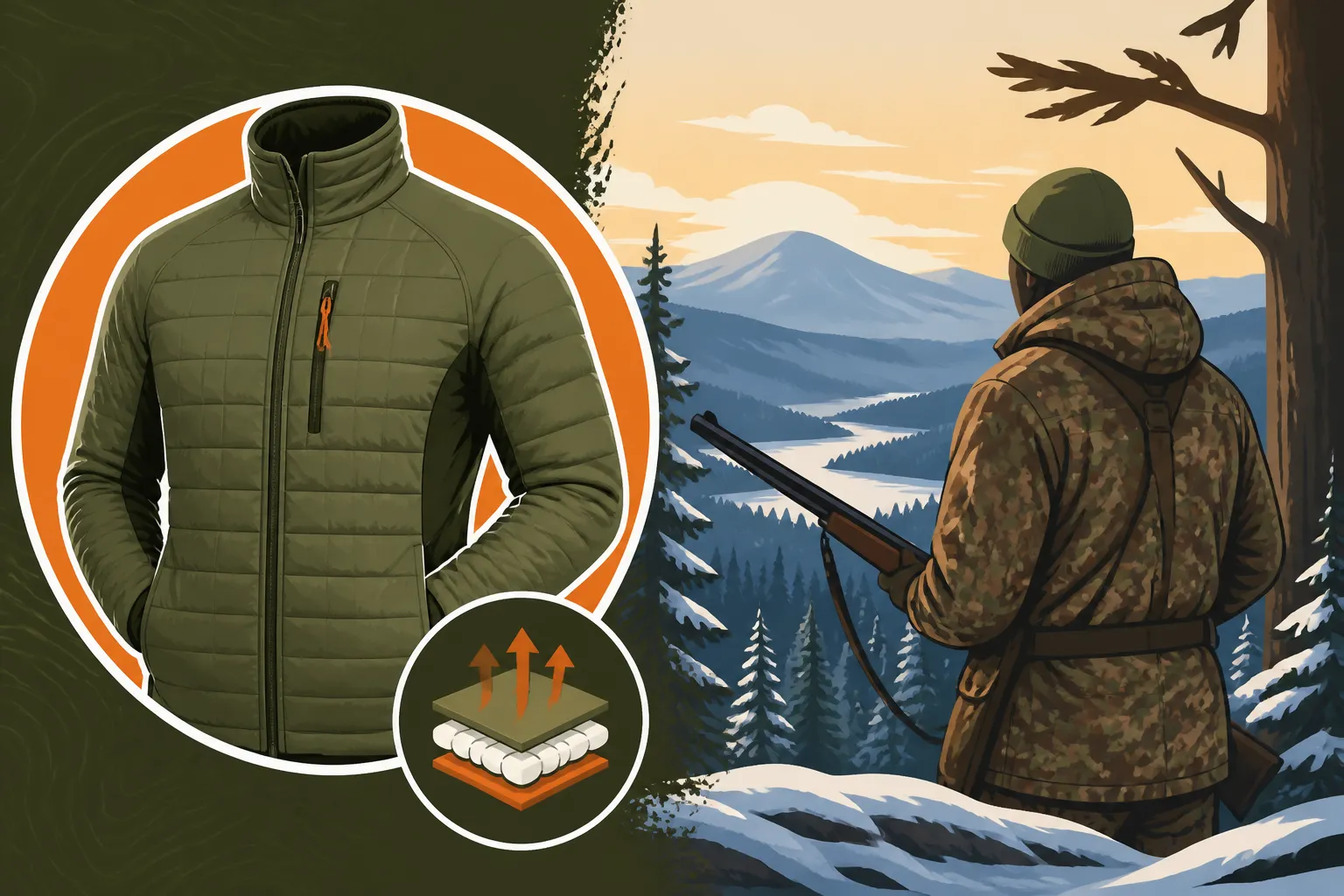
Best Insulated Layer for a December Muzzleloader Hunt
There’s nothing quite like the crisp, silent air of a New Hampshire December as you head out for muzzleloader season. It’s a magical time, full of possibility, but let's be real: it's also absolutely brutal if you're not prepared. The biting cold, the potential for driving snow, and the long, static sits can turn a hopeful hunt into a shivering ordeal if you don't have the right gear. This guide is all about helping you choose the best insulated layer to keep you warm, comfortable, and focused when hunting New Hampshire's late-season whitetails with your muzzleloader.
Understanding the New Hampshire December Muzzleloader Challenge
Hunting in New Hampshire during the December muzzleloader season isn't just "a bit chilly." It's a whole different beast compared to a mild September archery hunt. The cold isn't just a nuisance; it's a constant, pervasive force that can drain your energy, compromise your focus, and even become dangerous if you're not properly protected.
The Brutal Reality of Late-Season Cold
When December rolls around in the Granite State, winter has usually announced its arrival with authority. We're talking about temperatures that often hover in the teens or single digits, especially at first light or after the sun dips below the horizon. Add in the infamous New Hampshire wind, whether it’s whistling down a valley in the White Mountains or whipping across an open field, and that wind chill can plunge effective temperatures well below zero. Frostbite becomes a real concern for exposed skin, and even covered extremities can get dangerously cold if your insulation isn't up to snuff.
The dampness, even without active precipitation, can also suck the heat right out of you. Snow might be on the ground, or melting from trees, creating a perpetually moist environment. This isn't just about feeling uncomfortable; it's about your core body temperature. When you're out there for hours, trying to stay still and observe, your body isn't generating much heat. It's a constant battle against heat loss, and your insulated layer is your primary defense. For a comprehensive look at how to tackle the cold, you might find our guide on Layering for New Hampshire's Cold Hunting Season particularly helpful.
Staying Stationary in Frigid Conditions
Unlike still-hunting or tracking, where constant movement generates body heat, muzzleloader hunting in December often involves a lot of sitting. You might be perched in a treestand overlooking a late-season food source, nestled into a ground blind along a Scrape Lines Along a Logging Road, or patiently waiting on a stand in a deer drive. These static periods are where the cold truly sets in. Your muscles aren't working, blood flow might slow down slightly, and any exposed surface of your body is shedding heat to the colder environment.
The ground itself can be a massive heat sink. Even with insulated boots, if you're standing or sitting directly on frozen earth or snow, that cold will try to seep into your body. This is why a superior insulated layer isn't just a luxury; it's essential for maintaining thermal equilibrium. When you're spending hours waiting for that deer to appear, the last thing you want is a shiver to give away your position or hands too numb to safely load your rifle.
Key Features of an Ideal Insulated Layer for December
Choosing an insulated layer for a New Hampshire December muzzleloader hunt isn't about picking the thickest jacket you can find. It's about a strategic choice that balances warmth, performance, and practicality for the unique demands of the hunt.
Prioritizing Insulation Type: Down vs. Synthetic
When it comes to insulation, the two big players are down and synthetic. Both have their merits, but for New Hampshire’s often unpredictable late-season weather, understanding their differences is crucial.
Down Insulation:
- Pros: Down, typically from ducks or geese, offers incredible warmth-to-weight ratio and is highly compressible. This means you get a lot of warmth without a lot of bulk, and it packs down small in your backpack. It's fantastic for dry, extreme cold conditions where its loft isn't compromised.
- Cons: The biggest drawback of down is its Achilles' heel: moisture. If down gets wet—whether from sweat, snow, or freezing rain—it loses its loft and, with it, its insulating properties. This can be a major issue in New Hampshire, where a sunny, cold morning can quickly turn into a snowy or even rainy afternoon. It also takes a long time to dry once wet.
Synthetic Insulation:
- Pros: Synthetic insulations, made from polyester fibers, are designed to mimic down's loft but with a critical advantage: they retain a significant amount of their insulating power even when wet. This is a game-changer if you're caught in an unexpected snow squall or if you start to sweat on the hike in. They also tend to dry much faster than down. While not as compressible or as light as top-tier down, modern synthetics are incredibly efficient.
- Cons: Generally, synthetic insulation is heavier and bulkier than down for the same warmth level, and it doesn't pack down quite as small.
For a December muzzleloader hunt in New Hampshire, where you might encounter anything from dry, frigid air to wet, heavy snow, many experienced hunters lean towards high-quality synthetic insulation as their primary insulated layer. That said, a hooded down jacket carried in a dry bag in your pack can be an excellent booster layer for those truly bone-chilling, dry days, especially if you plan on extended glassing from a ridgeline or Still-Hunting White Mountain National Forest Timber.
The Importance of Strategic Layering
Your insulated layer isn't meant to be worn directly over a t-shirt. It's a crucial component of a comprehensive layering system. Think of it like this:
- Base Layer: Wicks moisture away from your skin (merino wool or synthetic).
- Mid-Layer: Provides initial warmth and continues to move moisture (fleece or grid-fleece).
- Insulated Layer: This is your primary warmth provider, trapping significant air (down or synthetic puffy jacket/vest).
- Outer Shell: Protects against wind, rain, and snow, often with a DWR (durable water repellent) finish.
Your insulated layer should be sized to fit comfortably over your base and mid-layers without compressing the insulation too much. Compression reduces loft, and less loft means less warmth. Some hunters even bring a second, heavier insulated layer or a dedicated insulated vest to pull on during those coldest, most stationary periods. Many reputable outdoor brands, often reviewed by gear experts on platforms like GoHunt, design their insulated pieces with layering in mind, ensuring a comfortable fit and range of motion.
Weather Resistance and Durability
While your outer shell is your primary defense against precipitation, a good insulated layer for New Hampshire should still offer some degree of weather resistance. Many insulated jackets come with a DWR (Durable Water Repellent) finish on their outer fabric. This causes water to bead up and roll off, delaying saturation and giving your outer shell a bit of backup. In New Hampshire, you’re often pushing through thick brush, climbing over blowdowns, and occasionally scrambling on granite. Your insulated layer needs a durable face fabric that can withstand this abuse without tearing or snagging, compromising the insulation within. Nobody wants to see feathers leaking out on a cold morning.
Top Considerations for Your December Muzzleloader Insulated Layer
Beyond the type of insulation, there are practical considerations that will significantly impact your comfort and effectiveness in the field during a December muzzleloader hunt.
Bulk, Mobility, and Muzzleloader Handling
This is a big one for muzzleloader hunters. Unlike rifle hunting where you might only be in a stand for a few hours, muzzleloader hunts can involve extended periods of sitting, and when the shot comes, it needs to be precise. A super puffy, bulky jacket might feel incredibly warm, but it can restrict your movement, especially when trying to shoulder your muzzleloader quickly and smoothly.
Look for insulated layers that offer:
- Strategic Insulation Placement: Some jackets have less insulation in the arms or shoulders to allow for greater mobility, while concentrating warmth in the core.
- Articulation: Pre-curved sleeves and gusseted underarms can make a huge difference in your ability to draw back a bow, or in this case, raise and aim your muzzleloader without feeling like a marshmallow man.
- Quiet Fabric: The rustle of a stiff, synthetic fabric can be surprisingly loud in the dead quiet of a winter woods. Opt for materials that are soft and quiet, especially if you're trying to sneak through frozen leaves or make subtle adjustments in your stand.
- Hood Design: A good insulated hood that allows for peripheral vision and can be cinched down without impairing hearing is a godsend in frigid winds.
You might want to check out some of the detailed gear breakdowns on sites like GoHunt, as they often cover how specific garments perform in terms of mobility and noise for various hunting scenarios.
Practical Features for the Hunt
Small details can make a huge difference in the field.
- Pockets: Strategically placed, easily accessible pockets are invaluable for hand warmers, small optics, or a spare cap. Insulated hand pockets are a must.
- Zippers: High-quality, easy-to-operate zippers are essential. Some prefer two-way zippers on longer jackets, allowing you to vent from the bottom or access pant pockets without fully unzipping the jacket.
- Packability: While you want warmth, you also need to consider the hike in. You’ll likely be generating a lot of heat walking to your stand. The ability to easily shed your insulated layer, compress it, and stash it in your pack is crucial to avoid sweating out and then getting cold. Look for jackets that come with their own stuff sack or can be stowed into one of their pockets.
- Cuff Adjustments: Cuffs that can be easily adjusted to seal out cold air or fit over gloves are important.
Sizing for Success
It’s tempting to buy an insulated jacket that fits snugly, but for layering, this is a mistake. Your insulated layer should be comfortably roomy enough to accommodate your base and mid-layers underneath without compressing the insulation. You should be able to move your arms freely, shoulder your muzzleloader, and bend over without feeling restricted. However, it shouldn't be so large that it leaves huge air gaps, as these will allow cold air to infiltrate and warm air to escape. Try on your insulated layer with your full hunting kit underneath if possible, to get a true feel for the fit.
Integrating Your Insulated Layer into a Complete System
A great insulated layer is only as good as the system it’s part of. Thinking about how it works with your other gear and your hunting style will ensure maximum comfort and success.
Pre-Hunt Preparation and Testing
Never, ever wear a brand new, untested layering system on a December muzzleloader hunt. The stakes are too high. Take your new insulated layer, along with your base, mid, and outer layers, out for a "dress rehearsal." Go for a walk, sit in your backyard for an hour or two in similar temperatures, or even set up your stand and sit in it. This will reveal any pinch points, noisy fabrics, or areas where you’re losing heat. It’s also a great opportunity to practice shouldering your muzzleloader with your full kit on. This kind of testing allows you to make adjustments before you’re 2 miles deep in the woods on a frigid morning. For more tips on preparing for specific hunts, consider reviewing Hunting New Hampshire's Muzzleloader-Only Ten Days.
Packing Strategies for Fluctuating Temperatures
New Hampshire mornings in December can start bitterly cold, but if the sun comes out and you’re hiking uphill, you’ll warm up fast. Sweating is your enemy, as moisture in your layers will strip warmth. This means your insulated layer often isn't worn on the hike in. Instead, it's carefully packed away.
Consider using a waterproof stuff sack to keep your insulated layer completely dry inside your pack, even if your pack gets wet from snow or slush. Once you reach your stand or desired hunting spot, then put on your insulated layer before you start to get cold. It's much easier to stay warm than to try and warm up once you're already shivering. Having a good pack, like those discussed in Best Pack for a Nine-Day Moose Hunt, that can accommodate your bulky insulated layer when not in use is critical. If you're going deep into the backcountry, a robust frame pack such as those mentioned in Best Backpack Frame for a Quartered Moose will ensure you have plenty of room for all your necessary cold-weather gear and still be able to pack out an animal if you're successful.
Down vs. Synthetic Insulation for New Hampshire December Hunting
Here's a quick comparison to help you weigh your options for that critical insulated layer during New Hampshire's December muzzleloader season:
| Feature | Down Insulation | Synthetic Insulation |
|---|---|---|
| Warmth-to-Weight | Excellent (superior in dry conditions) | Good (slightly heavier for same warmth) |
| Performance When Wet | Poor (loses loft and insulating power) | Good (retains significant warmth even when damp) |
| Drying Time | Very long | Relatively fast |
| Compressibility | Excellent (packs down very small) | Good (packs down, but not as small as down) |
| Durability | Face fabric crucial; delicate if feathers leak | Generally robust; less critical if outer fabric tears |
| Cost | Often higher for high-quality down | Generally more affordable |
| Ideal Conditions | Dry, very cold, sedentary hunting | Variable conditions, potential for dampness/snow |
| New Hampshire Recommendation | Excellent for dry cold days; consider as a boost layer; needs careful protection from moisture | Highly recommended as a primary insulated layer for general December conditions |
Conclusion
New Hampshire's December muzzleloader season offers some incredible opportunities for dedicated hunters, but it demands respect for the elements. Investing in the right insulated layer isn't just about comfort; it's about safety, focus, and increasing your chances of success. Whether you choose the incredible warmth of down for those truly dry, frigid days, or the practical, wet-weather performance of modern synthetics, make sure it fits into your overall layering system, allows for full mobility, and is field-tested. Stay warm out there, and good luck finding that late-season whitetail!
Disclaimer
This article is for general informational purposes only and does not constitute professional advice. Laws, prices and regulations vary by location and change over time. Consult a qualified professional for guidance on your specific situation.