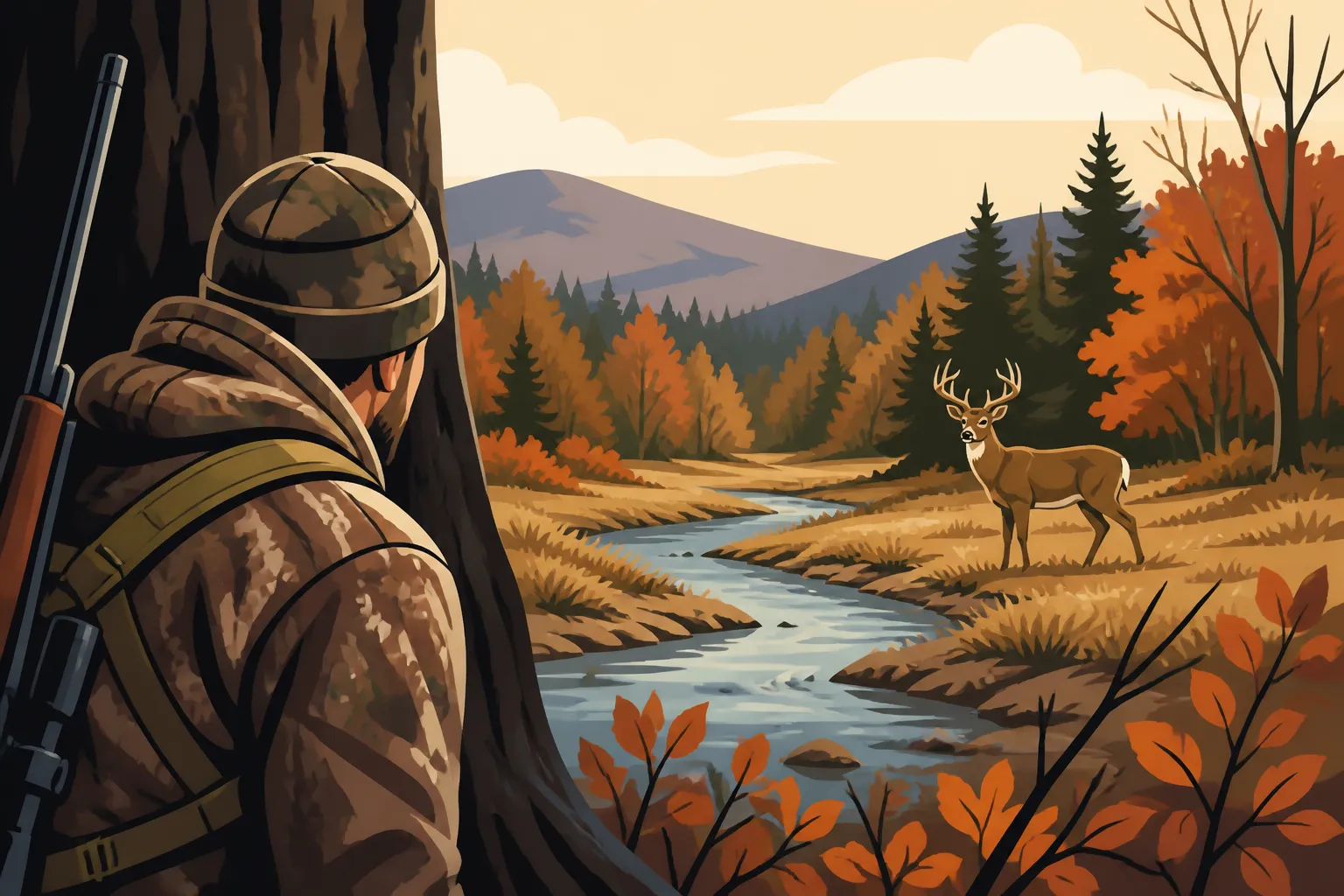
Working a Creek Bottom for Late-Season Deer
Late-season deer hunting in New Hampshire can feel like a relentless grind. The woods are stark, the temperatures plummet, and those wily whitetails seem to vanish into thin air, or at least become incredibly difficult to pin down. Many hunters struggle to locate consistent deer activity once the primary rut wanes and the firearms season ends, often feeling like they're just wandering aimlessly through empty timber. This guide is here to help you cut through that frustration by focusing on a prime, yet often overlooked, late-season hotspot: creek bottoms. We'll delve into why these low-lying areas are magnets for deer and how you can strategically hunt them to punch your tag.
Understanding Late-Season Deer Behavior Near Creek Bottoms
When the snow starts to fly and the mercury drops, deer aren't just looking for food and cover; they're looking for efficiency. They want to expend as little energy as possible while maximizing their caloric intake and minimizing exposure to harsh weather and predators. Creek bottoms, particularly in New Hampshire's diverse landscape, offer a unique combination of these critical elements, making them absolute goldmines for late-season success.
Why Creek Bottoms Are Late-Season Havens
Think about a typical New Hampshire creek bottom. What do you see? Often, it's a sheltered depression, even a small ravine, that offers a noticeable thermal advantage. Cold air sinks, but these depressions can sometimes hold pockets of slightly warmer air, providing a much-needed reprieve from biting winds and sub-zero temperatures. The denser cover found along these water features, from thick alders and conifers to brushy undergrowth, creates perfect bedding areas that shield deer from both the elements and prying eyes. These areas are natural thermal refuges, much like a deer might seek out a "deer yarding area."
Beyond thermal cover, creek bottoms are natural travel corridors. Even when higher ground is choked with snow or frozen solid, the banks of a creek often remain passable, providing an easy path of travel between bedding, food, and water sources. Deer will naturally follow the path of least resistance, and a creek bottom offers just that, whether it's moving from a thick swamp to a persistent oak stand or simply shifting between various bedding pockets. Furthermore, these areas are often associated with consistent, late-season food sources like persistent browse or even remnants of acorns that might have been washed down or remained under snow in sheltered spots. Knowing where to look for these crucial "Late-Season Food Sources for New Hampshire Whitetails" is key.
Reading Sign in and Around Creek Corridors
Successful late-season hunting, especially in creek bottoms, hinges on your ability to read the subtle signs deer leave behind. With leaves off the trees and snow often on the ground, sign becomes more visible, but it also tells a different story than it would during the rut. Fresh tracks, for instance, are your roadmap. Pay close attention to track size, depth, and direction. A string of fresh, deep tracks heading into a thicket along the creek bank might indicate a bedding area, while lighter, more spread-out tracks could mean a deer is leisurely browsing.
Look for rubs and scrapes, but understand their late-season context. While rut-induced scrapes might be less active, you might still find smaller, persistent scrapes, or fresh rubs from bucks moving through, scent marking their travel routes. More importantly, focus on browsing activity. Are there clipped twigs from cedar, hemlock, or other persistent browse? Are the edges of woody plants frayed? If you find fresh browse, you’ve found a primary late-season food source. Also, keep an eye out for droppings. Fresh, moist droppings mean deer are actively using the area, while older, dry droppings tell you where they were. Don't forget to pay attention to "Reading New Hampshire Mud for Fresh Deer Movement" in areas where the ground isn't completely frozen or snow-covered. Utilizing mapping tools like those offered by GoHunt can help you identify these specific corridors and pinch points long before you ever set foot in the woods, allowing you to focus your scouting efforts.
Strategic Approaches to Hunting New Hampshire Creek Bottoms
Once you've identified a promising creek bottom, the next step is developing a sound hunting strategy. This isn't just about walking through the woods; it's about making calculated moves that put you in a position to encounter deer that are already wary and accustomed to avoiding danger.
Still-Hunting the Bottoms for Bedded Deer
Still-hunting is perhaps one of the most effective, yet challenging, tactics for late-season creek bottoms. It requires immense patience, stealth, and an acute awareness of your surroundings. The idea is to move incredibly slowly, taking only a few steps at a time, then pausing for several minutes to scan for deer. Your eyes should constantly be searching for horizontal lines, patches of brown, or the flicker of an ear against the vertical backdrop of trees and brush. When a deer is bedded, they often blend in perfectly with their surroundings, so look for abnormal shapes, not necessarily a whole deer.
Focus on moving into the wind or with a crosswind that favors your approach. Use the natural contours of the creek bottom to your advantage, slipping behind banks, large rocks, or thick clusters of evergreens. Pay extra attention to sheltered pockets within the bottom, especially on south-facing slopes or areas with dense conifer cover, as these are prime bedding locations. Remember that deer will often hear or see you before you see them, so anticipate their escape routes and be ready to stop and draw quickly if one busts out of cover. A slow, deliberate pace, scanning every inch, is far more productive than rushing.
Setting Up Stands or Blinds Along Key Funnels
While still-hunting is excellent for active tracking, sometimes the best approach is to let the deer come to you. Creek bottoms are often full of natural funnels and pinch points that deer use consistently. These might be narrow sections of the bottom where the banks are particularly steep, a downed log that creates a natural crossing, or even where two small tributaries merge. Identifying these high-traffic areas is crucial.
Once you’ve found a funnel, consider setting up a treestand or ground blind. If using a treestand, choose a tree that offers good cover and allows you to watch the primary travel lanes without silhouetting yourself. A sturdy, quiet climbing stand can be ideal for quick, adaptable setups, allowing you to react to fresh sign. If using a ground blind, ensure it's well-brushed in and set up several days in advance if possible to allow deer to get accustomed to its presence. This is especially important on public land where deer are already wary of human intrusion. Referencing "Using a Ground Blind on Public Land" can give you more tips on how to properly conceal yourself. Look for locations that offer multiple shooting lanes but also provide a clear view of where deer are likely to emerge. Using mapping apps from providers like GoHunt can help you scout these funnels virtually, identifying key topographical features before you even step foot in the woods.
Gear and Tactics for Success in Water-Adjacent Terrain
Hunting creek bottoms in late-season New Hampshire demands specific gear and a refined approach to tactics. The environment is often colder, wetter, and more rugged than hunting higher, drier ground. Being prepared means the difference between a miserable outing and a successful one.
Essential Gear for Cold, Wet Creek Bottom Hunting
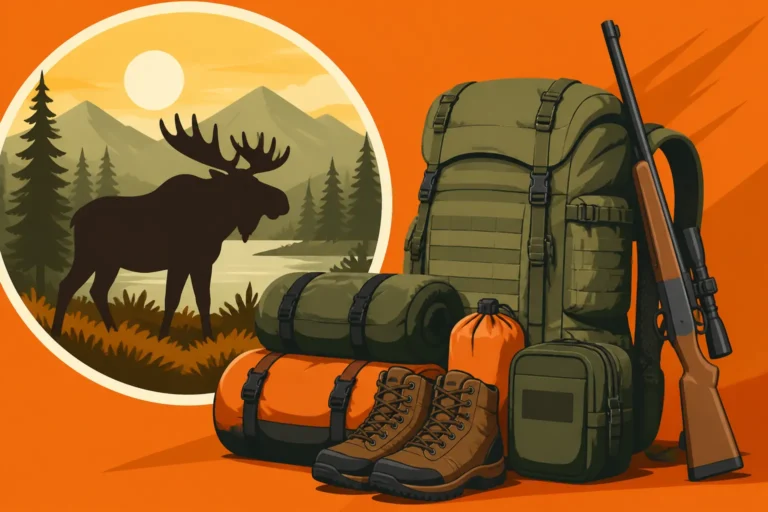
Your layering system is paramount when hunting cold, wet creek bottoms. Start with a good moisture-wicking base layer to pull sweat away from your skin. Follow that with insulating layers, perhaps a fleece or down vest, and then a waterproof, windproof outer shell. Conditions can change rapidly in New Hampshire, especially near water, so being able to adjust your layers is key for comfort and staying focused. Consider thicker, insulated boots that are also waterproof, ideally with good ankle support, as you'll be traversing uneven, often slushy or muddy terrain.
A good pair of binoculars is indispensable for picking apart thick cover and spotting bedded deer. A rangefinder can also be critical, especially if you get a shot opportunity across the creek or in varying terrain. Don't forget essentials like a headlamp (for pre-dawn hikes and post-shot tracking), hand warmers, and a thermos full of a hot beverage. A sturdy backpack is necessary to carry all this gear, plus any game bags or dragging ropes you might need for recovery. For deeper dives into specific equipment, check out guides like "Best Boots for North Country Bog Hunting" or "Best Insulated Layer for a December Muzzleloader Hunt."
Utilizing Wind and Thermals Effectively
Understanding wind and thermals is critical, perhaps even more so in creek bottoms. Cold air sinks, and water bodies can create their own microclimates and air currents. Generally, in the morning, as the sun rises, thermals will begin to rise up out of the creek bottom. In the evening, as the air cools, thermals will fall back down into the bottom. Your approach and stand placement must always account for this.
| Time of Day | Thermal Movement | Ideal Approach/Stand Placement |
|---|---|---|
| Early Morning | Rising (up the slope) | Approach from above, or set stand slightly below a ridge with rising thermals |
| Mid-Day | Variable/Less Predictable | Be extra cautious, play prevailing wind |
| Late Afternoon | Falling (down the slope) | Approach from below, or set stand higher up the slope with falling thermals |
Always try to hunt with the wind in your face or on a crosswind that pushes your scent away from where you expect deer to be. This means scouting the wind direction for your chosen spot, or being flexible enough to move if the wind shifts unexpectedly. Remember that creek bottoms can funnel wind, so a general wind direction might be amplified or altered within the specific confines of the water corridor. Understanding "Wind and Thermals in Steep Granite Terrain" applies here, even in less extreme elevations, as these localized air currents are always at play.
Overcoming Common Challenges and Maximizing Your Hunt
Hunting late-season creek bottoms is incredibly rewarding, but it's not without its specific hurdles. The conditions can be brutal, and deer are at their wariest. Acknowledging these challenges and preparing for them will significantly increase your odds of success.
Dealing with Hunting Pressure and Spooky Deer
By late season, New Hampshire deer have run the gauntlet of archery, muzzleloader, and firearms seasons. They are educated, nocturnal, and incredibly sensitive to pressure. Creek bottoms, while offering sanctuary, can also be pressured if they're easily accessible. The key is to find the unpressured sections of creek bottoms. This often means walking farther, delving deeper into public land, or scouting areas that others overlook. Utilizing mapping tools like those from GoHunt can help you find remote access points or areas where topography naturally limits human intrusion.
If you know an area receives pressure, hunt it differently. Consider hunting during adverse weather conditions, such as light rain or snow, when other hunters might stay home. These conditions can also mask your movement and scent. Focus on the thickest, nastiest cover adjacent to the creek, as that's where deer will hide. If you suspect deer are heavily pressured and primarily nocturnal, focus your efforts on the first and last hour of legal shooting light, when deer are most likely to be transitioning between bedding and feeding areas. Sometimes, a slow, methodical still-hunt is the only way to catch them off guard.
Recovery Considerations Near Water
One of the less glamorous, but critically important, aspects of hunting creek bottoms is game recovery. If you harvest a deer near a water body, the recovery can be significantly more challenging. Always consider your shot angle and the deer's likely escape route before taking a shot. Try to position yourself for shots that will send the deer away from, rather than into, the water.
If a deer does go down in or near the creek, be prepared. This might mean having waders, a strong rope, or even a small sled if ice is present. Always mark the last spot you saw the deer and take note of landmarks. "Tracking a Deer in Fresh White Mountain Snow" can be immensely helpful, but even without snow, careful blood trailing is crucial. If the deer goes into deep, fast-moving water, exercise extreme caution for your own safety. Sometimes, especially in New Hampshire's rugged terrain, you might even need help from friends or a retrieving dog. Knowing the rules for "Recovering a Deer From a Beaver Flowage" or other water bodies is also important, as local regulations may apply.
Disclaimer
Hunting involves inherent risks. Always consult the most current New Hampshire Fish and Game Department regulations and obtain all necessary licenses and permits before hunting. Safety should be your top priority.