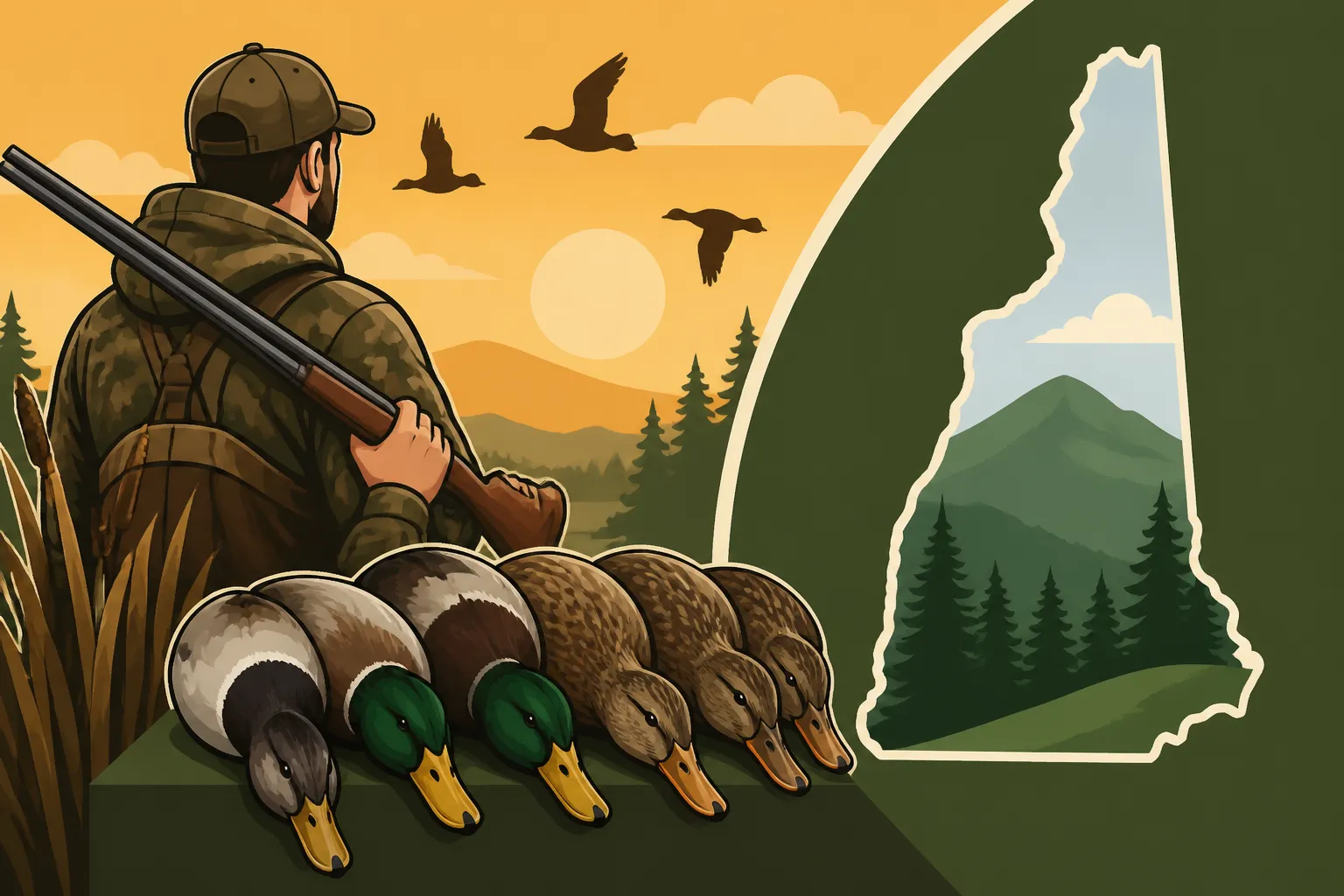
New Hampshire Duck Daily Bag Limit
Trying to make sense of New Hampshire's duck daily bag limits can feel like you need a law degree and a secret decoder ring, especially when you’re just trying to enjoy a crisp morning in the blind. It's not as simple as "six ducks," and the nuances of species-specific rules often catch even seasoned hunters off guard. This guide is here to untangle that complexity, explaining exactly what you can legally harvest, why these rules exist, and how to stay compliant so you can focus on the flight, not the regulations.
The Intricacies of New Hampshire's Daily Duck Bag Limit
When you head out to the marsh or a beaver flowage in New Hampshire, it’s not just about hitting your target; it’s about knowing which targets you can hit and how many. The daily bag limit for ducks isn't a single, straightforward number. Instead, it's a carefully crafted system designed to manage various duck populations, reflecting their current health and conservation needs. This can be frustrating because you might have a perfect shot at a certain species, only to realize you’ve already filled your quota for that particular duck, or that it's a "restricted" bird.
Understanding this system starts with knowing that the U.S. Fish and Wildlife Service sets the overall framework, and then the New Hampshire Fish and Game Department implements specific regulations within those federal guidelines. These rules are crucial for maintaining healthy waterfowl populations, ensuring that future generations of hunters can also experience the thrill of a morning flight. It’s a conservation effort that relies on every hunter doing their part, even if it means passing on a bird you could have taken.
For example, a common source of confusion arises when hunters mistakenly believe they can shoot six of any duck species. That's a quick way to find yourself in violation. While the aggregate limit might be six ducks, that number is almost always broken down into sub-limits for individual species. You might only be allowed one or two of a certain duck, even if you haven't reached your overall six-bird total. This means positive identification before you pull the trigger is paramount.
Species-Specific Duck Limits You Must Know
This is where things get really detailed, and frankly, a little complicated for those just starting out. New Hampshire's daily duck bag limit isn't just about a total number; it's about a mosaic of individual species limits that you need to be intimately familiar with. Missing one of these specific rules can lead to an unexpected infraction. It’s not enough to know it's a duck; you have to know what kind of duck.
The best way to keep track is to carry a copy of the annual New Hampshire Waterfowl Season and Zones hunting digest, either physically or digitally on your phone. This document is your bible for the season, detailing all the ins and outs. While modern mapping applications like GoHunt are fantastic for scouting locations and understanding property lines, the official digest remains the definitive source for regulatory specifics.
Let's break down some of the key species and their typical daily bag limits, keeping in mind these numbers can shift year to year based on population surveys and management goals. Always, always double-check the current year's digest before heading afield.
| Species | Typical Daily Bag Limit (New Hampshire) | Special Considerations |
|---|---|---|
| Mallard | 4 (with a hen mallard limit of 2) | Drakes are often plentiful; hens are more restricted. |
| Black Duck | 2 | Historically restricted due to population concerns. |
| Wood Duck | 3 | Highly prized, often found in wooded swamps and creeks. |
| Green-winged Teal | 6 | Often one of the most generous limits; fast flyers. |
| Blue-winged Teal | 6 (often with an early season) | Early migratory, typically found in early September seasons. |
| Pintail | 1 | Distinctive long tail, very restricted limit. |
| Canvasback | 2 | Large, diving duck, often found on larger bodies of water. |
| Redhead | 2 | Another diving duck, recognizable reddish-brown head on drakes. |
| Scaup (Bluebill) | 1 or 2 (often variable by species) | Lesser and Greater Scaup, often grouped, limits can vary. |
| Wigeon | 3 | Distinctive white patch on wing for American Wigeon. |
| Mergansers | 5 (often with only 2 Hooded Mergansers) | Three species: Common, Red-breasted, Hooded. Specific limits apply. |
| Goldeneye/Bufflehead | 6 (aggregate for sea ducks/divers) | These are usually part of a broader diver/sea duck aggregate. |
| Eiders/Scoters/Long-tailed Ducks | 6 (aggregate for sea ducks, often with species-specific sub-limits) | Specialized sea duck limits, often distinct from puddle ducks. |
As you can see, it's not a simple tally. You might be able to take six Green-winged Teal, but if you've already shot your two Black Ducks and one Pintail, you're done with those species, regardless of how many overall ducks you still have left in your six-bird aggregate daily limit. This means careful bird identification is absolutely non-negotiable before you even raise your shotgun.
Distinguishing Daily Bag from Possession Limits
This is another critical distinction that can trip up hunters, especially those new to waterfowl. The "daily bag limit" refers to the maximum number of birds you can legally harvest in one calendar day. Pretty straightforward, right? But then there's the "possession limit," which is typically three times the daily bag limit. This refers to the maximum number of migratory game birds that can be in your actual physical possession at any time, whether that's in your cooler, your freezer at home, or in transit.
It's common for people to think, "If I hunt for three days, I can have three times the daily limit." And while that's generally true for the possession limit, it's important to understand when that limit applies. For instance, if you're on a multi-day trip and you shot your daily limit of ducks on Monday, Tuesday, and Wednesday, by Wednesday evening, you would have three times the daily bag limit in your cooler, which would be your possession limit. However, you cannot go out on Thursday morning and shoot more ducks until you have consumed or given away enough birds to bring your possession total back below the limit, and you adhere to that day's new daily bag limit.
A good rule of thumb for transport, especially if you're crossing state lines or plan to pluck your birds later, is to leave one fully feathered wing attached to each bird. This allows game wardens to identify the species and ensure compliance with those tricky species-specific limits. While New Hampshire doesn't require individual tagging for ducks like it does for deer or moose, proper identification during transport is still a federal requirement. Ensuring you meet federal requirements, along with your New Hampshire Federal Duck Stamp Requirement and New Hampshire HIP Certification for Bird Hunters, makes for a legal and worry-free hunt.
Best Practices for Staying Compliant
Navigating the labyrinth of waterfowl regulations requires diligence and a proactive approach. It's not just about knowing the rules; it's about incorporating them into your hunting routine so they become second nature.
Keep the Current Digest Handy
The New Hampshire Fish and Game Department's annual hunting digest is your most important resource. Whether you prefer a physical copy that you can dog-ear and highlight, or you download the PDF to your smartphone, always have the current year's regulations easily accessible. These rules can change annually, sometimes subtly, sometimes significantly, regarding open seasons for particular species or the bag limits themselves. Relying on last year's information is a recipe for trouble.
It’s especially important to verify specific season dates, as different zones and species can have different openings and closings. For instance, knowing if you're in the New Hampshire Northern Zone Waterfowl Dates or the New Hampshire Inland Zone Waterfowl Dates can affect your season's timing, as can special early seasons for species like teal. The New Hampshire Duck and Goose Bag Limits are typically covered extensively in these digests.
Invest in Bird Identification Skills
This cannot be stressed enough. Before you even think about shooting, you must be confident in your ability to identify the duck species. Many experienced hunters spend hours studying field guides, practicing with flashcards, and observing birds in non-hunting scenarios to hone their ID skills. Some species, like hen mallards and black ducks, or various scaup, can look quite similar, especially in low light or at long distances. If you're unsure, it's always best to err on the side of caution and pass on the shot.
Consider attending a waterfowl identification workshop, often hosted by conservation groups like Ducks Unlimited or even the New Hampshire Fish and Game Department itself. Being able to confidently distinguish a pintail from a mallard, or a canvasback from a redhead, is not just about staying legal; it's about being a responsible, ethical hunter.
Utilize Modern Tools Responsibly
While no app or digital tool can replace the official state digest, resources like the GoHunt app can provide excellent supplemental information. For example, their mapping features can help you scout potential hunting areas, identify public versus private land, and even mark blind locations, such as for Decoying Ducks on New Hampshire's Connecticut River or on the edge of a beaver flowage. While GoHunt might highlight regulation summaries, always cross-reference with the official New Hampshire Fish and Game digest for the absolute final word on bag limits and season specifics. This ensures you're getting the most up-to-date and accurate information directly from the source.
Understand Local Hunting Pressure and Migration Patterns
Knowing the regulations is one thing, but understanding the birds themselves will make you a more successful and ethical hunter. Familiarize yourself with New Hampshire Duck Migration Timing Through New Hampshire. Early season might see more local birds and blue-winged teal, while later in the season brings in migrants from farther north, potentially including more diverse species. This knowledge can also inform your strategy, whether you're Decoying Mallards on the Connecticut River or hunting a small marsh.
Conclusion: Hunt Smart, Hunt Responsibly
Navigating New Hampshire's duck daily bag limits is a fundamental part of responsible waterfowl hunting. It requires more than just a passing glance at the regulations; it demands a thorough understanding of species-specific rules, the difference between daily and possession limits, and a commitment to positive bird identification. By staying informed through the official digest, continually honing your ID skills, and using modern tools wisely, you'll ensure that your time in the blind is both successful and fully compliant with the spirit of conservation that underpins all hunting regulations.
Disclaimer
The information provided in this guide is for informational purposes only and does not constitute legal advice. Hunting regulations are subject to change. Always consult the official New Hampshire Fish and Game Department website and the current year's hunting digest for the most accurate and up-to-date regulations before engaging in any hunting activities.