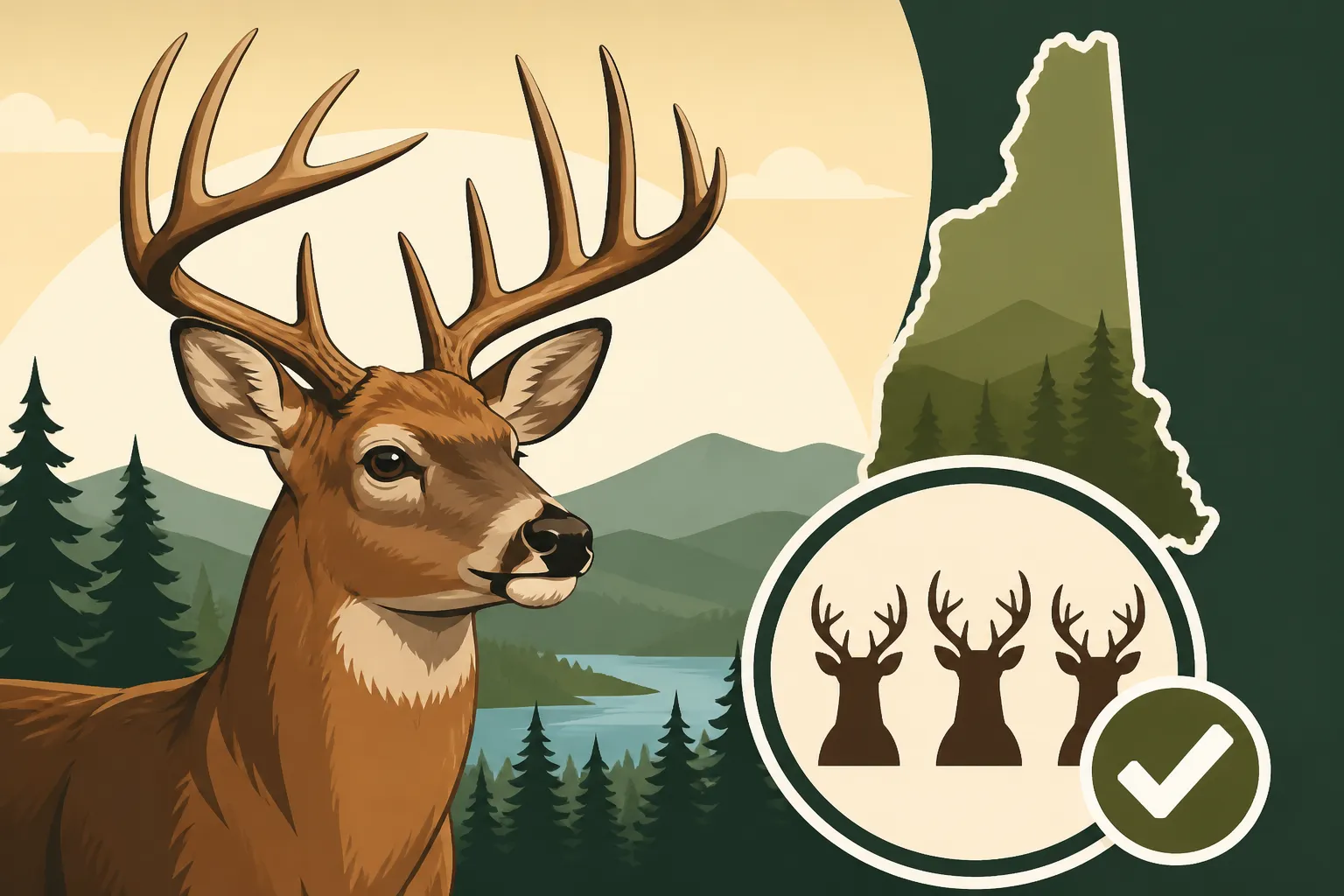
New Hampshire Buck Bag Limit
Navigating hunting regulations can feel like trying to untangle a knotted fishing line, especially when it comes to something as fundamental as how many bucks you can actually tag. Many folks get understandably confused with all the different seasons, special permits, and regional variations, often wondering if there's some secret loophole to tag another nice antlered deer. This comprehensive guide is here to clarify New Hampshire's buck bag limit, breaking down the rules so you can confidently plan your season.
The Core Rule: New Hampshire's Statewide Buck Bag Limit
Let's cut right to the chase, because this is where many hunters, especially those new to the Granite State or coming from other areas with different rules, tend to get a little tangled up. New Hampshire's approach to antlered deer harvest is, in many ways, quite straightforward, but it's the exceptions and additional opportunities that often lead to misunderstandings.
The "One Antlered Deer" Standard
For the vast majority of deer hunters in New Hampshire, the rule is crystal clear: you are allowed to harvest one antlered deer per calendar year. This isn't just a guideline; it's a foundational pillar of deer management here. An "antlered deer" is legally defined as any deer with at least one antler three inches or longer in length, measured from the base of the skull. This consistent statewide definition helps prevent confusion and ensures that everyone is on the same page about what constitutes a legal buck. This simple, one-buck limit is designed to maintain a healthy buck-to-doe ratio, which is crucial for successful breeding and overall herd vitality. It ensures that enough mature bucks are in the population to participate in the rut, leading to robust fawn crops in the spring. Without this kind of structured limit, it would be all too easy for hunters to disproportionately impact the buck population, leading to potential issues with herd genetics and a less fulfilling hunting experience for everyone in the long run.
Differentiating Antlered and Antlerless Opportunities
Now, here's where the nuances come into play, and where the frustration often begins for hunters who feel like they're missing something. The "one antlered deer" rule applies strictly to bucks. This is completely separate from any opportunities you might have to harvest antlerless deer. Antlerless deer, commonly referred to as does, are managed under a different set of regulations and often require specific permits. For instance, in certain Wildlife Management Units (WMUs), the New Hampshire Fish and Game Department may issue antlerless deer permits to help manage local populations, especially in areas where deer numbers are high or causing agricultural damage. These permits are typically drawn through a lottery or sold over the counter, and they represent an additional opportunity to fill your freezer, but they do not, under any circumstances, allow you to take a second buck. The critical distinction to remember is that an antlered deer tag is typically part of your standard hunting license, while antlerless opportunities are almost always separate, specific permits. This dual system allows for finer-tuned management: protecting the breeding potential of bucks while allowing for targeted reduction of doe populations where necessary for ecological balance or to mitigate human-wildlife conflict.
How Wildlife Management Units (WMUs) Influence Your Buck Tag
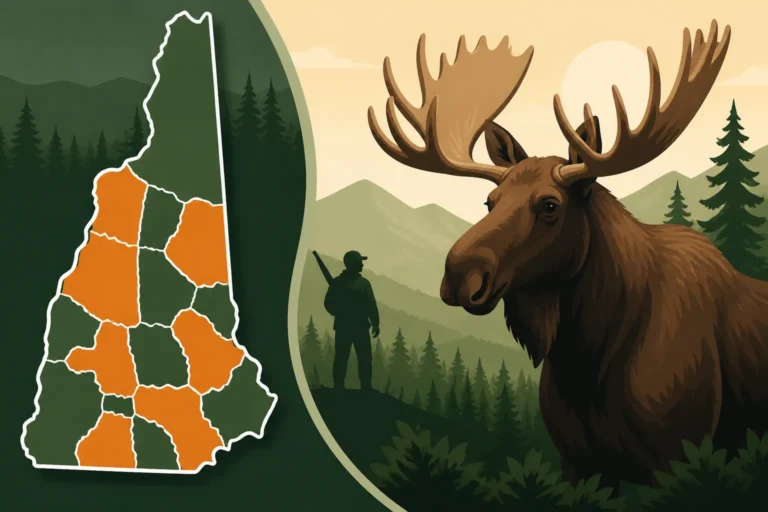
New Hampshire, like many states, divides its land into specific Wildlife Management Units (WMUs) to better manage game populations based on local habitat, population density, and other ecological factors. While these WMUs play a huge role in structuring New Hampshire's WMU-Based Deer Season Structure, their direct impact on the statewide buck bag limit is often misunderstood.
The Statewide Consistency for Bucks
This is a point that bears repeating for clarity: the one-antlered-deer-per-year limit is a statewide rule and does not change based on which WMU you are hunting in. Whether you're chasing deer in the rugged terrain of WMU A in the North Country or stalking through the suburban fringes of WMU M near the coast, you are still limited to a single antlered deer. This consistency simplifies the core regulation for hunters and ensures uniform management of the buck harvest across the state. What does vary significantly by WMU are the antlerless deer opportunities, the length of the season for various weapon types (archery, muzzleloader, firearms), and sometimes even the specific opening and closing dates for those seasons. So, while you might have a longer Bowhunting New Hampshire's Long Archery Season in one WMU, or a later New Hampshire Firearms Season Dates in another, the fundamental number of bucks you can tag remains the same. This distinction is crucial for hunters who might be accustomed to states where buck limits can change dramatically from one county or zone to the next.
Regional Nuances and Season Lengths
While the number of bucks you can legally harvest doesn't change by WMU, the opportunities to encounter and harvest a buck certainly can. Different WMUs have varying deer densities and habitat types, which directly influence your chances of success. For example, some WMUs might have longer archery seasons, giving bowhunters more time to scout and pursue a buck. Other WMUs might have more limited seasons to protect local populations. You'll find that the "New Hampshire Fish and Game Department" uses these WMU boundaries to fine-tune management strategies.
When planning your hunt, it's incredibly helpful to use resources that break down these WMU-specific details. Platforms like GoHunt, for instance, are fantastic for researching specific WMU regulations, season dates, and even harvest data, giving you a clearer picture of what to expect in different parts of the state. This regional approach allows the state to respond to local conditions, like winter severity or habitat availability, ensuring that deer populations remain healthy and sustainable. A WMU with a denser deer population might offer more antlerless opportunities, reflecting a need to control herd size, even though the buck limit remains at one. Understanding these nuances, available through detailed planning tools and the official regulations, can significantly improve your hunting strategy, allowing you to focus on White-Tailed Deer Across New Hampshire more effectively.
Beyond the Basic Buck: Special Circumstances and Other Deer Opportunities
While the "one antlered deer" rule is the bedrock, New Hampshire does offer a few special circumstances and additional opportunities that can affect your overall deer harvest, though almost exclusively pertaining to antlerless deer. It's vital to understand these distinctions so you don't inadvertently break the rules or miss out on legal opportunities.
Youth Deer Weekend and Mentored Hunts
New Hampshire is committed to fostering the next generation of hunters, and its Youth Deer Weekend is a prime example of this dedication. During this special weekend, usually held before the general firearms season, eligible young hunters (typically 12-15 years old) get an exclusive opportunity to hunt deer. The exciting part is that they can often take one deer of either sex, including an antlered deer, with the appropriate license and while being accompanied by a licensed adult mentor. However, even for youth, the "one antlered deer" rule applies to their individual bag limit for the year. So, if a youth tags a buck during Youth Deer Weekend, they have met their antlered deer quota for that calendar year. This doesn't mean they can't participate in subsequent seasons, but any future deer would typically need to be antlerless if permitted by additional tags. The New Hampshire Youth Deer Weekend Rules are clearly outlined in the annual hunting digest and provide an incredible chance for young hunters to gain valuable experience in the field, often with less pressure from other hunters. Mentored hunting regulations also ensure that these young hunters are learning safe, ethical, and responsible hunting practices from experienced adults.
Landowner Permits and Antlerless Tags
Another area that sometimes causes confusion is the role of landowner permits. In New Hampshire, certain landowners may be eligible for specific deer permits, particularly those designed to address deer damage to crops or property. These permits almost universally allow for the harvest of antlerless deer. It's extremely rare, if not unheard of, for a landowner permit to grant an additional antlered deer opportunity beyond the statewide one-buck limit. These permits are a targeted management tool, focusing on reducing overall deer numbers where they are causing specific issues, and do not override the fundamental buck bag limit. Therefore, if you are hunting on a property with a landowner permit, or if you yourself are a landowner with such a permit, remember that it's an opportunity for antlerless deer, not an extra buck. Understanding New Hampshire Landowner Deer Permit Rules is important, as these are often tied to specific acreage requirements and are not a blanket allowance for any property owner. These specific permits are a testament to New Hampshire Fish and Game's nuanced approach to herd management, addressing localized issues without undermining the broader conservation strategy.
The Importance of Reporting Your Harvest
Regardless of whether you harvest an antlered or antlerless deer, reporting your harvest is not just a legal requirement; it's a critical component of New Hampshire's deer management program. Every deer reported—including your coveted buck—provides valuable data that the New Hampshire Fish and Game Department uses to assess herd health, population trends, and hunter success rates. This information directly influences future season structures, WMU-specific antlerless allocations, and even the ongoing validity of the one-buck limit. Failing to report your harvest means the state has an incomplete picture, which could lead to less effective management decisions down the road. It's a simple act that has far-reaching consequences for the future of deer hunting in the state. Thankfully, the process has become incredibly streamlined. You can register your deer quickly and easily through the official New Hampshire Fish and Game online portal, or if you prefer, at an authorized check station. For detailed instructions, check out resources like Registering a New Hampshire Deer Online, which walk you through the process. Keeping track of regional harvest reports, perhaps through an app like GoHunt, can also give you insights into deer populations and success rates across different WMUs, helping you understand the bigger picture of deer management.
Navigating the Regulations for a Successful Season
With the statewide buck bag limit firmly in mind, your next step is to ensure you're fully prepared for a safe, legal, and successful hunt. The regulations are there for a reason—to ensure healthy wildlife populations for generations to come—but they do require diligence on your part.
Always Check the Latest Digest
I cannot stress this enough: always, always consult the most current New Hampshire Fish and Game Hunting Digest. Regulations, while generally stable for core rules like the buck limit, can have subtle changes from year to year regarding specific season dates, WMU boundaries, or special permit requirements. Relying on outdated information is a surefire way to run into trouble or miss out on a legitimate opportunity. The digest is the official word, and it’s available both online on the Fish and Game website and often in print at license vendors. Consider it your hunting bible for the year. As an example, while the one-buck limit is constant, the dates for New Hampshire Archery Season Dates, New Hampshire Muzzleloader Season Dates, and New Hampshire Firearms Season Dates can shift slightly, and being off by a day can mean the difference between a legal harvest and a violation. Tools like GoHunt can also be invaluable for quickly accessing these summaries, but a cross-reference with the official digest is always the safest bet. This habit of checking current regulations not only keeps you legal but also makes you a more informed and responsible hunter.
Planning Your Hunt Around the Limit
Knowing you're limited to one antlered deer can significantly influence your hunting strategy. For many, it means being more selective. You might pass on smaller bucks early in the season, hoping for a more mature animal later, particularly when Hunting the Rut in Early-to-Mid November peaks. This selective approach contributes to a healthier buck age structure, which is a win-win for both the herd and the quality of hunting.
If you also possess an antlerless tag, you have a crucial decision to make: do you prioritize taking an antlerless deer early to fill the freezer, or do you hold out for that trophy buck, knowing that if you tag a buck, your antlered deer season is over? This is a personal choice, of course, but it’s one that requires foresight. Having a clearer understanding of New Hampshire Buck Age Structure can also help you make informed decisions about which bucks to pass and which to pursue. Think about the conditions in your hunting area—if you're in a WMU with abundant deer and good habitat, your chances of seeing a variety of bucks might be higher, allowing you to be more selective. Conversely, in areas with lower deer densities or high hunting pressure, you might decide to take the first legal buck that presents a safe, ethical shot. Planning also includes where you intend to hunt; understanding local deer movement, whether you're Hunting a Ridge-Top Saddle for Rutting Bucks or setting up on a field edge, will inform your strategy.
Remember, the goal isn't just to harvest, but to do so ethically and legally, contributing to the rich tradition of hunting in New Hampshire.
| Deer Type | Bag Limit (General) | Season/Permit Type | Notes |
|---|---|---|---|
| Antlered Deer | One per calendar year | Standard Hunting License | Defined as any deer with at least one antler 3 inches or longer. Statewide limit. |
| Antlerless Deer | Varies by WMU | Special Antlerless Permit | Requires specific permits, often obtained via lottery or over-the-counter sales in designated WMUs. |
| Youth Deer | One (either sex) | Youth Deer License | During Youth Deer Weekend. Counts towards youth's annual buck limit if antlered. |
| Landowner Deer | Varies by WMU | Landowner Permit | Typically antlerless deer, to address damage. Does not grant additional buck opportunity. |
Disclaimer
The information provided in this guide is for general informational purposes only and is not a substitute for the official New Hampshire Fish and Game Department hunting regulations. Hunters are responsible for understanding and complying with all current state and federal hunting laws. Always consult the official New Hampshire Fish and Game Hunting Digest for the most up-to-date and accurate regulations before heading afield.