New Hampshire Special Youth Hunt Windows
It’s no secret that introducing young people to the world of hunting can feel like a daunting task for many parents and mentors. Between juggling school schedules, finding the right gear, and sifting through regulations, it's easy to get overwhelmed. But New Hampshire understands the importance of fostering the next generation of hunters, which is why the state offers dedicated "youth hunt windows" – special seasons designed to give young hunters a unique, less pressured, and truly memorable experience in the field. This guide will walk you through these fantastic opportunities, helping you understand how to best prepare and participate.
The Philosophy Behind New Hampshire's Youth Hunt Opportunities
New Hampshire's Fish and Game Department has a clear vision: to ensure the future of hunting by empowering young people to become ethical, knowledgeable, and conservation-minded participants. The special youth hunt windows are a cornerstone of this effort, providing critical pathways for recruitment and retention in a sport that deeply values tradition and connection to nature.
Fostering a New Generation of Responsible Hunters
These dedicated youth seasons aren't just about getting a tag; they're about education, safety, and instilling a lifelong passion for the outdoors. By setting aside specific days exclusively for young hunters, New Hampshire is making a conscious effort to remove many of the common barriers that might otherwise discourage participation. Imagine a young hunter stepping into the woods for the first time, not competing with a throng of seasoned adult hunters, but instead sharing the experience with their mentor in a calm, controlled environment. This setup allows for much more focused teaching and learning. It’s about more than just pulling a trigger; it’s about understanding the ecosystem, the ethics of fair chase, and the vital role hunters play in wildlife management. This foundational experience is crucial for developing New Hampshire Hunter Education Requirements into well-rounded, responsible adults who understand their impact on the environment.
Reduced Pressure and Focused Learning
One of the most significant advantages of New Hampshire's youth hunt windows is the drastically reduced hunting pressure. These seasons typically occur just before the general firearms or archery seasons open for adults, meaning fewer hunters are in the woods. This creates a more relaxed atmosphere where young hunters can learn at their own pace without feeling rushed or overwhelmed. A less crowded forest means more opportunities for quiet observation, tracking lessons, and discussions about deer behavior or turkey calls. Think about trying to teach a child to shoot a bow during the peak of Bowhunting New Hampshire's Long Archery Season when every prime spot might already be occupied. Now imagine that same scenario during a youth weekend, with vast stretches of public land or a quiet private parcel all to yourselves. This focused environment is invaluable for building confidence and ensuring that the young hunter's first experiences are positive and educational, rather than stressful. It allows the mentor to truly guide and teach, rather than just supervise.
Navigating Specific Youth Hunting Seasons in New Hampshire
New Hampshire offers several distinct youth hunting opportunities across different game species, ensuring that young hunters can experience the thrill of the chase for deer, turkey, and waterfowl. Each season comes with its own set of dates and regulations designed to maximize success and safety for our youngest hunters.
Deer Youth Weekend
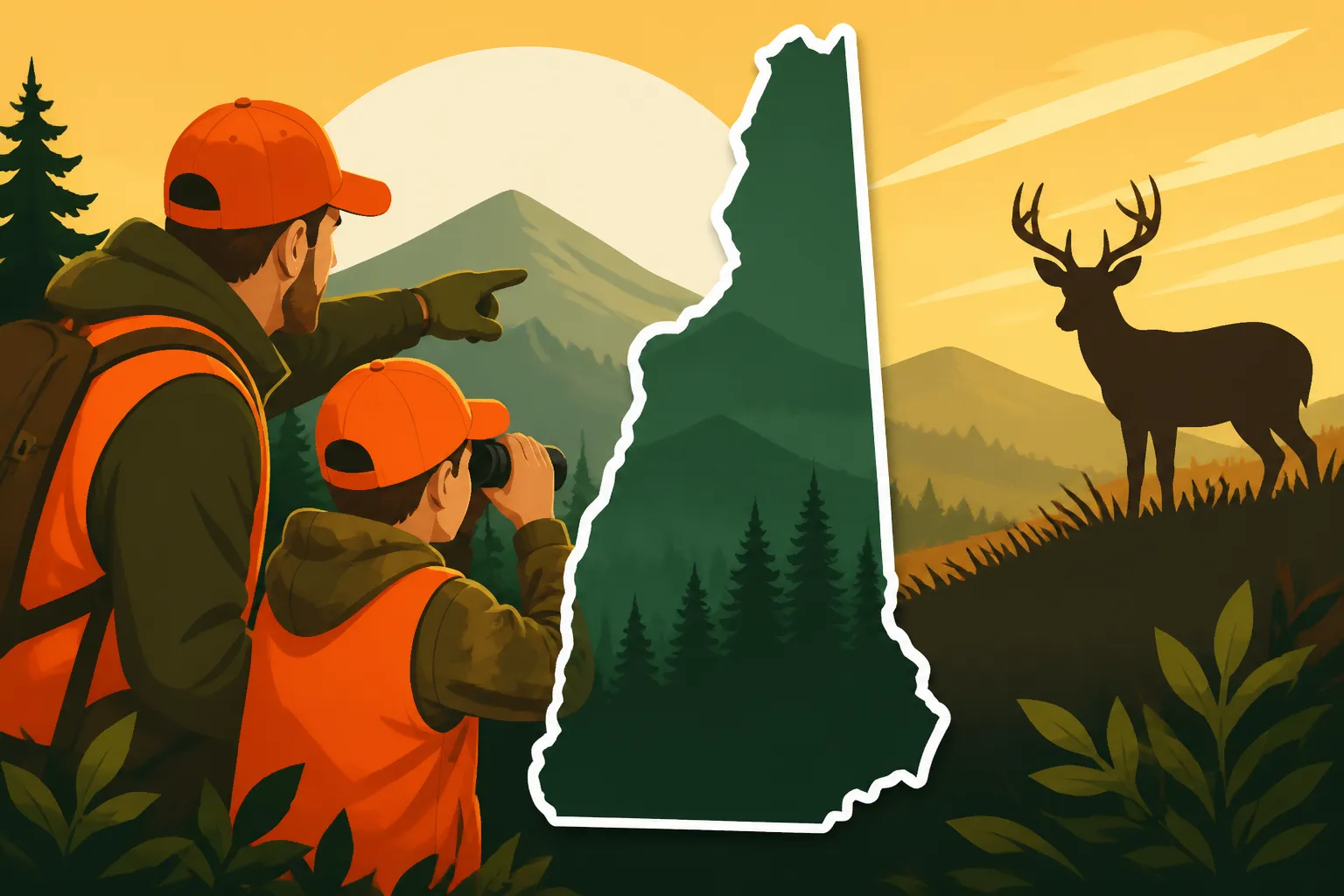
The New Hampshire Youth Deer Weekend is arguably one of the most anticipated events on the calendar for many aspiring young deer hunters. This special weekend, often occurring in late October, provides a fantastic head start before the mad rush of the general firearms season. Typically, youth hunters aged 12 to 15 (though exact age requirements can vary slightly year to year, always check the current digest) are eligible to participate. They must possess a valid hunting license and be accompanied by a licensed adult 18 years or older. This adult cannot carry a firearm and is there solely as a mentor and supervisor.
During this special weekend, young hunters can harvest one deer of either sex, provided they adhere to all existing WMU-specific rules. For instance, in areas like WMU A, which has unique regulations, it's crucial to understand New Hampshire's WMU-Based Deer Season Structure. The beauty of this season is that it offers prime conditions, often right as deer are becoming more active with cooler weather and the early stages of the rut might begin to stir. Less pressure, ideal weather, and deer that haven't been heavily pressured make for excellent opportunities. It's not uncommon for a young hunter to see more deer in this single weekend than many adults might see in several days during the regular season. This early opportunity can be incredibly encouraging, building excitement and confidence that carries through the rest of the year.
Youth Waterfowl Weekend
For those drawn to the wetlands and the challenge of decoy hunting, New Hampshire also offers a dedicated Youth Waterfowl Weekend. The dates for this typically fall in mid-September, just before the full waterfowl seasons kick off, or sometimes there’s a second opportunity later in the season. During this time, youth hunters (usually 12-15 years old) can pursue ducks, geese, and other migratory birds under specific federal and state regulations. Just like with deer, they must be accompanied by a licensed adult mentor, who cannot hunt.
This is a fantastic chance to introduce young hunters to the nuances of waterfowl hunting, from setting up decoys on the Connecticut River to understanding duck identification in flight. The early timing often means milder weather, which is much more comfortable for a young hunter spending hours in a blind or along a marsh edge. It’s an ideal opportunity to teach patience, camouflage techniques, and the importance of ethical shot placement on birds. Learning about species identification and waterfowl biology becomes a hands-on experience. This weekend also helps young hunters get accustomed to the gear required for waterfowl, such as waders, calls, and decoys, preparing them for New Hampshire Youth Waterfowl Weekend Dates when the main seasons open.
Spring and Fall Youth Turkey Seasons
Wild turkeys are another popular target for young hunters in New Hampshire, with dedicated windows available in both spring and fall. The Spring Youth Turkey Season often takes place a week or so before the general spring turkey season begins in May. This gives eligible youth hunters (again, typically 12-15 years old, accompanied by a non-hunting adult) an exclusive shot at a gobbler. There's nothing quite like calling in a strutting tom for a young hunter, and having less competition certainly increases the odds. This early window is perfect for teaching calling techniques, understanding roosting patterns, and navigating the often-tricky world of spring turkey behavior as detailed in Spring Turkey Hunting in New Hampshire.
In the fall, youth hunters also often have special opportunities to hunt turkeys, which can sometimes coincide with the youth deer weekend or be a separate, short window. Fall turkey hunting is very different from spring; it’s less about calling a gobbler to you and more about breaking up flocks and calling them back together. This provides a different set of skills to learn, such as how to stealthily approach a flock and the various calls used to "yell" at scattered birds. Checking the current digest for New Hampshire Fall Turkey Hunting New Hampshire's Eight WMUs will provide precise dates and bag limits, as these can vary. These youth turkey seasons are exceptional for building diverse hunting skills and appreciating these intelligent birds.
Essential Rules, Gear, and Mentorship for Young Hunters
Ensuring a safe, legal, and successful youth hunt in New Hampshire involves understanding the foundational rules, having the right equipment, and, most importantly, providing exceptional mentorship. These elements combine to create an environment where young hunters can truly thrive.
Licensing, Education, and Safety Requirements
Before any young hunter can participate in these special windows, proper licensing is absolutely non-negotiable. Typically, a youth between the ages of 12 and 15 must purchase a junior hunting license, and specific turkey or waterfowl permits may also be required depending on the species. The accompanying adult must also hold a valid New Hampshire hunting license. It's always best to check the current New Hampshire Fish and Game Digest for the most up-to-date information on New Hampshire Hunting Licenses and What They Cost.
A critical prerequisite is hunter education. New Hampshire is serious about safety, and rightfully so. All hunters born after January 1, 1965, must complete an approved hunter education course. This applies equally to youth hunters. These courses cover firearm safety, wildlife identification, ethics, and basic survival skills, providing a vital foundation before a young person ever steps into the field. You can find information on how to complete these courses, including options for online components, through the Fish and Game website.
Safety extends to visibility in the field. During any firearm deer season, including the Youth Deer Weekend, New Hampshire mandates specific blaze orange requirements. Hunters must wear a certain amount of fluorescent orange, visible from all sides, to ensure they are easily seen by other hunters. This is a non-negotiable safety measure, and it’s important to understand New Hampshire Blaze Orange Requirements to avoid any issues. For waterfowl, camouflage is key, but during walk-in to a blind or when handling firearms outside the blind, safety should still be paramount.
The Importance of a Good Mentor
While regulations ensure legal participation, the heart of any successful youth hunt lies in the mentor. The accompanying adult isn't just a chaperone; they are the primary educator, guide, and role model. New Hampshire Mentored Youth Hunting Rules clearly outline the responsibilities of the mentor, emphasizing constant supervision and the transfer of knowledge. It's about teaching everything from tracking and ethical shot placement to the importance of respecting wildlife and the land.
A good mentor teaches patience, perseverance, and woodsmanship. They explain why deer use certain trails, how wind direction affects a hunt, or why a turkey gobbler responded in a particular way. They show, rather than just tell. For instance, instead of just pointing out a deer track, they might explain how to determine its freshness and the direction of travel. This hands-on teaching helps build critical outdoor skills and fosters a deep respect for the natural world. Remember, even after these youth seasons, there's a Minimum Age for Unsupervised New Hampshire Hunting, so this mentorship continues to be vital for developing independent, safe hunters.
Preparing for Success: Gear and Strategy
Proper gear is essential for comfort and safety. For deer hunting, a youth-appropriate rifle or shotgun that fits the young hunter is crucial. Recoil should be manageable to avoid developing a flinch. Archery equipment should also be properly fitted for draw length and weight. Warm, layered clothing is paramount for New Hampshire's often unpredictable fall weather. Good quality boots that are waterproof and comfortable are also a must, as scouting and walking are integral parts of the experience.
Strategy begins long before opening day. Scouting is incredibly important, especially for youth hunts. Take your young hunter out to the woods beforehand to identify potential hunting spots, fresh sign, and safe shooting lanes. This pre-season activity builds excitement and familiarizes them with the terrain. While planning your trip, consider using resources like the GoHunt app or website to scout potential hunting areas, understand boundaries, and locate public access points. It’s an invaluable tool for both mentors and mentees to identify promising spots ahead of time, ensuring you're not walking blind into new territory. Understanding the lay of the land is critical, and digital mapping tools, especially those like GoHunt, can be a game-changer. They allow you to virtually scout areas, marking potential travel corridors, bedding cover, and food sources, even before you set foot in the woods. When scouting, you're not just looking for game; you're looking for where to set up for a safe shot, how to enter and exit quietly, and where to avoid disturbing other animals. This is a great opportunity to teach them Scouting New Hampshire Public Land Before Season.
Making Memories and Building Lifelong Skills
The true value of New Hampshire's special youth hunt windows extends far beyond the harvest. These experiences are rich in lessons, connections, and memories that will last a lifetime, shaping young people into responsible outdoor enthusiasts.
Beyond the Harvest: Learning and Connection
While harvesting an animal is often the goal, the most profound moments during a youth hunt often have nothing to do with pulling a trigger. It’s about the crisp morning air, the rustle of leaves, the whisper of the wind through the pines, and the shared anticipation with a loved one. It’s sitting quietly and observing squirrels, listening to birdsong, or watching a deer graze peacefully from a distance. These are the moments when a young hunter connects with nature on a deep, personal level.
Mentors can use this time to teach vital lessons in woodcraft: identifying different tree species, understanding animal tracks, recognizing various bird calls, or simply appreciating the beauty of the New Hampshire wilderness. They learn patience, perseverance, and the importance of ethical behavior. Even if no animal is harvested, the experience of spending quality time outdoors, learning, and bonding creates invaluable memories. Imagine a young hunter recalling the time they sat with their grandparent, sipping hot chocolate as the sun rose over a frost-covered field, long after the details of a successful hunt might fade. The data available through platforms like GoHunt can provide insights into land ownership, public access points, and even historical harvest data in some areas, offering a crucial advantage when you're trying to put a young hunter on game.
The Future of Hunting in the Granite State
The existence of these special youth hunt windows is a testament to New Hampshire's commitment to the future of its hunting heritage and wildlife conservation. By providing these dedicated opportunities, the state is actively investing in the next generation of stewards for its natural resources. These young hunters will grow up to be the adults who purchase licenses and permits, contribute to conservation funding through excise taxes on hunting equipment, and advocate for wildlife management.
When youth are introduced to hunting in a positive, educational, and supportive environment, they are more likely to develop into lifelong participants. They become passionate advocates for healthy wildlife populations and responsible land use. The skills learned—from discipline and respect to self-reliance and environmental awareness—are invaluable life lessons that extend far beyond the hunting season. These special opportunities ensure that the tradition of ethical hunting, deeply woven into the fabric of the Granite State, will continue to thrive for generations to come.
New Hampshire Youth Hunting Opportunities Summary
Here’s a quick overview of New Hampshire's primary youth hunting windows and their key features:
| Hunting Opportunity | Target Species | Typical Timing | Eligible Ages (Approx.) | Mentor Requirements | Special Considerations |
|---|---|---|---|---|---|
| Youth Deer Weekend | Deer (any sex) | Late October (e.g., last weekend) | 12-15 years | Licensed, non-hunting adult | Occurs before general firearms season; low pressure. |
| Youth Waterfowl Weekend | Ducks, Geese | Mid-September, sometimes a late season date | 12-15 years | Licensed, non-hunting adult | Federal Duck Stamp required; great for early season learning. |
| Spring Youth Turkey | Gobbler (bearded) | Early May (e.g., week before general season) | 12-15 years | Licensed, non-hunting adult | Ideal for calling tactics; less competition. |
| Fall Youth Turkey | Any Turkey | Varies (often late Oct/early Nov) | 12-15 years | Licensed, non-hunting adult | Focus on flock dispersal; check WMU-specific rules. |
Always consult the current New Hampshire Fish and Game Digest for precise dates, age limits, and regulations, as these can change annually.
Disclaimer
Please remember that hunting regulations, seasons, and licensing requirements can change. Always consult the official New Hampshire Fish and Game Department website or the current year's hunting digest for the most accurate and up-to-date information before planning any hunting trip. Safety and ethical hunting practices are paramount.