New Hampshire Preference Point System Explained
Trying to navigate the complex world of big game lotteries can feel like a riddle wrapped in an enigma, especially when you're dreaming of that coveted New Hampshire moose tag. It's frustrating to put in applications year after year, sometimes feeling like your efforts vanish into thin air. This guide will meticulously break down the New Hampshire preference point system, explaining exactly what it is, how you earn those precious points, and how they ultimately factor into your chances of drawing a permit, hopefully demystifying the process for good.
Understanding New Hampshire's Preference Point System
New Hampshire's approach to distributing limited big game permits, particularly for moose, is designed to be fair while also rewarding consistent participation. Unlike some states that use a true lottery where everyone starts fresh each year, New Hampshire employs a preference point system that gives a leg up to those who have applied diligently over time. It's a system built on the principle of accumulating loyalty, acknowledging the time and money unsuccessful applicants have invested.
What Exactly Are Preference Points?
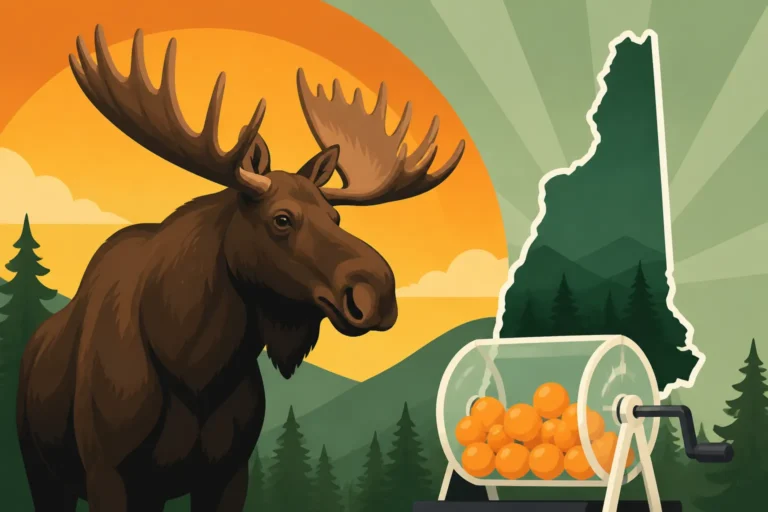
At its heart, a preference point is simply a numerical value awarded to you for each year you apply for a specific limited-entry hunt and are unsuccessful in drawing a permit. Think of it as a small credit that builds up over time. In New Hampshire, for the highly sought-after moose lottery, you earn one preference point each year you submit an application and don't receive a permit. These points don't guarantee you a tag, but they significantly improve your odds as your point total grows. It's not a weighted lottery where your name is entered multiple times for each point; instead, applicants with higher point totals are considered first in the drawing.
The beauty of this system is that it acknowledges the dedication of hunters who stick with the dream year after year. It prevents someone from applying for the first time and instantly having the same chance as someone who has applied for two decades. While pure chance still plays a role, especially when multiple applicants share the same high point totals, the foundation of the system is designed to favor the persistent. This makes the long wait for a tag a little less disheartening, knowing that each passing year brings you closer to the top of the pile.
The Hunts That Utilize Preference Points
Currently, the primary hunt in New Hampshire that operates under this preference point system is the annual moose lottery. The New Hampshire Fish and Game Department manages the moose population carefully, issuing a limited number of permits each year to ensure sustainability and quality hunting experiences. Because the demand for moose permits far outstrips the supply, a fair allocation method is essential. The preference point system provides this by creating a structured way to distribute these highly coveted tags.
It's important to note that New Hampshire's other big game seasons, like deer or bear, generally don't use a preference point system for their general permits. Deer tags are typically available over the counter or as part of a general hunting license, while bear permits are also generally available without a lottery, although specific season dates and methods can vary significantly by WMU. Therefore, when you hear "New Hampshire preference points," you should almost always associate it with the challenge and excitement of the annual moose permit lottery. Understanding this distinction is crucial so you don't mistakenly assume points are accumulating for other species you might be hunting.
Earning and Accumulating Preference Points
The path to accumulating New Hampshire preference points is straightforward, but it requires consistency and a clear understanding of the application process. It’s a marathon, not a sprint, and every year you participate, you’re adding another layer of advantage to your future applications. Many successful moose hunters will tell you that the secret to their success wasn't luck, but simply diligently applying year after year.
The Annual Application Process
To earn a preference point for the New Hampshire moose lottery, you must submit a complete application for the moose permit lottery each year. The application period typically opens in the late spring and closes in mid-to-late May. You can usually apply online through the New Hampshire Fish and Game Department’s website, which is by far the most convenient method for most hunters. Alternatively, you can often print an application from their website and mail it in, though this requires careful attention to deadlines and postal delivery times. Many hunters find using online platforms like GoHunt invaluable for tracking application deadlines across multiple states, ensuring they never miss an opportunity to earn points.
When you apply, you'll need to choose the Wildlife Management Unit (WMU) where you'd like to hunt if drawn. This choice does not affect your preference points directly, as points are tied to the general moose lottery entry, not specific WMU preferences. However, your WMU choice will certainly affect your draw odds once your points put you in contention, as some WMUs have significantly fewer permits or higher demand than others. Remember to check the regulations for your preferred WMU for details on moose hunting New Hampshire's North Country.
The Cost of a Point and What It Entails
Earning a preference point isn't free. There's an application fee associated with entering the New Hampshire moose lottery, which typically ranges from $15 to $25, though it's always wise to check the current year's New Hampshire Moose Lottery Application Fee for the exact amount. This fee covers the administrative costs of running the lottery and processing applications. For residents and non-residents alike, this fee must be paid each year you wish to accrue a point or be entered into the draw.
The "return" on this annual investment is the preference point itself. If you're unsuccessful in the drawing, that point is added to your cumulative total. Your points will continue to build up until you are successfully drawn for a moose permit. Once you draw a tag, your preference point total resets to zero. This "reset" is a critical component of the system, ensuring that everyone eventually cycles through and that the playing field, while tilted towards persistence, doesn't become permanently dominated by a few individuals. It means that once you've had your chance, you start from scratch again, joining the ranks of new applicants and those who are still building their points.
How Preference Points Influence the New Hampshire Moose Lottery
The true power of preference points becomes evident when the lottery drawing actually occurs. Understanding how they interact with the random selection process is key to managing your expectations and appreciating the system's design. It's a blend of rewarding patience and still allowing for an element of chance, which can sometimes be a bit of a nail-biter.
The Drawing Process and Point Prioritization
When the New Hampshire Fish and Game Department conducts the moose lottery drawing, applicants are grouped by their accumulated preference points. The system is designed to first consider applicants with the highest number of points. For example, if there are 200 moose permits available and the highest point total among all applicants is 25 points, the system will first look at all applicants with 25 points. If there are fewer than 200 applicants with 25 points, all of them will draw a permit. If there are more than 200 applicants with 25 points, then a random drawing is conducted only among those 25-point applicants to fill the available permits.
Once all applicants at that highest point tier have been considered (and permits either allocated or not), the system then moves to the next highest point tier (e.g., 24 points), and the process repeats. This continues until all available permits are allocated. This is why consistently building your points is so crucial: it moves you to the front of the line, increasing your probability of being in the pool of applicants who are considered first. This method provides a very clear advantage to those who have been applying the longest, making the long wait worthwhile for many hunters. You can find out more about the overall New Hampshire Moose Permit Lottery process to better understand the timelines and details.
The Phenomenon of "Point Creep"
One challenge that often frustrates applicants, especially in popular draws, is "point creep." This refers to the gradual increase in the number of preference points required to draw a permit over time. As more people apply for the moose lottery year after year and accumulate points, the average number of points held by applicants tends to rise. This means that while 10 points might have been enough to draw a permit a decade ago, today you might need 15 or even 20 points to be in the top tier for consideration.
Point creep happens for a few reasons:
- Consistent Applications: Many hunters are faithfully applying every year, steadily building their points.
- Stable Permit Numbers: If the number of permits issued each year remains relatively stable or decreases, while the number of applicants grows, the competition for those permits intensifies.
- No Point Loss (Until Drawn): Points only reset when you draw a tag. Unsuccessful applicants simply keep adding to their total, pushing the "needed" point total higher.
This phenomenon can make the waiting game feel even longer, as your points might be growing, but the minimum required to draw is also increasing. It underscores the importance of starting to apply as early as possible and maintaining that consistency. You can often see this trend reflected when looking at New Hampshire Moose Draw Odds by Residency over several years.
Realistic Odds and Expectations
Having a high number of preference points significantly improves your chances, but it's important to have realistic expectations. Drawing a New Hampshire moose permit remains a challenging endeavor, particularly for non-residents. New Hampshire allocates a very limited number of permits specifically for non-residents, making their odds considerably lower, even with high point totals. For residents, the odds are better, but still require patience.
For instance, while a resident might draw with 15-20 points, a non-resident might need well over 20-25 points, or even more, to be in the running. Even with the highest point total, if there are more applicants at that tier than available permits, a random drawing still occurs among them. This means that you could have 25 points, be among the highest, and still not draw if others at your point level are randomly selected instead of you.
Here's a simplified table to illustrate how points can influence draw chances, based on general historical trends (actual odds vary yearly):
| Applicant Type | Preference Points | Historical Draw Chance (Example) |
|---|---|---|
| Resident | 0-5 | Low (e.g., <5%) |
| Resident | 6-10 | Moderate (e.g., 5-10%) |
| Resident | 11-15 | Good (e.g., 10-20%) |
| Resident | 16-20+ | High (e.g., 20-50%+) |
| Non-Resident | 0-10 | Very Low (e.g., <1%) |
| Non-Resident | 11-20 | Low (e.g., 1-3%) |
| Non-Resident | 21-25+ | Moderate (e.g., 3-10%+) |
Note: These percentages are illustrative and fluctuate annually based on permit numbers and applicant pools. Always check current NH Fish and Game data for precise odds.
It's a testament to the perseverance of hunters that so many continue to apply, holding onto the dream of a New Hampshire moose hunt. While the odds can be daunting, a preference point system is designed to reward that very perseverance.
Strategies for Maximizing Your Chances
While the preference point system is largely about playing the long game, there are still ways to approach the lottery strategically. It's not just about applying; it's about understanding the nuances and staying informed to give yourself the best possible edge.
The Long Game: Patience and Persistence
The single most important strategy for drawing a New Hampshire moose permit is unwavering patience and persistence. There's no shortcut to accumulating preference points. You simply must apply every single year without fail. Missing even one year means you don't earn a point, and you fall further behind those who consistently apply. This can be especially frustrating if you've been building points for a decade, only to miss an application window due to oversight. Setting calendar reminders, signing up for email notifications from NH Fish and Game, or using platforms like GoHunt that send application reminders are excellent ways to ensure you never miss a deadline.
Think of it like saving for a major purchase; small, consistent contributions over time eventually add up to something significant. Many successful moose hunters have stories of applying for 15, 20, or even 25 years before their name was finally drawn. It's a testament to their dedication to the hunt and their understanding of how the system works. The waiting game is part of the experience, and the eventual success tastes all the sweeter for the patience exercised.
Understanding WMU Choices and Their Impact
When you apply for the moose lottery, you'll be asked to select a Wildlife Management Unit (WMU) as your preferred hunting area. While your choice of WMU does not affect how you accumulate preference points (points are tied to your general lottery application), it does significantly impact your draw odds once you reach a high point total. Some WMUs, particularly those in the more accessible southern regions or those with higher moose densities, receive a disproportionately higher number of applications relative to the permits available. Conversely, some of the more remote, challenging areas, like those deep in the White Mountain National Forest or parts of the North Country, might have fewer applicants per permit.
Before submitting your application, take the time to research the different WMUs. Look at historical permit allocations and past drawing statistics, which are typically available on the NH Fish and Game website. Consider WMUs with lower hunter densities or slightly better draw odds, even if they require more effort to access. For example, some hunters might prioritize WMUs in the northern part of the state for their experience, even if the draw odds are similar to other units. Knowing about New Hampshire's Eight Moose-Permit WMUs will allow you to make an informed choice that aligns with your hunting goals. If your primary goal is simply to draw a permit, researching the WMUs with the statistically best odds, even if they're not your dream location, might be a smart move.
Utilizing Resources to Track Your Progress
In today's digital age, there are fantastic resources available to help you track your progress and stay informed. The New Hampshire Fish and Game Department's website is the authoritative source for all regulations, application periods, and draw results. Make it a habit to check their site regularly for updates.
Additionally, various third-party hunting apps and websites, like GoHunt's Insider platform, offer comprehensive state-by-state breakdowns of lottery systems, including New Hampshire's. These platforms often provide:
- Application Reminders: So you don't miss crucial deadlines.
- Historical Draw Odds: Detailed statistics on how many points it took to draw in previous years for different WMUs and residency types.
- Point Tracker: A personal tool to keep tabs on your accumulated points across various states.
- Strategy Articles: Insights from experts on how to improve your chances.
While these tools usually come with a subscription fee, many serious Western big game hunters find the investment worthwhile for the convenience and depth of information provided. For New Hampshire moose, understanding the New Hampshire Moose Permit Cost If Drawn is also a key factor in your planning, should you be successful. These resources help you make informed decisions, whether it's understanding the New Hampshire Moose Population Decline Since the 1990s and its impact on permit numbers or simply ensuring you maximize your chances each year.
Managing Expectations and Embracing the Journey
Ultimately, drawing a New Hampshire moose permit is a long-term goal for most hunters. It’s vital to manage your expectations. Don't go into each application cycle expecting to draw; instead, view each application as an investment in your future hunting opportunities. The preference point system is designed to provide a fair shot over time, not instant gratification.
Embrace the journey. The anticipation, the annual application ritual, and the dreaming of a future moose hunt are all part of the experience. Many hunters find joy in scouting potential WMUs, even without a tag in hand, learning about the terrain and the moose habits. This pre-season activity can be incredibly rewarding, helping you to understand where New Hampshire Bucks Bed in Thick Cover, or the best places for Still-Hunting White Mountain National Forest Timber. If you're fortunate enough to draw, the experience will be incredibly special, a culmination of years of patience. And if you don't draw, you've simply added another valuable point to your tally, moving you one step closer to that dream hunt.
Disclaimer
This article is intended for informational purposes only and does not constitute legal advice. Hunting regulations, license requirements, and lottery systems are subject to change. Always consult the official New Hampshire Fish and Game Department website or relevant state agencies for the most current and accurate information before planning any hunting activities.