New Hampshire’s WMU B Covers North Country Terrain
Navigating the expansive, rugged terrain of New Hampshire's North Country can feel like stepping into a different world compared to the state's more populated southern regions. For hunters looking to immerse themselves in true wilderness, Wildlife Management Unit B presents a unique blend of opportunity and challenge, but it can be intimidating to figure out where to even begin in such a vast landscape. This guide aims to demystify WMU B, offering a detailed look at its distinct characteristics, the game you can pursue, and practical strategies to enhance your success in this remote corner of the Granite State.
Understanding WMU B's Unique Terrain and Habitat
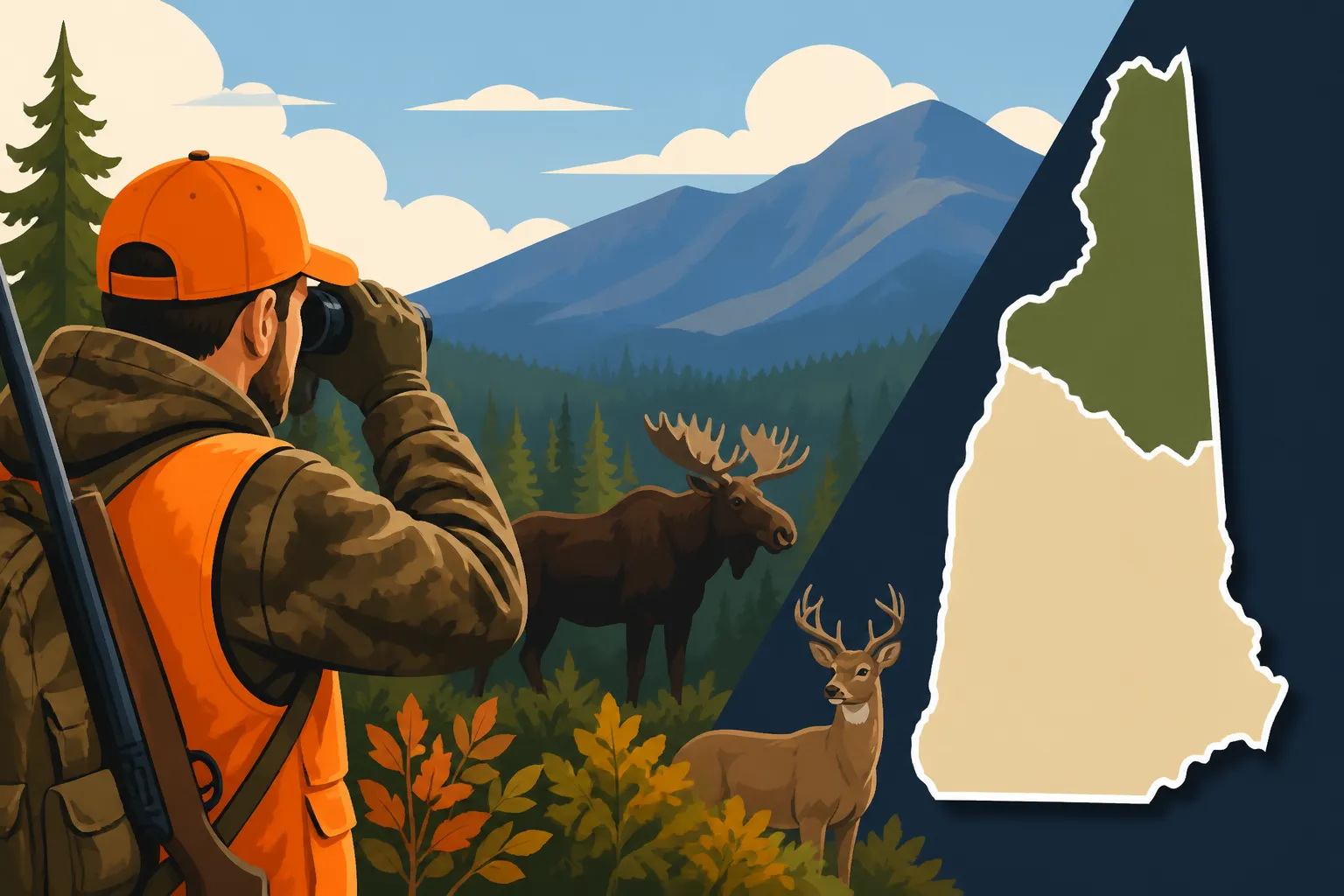
WMU B is synonymous with New Hampshire's North Country, stretching across vast swaths of Coos County. When you think of "big woods" hunting in New Hampshire, WMU B is often what comes to mind. This isn't your average patchwork of suburban woodlots; we're talking about immense tracts of forest, often remote, with limited access points and a characteristically rugged landscape.
The Forested Landscape and Topography
The terrain here is dominated by mixed hardwood and softwood forests, but it's the sheer scale and density that truly define it. You'll find extensive spruce-fir stands, especially at higher elevations and in the numerous low-lying wet areas, interspersed with mature hardwoods like maple, birch, and beech on the ridges and slopes. This creates a diverse canopy that provides varied food sources and cover. The topography ranges from rolling hills to steeper, granite-laden ridges that can be a real lung-buster to climb, especially when carrying a pack. You'll also encounter countless small streams, beaver flows, and bogs that crisscross the landscape, often creating natural funnels or impenetrable obstacles. Understanding these features, even from a mapping application like onX Hunt, is critical before you ever set foot on the ground.
These forests are not manicured parks; they are dynamic, with areas of timber harvest, regenerating clear-cuts, and old-growth pockets. Recent timber operations can create incredible browse for deer and moose, while older, undisturbed areas provide critical winter cover, particularly for deer seeking shelter from deep snow and biting winds. The mosaic of these different forest types and ages is what makes WMU B so productive for a variety of game, but it also demands a hunter who is willing to put in the miles and adapt to changing conditions.
Water Features and Their Influence on Game Movement
The presence of water—from the winding Connecticut River tributaries to countless small ponds, beaver ponds, and wetlands—is a defining characteristic of WMU B and profoundly influences game movement. Beaver activity, in particular, has shaped many areas, creating flowages that provide vital food sources for moose and attract waterfowl, while also opening up the forest canopy.
These water features act as natural travel corridors and pinch points for deer and bear, especially during the rut or when they are moving between bedding and feeding areas. A thick, impenetrable bog might force deer to use a narrow strip of high ground, creating a perfect ambush point. Hunting a Beaver Flowage Edge can be incredibly productive, as these areas concentrate game. However, they can also be notoriously difficult to navigate, requiring sturdy waterproof boots or even waders, and a keen eye for subtle signs of movement along their edges. Understanding where these game trails intersect with water features is a huge advantage, and a detailed topographical map, like those available on platforms such as GoHunt, can help you identify these spots before your boots ever hit the mud.
Key Game Species and Hunting Opportunities in WMU B
WMU B truly shines when it comes to big game opportunities, especially if you're looking for a more remote, classic North Woods hunting experience. While deer are present, it's the moose and bear populations that often draw the most attention to this region.
Moose: A North Country Icon
WMU B is renowned for its moose hunting opportunities, often considered prime moose country in New Hampshire. The extensive tracts of public land, abundant wetlands, and varied browse create ideal habitat for these giants. A moose tag in WMU B is a coveted prize, typically obtained through New Hampshire's annual moose lottery.
Hunting moose here is an immersive, often physically demanding experience. It’s not uncommon to spend days still-hunting through thick spruce bogs or calling a bull from a remote clear-cut, covering miles of rugged terrain. Success often hinges on finding fresh sign – tracks, rubs, and droppings – and then committing to an area. While there are typically fewer moose tags available than applicants, those who draw a permit find themselves in some of the best habitat New Hampshire has to offer. The average success rate for moose hunters in WMU B tends to be higher than in some other WMUs, reflecting the robust population and excellent habitat. Calling a Bull Moose in Late October can be an exhilarating experience, with their deep grunts echoing through the crisp autumn air.
Black Bear: Abundant and Challenging
New Hampshire's black bear population has seen significant growth over the years, and WMU B is a stronghold for these intelligent animals. Bear hunting here can be pursued through several methods: baiting, hunting with hounds, or still-hunting. The dense forests and abundant mast crops (especially beech nuts and acorns in good years) provide ample food and cover, leading to a healthy and thriving bear population.
For those interested in baiting, understanding the specific regulations and Baiting New Hampshire Bears Legally by WMU is paramount. It requires consistent effort, dedication, and knowledge of bear behavior to establish an effective bait site. Hunting with hounds, a traditional method in the North Country, involves a deep understanding of dog handling and tracking. Still-hunting for bear, while perhaps the most challenging, offers a truly wild experience, focusing on areas with fresh sign, natural food sources, or travel corridors. Many hunters use trail cameras to scout activity, helping them determine the presence and patterns of bears before committing to a stand location.
White-tailed Deer: The Forested Challenge
While WMU B holds healthy deer populations, the density is generally lower than in the more agricultural or suburban regions to the south. Deer in this North Country terrain tend to be more spread out, and their movements are often influenced by the deep snows of winter and the availability of food sources like regenerating clear-cuts or specific mast crops. This makes hunting WMU B for deer a different beast entirely. It’s less about sitting over a food plot and more about covering ground, understanding subtle terrain features, and reading sign in the vast timber.
Late season hunting can be particularly rewarding if you can locate deer yards – areas of dense softwood cover where deer congregate to escape harsh winter conditions. Reading a White Mountain Deer Yard can reveal travel patterns as they move to and from these protected areas. Success often comes from patience, strategic still-hunting, and an intimate knowledge of the land, rather than sheer numbers. You won't typically see dozens of deer a day, but the deer you do encounter in this wild setting are often impressive animals that have survived the rigors of the North Country.
Navigating Public and Private Lands in WMU B
One of the biggest advantages and sometimes the biggest challenge of hunting in WMU B is the mix of public and private land. The North Country is home to vast tracts of publicly accessible land, but also large private holdings, some of which are managed for timber and allow access, while others are leased or strictly private.
Vast Public Land Opportunities
WMU B contains significant portions of the White Mountain National Forest, numerous state forests, and smaller state-owned parcels. This means incredible opportunities for public land hunting, where you can literally walk for miles without crossing a private boundary. This public access is a huge draw for hunters seeking solitude and a truly wild experience. Hunting New Hampshire's White Mountain National Forest can provide immense satisfaction, but it also demands a high degree of self-sufficiency.
Using a reliable mapping application like onX Hunt is absolutely non-negotiable here. It allows you to clearly see property boundaries, identify potential access points, and navigate dense terrain even without cell service by pre-downloading maps. You need to be aware of specific regulations that might apply to certain public areas, such as designated wilderness areas or specific wildlife management regulations. Always double-check current regulations from the New Hampshire Fish and Game Department, but generally, the opportunity to roam free across thousands of acres is a huge asset of WMU B.
Understanding Private Land and Permission
Interspersed with public lands are large parcels of private timberland, often owned by industrial logging companies or private individuals. Many of these landowners historically allow public access for hunting, recognizing the value of the recreational use of their properties. However, this is not guaranteed, and conditions can change. It is always the hunter's responsibility to know who owns the land they are on and whether permission is required or allowed.
It's common to see "Private Land, No Motorized Vehicles" signs, which still permit foot travel. Other parcels might be "Posted" or indicate "No Trespassing," meaning they are off-limits without explicit permission. Some larger tracts may also be under lease by hunting clubs. Do You Need Written Permission in New Hampshire? is a question many hunters have, and while it's not always legally required for unposted private land, it's always the best practice to seek it out if possible, especially on smaller parcels. Leveraging tools like onX Hunt to identify landowner information can be invaluable for reaching out and politely requesting permission. Respecting private land and landowner wishes is critical to maintaining future access for all hunters.
Strategies for Success in WMU B's Challenging Environment
Hunting the North Country, particularly WMU B, isn't for the faint of heart. It requires preparation, physical stamina, and a willingness to embrace the wild. Success often comes to those who are well-prepared and adapt to the unique challenges this region presents.
Preparation and Scouting: Your Best Allies
Given the vastness and ruggedness of WMU B, scouting is absolutely paramount. While traditional boots-on-the-ground scouting is ideal, it's not always practical for such large areas. This is where modern tools truly shine. Using satellite imagery and topographical maps on applications like onX Hunt or GoHunt allows you to identify potential travel corridors, pinch points, bedding areas, and feeding zones from the comfort of your home. Look for clear-cuts, mature hardwood ridges, beaver flowages, and natural funnels created by terrain or dense cover.
When you do get out to scout, focus on finding fresh sign. This means looking for tracks in mud or snow, rubs and scrapes (especially for deer and moose during the rut), bear scat, and natural food sources like beech nuts or browse. Pay close attention to recent logging activity, as these areas often provide a bounty of new growth that attracts game. Understanding the typical feeding and bedding habits of your target species in this specific environment will inform your strategy. Scouting New Hampshire Public Land Before Season is crucial for maximizing your limited time in the woods during hunting season.
Essential Gear for the North Country Hunter
The gear you bring to WMU B can make or break your hunt. This is not the place to skimp on quality or preparedness. Here’s a quick rundown of essentials:
| Item | Importance in WMU B | Considerations |
|---|---|---|
| Mapping Device | Navigation, property boundaries, planning access, offline use | GPS unit or smartphone with robust app (e.g., onX Hunt) and downloaded maps |
| Waterproof Boots | Navigating bogs, streams, wet terrain; long distances | Sturdy, insulated, well broken-in; consider rubber boots or hip waders for bogs |
| Layered Clothing | Adapting to extreme temperature swings, exertion, static sitting | Moisture-wicking base layers, insulating mid-layers, durable waterproof outer shell |
| Survival Kit | Remote areas, potential for getting lost, unexpected overnight stays | First-aid, fire starter, headlamp, extra food/water, whistle, compass |
| Game Retrieval | Large animals (moose/bear), rough terrain | Game bags, pack frame, sturdy knife, rope, potentially a game cart for accessible areas |
| Optics | Identifying game in thick cover, long-range glassing (especially for moose/bear) | Binoculars (10×42), potentially a rangefinder |
Beyond this, consider a satellite communicator for emergency contact in areas without cell service – a real possibility in WMU B. A good headlamp with extra batteries is also non-negotiable for pre-dawn hikes and post-dusk game retrieval. Packing for a Nine-Day Moose Hunt gives you a sense of the kind of preparedness needed for extended stays in the backcountry.
Patience and Persistence: The North Country Mindset
Hunting WMU B is often a test of patience and persistence. You might not see game every day, or even every few days. The sheer scale of the landscape means animals can be widely dispersed. This requires a different mindset than hunting smaller, more confined areas. Be prepared to cover a lot of ground, whether still-hunting slowly or making deliberate pushes through promising cover.
Don't get discouraged by slow days. Every moment spent in the woods of WMU B is an opportunity to learn the terrain, understand animal patterns, and soak in the raw beauty of the North Country. If you've done your scouting, planned your approach, and are equipped for the conditions, your chances of success will be significantly higher. And when that moment comes, whether it's a bull moose answering a call or a big North Country buck slipping through the timber, the reward will be all the sweeter for the effort you put in.
Disclaimer
This article is for general informational purposes only and does not constitute professional advice. Laws, prices and regulations vary by location and change over time. Consult a qualified professional for guidance on your specific situation.