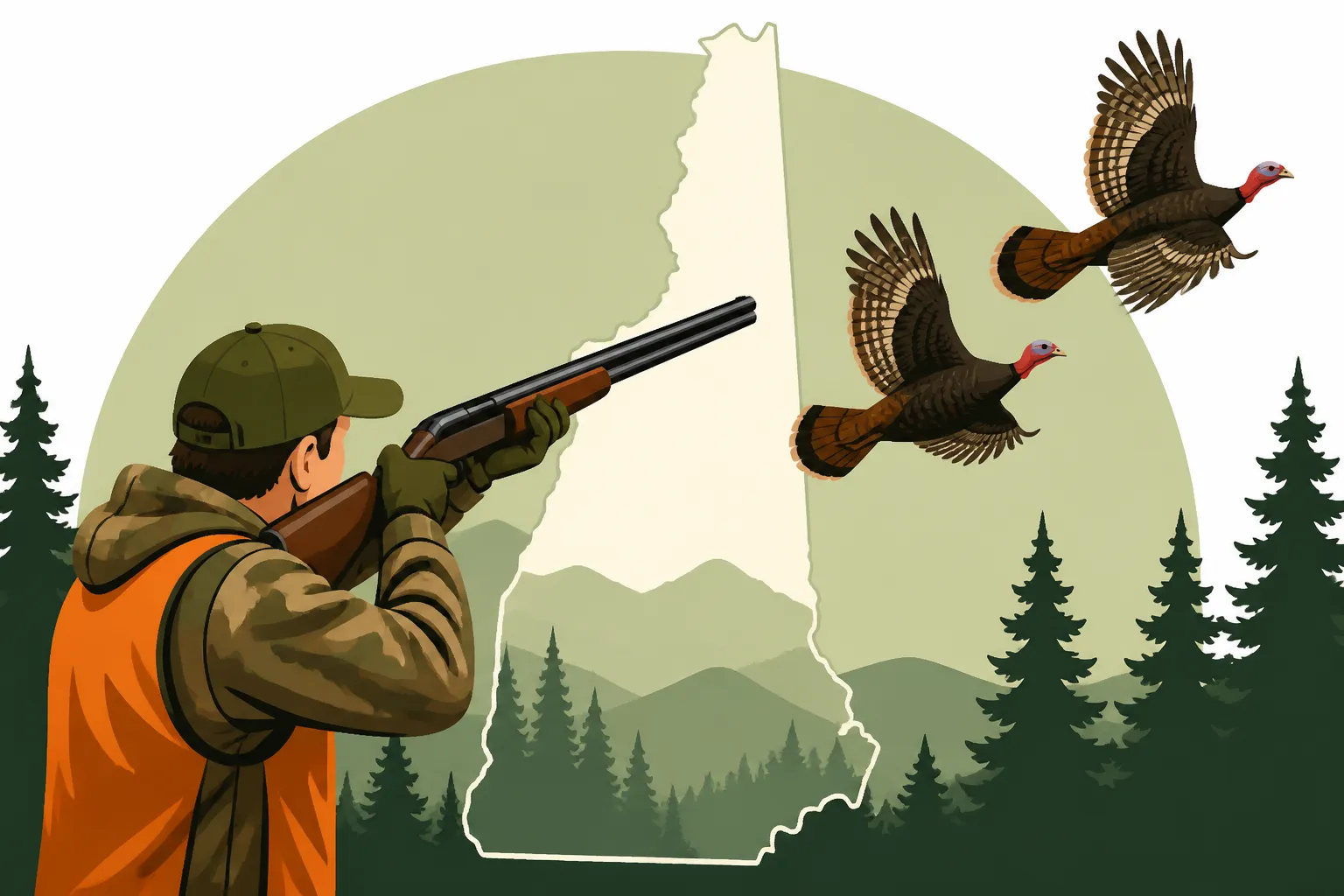
Hunting New Hampshire’s Two-Bird Spring Limit
Hunting two bearded turkeys in New Hampshire's spring season can feel like a monumental task, especially after the thrill and often exhaustive effort of bagging that first gobbler. Many hunters find themselves scratching their heads, wondering how to repeat that success when the woods suddenly seem quieter, and the remaining birds are warier. This guide is here to walk you through the nuances of New Hampshire's generous two-bird spring limit, offering proven strategies and practical advice to help you fill both of those coveted tags.
Understanding the Two-Bearded-Bird Limit
New Hampshire's spring turkey season offers a fantastic opportunity for hunters, but understanding the specific rules, particularly the "two-bearded-bird" limit, is crucial for staying legal and maximizing your success. It's not just about taking two birds; it's about the type of birds and the timing of your harvest.
Defining "Bearded Bird" in New Hampshire
When the New Hampshire Fish and Game Department states a "bearded bird" limit, they mean precisely that: a turkey possessing a beard. While typically associated with adult gobblers, it's important to remember that some hens can also grow beards. However, the vast majority of bearded birds encountered during the spring season will be toms – either adult gobblers (2+ years old) or jakes (yearling males). The regulations are specifically designed to protect the breeding hens, ensuring the population's health and future seasons. Therefore, while you could technically harvest a bearded hen, the intent of the season is focused on male turkeys. Always positively identify your target before pulling the trigger, not just for safety, but to ensure it's a legal bird per the regulations. Misidentifying a hen, even if bearded, can lead to serious legal consequences if it's not truly a bearded bird that fits the spirit of the law, which is generally aimed at male birds during spring.
Season Dates and Bag Limits by WMU
The beauty of spring turkey hunting in New Hampshire lies in its relatively consistent statewide approach, though it's always wise to double-check the most current regulations. Generally, the season runs from early May into late May. Crucially, the statewide bag limit allows for two bearded birds, but with a significant caveat: only one bearded bird may be taken per day. This means you cannot harvest both of your birds on the same morning or afternoon hunt. You must hunt on separate days to tag two birds. This regulation adds an extra layer of strategy to your hunt, as it means you need to maintain effort and persistence over multiple outings. For the most up-to-date information on New Hampshire Spring Turkey Season Dates, always consult the official New Hampshire Fish and Game digest or their website. Knowing these dates precisely, down to the opening and closing days, is your first step toward a successful hunt.
Why the Two-Bird Limit Matters
The opportunity to harvest two bearded birds is a significant advantage for New Hampshire hunters, and it reflects the healthy turkey population across much of the state. This generous limit allows for multiple hunting opportunities, extends your time afield, and can lead to a more substantial freezer full of wild turkey meat. However, it also means that hunters need a deeper tactical approach. It’s not just about getting lucky once; it’s about understanding turkey behavior well enough to consistently locate and call in birds, even after the initial rush of opening day fades. Many hunters are content with one bird, and that's perfectly fine, but for those who want to push themselves, the two-bird limit demands more detailed scouting, more patient calling, and often, more aggressive movement to find that second, sometimes harder-won, gobbler.
Strategies for Your First Spring Gobbler
Securing your first spring gobbler often feels like the hardest part, especially when dealing with "spring fever" and the excitement of the season opener. However, with solid foundational strategies, you can increase your odds significantly.
Early Morning Roosting Tactics
The earliest hours of daylight are often the most productive for spring turkey hunters. Birds are still on the roost, vocalizing as they prepare to fly down, making them easier to locate. Your strategy here should be to get into position well before daylight, ideally an hour or more before fly-down, near a known roosting area or a promising strut zone. Use locator calls—an owl hoot, a crow call, or even a distant coyote howl—to elicit a shock gobble from a tom on the roost. Once you pinpoint a bird, set up quietly, using natural cover or a ground blind. The key is to be close enough that he can hear your soft calls once he hits the ground, but not so close that you risk spooking him off the limb. Try to position yourself so he has to walk past you, or towards a decoy setup, to meet the "hen" he's hearing. Patience is paramount. Don't overcall; let him wonder where you are. For more on locating birds at first light, check out our guide on Calling a May Gobbler Off the Roost.
Mid-Morning Run-and-Gun Approaches
While early mornings are prime, don't pack up your gear once the sun is high. Mid-morning, especially between 8:00 AM and 11:00 AM, can be incredibly productive, particularly after satellite hens have left gobblers to tend to their nests. This is when a run-and-gun approach shines. Instead of sitting in one spot, actively move through likely turkey habitat—ridge lines, field edges, timber breaks, and creek bottoms—stopping every few hundred yards to call loudly and listen intently. A short, sharp series of yelps or cutts, followed by a minute or two of silence, can often provoke a response from a tom actively seeking hens. Don't be afraid to cover ground; turkeys have large home ranges, and you might need to find them. Keep your gear light and efficient for quick setups. This strategy is excellent for covering a lot of ground, particularly on public land where birds might be spread out or pushed by other hunters.
Decoy Setups for Initial Success
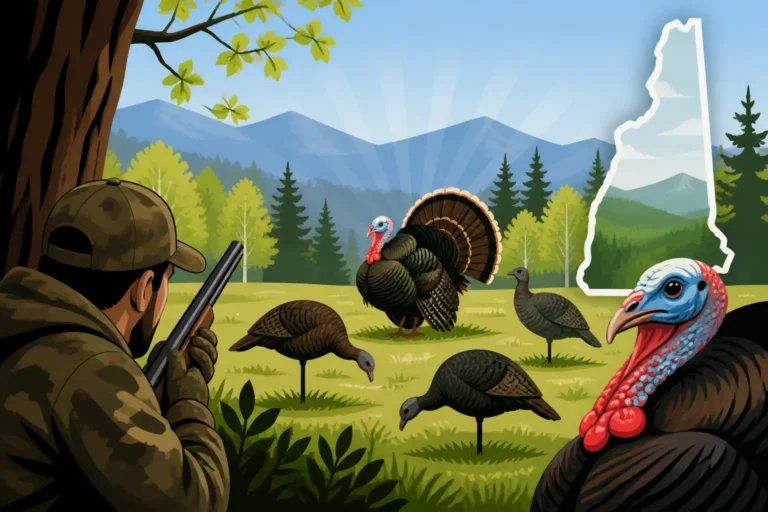
Decoys can be a game-changer, especially for that first, often less pressured, bird. The visual aspect can be incredibly enticing, drawing a gobbler in those last critical yards. A common and highly effective setup is a jake and a hen decoy. The jake decoy acts as a challenge to an adult tom, making him feel the need to assert dominance. Place your hen decoy in a receptive pose, and the jake decoy slightly behind her, facing away. Position your decoys 15-20 yards from your setup, ensuring they are visible from the direction you expect the turkey to approach. This distance gives the approaching gobbler a clear visual, and positions him perfectly for a clean shot when he comes into range. Always consider visibility and terrain when setting up decoys. For an in-depth look at optimal decoy use, read about Decoy Placement for Pressured Spring Birds, which can also apply to less pressured situations.
Tactics for Securing Your Second Bird
Once you've tagged your first bird, a sense of accomplishment sets in. But now comes the real challenge: finding and calling in that second gobbler. The dynamics of the woods often shift after opening week, and birds become warier, making new strategies essential.
Locating New Flocks After Initial Success
Finding your second bird often means going back to the drawing board for scouting, or utilizing areas you previously identified as holding birds but didn't hunt on your first outing. Turkeys have routines, but those routines can change with hunting pressure. If you harvested your first bird from a known roost, it might be worth checking adjacent ridges or river bottoms for new roosts. Pay close attention to subtle clues: fresh tracks in mud, droppings, feather piles, and dusting bowls. Don't be afraid to explore new areas, particularly on larger tracts of public land. Maps like the ones available on GoHunt can be invaluable for identifying potential new hotspots, showing terrain features, habitat changes, and property boundaries that might concentrate birds away from areas of higher pressure. Sometimes, simply driving slowly on backroads at dawn, stopping to listen, can reveal new gobbling activity.
Dealing with Pressure and Shy Birds
By the time you're hunting for your second bird, especially later in the season, turkeys are likely to have experienced some hunting pressure. This makes them significantly more cautious and less responsive to aggressive calling. It’s a common frustration for hunters; birds that were once eager to gobble and charge in suddenly act "henned up" or completely silent. The key here is to tone down your calling and increase your patience. Use softer, more subtle calls—light yelps, clucks, and purrs—to sound like a hesitant hen. Don't call constantly; instead, call sparingly and listen for soft answers or approaching footsteps. Sometimes, no calling at all, just sitting quietly near a travel corridor, is the most effective strategy. Also, consider changing your approach. If you’ve been hunting open fields, try still-hunting through thick timber or working a secluded beaver flowage edge. These birds are looking for safety, and finding those overlooked spots can make all the difference.
Calling Strategies for Late Season or Pressured Birds
Late-season or pressured birds require a completely different calling cadence. Gone are the days of aggressive cuts and loud yelps that often work on opening weekend. Now, subtlety is your best friend. Focus on realistic, soft, and convincing hen vocalizations. A simple sequence of three to five soft yelps, followed by a lengthy silence (10-15 minutes), can often pique a wary gobbler's interest without alerting him to your presence. Consider using a mouth call or a slate call for quieter, more nuanced sounds. If a gobbler responds, resist the urge to immediately call back. Let him come looking. Sometimes, a series of soft tree yelps right at fly-down can convince a tom that he's alone and an easy hen is waiting. Vary your calls; switch between different hen sounds to make it seem like multiple hens are present. Mastering these nuanced calls, as described in Best Call for a New Hampshire Spring Gobbler, is essential for tricking those educated toms.
Legal Considerations and Reporting
Successfully bagging two birds requires not only hunting skill but also meticulous attention to legal requirements. New Hampshire has specific rules regarding permits, reporting, and transport that all hunters must adhere to.
Required Permits and Licensing
Before you even step foot into the woods with your shotgun or bow, you absolutely must possess the correct licensing and permits. In New Hampshire, this typically means a valid New Hampshire hunting license and a specific turkey permit. Without these, any harvested turkey is illegal. For residents, understanding your New Hampshire Resident License Options is critical, as is ensuring your turkey permit is attached. Non-residents also have specific requirements. It's not uncommon for hunters, especially those new to the state or returning after a hiatus, to overlook a specific stamp or permit. Always double-check the current New Hampshire Fish and Game digest or website well in advance of the season. Fines for hunting without proper licensure can be substantial, and you risk losing your hunting privileges. It's just not worth the shortcut.
Checking and Reporting Your Harvest
Once you've harvested a bearded bird, the hunt isn't truly over until it's legally checked and reported. New Hampshire mandates that all harvested turkeys be reported within 24 hours of being taken. This is a critical step, as it provides valuable data to wildlife biologists who manage the turkey population, helping them set future seasons and bag limits. The easiest way to report your harvest is often online through the New Hampshire Fish and Game website or their official mobile app. However, traditional check stations are also available, which can be a great way to interact with other hunters and wildlife officials. Make sure you have all the necessary information readily available, such as the date and time of harvest, the Wildlife Management Unit (WMU) where it was taken, and information about the bird itself. Failing to report your harvest is a violation and can lead to penalties. Keep proof of your reporting with you until the meat is processed.
Transporting Your Birds Legally
Properly transporting your harvested turkey is another often-overlooked legal detail. After you've tagged and reported your bird, there are still rules for getting it home. In New Hampshire, generally, you must keep evidence of the bird's sex and species attached to the bird until it reaches your home or a meat processor. For spring turkeys, this means keeping the beard and one leg with a visible spur attached to the carcass. This allows wildlife officials to verify that the bird was a legal bearded tom if you are stopped for a check. It's a measure to prevent unlawful harvesting of hens, which are protected during the spring season. Always tag your bird immediately after recovery, making sure the tag is securely affixed. If you're quartering your bird in the field, ensure these identifying features remain with the main portion of the meat you're transporting. This applies to both your first and second bird.
Essential Gear for Spring Turkey Success
Having the right gear won't guarantee success, but it will certainly make your time in the woods more comfortable, efficient, and increase your chances of getting a bird. New Hampshire's spring weather can be unpredictable, and the terrain varied, so being prepared is key.
Shotgun and Ammo Considerations
For most turkey hunters, a 12-gauge shotgun remains the king, offering a versatile blend of range and shot density. However, 20-gauge shotguns have become increasingly popular, especially with advancements in ammunition technology, providing lighter carry weight with sufficient knock-down power at reasonable ranges. What's more important than the gauge itself is your choice of ammunition and choke. Modern turkey loads, often featuring dense patterns of heavy shot like TSS (Tungsten Super Shot), allow for extended effective ranges while maintaining lethal patterns. Pair this with a tight turkey-specific choke tube, typically a .650 to .675 constriction, and pattern your shotgun extensively before the season. You want to know exactly how your gun and choke/ammo combination performs at 20, 30, and 40 yards. Knowing your effective range is crucial for ethical shots. Always check New Hampshire's legal firearms for deer hunting to understand general firearm restrictions, though turkey rules might differ slightly for specific gauges.
Calls, Decoys, and Blinds
Your calling strategy is directly tied to the calls you carry. A versatile turkey hunter will have a variety: a diaphragm (mouth) call for hands-free operation and subtle sounds, a slate or pot call for rich, realistic yelps and purrs, and maybe a box call for loud, far-reaching cuts and yelps. Each has its strengths, and often one call will work better than others on a particular bird or day. Decoys, as mentioned earlier, can be incredibly effective. Consider lightweight, collapsible models for easy carry, especially if you're planning a run-and-gun approach. For those who prefer to sit tight, especially when hunting a specific area for a second, warier bird, a ground blind offers concealment and protection from the elements. A simple pop-up blind can be quickly deployed and provides excellent camouflage, making it easier to shift positions and draw your gun without spooking an approaching tom. For specific advice on different calls, refer to our guide on the Best Call for a New Hampshire Spring Gobbler.
Footwear and Camouflage for New Hampshire Terrain
New Hampshire's terrain can be incredibly varied, from muddy river bottoms to rocky granite ridges, and weather can swing from warm and sunny to cold and rainy in a single day. Therefore, proper footwear is paramount. Waterproof, comfortable boots with good ankle support are a must. Whether you choose rubber boots for wet areas or sturdy hiking boots for drier, rockier terrain, ensure they are well broken in to avoid blisters when covering miles. For late-season hunts, insulated boots might also be a smart choice. As for camouflage, blending into the hardwood forests and mixed woodlands of New Hampshire is key. A pattern like Mossy Oak Bottomland, Realtree AP, or a good universal timber pattern will serve you well. Ensure your head, face, and hands are also concealed. A full head net and gloves are non-negotiable. Don't forget to consider a lightweight rain suit that can be packed away easily but deployed quickly when those inevitable spring showers roll in. Our guide on Best Camo for New Hampshire Hardwood Timber offers more specific insights.
Public vs. Private Land for Multi-Bird Hunts
The quest for two spring gobblers in New Hampshire presents a unique challenge depending on where you choose to hunt. Both public and private lands offer opportunities, but they come with their own sets of advantages, disadvantages, and strategic considerations.
Navigating Public Land Challenges
Public lands in New Hampshire, such as sections of the White Mountain National Forest, Wildlife Management Areas (WMAs), and various state forests, offer vast tracts of hunting ground. This can be fantastic for covering extensive territory, especially when searching for that second bird after initial success. However, public lands also often come with increased hunting pressure, particularly during the early days of the season. You're likely to encounter other hunters, which can make birds warier and harder to call in. To combat this, smart public land hunters will focus on accessing remote areas that require more effort to reach. Walking an extra mile or two from parking areas can often put you in untouched territory where birds are less educated. Utilizing mapping applications like GoHunt can help identify potential remote access points, terrain features that funnel game, and areas with limited road access. Being mobile and employing run-and-gun tactics, as outlined in Run-and-Gun Turkey Tactics on Public Land, becomes even more critical on public ground for finding and pursuing that second gobbler.
Seeking Private Land Opportunities
Private land can offer a distinct advantage for multi-bird hunts, primarily due to reduced hunting pressure. If you can secure permission from landowners, you'll often find birds that are more responsive to calls and less skittish. This can make the pursuit of your second bird significantly easier, as the turkeys haven't been relentlessly pursued by multiple hunters. However, gaining access requires effort and good communication skills. Start by identifying potential parcels through mapping tools, then respectfully approaching landowners well in advance of the season. Offer to help with chores, share your harvest, or simply be a responsible, courteous hunter. Maintaining a good relationship is key for continued access year after year. Often, even smaller private parcels, if unpressured, can hold a surprising number of birds. These properties can be ideal for setting up a ground blind for extended sits, allowing you to patiently work a wary tom without fear of interruption.
Comparing Success Rates and Strategies
When comparing success rates for two-bird limits, private land often statistically offers a higher probability, simply because of the reduced pressure and more predictable bird behavior. However, this doesn't mean public land is impossible; it just means it demands a higher level of skill, patience, and adaptability. On private land, you might be able to pattern a specific gobbler and consistently work him over several days for your second tag. On public land, you'll likely need to be more opportunistic, covering more ground, and reacting to whatever new gobbling activity you can find. A good strategy is to use the early part of the season, when birds are most vocal, to fill your first tag on whichever land type presents the best opportunity. Then, for your second bird, consider shifting tactics: if you started on public, try to find a private parcel, or vice versa. The goal is to maximize your chances by playing to the strengths of each type of land and adapting your approach as the season progresses and birds become more cautious.
| Hunting Strategy Aspect | First Bird Success (Generally) | Second Bird Success (More Challenging) |
|---|---|---|
| Hunting Pressure | Lower, especially early season | Higher, birds warier and educated |
| Gobbling Activity | More frequent, enthusiastic | Less frequent, often softer/distant |
| Calling Aggression | Can be more aggressive and loud | Needs to be softer, subtler, patient |
| Decoy Effectiveness | Highly effective, visual draws | Still effective, but placement critical |
| Movement | Can be patient or run-and-gun | Often requires more mobility/scouting |
| Location Focus | Known roosts, strut zones | New areas, pressured sanctuaries |
| Patience Level | High | Extremely High |
Disclaimer
Please note that hunting regulations, seasons, and licensing requirements can change. Always consult the most current New Hampshire Fish and Game Department regulations before heading afield. This guide is for informational purposes only and should not replace official state publications or professional advice. It is the hunter's responsibility to know and obey all applicable laws.