Reading a Marsh for a Morning Flight
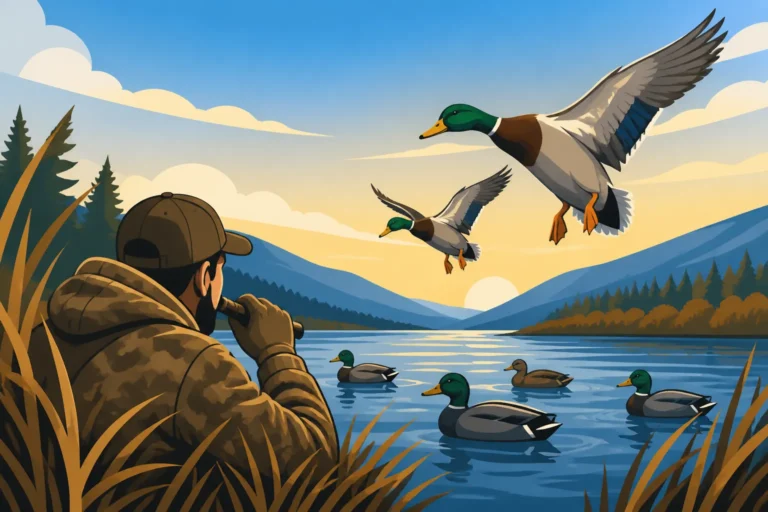
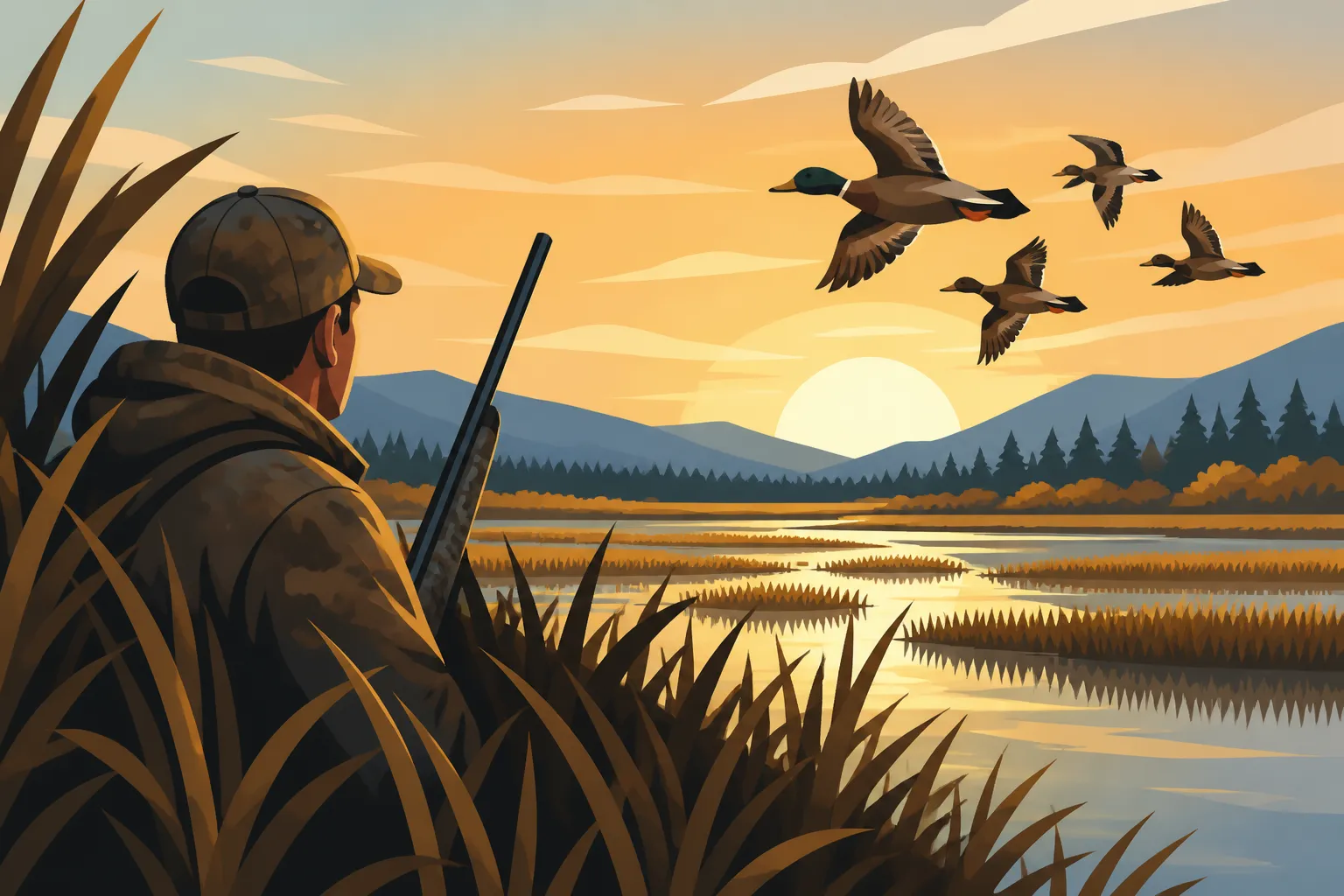
There's nothing quite like the pre-dawn anticipation of a New Hampshire marsh hunt, yet many of us have experienced the bitter disappointment of birds flying every direction but ours. Trying to predict waterfowl movement can feel like deciphering a secret code, leaving you wondering where you went wrong. This guide aims to demystify the art of reading a marsh, helping you understand the subtle cues that lead to a successful morning flight.
Understanding Marsh Dynamics and Waterfowl Behavior
Waterfowl aren't just flying randomly; their movements are dictated by a complex interplay of environmental factors and instinct. To consistently intercept them, you need to think like a duck or a goose. This means understanding their daily routines, their preferred dining spots, and their safe havens within the marsh ecosystem.
Water Levels and Their Impact
One of the most critical, yet often overlooked, factors in any New Hampshire marsh is the water level. It's not static; it fluctuates constantly due to rainfall, snowmelt, and even beaver activity. These changes dramatically influence where ducks and geese can feed and rest. A sudden rise in water can flood new areas, making previously inaccessible food sources available. Conversely, dropping water levels might expose mud flats, which are magnets for dabbling ducks seeking invertebrates or germinating seeds.
Imagine a small, shallow impoundment fed by a recent deluge. What was a dry, unappealing patch of weeds a week ago is now a flooded smorgasbord, drawing in mallards and black ducks. They'll flock to these newly submerged areas, often shallow timber, to find seeds and aquatic insects. Conversely, if a prolonged dry spell hits, you might find birds concentrated in the few remaining deeper pockets of water, leaving vast stretches of the marsh barren. Understanding these dynamics is paramount.
Food Sources Within the Marsh
Knowing what's on the menu is like knowing the location of a five-star restaurant for waterfowl. New Hampshire marshes offer a smorgasbord of natural foods that attract different species. Think wild rice, smartweed, duck potato, and various submerged aquatic vegetation. Many of these plants are annuals, meaning their availability changes from year to year and even within a single season.
Dabbling ducks, like mallards and wood ducks, thrive on seeds, grains, and invertebrates found in shallow water. Diving ducks, such as ring-necks and goldeneyes, prefer deeper waters for mussels, snails, and larger aquatic plants. Observing what local farmers are planting or harvesting nearby, especially corn, can also give you a huge clue, as geese will often hit cut cornfields at first light before retreating to the marsh for loafing and drinking. Familiarize yourself with these species-specific preferences and scout for their presence in your chosen marsh.
Roosting Versus Feeding Areas
Waterfowl have distinct patterns for where they spend their nights (roosting) and where they fuel up (feeding). Roosting areas are typically large, open bodies of water, or dense, secluded cover offering protection from predators and the elements. These are their bedrooms, often in the deepest, most inaccessible parts of the marsh or on large, undisturbed ponds. You generally don't want to hunt a roost, as you'll likely burn out the birds for days or even weeks.
Feeding areas, on the other hand, are where the action happens. These are typically shallower sections, mudflats, flooded timber, or agricultural fields adjacent to the marsh. This is where birds actively forage, and often where they'll head first thing in the morning from their roosts. Your goal is to identify these feeding hotspots and position yourself along their flight path or directly within them, always being mindful not to disturb their secure resting spots. Understanding the difference between these zones is key to intercepting them during a morning flight.
Scouting Strategies for Morning Flights
Successful waterfowl hunting in New Hampshire, especially in marshes, isn't just about setting decoys and blowing a call. It's about diligent, thoughtful scouting that extends well beyond opening day. Your preparation before the hunt is often more important than the hunt itself.
Pre-Season and In-Season Reconnaissance
The work of a successful marsh hunter begins long before the season's first legal shooting light. Pre-season scouting allows you to assess the marsh's overall health, identify potential food sources, and understand the general layout without the pressure of spooking birds. This is when you're looking for natural bottlenecks, cover, and potential blind locations. Once the season opens, in-season scouting becomes a crucial, continuous process. You're observing daily flight patterns, noting changes in water levels, and identifying fresh signs of activity.
Using a good pair of binoculars or a spotting scope from a distance is invaluable. You want to watch how birds enter and exit the marsh, where they spend their mornings, and where they retreat as the day progresses. Modern tools, like the mapping features offered by apps such as GoHunt, can be a game-changer for marking potential roosts, feeding areas, and identifying public land access points or property lines you might not otherwise notice on the ground. Don't be afraid to take a quiet walk outside hunting hours to understand the lay of the land, noting any subtle changes in habitat that might attract birds.
Interpreting Sign: Droppings, Feathers, and Tracks
Waterfowl leave behind a wealth of clues about their presence and activities. Learning to read these signs is like being a detective in the marsh. Fresh droppings are an obvious indicator of recent use. Duck droppings are typically small and tubular, while goose droppings are larger and more sausage-shaped. The color can even tell you about their diet – greenish if they're feeding on vegetation, darker if on seeds.
Feathers are another key indicator. Different species have distinct feather patterns and sizes. Finding primary feathers often means birds have been roosting or preening extensively. Down feathers might point to a loafing spot. Tracks in the mud, especially along the water's edge, clearly show not just presence but also direction of travel. Fresh, crisp tracks indicate recent activity, whereas dried or rain-washed tracks are older news. A high concentration of all these signs points to a highly active feeding or loafing area, signaling a prime spot for your setup.
Observing Flight Patterns and Timings
Waterfowl, especially those that spend time in a specific marsh, develop surprisingly consistent flight patterns. They often use the same corridors to travel between roosting and feeding areas. These might be along a river bend, over a low ridge of trees, or through a natural opening in dense cover. Observing these pathways from a concealed position before your hunt is absolutely critical.
Pay attention to not just where they fly, but when they fly. Do they arrive at first light? Do they leave an hour after sunrise? Knowing these timings helps you plan your arrival and setup, ensuring you're ready when the birds are moving. Watching a morning flight from a distance, perhaps from a vehicle or a distant rise, allows you to pinpoint exactly where they prefer to pitch in and what wind direction they favor for their approach. This kind of observation is far more valuable than any fancy decoy spread or expensive call, giving you the real-time intelligence you need.
Weather, Wind, and Light Conditions
You can have the perfect marsh, the freshest sign, and an impeccable scouting report, but if you don't account for the weather, your morning flight can still be a bust. Weather, especially wind and light, is a major driver of waterfowl behavior and dictates how they approach and use a marsh.
The Impact of Wind Direction and Speed
Wind is arguably the single most important weather factor for waterfowl hunting. Ducks and geese are powerful flyers, but like airplanes, they need to land and take off into the wind. This means that the wind direction will fundamentally dictate their approach to your decoy spread and their preferred landing zones within the marsh. If you set up with the wind at your back, birds will likely try to land in front of you, directly into your face, giving you easy shots. If the wind is blowing across your spread, they might swing wide or land awkwardly.
High winds can also keep birds lower to the water, pushing them to seek more protected areas within the marsh. Light breezes might spread them out, making them less predictable. Strong gusts can make birds more wary, causing them to circle higher before committing. Always check the forecast and adjust your setup accordingly. A great hunter uses the wind as an ally, predicting the birds' approach and positioning themselves to exploit it. When you're using apps like GoHunt, pay close attention to the wind forecasts for your specific location.
Reading the Sky: Overcast, Clear, and Precipitation
The sky above the marsh also plays a significant role. Overcast, dreary days often mean lower-flying birds and a more consistent flight throughout the morning. The subdued light can also make your decoys look more natural and help conceal your blind. Clear, bright "bluebird" days, on the other hand, can be challenging. Birds tend to fly higher, inspect spreads more thoroughly, and often shut down earlier. On these days, concealment and realism in your spread are paramount.
Precipitation like fog, rain, or snow can dramatically change the game. Fog can bring birds down lower, creating incredible close-range opportunities, but it also reduces visibility for both hunter and bird. Rain often keeps birds moving, but heavy downpours can push them to hunker down. Snow, especially a fresh blanket, can invigorate birds, sending them to open water and making them more visible. Learning to adapt your strategy to these varied conditions is a hallmark of a seasoned New Hampshire waterfowler.
Temperature Swings and Migration
Temperature is a primary driver of migration, especially for species passing through New Hampshire on the Atlantic Flyway. A sudden cold front pushing south from Canada often brings new waves of birds into the state's marshes. These "new" birds can be less wary and more aggressive to decoys, having just completed a long journey. Keeping an eye on weather patterns to our north can give you a heads-up on when fresh birds might arrive.
Conversely, a prolonged warm spell can hold birds further north longer, or spread them out over a larger area of open water if smaller ponds haven't frozen. Late-season cold snaps, especially those that freeze over most shallow water, will concentrate birds on larger rivers and estuaries like the Connecticut River, or any small patch of open water you might find in a marsh. Understanding these broad patterns helps you anticipate when the best opportunities for a morning flight might occur.
| Weather Condition | Impact on Waterfowl Behavior | Hunting Implications |
|---|---|---|
| Clear & Calm | High flying, wary birds, less consistent movement. | Requires superior concealment, realistic spread, subtle calling. |
| Overcast/Drizzle | Lower flying, more consistent movement, less wary. | Good opportunities, focus on decoys and moderate calling. |
| Windy (Moderate) | Birds land into wind, fly lower, use sheltered areas. | Crucial to set up with wind at your back, use motion decoys. |
| Windy (Strong) | Birds very low, seek heavy cover, may not fly far. | Hunt protected pockets, focus on natural blinds, minimal calling. |
| Cold Front | New birds arrive, active feeding, shorter flights. | Excellent opportunities, anticipate fresh birds, be ready early. |
| Fog/Mist | Very low flying, close encounters possible. | Limited visibility, focus on close shots, safety is key. |
Setting Up for Success
All that diligent scouting and weather analysis culminates in your setup. This is where you bring everything together, translating your observations into a tactical advantage for that critical morning flight.
Choosing Your Hide and Decoy Spread
Your hide is your sanctuary, your invisible command center. Based on your scouting, you should have identified the exact spot where birds want to be, or the natural flight path they'll take to get there. Whether it's a strategically placed layout blind in a field adjacent to the marsh, a boat blind tucked into cattails, or a natural blind you've brushed in on a beaver flowage edge, your concealment must be absolute. Birds have incredible eyesight; any silhouette or unnatural movement will send them flaring.
Once your hide is secure, your decoy spread is the next crucial element. The wind dictates the spread. Birds will land into the wind, so your "landing zone" should be directly in front of your blind. Consider the species you're targeting. A tight cluster of mallard decoys with a few pintails mixed in might be perfect for dabblers. For geese, a larger spread of full-body and shell decoys imitating a feeding flock is often more effective. Motion decoys, like a spinning-wing Mojo, can add realism and draw distant birds' attention on calmer days. Remember, less is often more with decoys; a natural, uncrowded look is always better than a cluttered one.
Calling Strategies for New Hampshire Marshes
Calling is an art, not a science, and it's something you hone over years of hunting. In New Hampshire marshes, especially on public land that sees pressure, aggressive, over-the-top calling can often do more harm than good. The goal is to sound like the birds that should be in that marsh – natural, confident, and not too urgent.
Start with subtle greeting calls to get attention. As birds respond or swing your way, switch to feeding chuckles or contented quacks. If they begin to shy away, back off the call or go silent. Watch the birds' reactions; they'll tell you what they want. Different species require different calls. A sharp, clear mallard hail call won't do much for a flock of Canada geese. Carry a variety of calls – a good mallard call, a wood duck squeal, and a goose call – and practice them regularly. The key is to match your calling to the situation, the species, and the mood of the birds.
Conclusion
Reading a New Hampshire marsh for a morning flight is a skill refined through observation, adaptation, and a deep understanding of waterfowl behavior. It's about combining diligent scouting, an awareness of environmental factors, and precise setup to put yourself in the right place at the right time. There are no shortcuts, but by following these principles, you'll significantly increase your chances of a memorable and successful hunt. The satisfaction of calling birds into a carefully scouted and set up marsh is one of the most rewarding experiences in hunting. So next time you're heading out to the blinds, remember that the marsh is always talking – you just need to learn how to listen.
Disclaimer
Hunting is an inherently dangerous activity. Always prioritize safety, follow all local, state, and federal regulations, and practice ethical hunting practices. The information provided in this guide is for informational purposes only and should not be taken as legal or professional advice. Consult the official New Hampshire Fish and Game Department regulations for the most current and accurate rules and laws.