Setting Up on a Connecticut River Field Edge
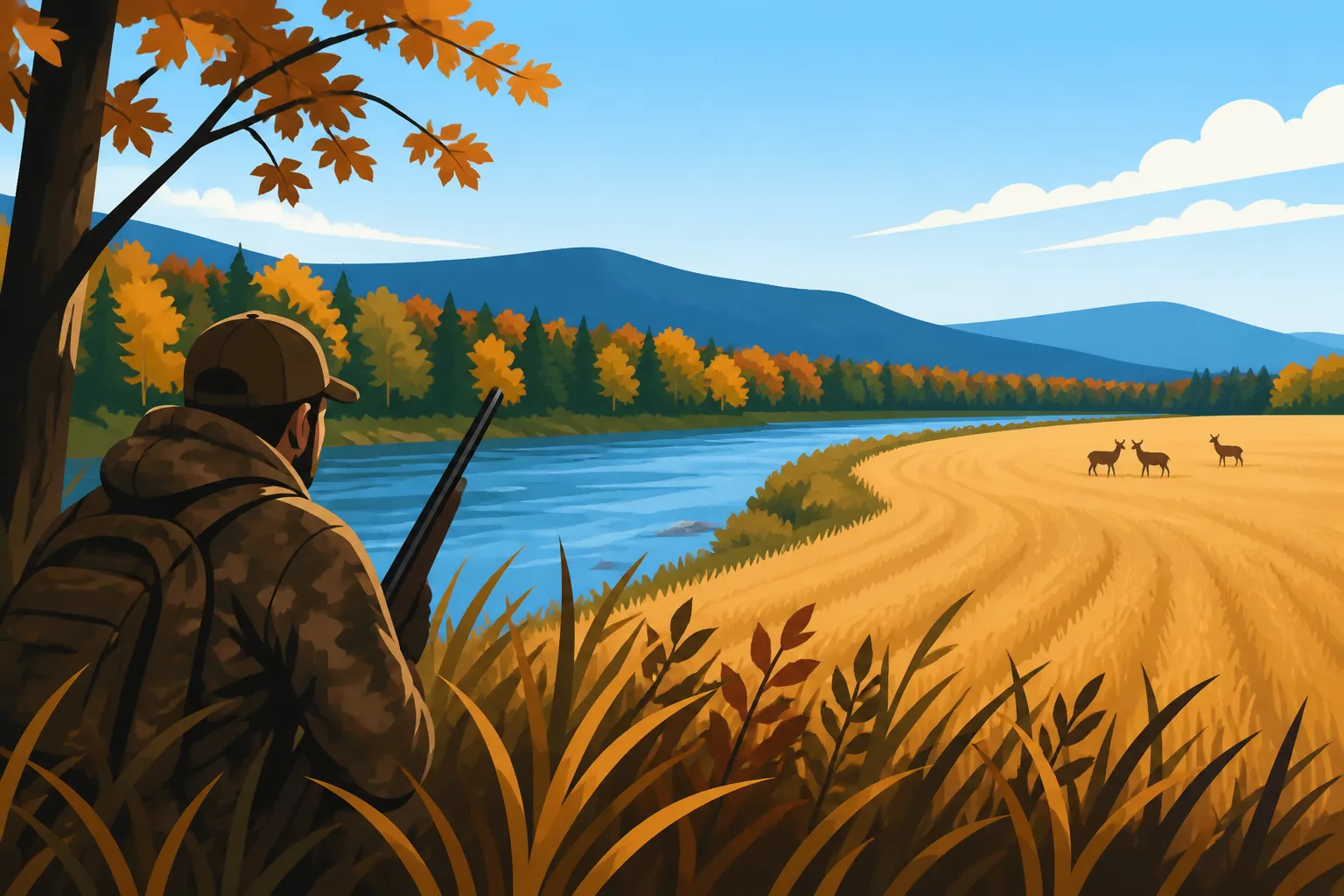
Hunting a field edge along the majestic Connecticut River in New Hampshire presents a unique set of challenges and immense rewards. Deer, especially mature bucks, often skirt the safety of dense cover before venturing into the open, making the transition zone a prime hunting spot. The frustration comes when you set up in what seems like the perfect ambush, only for deer to bust you or use a different entry point. This guide is all about dissecting those frustrations, understanding the intricate dynamics of these riverine fields, and strategizing your setup to maximize your chances of success.
Understanding the Connecticut River Field Edge Dynamics
The Connecticut River Valley, a ribbon of fertile land running along New Hampshire's western border, is a magnet for whitetail deer. The unique blend of agricultural fields, river bottom hardwoods, and nearby timber creates a mosaic of habitat that deer exploit throughout the year. But to hunt these edges effectively, you need to understand the subtle forces at play.
The River's Influence on Wildlife Movement
The Connecticut River itself acts as a massive landscape feature, dictating how deer move, feed, and bed. It's not just a body of water; it's a dynamic corridor that impacts everything from thermals to flood patterns. Deer often use the riverbanks as natural travel corridors, moving between different feeding and bedding areas. You'll find distinct trails running parallel to the water, especially where the bank offers good cover. These trails become particularly important during the rut, when bucks are on the move. Imagine a buck scent-checking a strip of woods between a field and the river, using the river's sound to mask his approach. Understanding this can help you predict where deer will enter or exit a field. The subtle bends in the river, small tributaries, or even eroded sections of the bank can create pinch points where deer are funneled, making them excellent places to set a stand. Don't underestimate the drawing power of a small, brushy island or a thicket of willows right on the river's edge; these can be bedding sanctuaries mere yards from a productive field.
Crop Cycles and Deer Preferences
The agricultural fields along the Connecticut River are a primary food source for deer, but their appeal changes throughout the season. Early in the archery season, deer might be hammering standing corn or lush alfalfa fields. As crops are harvested, often in late September and October, the dynamics shift dramatically. A freshly cut cornfield, for instance, offers residual grain that deer will paw through, especially if acorns are scarce. On the flip side, winter wheat or rye planted for cover crops can become crucial late-season food sources, drawing deer in even when snow blankets the ground. Potatoes, soybeans, or even hayfields all have their peak attractiveness. It's not enough to just see a field; you need to know what's in it and what state it's in. I've seen deer completely abandon a standing cornfield for a recently cut soybean field overnight once combines rolled through. Keeping tabs on local farming activity is paramount. You can drive around, observe, or even use tools like GoHunt's satellite imagery to see real-time changes in crop status if available for your area, helping you to pinpoint hot spots.
Identifying Key Funnels and Travel Corridors
Deer don't just wander into fields randomly; they typically use specific entry and exit points, often driven by safety and efficiency. A funnel might be a narrow strip of woods between two fields, a hedgerow, a brushy creek bottom, or even a subtle dip in the terrain that offers concealment. These are the highways deer use to get from their bedding areas to their dinner table. Look for worn trails, fresh tracks, droppings, and rub lines along these edges. If you're on public land, these funnels might also be well-used by other hunters, so it's critical to find those less obvious, subtle travel routes. Perhaps it's a small finger of woods that extends deeper into the field than the main tree line, or a point where a dense thicket almost touches the field edge. These are often overlooked but can be incredibly productive. For more insights on this, check out our guide on Hunting a Funnel Between Two Woodlots. Remember, deer want to feel secure, so they'll stick to cover as long as possible. Your job is to intercept them before they fully commit to the open.
Strategic Stand and Blind Placement
Once you understand where deer are moving, the next challenge is deciding where to put yourself. This isn't just about picking a tree; it's about a holistic approach that considers every factor from wind to visibility.
Wind, Thermals, and Scent Control
This is probably the most critical factor in field edge hunting. Deer have an incredible sense of smell, and a shifting breeze can instantly blow your cover. Along the Connecticut River, thermals are often at play, especially in the mornings and evenings. As the sun rises, warm air from the open fields will start to lift, carrying your scent upward. In the evening, as the air cools, scent will drop and flow downhill or towards lower elevations, often towards the river bottom. You need to position yourself so that your scent is blowing away from where you expect deer to approach or bed. This often means being on the downwind side of a known travel corridor. Don't just rely on a weather app; use a wind checker frequently. Consider bringing a thermos of coffee and watching the field from a distance for a morning or evening to truly understand the micro-thermals in your specific spot. If you want to learn more about the nuances of air currents, our article on Wind and Thermals in Steep Granite Terrain offers valuable insights that can be adapted to river bottoms. Good scent control practices – clean clothes, scent-eliminating sprays, and careful handling of gear – are non-negotiable.
Concealment and Shot Lanes
Whether you're in a treestand or a ground blind, you need to be hidden. For treestands, choose a tree that offers natural cover—think evergreens or hardwoods with plenty of branching structure. Break up your outline against the sky. For ground blinds, the key is blending in. Don't just plop a pop-up blind in the middle of a sparse field edge. Take the time to brush it in thoroughly with local vegetation. This might mean cutting branches, piling up leaves, or even digging a small depression to set the blind into. Our guide on Brushing In a Blind on a Field Edge offers excellent tips. Make sure your shot lanes are clear, but not so clear that you've removed all your concealment. Practice shooting from your chosen position, ensuring you have enough space to draw your bow or shoulder your rifle without interference. Remember, a deer's eyes are designed to pick up movement and unnatural shapes. The more you blend, the better your chances.
Entry and Exit Routes
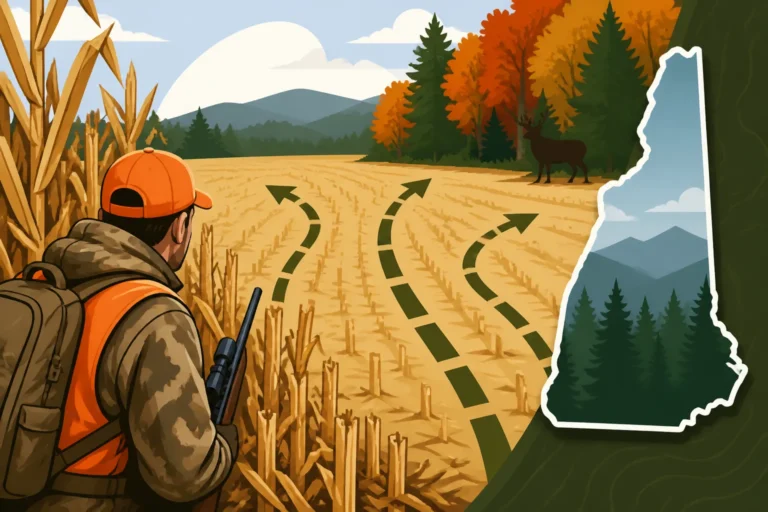
This is often overlooked but can make or break your hunt. Your entry and exit to and from your stand or blind must be as quiet and undetected as possible. This means planning a route that uses natural cover, avoids known bedding areas, and keeps you out of sight and smell of deer that might already be in the field or approaching it. A long walk along a creek bed, a ditch line, or even through dense timber, though perhaps inconvenient, is often better than a short, exposed walk along the field edge. Consider where the deer are likely to be at dawn and dusk. If you're hunting an evening sit, you don't want to bump deer out of the field on your way in. Similarly, when exiting after dark, try to use a route that doesn't push deer into neighboring properties or alert them to your presence for future hunts. Using a reliable mapping app, like one often found with a GoHunt membership, can help you visualize and plan these routes precisely, noting terrain features that offer concealment. Understanding Entry Routes Through a Cut Cornfield is a highly relevant skill here, regardless of the crop.
Gear Considerations for River Bottom Hunting
The varied terrain and often damp conditions of the Connecticut River Valley call for specific gear choices to keep you comfortable, quiet, and effective.
Optics for Long-Range Observation
Field edge hunting often means longer observation distances than dense timber. A good pair of binoculars is essential for scanning the field, identifying deer, and confirming their sex and size before they commit to shooting range. Consider a pair with 10x magnification for a good balance of power and field of view. A rangefinder is also non-negotiable for quickly and accurately gauging distances, especially when deer are moving. You might see a deer at 200 yards, but it could close the distance to 75 yards in moments. Knowing that precise distance is crucial for making an ethical shot. While you might not need a spotting scope as much as in wide-open Western country, a quality binocular can still make a huge difference. Check out our advice on Optics for New Hampshire's Timber Country – many of those principles apply to field edge observation as well.
Weather-Resistant Apparel and Footwear
New Hampshire weather, especially in the Connecticut River Valley, can be unpredictable. Mornings can be foggy and damp, followed by warm, sunny afternoons, only to be capped by a chilly, breezy evening. Layering is key. Start with a moisture-wicking base layer, add insulating layers as needed, and always have a waterproof and windproof outer shell. Conditions can shift rapidly, and being caught unprepared can mean a miserable hunt or worse, cutting your hunt short. For footwear, waterproof boots are paramount. The river bottoms can be muddy, marshy, or just perpetually damp, even when it hasn't rained recently. Tall, rubber boots are often a favorite among river bottom hunters for keeping feet dry and minimizing scent. Our comprehensive guide on Layering for New Hampshire's Cold Hunting Season provides excellent advice that applies perfectly to these situations.
Mapping Tools for Navigation and Scouting
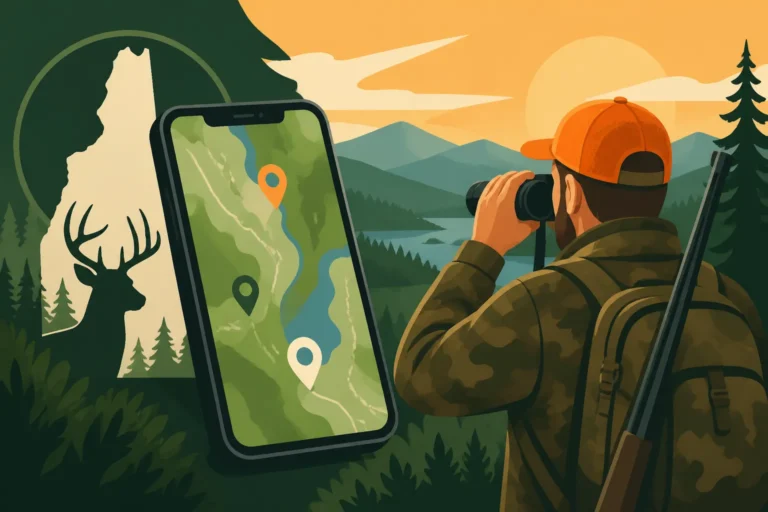
Modern mapping apps have revolutionized how we scout and hunt, particularly on larger tracts like those found along the Connecticut River. Apps like GoHunt, Gaia GPS, or OnX Hunt allow you to view satellite imagery, topo maps, and property lines right on your phone. This is invaluable for identifying potential funnels, planning discreet entry and exit routes, marking sign (scrapes, rubs, tracks), and finding public land access points. You can also drop pins for your stand locations, observe historical weather patterns for the area, and even track your movements. I highly recommend downloading offline maps before heading out, as cell service can be spotty in some parts of the valley. Being able to quickly reference your location relative to property lines or a distant landmark can save you a lot of grief and ensure you stay on legal hunting ground. For more on planning, consider Scouting New Hampshire Public Land Before Season.
Timing Your Hunt for Maximum Success
Understanding the deer's seasonal patterns is just as important as knowing their daily movements. The fields along the Connecticut River change in attractiveness throughout the fall.
Early Season Scouting and Stand Placement
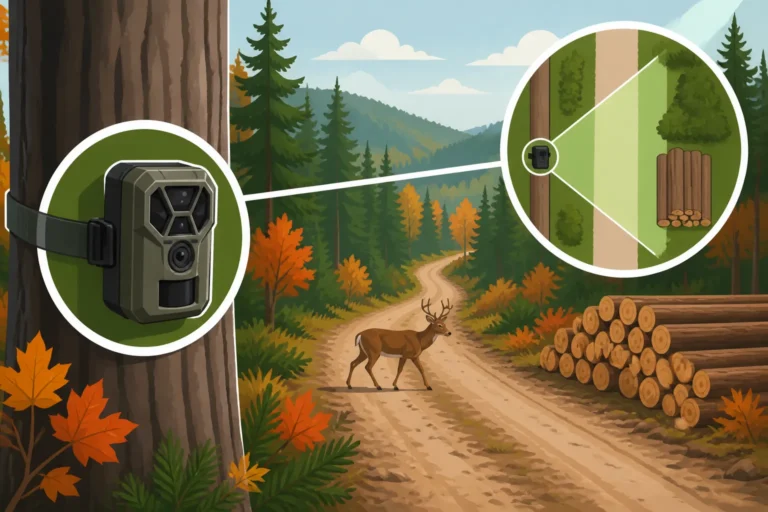
During the early archery season, often starting in mid-September in New Hampshire, deer are still in their summer patterns, focused heavily on food. They'll be hitting agricultural fields hard, especially corn, beans, and lush alfalfa. This is the time to identify heavily used trails leading into these fields, observe deer from a distance (trail cameras are fantastic for this), and pinpoint specific entry points. Early season scouting should also focus on locating primary bedding areas—often thickets or dense cover close to the river or within the surrounding timber—to understand the full travel loop. Placing stands or blinds near these early-season food sources, with careful attention to prevailing winds, can be highly effective. Remember that early season often means warmer temperatures, so prioritize early morning or late evening hunts when deer are most active and your scent is less likely to bloom.
| Season Phase | Deer Behavior Focus | Preferred Field Types | Ideal Setup Considerations |
|---|---|---|---|
| Early Season | Food & Cover | Standing Corn, Soybeans, Alfalfa, Lush Grass | Ambush primary trails; hunt edges of dense cover; prioritize cool temps/low wind. |
| Pre-Rut/Rut | Breeding & Travel | Any field with activity; often cruising edges | Focus on funnels/pinch points; use calls/scents; be mobile if needed. |
| Late Season | Food & Survival | Cut Corn (residual grain), Winter Wheat, Brassicas | Identify most abundant, accessible food; hunt midday during cold snaps; warm apparel is key. |
Rut Activity on Field Edges
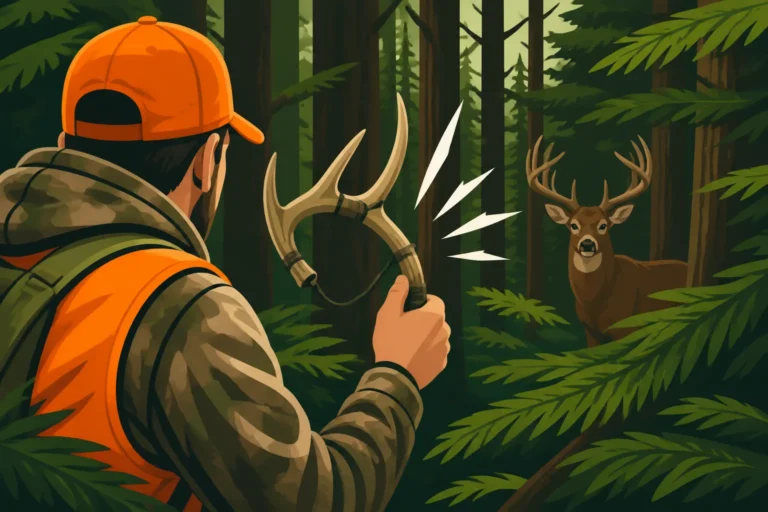
When November rolls around and the rut kicks into high gear, especially during the crucial Hunting the Rut in Early-to-Mid November, field edges become exciting places to hunt. Bucks, driven by the urge to breed, will cruise these edges, scent-checking for does that might be feeding or passing through. They often follow the same travel corridors they've used all season, but now with a heightened sense of urgency and less caution. You might catch a buck pushing a doe across a field, or a lone buck cruising the tree line, nose to the ground. This is a great time to be in a stand all day, as buck movement can be sporadic but intense. Position yourself to see both the field and the immediate timber edge. Call more often – grunts and rattles can be very effective in pulling a curious buck off the edge, especially if you're hidden well.
Late Season Food Source Hunting
As winter approaches and temperatures drop, deer shift back to a heavy focus on food and thermal cover. Fields that offer residual grains, such as cut cornfields, or those planted with specific winter food plots like brassicas or winter rye, become absolute magnets. Late season hunting along the Connecticut River means cold weather, so proper layering and cold-weather gear are essential. Deer will often concentrate in smaller, more predictable areas, making them slightly easier to pattern. They'll feed heavily in the evenings to fuel up for the cold night and may browse during warmer midday periods. Focus on south-facing slopes adjacent to fields that get good sunlight, as these areas warm up faster and offer some relief from the cold. If it's been a Hunting After a Poor Acorn Year, these fields will be even more critical. Look for areas with dense thermal cover nearby—think thick stands of evergreens or cedars—where deer can bed down after feeding.
Disclaimer
Hunting involves inherent risks, including but not limited to those associated with firearms, archery equipment, treestands, and outdoor conditions. Always prioritize safety, adhere to all New Hampshire Fish and Game laws and regulations, and obtain proper licenses and landowner permissions. The information provided in this guide is for informational purposes only and should not replace professional instruction or personal judgment.