Hunting a CRP Field Edge at First Light
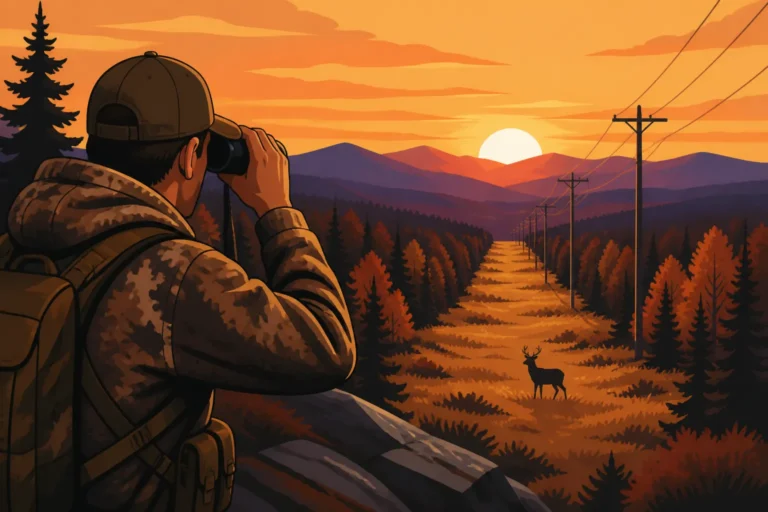
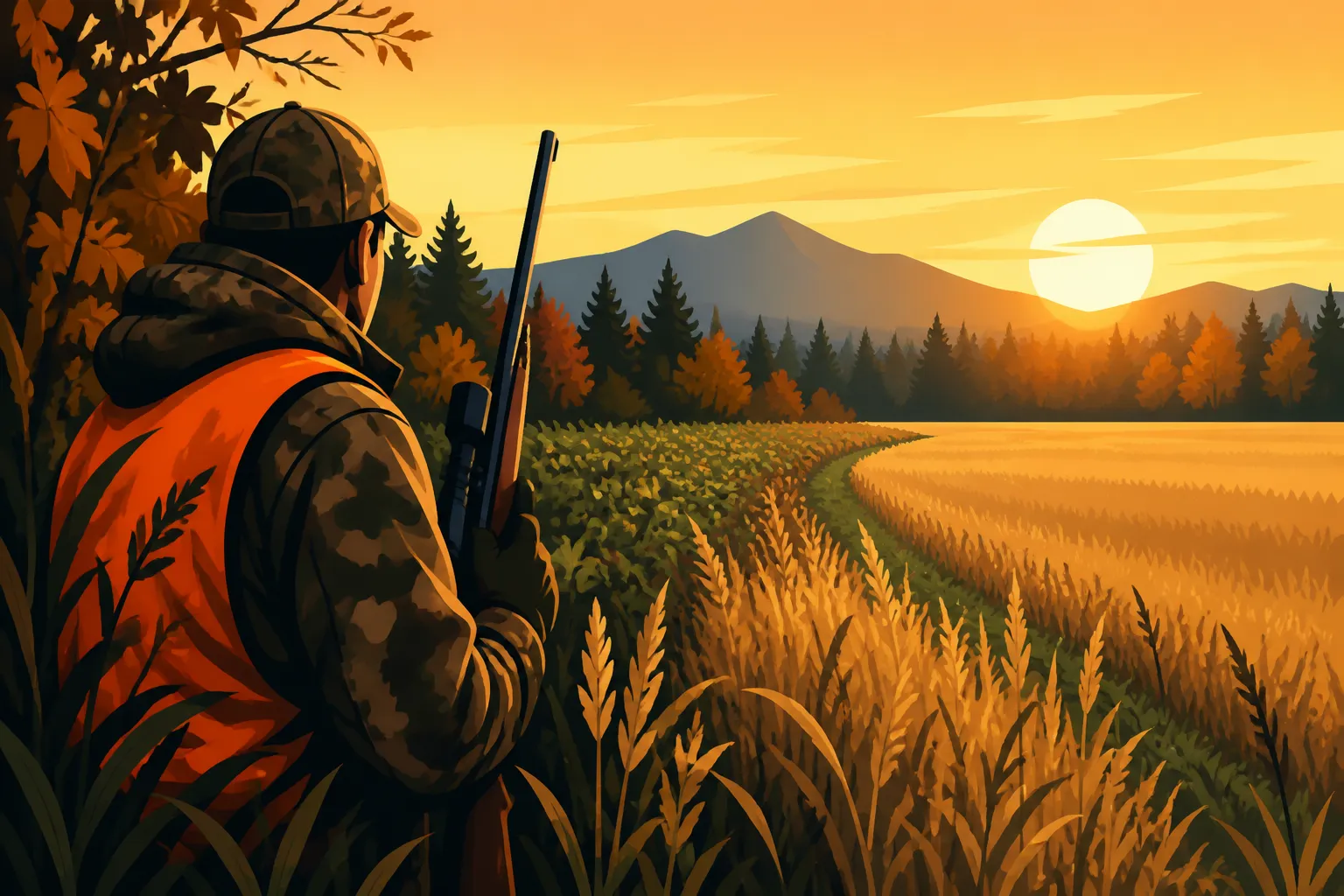
There’s nothing quite like the anticipation of first light when you’re out in the New Hampshire woods, especially when you’ve got a prime spot overlooking a CRP field edge. It’s a moment packed with promise, but also a fair bit of uncertainty. We’ve all been there: getting up before the chickens, trudging through the pre-dawn dark, only to have the deer ghost you or appear just out of range as the sun peeks over the horizon. This guide is all about equipping you with the knowledge and tactics to consistently make those first-light moments count when hunting a CRP field edge.
Understanding CRP Fields and Their Appeal to Deer
CRP stands for Conservation Reserve Program, and it’s a federal initiative where landowners voluntarily take environmentally sensitive land out of agricultural production and plant it with grasses or other vegetation that improves environmental quality. For hunters, these areas are absolute goldmines, but they can also be challenging to hunt effectively.
Why Deer Love CRP
Imagine a dense, overgrown area right next to a food source or a travel corridor. That's essentially what a CRP field offers. It’s not just a field; it’s a sanctuary. The thick, often tall grasses and forbs provide incredible bedding cover, thermal protection from harsh New Hampshire winters, and a safe haven from predators, including us hunters. Deer feel incredibly secure in these fields, often bedding down just inside the dense cover. They also offer excellent fawning cover in spring, making does particularly fond of them.
When you’re looking at a CRP field, don't just see grass. See security, bedding, and a natural travel route. Bucks, especially mature ones, will often use the edges of these fields to travel from bedding to feeding areas, especially during the low-light hours of dawn and dusk. The tall vegetation can also hold a surprising amount of forage, particularly forbs and native plants that whitetails will browse on, making the interior more than just a place to hide. Understanding this intrinsic value to deer is the first step in unlocking their patterns around these fields. Think of it as a natural fortress that deer will only leave when they absolutely have to, and they’ll do it with extreme caution.
Identifying Key Features of a CRP Edge
Not all CRP edges are created equal. Some are simply straight lines bordering an open field, while others might feature subtle bends, points, or bottlenecks that concentrate deer movement. What you're looking for are "soft edges" – areas where the dense CRP gradually transitions into another cover type, or where a slight depression, ditch, or small clump of trees offers an even higher degree of concealment right at the field's edge. Deer are creatures of the edge, and they’ll use these natural funnels and breaks in cover to their advantage.
Spend time scouting these edges before the season. Look for rubs, scrapes, and well-worn trails that enter and exit the CRP. Pay close attention to areas where the CRP meets a wood line, a creek bottom, or even a logging road. These transition zones are often the highways deer use to move in and out. For example, a small finger of hardwoods that extends into a CRP field can create a natural pinch point, forcing deer to walk a specific path right along its edge. Even subtle changes in elevation, like a slight rise that offers a bit more visibility or a dip that provides additional concealment, can influence where deer prefer to enter or exit. Using tools like the GoHunt app can really help you identify these subtle terrain features and analyze satellite imagery to pinpoint potential hot spots before you even set foot on the ground.
First Light Tactics for CRP Edges
First light is a magical time, but it's also incredibly fleeting. To capitalize on it, you need a strategy that puts you in the right place at the right time, minimizing disturbance and maximizing your chances of seeing deer on the move.
The Dawn Patrol: When Deer Are Most Active
Deer activity peaks at dawn and dusk, but first light near a CRP field is especially potent. Deer that have been feeding in an adjacent crop field or open woods throughout the night will often filter back into the dense cover of the CRP as the sun begins to rise. They’re looking for security, and that thick grass provides it. This means you need to be in your stand or blind well before shooting light, giving the woods time to settle after your approach. Aim to be settled at least an hour before legal shooting light to allow any disturbance you made to dissipate.
The key here is understanding the deer's primary objective: getting from their nighttime feeding to their daytime bedding with maximum stealth. This often means they’ll be moving slowly, cautiously, and using every bit of available cover. They might pause at the edge, scent-checking the air and visually scanning before committing to entering the field or crossing an opening. Your setup needs to account for this cautious movement. Don't expect them to come barreling out; anticipate a slow, deliberate approach, often with multiple stops. This is where patience truly pays off.
Minimizing Your Footprint
The biggest challenge when hunting a CRP field edge at first light is getting to your stand or blind without alerting every deer in a half-mile radius. Deer are incredibly sensitive to noise, scent, and movement, especially in the pre-dawn quiet. Your entry and exit routes are paramount. Always approach from a direction that minimizes wind disturbance, even if it means taking a longer path. Consider using natural topography, ditches, or creek beds to conceal your approach. Avoid walking directly along the field edge where your silhouette might be visible against the sky.
Parking your vehicle a good distance away and using a less-traveled path can make a huge difference. If you can identify a natural depression, a thick fencerow, or even a parallel logging road or trail, use it to approach your setup undetected. Even the sound of your boots crunching on frosted leaves can send deer scurrying, so try to pick routes with softer ground if possible. It’s a tedious process, but success hinges on being completely undetected. For more insights on this, read up on Entry Routes Through a Cut Cornfield for similar tactics on minimizing disturbance.
Reading the Edge: Where Deer Enter and Exit
Deer don't just randomly pop out of a CRP field. They use specific points, often dictated by wind, terrain, and existing trails. Learning to identify these high-traffic zones is critical for positioning yourself for a shot.
Identifying Deer Trails and Funnels
Before you even think about setting up, you need to scout. Look for well-worn trails that lead into and out of the CRP. These aren't always obvious. Sometimes they’re subtle partings in the tall grass, identifiable by flattened vegetation or fresh tracks in soft ground. Pay attention to how these trails intersect with terrain features like ditches, fence lines, or small pockets of timber. These are natural funnels that concentrate deer movement. A great resource for tracking this is reading New Hampshire Mud for Fresh Deer Movement.
Deer tend to follow the path of least resistance, but they also prioritize security. A trail that skirts the edge of the CRP for a distance before making a quick, concealed entry point is often a prime location. Look for evidence of consistent use: fresh tracks, droppings, and even rubs or scrapes if it's during the rut. A good hunting map, especially one with satellite imagery like what GoHunt provides, can highlight these potential funnels and travel corridors before you even set foot in the field. Identifying these specific entry and exit points will drastically improve your chances of intercepting deer at first light.
Wind Direction and Thermal Currents
The wind is arguably your most important consideration when hunting any edge, and CRP fields are no exception. Deer will almost always approach or leave cover with the wind in their favor, using their incredible sense of smell to detect danger. At first light, you also need to factor in thermals. As the air begins to warm, thermals will typically rise, carrying your scent upwards. However, in the deepest part of dawn, especially in valleys or low-lying areas, cold air can sometimes pool and drain downwards.
You need to select a setup location where your scent will be carried away from the anticipated deer movement. If deer are generally moving from a feeding area to bed into the CRP, and the wind is blowing across the field into the CRP, you're in a bad spot. You want the wind to be blowing from the CRP towards your back, or at least parallel to the deer's travel path but always downwind of where you expect them to appear. This often means having multiple stand or blind locations for different wind directions. This level of detail is critical, similar to understanding Wind and Thermals in Steep Granite Terrain. Never compromise on wind; it’s the quickest way to spoil a first-light hunt.
Setting Up for Success: Blinds, Stands, and Wind
Once you’ve identified your prime spots and understood the deer movement patterns, the next step is setting up your ambush. This involves choosing the right equipment and ensuring it's deployed in a way that provides concealment and a clear shot opportunity.
Choosing Your Ambush Point: Treestands vs. Ground Blinds
Both treestands and ground blinds have their place when hunting a CRP field edge, and the best choice often depends on the specific features of your chosen spot and your personal hunting style.
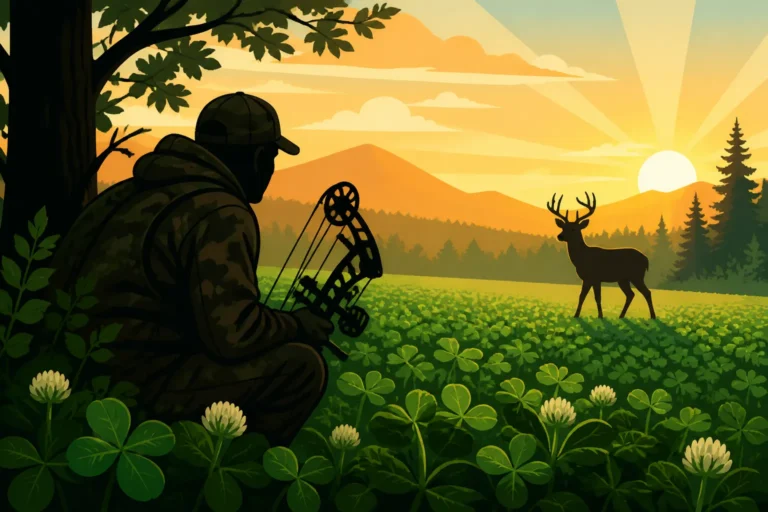
Treestands are fantastic for elevation, giving you a wider view over the tall CRP grass and helping to keep your scent dispersed above the deer's nose. If there’s a mature tree right on the edge of the CRP or a small woodlot bordering it, a treestand can be an excellent option. Make sure your stand is positioned for the anticipated wind direction and offers clear shooting lanes into the CRP and along its edge. Remember to consider the sun's position at first light; you don't want to be silhouetted or have the sun directly in your eyes when deer are most active. Hanging a stand takes time and careful planning, much like Hanging a Stand on a Granite Ridge.
Ground Blinds offer incredible concealment, especially if you can brush them in naturally. They can be particularly effective if there aren't suitable trees for a treestand, or if you prefer to be at eye level with the deer. For hunting CRP edges, a pop-up ground blind placed strategically can be a game-changer. The key is to set it up well in advance of the season, allowing deer to get accustomed to its presence. Better yet, use natural cover to your advantage. A well-brushed-in blind or even just hunkering down behind a thicket or rock formation can work wonders. If you're going with a ground blind, learn the ins and outs of Brushing In a Blind on a Field Edge to maximize your stealth. Just make sure you follow local regulations about placement on public land; typically, permanent structures aren’t allowed, but temporary pop-ups are generally fine if removed daily or at season's end.
Crafting Your Shooting Lanes
No matter whether you're in a treestand or a ground blind, clear shooting lanes are non-negotiable. It's incredibly frustrating to have a trophy buck step out at first light, only to be obscured by a stray branch or tall grass. Carefully trim any branches or tall vegetation that might impede your shot, but do so discreetly and well before the season opens to minimize disturbance.
When trimming, think about the likely angles deer will approach from. You might need a wider lane if deer are moving parallel to the edge, or a specific window if they’re expected to enter or exit at a particular point. With CRP, you often need to consider how high the grass will be. Even a deer walking can be mostly obscured by chest-high vegetation, so having a lane that provides a clear view of their vitals is crucial. Practice drawing your bow or shouldering your rifle in your stand or blind before the season to ensure you have full range of motion and no hidden obstructions. This meticulous preparation separates successful hunters from those who consistently go home empty-handed.
The Power of Patience and Persistence
Hunting a CRP field edge at first light requires a special kind of patience. Deer might not appear right at the crack of dawn. They could wait until the sun is a little higher, or they might move through quickly and quietly. You need to be ready for anything, remaining still and alert for every minute of legal shooting light. Avoid fidgeting, checking your phone, or making any unnecessary movements. The smallest twitch can spook a wary whitetail.
Persistence is also key. One morning might be slow, but the next could be explosive. Weather patterns, pressure from other hunters, and even the phase of the moon can influence deer movement. If you've done your scouting, chosen your setup wisely, and accounted for the wind, trust your process. These types of spots, especially during New Hampshire Archery Season Dates or early New Hampshire Firearms Season Dates, are high-potential areas, and sticking with it is often what leads to success. Remember, even if you don't fill a tag, every sit is a learning experience, helping you understand how deer use these critical habitats.
| Consideration | Treestand Advantage | Ground Blind Advantage |
|---|---|---|
| Visibility | Elevated view over tall vegetation, wider field of view. | Eye-level, natural perspective, can be more immersive. |
| Scent Control | Higher elevation helps disperse scent. | Can contain scent better in enclosed space, but careful wind management is still paramount. |
| Concealment | Blends with canopy if positioned correctly, breaks up silhouette. | Excellent visual concealment, especially when brushed in. |
| Setup Time | Can be quickly hung if mobile, but often requires pre-season work. | Quick setup if pop-up, but best if deployed well in advance for deer to acclimate. |
| Mobility | Can be moved, but often less convenient than a pop-up blind. | Easy to move and set up in various locations. |
| Weather Protection | Minimal, exposed to elements. | Good protection from wind, rain, and snow. |
| Shooting Lanes | Generally easier to clear wider lanes from above. | Requires more precise trimming at ground level. |
Disclaimer
Always consult the latest New Hampshire Fish and Game Department regulations before heading afield. Hunting laws and season dates can change, and it is your responsibility to be informed and compliant. This guide is for informational purposes only and does not replace official hunting regulations. Stay safe and hunt ethically.