New Hampshire Bear Baiting and Hound Rules
Navigating the specific rules for bear hunting in New Hampshire, especially when it comes to baiting and using hounds, can feel like trying to solve a complex puzzle. It's not just about knowing that you can hunt bears; it's about painstakingly understanding the intricate web of dates, locations, methods, and ethical considerations. This comprehensive guide will break down every facet of New Hampshire's bear baiting and hound hunting regulations, ensuring you're fully prepared and compliant for your next Granite State bear pursuit.
The Foundations of Bear Hunting Regulations in New Hampshire
It's no secret that bear hunting in New Hampshire is a cherished tradition for many, offering a unique challenge and connection to our state's wild places. However, the methods used, particularly baiting and the use of hounds, are often subject to intense scrutiny and require strict adherence to state law. The New Hampshire Fish and Game Department takes these regulations seriously, and ignorance of the law is never an excuse. Understanding the foundational principles behind these rules is the first step toward a successful and responsible hunt.
Why New Hampshire Regulates Bear Methods So Strictly
You might wonder why methods like baiting and hounds, which are perfectly legal in many other states, come with such a long list of specific dos and don'ts here in New Hampshire. The truth is, it boils down to a delicate balance: managing a healthy bear population, ensuring fair chase, addressing public safety concerns, and maintaining the positive image of hunting in a state with diverse outdoor enthusiasts. Bears are highly intelligent animals, and their behavior can be significantly influenced by these hunting methods. Regulators want to ensure that hunting remains challenging, sustainable, and respectful of both the animal and the public's perception. They're also trying to manage a growing bear population that sometimes interacts with human habitats, which is a constant challenge for wildlife managers.
One of the primary concerns is minimizing the potential for human-wildlife conflict. Bait sites, if not managed properly, can habituate bears to human food sources, leading to unwanted interactions. Similarly, hound hunting, while deeply rooted in tradition, requires careful management to prevent dogs from straying onto private property or disturbing other wildlife. The Fish and Game Department works to ensure these methods are used in a way that aligns with overall conservation goals and public acceptance.
Understanding the Legal Framework for Bear Hunting
New Hampshire's legal framework for bear hunting is not a simple blanket statement; it's a dynamic system with specific rules that can even vary by Wildlife Management Unit (WMU) and the method you choose. It's not enough to simply have a bear tag; you need to know the specific dates and regulations for your chosen WMU and hunting style. For instance, the season dates for archery bear hunting might be different than those for firearms or baiting. This complexity can be frustrating, especially for new hunters or those accustomed to more lenient rules in other states.
The laws cover everything from what constitutes legal bait, how far a bait site must be from a dwelling or public road, to the number of dogs you can run in a pack and when they can be used. These rules are annually reviewed and updated, so what was permissible last year might have changed this season. Always consult the most current New Hampshire Fish and Game Digest before heading afield. Tools like GoHunt or the NH Fish and Game app can provide quick access to these regulations and help you understand specific property boundaries and WMU lines, which are critical for staying legal.
Essential Licenses and Permits for Bear Hunters
Before you even think about setting up a bait site or letting out a pack of hounds, you absolutely need the proper licensing. This isn't just about a base hunting license; bear hunting often requires additional permits or certifications. For starters, you'll need a valid New Hampshire hunting license. Beyond that, a bear permit is mandatory. This permit is an additional purchase that specifically grants you the right to hunt bears during the designated seasons.
The cost of these licenses and permits can vary depending on whether you're a resident or a nonresident. You can find detailed information on New Hampshire Bear License Costs through the NH Fish and Game website or by visiting a local license agent. For those considering hunting with hounds, there might also be specific requirements for dog training permits or certifications for the hounds themselves. Always ensure all your paperwork is in order before you step foot in the woods. Failure to possess the correct licenses and permits can result in hefty fines, loss of hunting privileges, and confiscation of equipment. It's a fundamental part of responsible hunting, ensuring that every bear hunter is accounted for and contributes to wildlife management funds.
Navigating New Hampshire's Bear Baiting Rules
Bear baiting is a method that elicits strong opinions, but when done legally and ethically in New Hampshire, it can be a highly effective way to harvest a bear. However, the emphasis here is on "legally." New Hampshire has some of the most stringent and specific bear baiting regulations in the country. This isn't a casual affair where you just toss out some doughnuts; it requires meticulous planning, understanding of legal limitations, and ongoing maintenance. Many hunters get tripped up on the details, so let's dive deep into what you need to know to bait legally.
What You Can and Cannot Use for Bear Bait
This is where many hunters make their first mistake. New Hampshire is very particular about what you can place at a bait site. The general rule is that you can use a variety of non-meat food products. Think pastries, nuts, grains, fruits, vegetables, and even some commercial bear attractants. Bears are omnivores, and they'll readily consume these items, especially when preparing for winter or replenishing after denning. Remember, the goal is to attract them, not necessarily to feed them to obesity.
However, there are absolute prohibitions. You cannot use any meat or meat products, including fat, grease, or any part of a cervid (deer, moose, elk, etc.). This is a critical rule designed to prevent the spread of diseases, particularly Chronic Wasting Disease (CWD), even though New Hampshire is currently CWD-free. Furthermore, you cannot use any substance containing ingredients from a cervid. This also means no milk products. If you're unsure about a specific item, err on the side of caution and don't use it. It's always best to stick to readily identifiable legal items. Consult the official digest for the most up-to-date and explicit list.
Critical Placement and Quantity Restrictions
Just as important as what you use is where and how much you place. New Hampshire law dictates very specific setback requirements for bear bait sites. You cannot place bait within a certain distance of a dwelling, public road, or public trail. These distances are in place to ensure public safety and minimize the chances of attracting bears into areas where they might conflict with non-hunters. It's your responsibility to know these exact distances, and they can sometimes change, so always verify with the current regulations.
Furthermore, there are strict limits on the quantity of bait you can put out at any one time. This isn't a free-for-all; the goal is to create an attractant, not a buffet. The intent is to prevent bears from becoming overly habituated or dependent on artificial food sources. You also need to mark your bait site clearly with specific signage that identifies you as the permit holder. This transparency is crucial for enforcement and for alerting other outdoor enthusiasts to the presence of a bait site. Neglecting these placement and quantity rules, or failing to properly mark your site, is a surefire way to run afoul of the law. You can delve into more specifics on Baiting New Hampshire Bears Legally by WMU.
Proper Management and Removal of Bear Bait Sites
Setting up a bait site isn't a "set it and forget it" operation; it requires ongoing management and eventual removal. Once you've established a bait site, you are responsible for its maintenance. This includes replenishing bait within legal limits, ensuring it remains properly marked, and monitoring for any signs of disease or unusual activity. Bears will quickly learn your patterns, so consistent management is key to keeping them coming back.
Perhaps the most overlooked, yet crucial, aspect of baiting regulations is the requirement for complete cleanup and removal of all bait and associated materials. After the bear baiting season closes, or if you decide to discontinue baiting, you are legally obligated to remove all bait, containers, and other non-natural materials from the site. This means no lingering buckets, barrels, or uneaten pastries. The goal is to leave no trace that a bait site ever existed, preventing environmental contamination and ensuring bears don't continue to frequent a site long after hunting season is over. This is a vital step in showing respect for the land and the wildlife.
Hunting Bears with Hounds in the Granite State
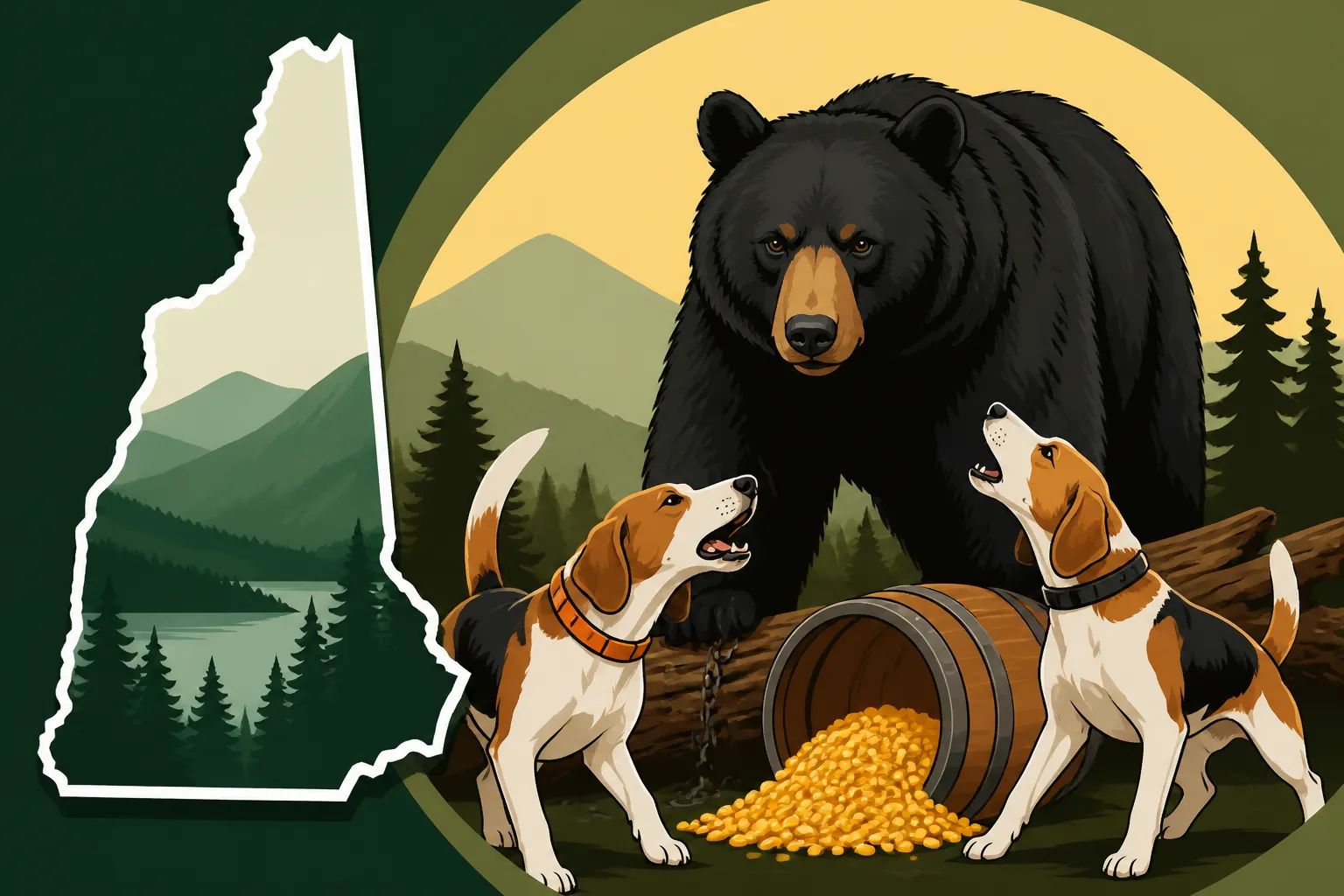
Hunting bears with hounds is a deeply traditional method in New Hampshire, particularly in the northern reaches where vast timberlands provide ideal habitat for both bears and their pursuit. It's a challenging, physically demanding endeavor that requires a significant investment in time, training, and equipment. Just like baiting, however, hound hunting is heavily regulated to ensure fair chase, public safety, and responsible animal welfare. Hunters who commit to this method often form close bonds with their dogs and the landscapes they traverse.
Regulations Governing Hound Use and Pack Size
The use of dogs to hunt bears is a carefully controlled activity in New Hampshire. You can't just unleash any number of dogs; there are specific regulations governing pack size. The maximum number of dogs that can be used to hunt bears is typically restricted to a certain number per hunter. This is to ensure that the hunt remains manageable, minimizes disturbance to other wildlife, and prevents an unfair advantage to the hunter. Additionally, all dogs used for hunting bears must be properly licensed and often must meet specific identification requirements, such as collars with owner information.
Furthermore, there are strict rules about how dogs are to be handled. They must be controlled and prevented from pursuing non-target wildlife or trespassing onto posted private land. While dogs are essential for tracking and treeing a bear, the responsibility for managing the pack, making ethical decisions, and ensuring public safety always rests with the hunter. Knowing these specific rules, and diligently adhering to them, is paramount to staying legal and maintaining the positive reputation of hound hunters. For more insight, check out Running Hounds on a New Hampshire Bear.
Key Seasons and Designated Areas for Hound Hunting
Unlike baiting, which has its own distinct season, hunting bears with hounds generally aligns with specific bear hunting seasons, but often has its own set of start and end dates within those broader windows. It's not uncommon for the hound season to open a bit later or close earlier than other methods to manage hunting pressure and ensure different methods have their opportunities. These dates are crucial and can vary significantly by WMU.
Moreover, while much of New Hampshire is open to hunting, there might be specific areas where hound hunting is restricted or prohibited. These might include certain state parks, wildlife refuges, or areas with high population density where dog activity could be problematic. It's absolutely critical to consult the New Hampshire Bear Season Dates by WMU and the official hunting digest to identify exactly when and where you can legally pursue bears with hounds. Utilizing mapping tools like GoHunt can be instrumental in identifying public land boundaries and ensuring you and your dogs stay within legal hunting areas, especially when working through vast tracts of forest in places like the North Country.
The Ethical Pursuit and Handling of Hounds
Beyond the legal requirements, there are significant ethical considerations when hunting with hounds. The welfare of your dogs is paramount. This means proper training, conditioning, and care for the hounds, ensuring they are fit for the rigors of a bear chase. It also means having a plan for retrieving dogs that might go far afield, potentially using GPS collars to track their movements. No hunter wants to lose a valuable hound in the vast New Hampshire wilderness.
The pursuit itself must also be ethical. Once a bear is treed or bayed, the hunter is responsible for making a quick, clean, and humane shot. This means having the right equipment and the skill to use it effectively. It also involves knowing when to back off if a bear is not in a safe or ethical position to be harvested, or if it appears to be a sow with cubs, which are often protected by law. Respect for the bear, the dogs, and the overall hunting experience should always guide your actions. Ethical conduct ensures the longevity of this challenging and rewarding hunting tradition.
WMU-Specific Rules and How to Stay Compliant
One of the biggest hurdles for any hunter in New Hampshire is the nuanced, often frustrating, system of Wildlife Management Units (WMUs). These aren't just lines on a map; they represent distinct management zones, and the rules for bear hunting, particularly concerning baiting and hounds, can vary significantly from one WMU to the next. What's legal in the North Country's expansive timberlands might be prohibited or heavily restricted in more populated southern WMUs. Getting this wrong can lead to serious consequences.
Regional Variations in Bear Hunting Regulations
Imagine trying to hunt in WMU A (the far north) versus WMU K (the populated south-central region). The habitat, bear density, and human population density are vastly different, and so are the regulations. For instance, some WMUs might have earlier or later season dates for baiting, or even specific restrictions on hound use due to local ordinances or land use patterns. These variations are designed to allow the Fish and Game Department to manage bear populations at a regional level, responding to local challenges and opportunities.
These differences can encompass everything from the precise opening and closing dates for baiting, the length of the hound season, to even the specific types of legal weapons allowed during certain periods. It's not a "one size fits all" approach, and that's precisely why many hunters find it challenging. It requires a deeper dive into the specifics of your chosen hunting ground. Understanding New Hampshire's WMU-Specific Bear Season is essential to avoid mistakes that could cost you your license, your equipment, or a significant fine.
Tools and Resources for Checking Your Specific WMU
Given the complexity, simply having a general understanding isn't enough. You need precise, up-to-date information for the exact WMU you plan to hunt. The absolute best resource is the official New Hampshire Fish and Game Department website and their annual Hunting & Trapping Digest. This document is the law, and every bear hunter should have a copy, either physical or digital, and review it thoroughly.
Beyond the digest, modern technology offers invaluable assistance. The NH Fish and Game mobile app provides convenient access to regulations, boundary maps, and often real-time updates. Commercial mapping apps like GoHunt are also incredibly useful. These apps, with their detailed layering features, can overlay WMU boundaries, public land ownership, private property lines, and even topographical information right onto your phone or GPS device. This allows you to visually confirm you are within legal boundaries for your chosen method, whether you're setting a bait site or running hounds. Always double-check your location, especially when you're in areas with limited cell service, by downloading maps for offline use. When you're ready to hit the woods, Checking Your WMU's Bear Season Dates on these platforms should be a non-negotiable step.
Avoiding Common Pitfalls with WMU Rules
The most common pitfalls often involve misinterpreting boundaries or not cross-referencing all applicable regulations. For example, a common mistake is assuming that because a WMU allows baiting, it also allows hound hunting simultaneously, or that the season dates are identical. This is often not the case. Another trap is failing to recognize when a specific parcel of land, even if technically within a "legal" WMU, might have local restrictions (e.g., a town ordinance prohibiting discharge of firearms within certain distances, which could impact hunting methods).
To avoid these headaches, develop a rigorous pre-hunt checklist. This should include:
- Identify your WMU: Confirm the exact WMU where you intend to hunt.
- Consult the Digest: Read all bear regulations pertinent to that WMU, paying close attention to baiting and hound rules, dates, and limitations.
- Map It Out: Use a reliable mapping tool (like the NH Fish and Game app or GoHunt) to visualize WMU boundaries and confirm public vs. private land access.
- Confirm Dates: Double-check season opening and closing dates for your chosen method within that specific WMU.
- Check Local Ordinances: While less common for WMU rules, be aware that very local rules can sometimes apply.
Taking these steps seriously will dramatically reduce your risk of running afoul of the law and ensure your hunt is conducted ethically and legally.
Responsible Practices and the Future of Bear Hunting
Hunting is more than just harvesting an animal; it's a commitment to responsible stewardship of wildlife and a tradition passed down through generations. For bear hunting, especially with methods like baiting and hounds, the visibility and scrutiny are often higher. Therefore, every bear hunter in New Hampshire carries a responsibility to uphold the highest standards of ethics and safety, not just for their own hunt, but for the perception and future of bear hunting in the state.
Promoting Ethical Hunting and Public Perception
The way individual hunters conduct themselves directly impacts how the non-hunting public views our sport. When it comes to bear baiting and hound hunting, these methods can sometimes be misunderstood or seen as "less sporting" by those unfamiliar with them. It's crucial for hunters to actively promote ethical practices. This means ensuring quick, clean kills, respecting bag limits, and always retrieving harvested game responsibly. It also means being courteous and respectful to other outdoor users, whether they are hikers, birdwatchers, or mountain bikers.
Beyond the hunt itself, maintaining a clean and respectful presence in the woods is paramount. As discussed, removing all baiting materials is essential. It's about leaving no trace. Engaging positively with non-hunters and being willing to explain the regulated and ethical aspects of these hunting methods can go a long way in fostering understanding and support. Our actions speak louder than words, and demonstrating respect for the animal, the land, and the public is vital for the long-term health of hunting.
Minimizing Conflicts and Ensuring Hunter Safety
Bear hunting, by its very nature, carries certain risks. When employing baiting, you are intentionally attracting large, powerful predators. When using hounds, you are often traversing rugged terrain in pursuit of these animals. Therefore, minimizing conflicts and ensuring safety for everyone involved, including hunters, dogs, and the public, is a top priority. For hunters, this means adhering to all blaze orange requirements, understanding safe shooting lanes, and always being aware of your surroundings, especially in areas where other hunters or recreationists might be present.
When baiting, consider potential interactions with non-target wildlife or even domestic animals if the site is too close to residential areas. For hound hunters, ensuring your dogs are well-trained and that you have a reliable way to retrieve them if they stray can prevent nuisance issues on private property. Furthermore, it's wise to carry a first-aid kit, know basic wilderness first aid, and potentially a satellite communicator, especially when venturing into remote parts of the North Country where cell service is non-existent. Awareness of regulations regarding minimizing human-wildlife conflict is important here. Safety should never be an afterthought.
Contributing to Bear Conservation Efforts
Every hunter in New Hampshire is, by default, a conservationist. The funds generated through license and permit sales directly contribute to wildlife research, habitat management, and enforcement efforts that benefit bears and countless other species. By participating in legal bear hunting, you are actively supporting these crucial conservation programs. The data collected from bear harvests, such as age, sex, and weight of bears, is invaluable to biologists who monitor the health and population trends of New Hampshire's black bears.
Beyond the financial contribution, hunters can directly aid conservation by participating in voluntary surveys, reporting observations, and adhering to all reporting requirements, such as mandatory registration of harvested bears. This data helps the New Hampshire Fish and Game Department make informed decisions about future seasons and bag limits, ensuring that the bear population remains healthy and sustainable for generations to come. Your adherence to New Hampshire Hunter Education Requirements also emphasizes this commitment to responsible stewardship. It's a partnership between hunters and wildlife managers that ensures the future of this magnificent game animal in the Granite State.
| Aspect | Bear Baiting Rules | Bear Hound Hunting Rules |
|---|---|---|
| Legal Season | Specific open/close dates, often separate from firearms season. | Specific open/close dates, often within broader bear seasons. |
| Permits Required | Base Hunting License + Bear Permit (and potentially other specific endorsements). | Base Hunting License + Bear Permit (and potentially specific dog permits). |
| Bait Materials | Non-meat products only (pastries, grains, fruits, vegetables). No cervid products or milk. | N/A (dogs track natural bear scent). |
| Quantity Limits | Strict limits on the amount of bait allowed per site. | N/A (applies to bait, not hounds). |
| Setback Distances | Mandatory minimum distances from dwellings, roads, trails. | Dogs must be controlled; hunters responsible for preventing trespass. |
| Site Marking | Required signage identifying hunter/permit details. | N/A. |
| Cleanup/Removal | All bait/materials must be removed after season or cessation of activity. | No cleanup of materials specific to hounds (except maybe dog waste bags). |
| WMU Variations | Rules and dates can vary significantly by WMU. | Rules and dates can vary significantly by WMU. |
| Pack Size | N/A. | Strict limits on the number of dogs allowed in a pack. |
| Dog Identification | N/A. | All dogs must be properly licensed and identified (collars with owner info). |
| Reporting | Mandatory reporting of harvested bears. | Mandatory reporting of harvested bears. |
Disclaimer
Please note that hunting regulations, including those for bear baiting and hound hunting in New Hampshire, are subject to change. This guide is intended for informational purposes only and should not be considered legal advice. Always consult the most current New Hampshire Fish and Game Department Hunting & Trapping Digest or their official website for the definitive and up-to-date regulations before participating in any hunting activity.