Moving a Deer Carcass Into New Hampshire
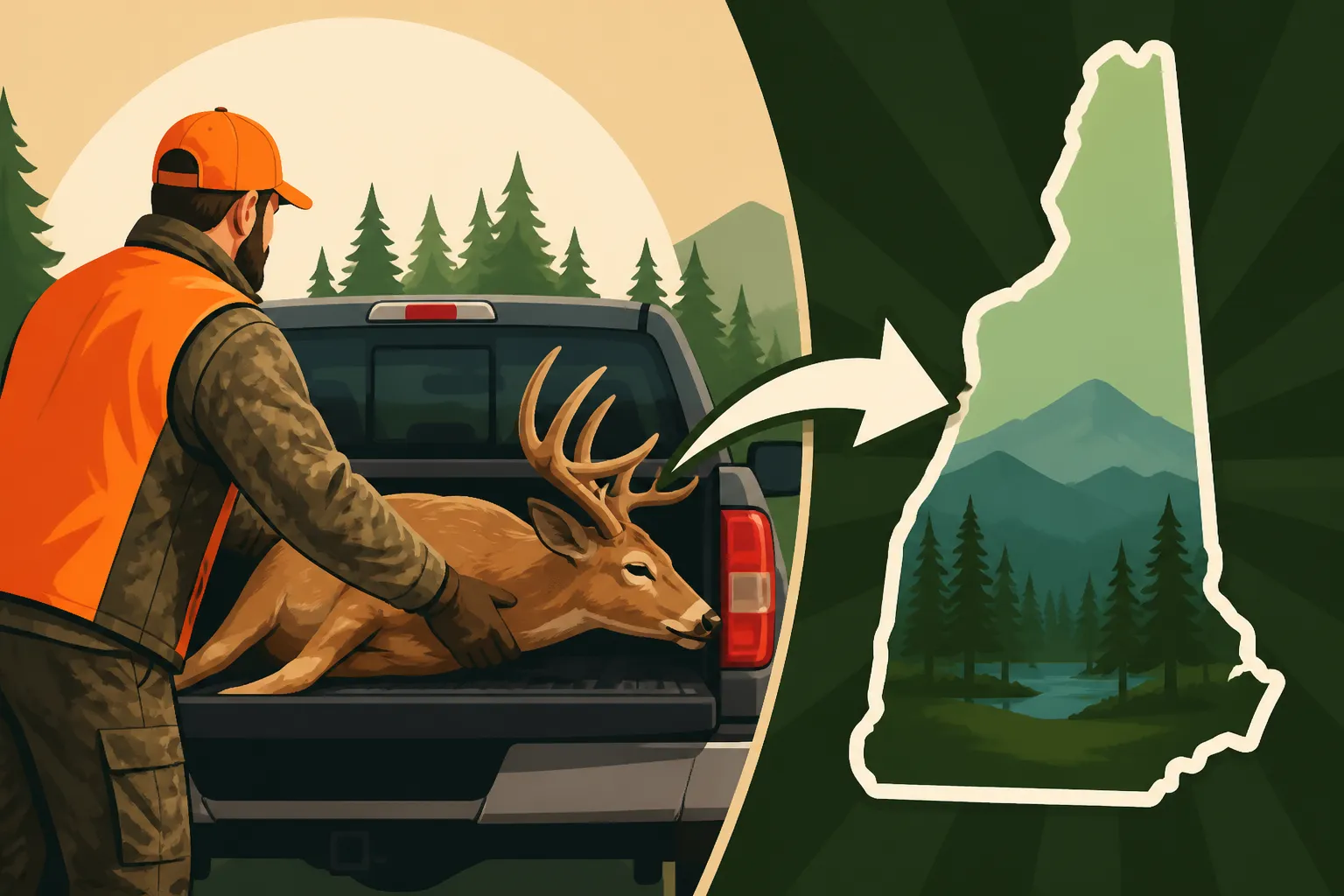
You’ve just wrapped up an incredible hunting trip outside of New Hampshire, maybe in Vermont, Maine, or even further afield. You successfully filled your tag, and now you’re staring at a magnificent deer, beaming with pride, but a new challenge quickly sets in: how exactly do you get your hard-earned venison, and perhaps that impressive rack, back home into the Granite State without breaking any rules? It’s a common question, and one that trips up many hunters, as state regulations on importing deer carcasses are incredibly specific and designed with a critical purpose in mind. This guide will walk you through exactly what you need to know to move your harvested deer safely and legally across the New Hampshire border.
Understanding New Hampshire's CWD Prevention Regulations
The primary reason for all the rules around bringing deer carcasses into New Hampshire is the very serious threat of Chronic Wasting Disease, or CWD. For those unfamiliar, CWD is a fatal neurological disease that affects deer, elk, and moose. It's caused by abnormal proteins called prions, and once it takes hold in a deer population, it's incredibly difficult, if not impossible, to eradicate. The thought of CWD spreading through New Hampshire's thriving deer herd is enough to give any hunter a cold sweat, which is why the New Hampshire Fish and Game Department has enacted strict measures.
The Threat of Chronic Wasting Disease
Imagine the devastation if CWD were to establish itself here. It’s not just about losing hunting opportunities; it’s about the health of the entire ecosystem. CWD prions can persist in the environment for years, even decades, meaning affected areas could be contaminated long-term. This isn't just a theoretical threat; states bordering New Hampshire, and many others across the country, have already confirmed cases of CWD. The disease spreads through direct animal-to-animal contact and indirectly through contaminated soil, water, or feed. High-risk tissues, such as the brain, spinal cord, lymph nodes, and spleen, contain the highest concentrations of these infectious prions.
New Hampshire has remained CWD-free, a distinction that wildlife officials and hunters alike are fiercely committed to maintaining. This clean bill of health is a testament to proactive measures, including strict carcass import rules, active surveillance, and public education. Understanding the gravity of this threat is key to appreciating why these regulations, which might seem inconvenient at first glance, are absolutely vital for the future of hunting in our state.
How Regulations Protect New Hampshire's Deer Herd
These regulations are essentially a protective shield, designed to prevent the introduction of CWD prions into New Hampshire. By restricting which parts of a deer can cross the border, the state aims to eliminate the highest-risk tissues from entering areas where they could potentially contaminate the environment or other wildlife. It’s a critical component of New Hampshire's CWD Surveillance Program, which also includes testing harvested deer within the state.
The rules are based on scientific understanding of CWD transmission. While it might feel like a hassle, every measure is a calculated effort to safeguard the genetic health and robust populations that make hunting in New Hampshire so special. So, while you're busy planning your next out-of-state hunt, maybe using a great tool like GoHunt to scout new terrain, always keep these critical CWD prevention measures at the forefront of your logistical planning. It’s not just about compliance; it’s about stewardship.
Permitted and Prohibited Deer Carcass Parts
Navigating the specifics of what you can and cannot bring into New Hampshire is where many hunters get confused. The good news is that certain parts are generally safe for transport, while others are strictly prohibited due to their high risk for carrying CWD prions. It's not a blanket ban, but a very targeted restriction designed to minimize risk.
High-Risk Prohibited Items
Let's start with the items you absolutely cannot bring across the New Hampshire border from any state or province with confirmed CWD cases. These are the tissues and parts most likely to harbor the infectious prions. The list typically includes:
- Whole carcasses or intact heads: This is the big one. You cannot bring an entire deer carcass, or even just the head with brain and spinal cord tissue still intact, into New Hampshire. The brain and spinal column are known reservoirs for CWD prions, making them a significant risk.
- Spinal columns and brains: Even if the rest of the carcass is processed, you cannot transport these specific parts separately. They must be removed and disposed of properly in the state where the animal was harvested.
- Lymph nodes and spleen: These internal organs are also considered high-risk tissues and must be removed.
- Any nervous system tissue: This broad category covers any part of the deer’s nervous system that could potentially contain CWD prions.
The goal here is to ensure that no part with a high concentration of prions from an unknown or CWD-positive animal enters New Hampshire. Ignoring these rules isn't just a minor infraction; it carries significant penalties because of the severe threat CWD poses to our wildlife resources. You can read more about specific regulations in the New Hampshire Carcass Import Restrictions.
Low-Risk Permitted Items
Now, for the parts you can bring home. The key here is proper processing and separation of the high-risk tissues at the point of harvest. This ensures that you can still enjoy your venison and your trophy without compromising New Hampshire's CWD status. Permitted items generally include:
- Deboned meat: This is the gold standard. All meat removed from the bone, free of any visible nervous system tissue or lymph nodes, is safe to transport. This means you can get your deer processed at a butcher in the state you hunted, or do a thorough field-boning job yourself.
- Clean skull plates or antlers: If you want to keep the antlers for a mount, you absolutely can! Just make sure the skull plate is completely free of all brain matter and soft tissue. A good boil and scrape job will ensure this.
- Hides/capes (without heads): The hide or cape, without the head or any skull tissue attached, is also permissible. This is great news for those planning a taxidermy mount.
- Teeth: If you want to preserve the teeth for aging or as a keepsake, they can be brought in, as they are not considered a CWD risk.
- Finished taxidermy products: Once a taxidermist has fully processed and mounted the head, it's considered safe for transport. The high-risk tissues would have been removed during the preservation process.
- Edible internal organs (excluding high-risk): Heart and liver, when cleaned of any attached high-risk tissue, are generally allowed.
Here's a quick reference table to make things clear:
| Permitted Items (Low-Risk) | Prohibited Items (High-Risk) |
|---|---|
| Deboned meat (boneless meat only) | Whole carcasses or intact heads |
| Clean skull plates/antlers (free of brain/soft tissue) | Brain and spinal column |
| Hides/capes (without heads) | Lymph nodes |
| Clean teeth | Spleen |
| Finished taxidermy products | Any nervous system tissue |
| Cleaned heart and liver (free of other organs/tissue) |
Remember, the emphasis is always on removing those high-risk tissues at the kill site or at a processor in the state where you harvested the animal. This vigilance is a key reason why New Hampshire Has Stayed CWD-Free.
Preparing Your Harvest for Transport into New Hampshire
Successfully preparing your deer for transport back to New Hampshire requires a bit of planning and meticulous work in the field. This isn't just about following rules; it's about making sure your hard work doesn't go to waste due to improper handling or legal complications. The preparation begins the moment your deer is on the ground.
Field Dressing and Boning Out
The first and most crucial step is proper field dressing, which you've likely done countless times. However, for cross-state transport into New Hampshire, you need to go a step further and commit to boning out the meat. This means separating all the edible muscle tissue from the bone. You'll want to remove as much meat as possible, ensuring it’s clean and free from any bone fragments, spinal cord, or nervous tissue.
This process is best done where you harvest the deer. If you're hunting in a remote area, you'll need the right tools: a sharp knife, a bone saw if you're taking the skull plate, and game bags to keep your meat clean and cool. Once the meat is deboned, place it in clean game bags or coolers, ensuring it's kept cold. This is a perfect time to practice good hygiene, as proper handling not only ensures compliance but also the quality of your venison. You can learn more about Field Dressing a Deer in Cold Weather to ensure your meat is handled correctly from the start.
Cleaning Skull Plates and Antlers
If you plan on bringing home a set of antlers, they must be completely free of brain matter and any other soft tissue. This is critical. A popular method is to remove the antlers with a small portion of the skull (the "skull plate"), then boil and scrape it clean. You'll want to ensure no brain or nervous system tissue remains attached. This might mean spending extra time scrubbing and inspecting the skull plate thoroughly.
Alternatively, some hunters opt to have a local taxidermist in the state of harvest prepare the skull plate for them. They're experts at getting it absolutely pristine, eliminating any doubt. For a full European mount, this cleaning process is even more rigorous to ensure no high-risk tissues remain. A clean, dried skull plate is a beautiful trophy and perfectly legal to bring into New Hampshire.
Utilizing Local Processors or Taxidermists
One of the easiest ways to ensure compliance and proper preparation is to use a licensed meat processor or taxidermist in the state where you harvested the deer. These professionals are well-versed in CWD regulations and can properly debone your meat, clean skull plates, and process hides according to legal standards. They’ll know exactly what needs to be removed and how to prepare the permissible parts for transport.
Before you even head out on your hunt, it's wise to research processors or taxidermists in the area you'll be hunting. Make a call, discuss their services, and confirm they understand the CWD import requirements for New Hampshire. This pre-planning can save you a lot of headache and potential issues at the border, allowing you to focus on the hunt itself, perhaps even considering how to Butcher a Deer at Camp once it's safely home.
Navigating Cross-Border Hunting Logistics
Planning an out-of-state hunt involves more than just scouting locations and checking season dates. The logistics of bringing your game back home are a crucial, often overlooked, aspect that requires careful attention. Understanding New Hampshire’s rules for importing game, particularly deer, is paramount to avoiding fines and contributing to the fight against CWD.
Planning Your Out-of-State Hunt
When you're looking beyond New Hampshire's borders for a hunting adventure, whether it's for deer, moose, or other big game, the research shouldn't stop at license fees and tag limits. You need to investigate the CWD status of the state or province you intend to hunt, as well as their specific regulations for exporting carcasses. Many states have reciprocal rules, but it’s always best to verify directly with the wildlife agencies of both jurisdictions. Resources like GoHunt are fantastic for mapping out potential hunting areas and understanding local regulations, but always cross-reference directly with official state Fish and Game websites.
Think about your transportation method. If you're flying, airline regulations for transporting game meat and antlers can add another layer of complexity. If driving, consider how you'll keep deboned meat cool for the journey. A reliable cooler with plenty of ice is a must, especially if the weather is mild. For longer trips, having access to dry ice or a portable freezer can be invaluable to ensure the quality of your venison.
Staying Informed and Verifying Regulations
Wildlife regulations, especially concerning disease management, can change. What was permissible last year might not be this year. Therefore, before every out-of-state hunt, make it a point to check the very latest regulations for both the state you're hunting and New Hampshire. The official New Hampshire Fish and Game Department website is your best source for the most up-to-date information on New Hampshire Carcass Import Restrictions.
Don't rely on hearsay or what a buddy told you five years ago. A quick phone call or email to the wildlife departments can save you a lot of grief. Being proactive in verifying regulations shows respect for the resource and ensures you’re a responsible hunter. This diligence extends to understanding broader topics like New Hampshire's CWD Prevention Rules, which often influences these specific import restrictions. When you are looking up rules for things like New Hampshire Hunter Education Requirements or New Hampshire Deer Reporting Requirements, also take a few minutes to re-verify carcass transport rules.
Consequences of Non-Compliance
It's easy to think of these rules as minor nuisances, but the consequences of non-compliance are serious. If you are caught bringing prohibited deer parts into New Hampshire, you could face significant fines, confiscation of your harvest, and even loss of hunting privileges. Beyond the legal repercussions, there's the much larger ethical responsibility. Introducing CWD into New Hampshire would be a disaster for the deer herd, and by extension, for the hunting heritage we all cherish.
The wildlife management agencies take CWD extremely seriously, and so should every hunter. Our collective responsibility to protect our natural resources means adhering to these regulations without exception. By taking the extra steps to properly process your deer in the field or at a licensed facility in the state of harvest, you're not just avoiding a ticket; you're actively participating in the crucial effort to keep New Hampshire's deer herd healthy and CWD-free. This commitment aligns perfectly with the broader mission of the New Hampshire Wildlife Disease Monitoring Program.
Remember, whether you're bringing back a trophy rack or just pounds of delicious venison, ensuring it's handled according to the rules is part of the hunting experience. By understanding and following these guidelines, you're helping preserve New Hampshire's incredible hunting opportunities for generations to come, and ensuring you can enjoy Handling Venison From a Healthy Herd for your family.
Disclaimer
The information provided in this article is for general guidance only and is subject to change. Hunting regulations, especially those concerning disease prevention, are frequently updated. Always consult the official New Hampshire Fish and Game Department website or contact them directly for the most current and accurate information before making any hunting or transport decisions.