New Hampshire Inland Zone Waterfowl Dates
It's incredibly frustrating when you're geared up for a crisp autumn morning in a New Hampshire marsh, only to realize you've misread the waterfowl season dates for your specific zone. The Granite State's regulations, especially for migratory birds, can feel like a complex puzzle, and understanding the nuances of the Inland Zone is crucial for a successful and legal hunt. This guide is here to untangle those complexities, helping you confidently plan your waterfowl adventures in New Hampshire's interior.
Understanding New Hampshire's Waterfowl Zones
New Hampshire isn't a one-size-fits-all state when it comes to waterfowl regulations. The state is divided into distinct zones, each with its own set of season dates and sometimes even bag limits, all designed to align with migratory bird patterns and local populations. Ignoring these zone distinctions can quickly turn a hopeful morning hunt into a disappointing, and potentially unlawful, outing.
Defining the Inland Zone
The Inland Zone encompasses a vast majority of New Hampshire's landmass, stretching from the White Mountains down through the Lakes Region and into the more populated southern counties. Essentially, if you're not hunting directly along the Atlantic coastline or in the tidal waters of the Great Bay Estuary, you're almost certainly in the Inland Zone. This includes iconic hunting grounds like the Connecticut River Valley, the expansive wetlands and beaver flows of the North Country, and the numerous smaller ponds, lakes, and rivers scattered throughout the state. The geographical boundary is quite specific, generally following Route 101 and Route 27 from the Massachusetts border eastward to the ocean. This distinction is vital because bird migrations, weather patterns, and even species composition can vary significantly between the coast and the interior.
Why Zones Matter for Hunters
The primary reason for these zones is simple: migratory birds don't follow human-made calendars or state lines perfectly. The U.S. Fish and Wildlife Service, in conjunction with state agencies like New Hampshire Fish and Game, establishes frameworks based on flyway-wide data and local population assessments. These frameworks allow states to tailor seasons to optimize hunting opportunities while ensuring conservation. For an Inland Zone hunter, this means your duck and goose seasons will open and close differently than if you were hunting near Hampton Beach or Great Bay. An early freeze-up in the mountains might push ducks south earlier, making an earlier season beneficial, whereas the coastal areas might hold open water, and birds, for much longer into winter. Understanding these differences, and which zone applies to your specific hunting spot, is the first step toward a successful waterfowl season. You’ll often find yourself checking the regulations multiple times, confirming whether you're in the right place at the right time.
Key Waterfowl Species and Their Inland Zone Seasons
The Inland Zone offers a fantastic diversity of waterfowl opportunities, primarily targeting ducks, mergansers, and Canada geese. Each of these groups has specific season dates, and often, the season is split to accommodate different migration waves or hunting pressure.
Ducks and Mergansers
New Hampshire's Inland Zone typically sees a split season for ducks and mergansers. This structure is a long-standing tradition designed to capitalize on different phases of migration. You'll usually find an earlier segment of the season, often kicking off in late September or early October, which targets early migrants and resident birds. This is when local mallards, wood ducks, and teal are abundant. The weather can still be mild, and the foliage vibrant, making for beautiful but sometimes buggy mornings.
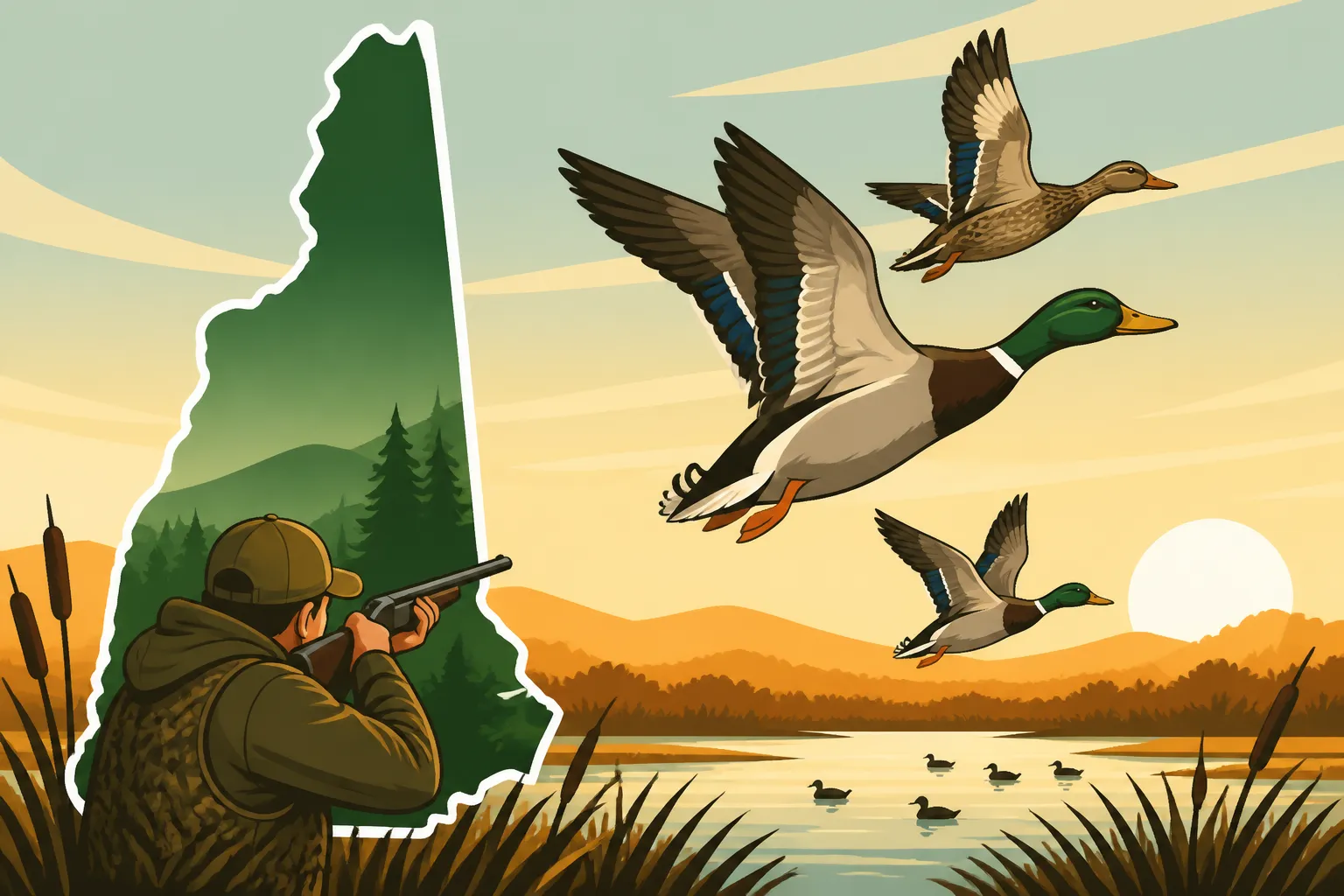
After a brief closure, the season then reopens for a much longer second segment, running through November and into December, sometimes even touching January. This later season is when the true migratory push happens, bringing in new flights of mallards, black ducks, wigeon, gadwall, and various diving ducks as colder weather grips the northern breeding grounds. Hunters often target larger bodies of water, beaver flowages, or river systems that remain unfrozen. When you're Decoying Ducks on New Hampshire's Connecticut River, you'll definitely want to pay attention to these split seasons to ensure you're out there when the birds are moving. Always double-check the official New Hampshire Hunting Digest for the precise opening and closing dates for each segment, as these can shift slightly year to year based on federal frameworks and state biological surveys.
Canada Geese
Canada goose hunting in the Inland Zone also follows a multi-segment approach. New Hampshire often implements an early Canada goose season, which typically runs for a few weeks in September. This season is specifically designed to target the robust population of resident, non-migratory Canada geese that breed and reside within New Hampshire. It's an excellent opportunity to get out before the main duck season opens, offering generous bag limits to help manage these local populations. These early hunts often take place in agricultural fields, large suburban ponds, or river bottoms where resident geese congregate.
Following this early season, the regular Canada goose season in the Inland Zone often opens concurrently with the regular duck season, usually in October, and may also have a split structure or run continuously into late December or early January, mirroring the later duck segments. This later period is when vast numbers of migratory Canada geese from northern breeding grounds pass through or stage in New Hampshire. Hunters might find themselves Pass-Shooting Geese on a Split-Season Field or decoying large flocks in open agricultural areas. It’s important to note that specific bag limits can vary between the early and regular seasons, so always consult the most current regulations.
Other Waterfowl Species
While ducks, mergansers, and Canada geese are the primary focus for most Inland Zone hunters, other species like snow geese and brant may also be encountered. Snow geese typically have a separate, often extended, season that can run through much of the fall and winter, often with very liberal bag limits due to their strong populations. Brant, a smaller sea goose, are primarily a coastal species, and while a stray bird might venture inland, their season dates are generally tied to the Coastal Zone. Sea ducks (e.g., scoters, eiders, oldsquaws/long-tailed ducks) are also almost exclusively a coastal pursuit, with specialized seasons that don't typically apply to the Inland Zone. However, always refer to the official New Hampshire Fish and Game regulations for the most up-to-date and comprehensive list of species and their specific Inland Zone dates and bag limits, including any special youth waterfowl weekend dates.
Factors Influencing Season Dates
It's natural to wonder why these dates change slightly each year or why New Hampshire has such specific rules. There's a lot of science and strategy behind it, aimed at balancing hunter opportunity with the health of the waterfowl populations.
Federal Framework and State Adaptations
At the highest level, waterfowl seasons are governed by the U.S. Fish and Wildlife Service (USFWS). They establish an annual "federal framework" based on continent-wide population surveys, breeding ground conditions, and harvest data. This framework dictates the maximum season length, earliest opening dates, and latest closing dates for specific waterfowl species within each of the four North American flyways, including the Atlantic Flyway, which New Hampshire belongs to.
Within this federal framework, states like New Hampshire then have the flexibility to select their specific season dates, bag limits, and other regulations to best suit local conditions and hunter preferences. New Hampshire Fish and Game biologists and managers carefully analyze local bird populations, historical migration patterns, and stakeholder input. They consider factors like when most birds are present, when hunting pressure might be most effective, and how to spread out opportunities throughout the fall and winter. This ensures that while we have the opportunity to hunt, the birds have ample chance to migrate and reproduce, safeguarding their future. For instance, New Hampshire's general approach to New Hampshire's Waterfowl Season and Zones is decided within these parameters.
Migration Patterns and Weather
Waterfowl are, by definition, migratory. Their movements are intrinsically linked to weather and food availability. An early cold snap up north can push birds south much sooner than usual, potentially affecting the timing of peak migrations in New Hampshire. Conversely, a mild autumn might delay their arrival. This unpredictability is precisely why Fish and Game maintains the flexibility to adjust season dates annually within the federal guidelines.
Hunters, too, become amateur meteorologists and ecologists, Reading a Marsh for a Morning Flight and observing weather patterns. A strong north wind or the first significant snowfall can often signal a fresh push of birds into the Inland Zone, making the late segments of the season particularly productive. These natural rhythms are the heartbeat of waterfowl hunting, and the regulations try to align with them as closely as possible.
Population Management
Beyond just migration, season dates and bag limits are critical tools for population management. For species like Canada geese, which have strong resident populations that can sometimes cause agricultural damage or nuisance issues, an early season with higher bag limits helps to manage those specific local birds without impacting the larger migratory populations. For ducks, biologists carefully monitor breeding success and overall population trends. If a particular species, like black ducks, shows declines, federal and state regulations might shorten seasons or reduce bag limits to promote recovery.
Conversely, if mallard populations are robust, more liberal seasons can be set. This adaptive management approach ensures sustainability. Every time you buy a license, a federal duck stamp, and participate in the New Hampshire HIP Certification for Bird Hunters, you're contributing valuable data and funding that directly supports these critical population management efforts, ensuring that future generations can also enjoy waterfowl hunting in the Granite State.
Navigating the Annual Regulations
Staying on top of New Hampshire's waterfowl regulations requires a proactive approach. Regulations can, and do, change annually, sometimes with subtle but important shifts. It's your responsibility as a hunter to be fully informed before you step into the field.
The New Hampshire Hunting Digest
The absolute, definitive source for New Hampshire's waterfowl season dates and regulations is the New Hampshire Fish and Game Department's annual hunting digest. This comprehensive guide is published every summer and contains all the current rules, including precise dates for the Inland Zone, bag limits, shooting hours, legal methods, and all other pertinent information. You can pick up a physical copy at license vendors, Fish and Game offices, or download it as a PDF from their official website. Do not rely solely on information from previous years or hearsay; always consult the current digest. It's often where you'll find explanations of specific nuances, like New Hampshire's Split Waterfowl Season Explained.
Online Resources and Apps
In addition to the official digest, many valuable online resources and apps can help you stay informed and even enhance your hunting experience. The New Hampshire Fish and Game website is an excellent starting point, often publishing updates and news releases as changes occur. For hunters who want to visualize land boundaries, check weather, and even scout, tools like the GoHunt app or OnX Hunt are incredibly useful. While these apps can provide mapping and property information, remember they are supplementary; always cross-reference any regulation information you see in an app with the official Fish and Game digest. GoHunt can be particularly handy for looking at large expanses of public land and seeing where potential waterfowl habitat might lie, helping you scout new areas even before the season begins.
Pre-Season Planning Checklist
To ensure you're fully prepared for the Inland Zone waterfowl season, here’s a quick checklist to run through before you head out:
- Check the current Hunting Digest: Confirm all dates, bag limits, and rules for the current season, specifically for the Inland Zone.
- Verify License and Permits: Ensure your New Hampshire hunting license is valid. Remember, migratory bird hunters also need a New Hampshire Federal Duck Stamp Requirement and HIP certification.
- Scout Your Area: Use mapping tools like GoHunt to scout potential spots. Look for water sources, food plots, and cover that birds might use.
- Check Weather Forecasts: Waterfowl movements are heavily influenced by weather. Pay attention to cold fronts, precipitation, and wind direction.
- Review Decoy Spreads and Calls: Make sure your gear is in order. Are your decoys ready? Are your calls tuned?
- Practice Your Shooting: A little pre-season practice at the range can make a big difference when birds commit to your spread.
- Know Your Waterfowl Identification: Be confident in identifying ducks and geese in flight and on the water to ensure legal harvest.
- Plan Your Access: Understand public versus private land rules, and have permission if hunting private property. You can review topics like Hunting a Beaver Flowage Edge for specific habitat considerations.
- Emergency Preparedness: Carry a first-aid kit, whistle, and tell someone where you're going and when you expect to return, especially if hunting alone in remote areas.
By diligently following these steps, you'll be well-prepared to make the most of your waterfowl hunting opportunities in New Hampshire's Inland Zone.
| Species | Season Segment | Typical Open Date | Typical Close Date | Daily Bag Limit (Example) |
|---|---|---|---|---|
| Ducks & Mergansers | Early Split Season | Late September/Early October | Early-Mid October | Varies by species (e.g., 6 ducks, 5 mergansers) |
| Ducks & Mergansers | Main Split Season | Late October/Early November | Mid-Late December | Varies by species (e.g., 6 ducks, 5 mergansers) |
| Canada Geese | Early Season | Early September | Mid-Late September | Often 8 per day |
| Canada Geese | Regular Season | Late October/Early November | Mid-Late December (or later) | Often 2-3 per day |
| Snow Geese | Statewide Season | Mid-October | Late January | Often 15 per day |
Note: These are typical date ranges and bag limits. Always consult the current year's New Hampshire Hunting Digest for precise, official information.
Disclaimer
Please remember that hunting regulations, including season dates and bag limits, are subject to change annually. Always consult the most current New Hampshire Fish and Game Department hunting digest and official resources before engaging in any hunting activities. This article is for informational purposes only and should not be considered a substitute for the official regulations.