New Hampshire Turkey Checking Requirements
Harvesting a wild turkey in New Hampshire is an incredible experience, the culmination of scouting, calling, and patience. But once you've successfully tagged your bird, the job isn't quite done. Many hunters find themselves scratching their heads, wondering about the exact steps to legally report their harvest, leading to unnecessary stress and even potential legal issues. This guide is here to walk you through every detail of New Hampshire's turkey checking requirements, ensuring you stay compliant and can focus on the thrill of the hunt.
Why Turkey Checking is Essential in New Hampshire
Checking your turkey isn't just a bureaucratic hurdle; it's a critical part of wildlife management and conservation in the Granite State. The data collected from every checked bird provides invaluable insights to the New Hampshire Fish and Game Department, allowing them to make informed decisions that directly impact the health and future of our wild turkey population. Without this information, it would be a guessing game, and none of us want that when it comes to managing a valuable resource.
Tracking Population Health and Trends
Every time a hunter successfully checks a turkey, they contribute vital data that helps wildlife biologists understand the current state of the turkey population. This includes harvest numbers, the age and sex ratios of harvested birds, and even the general location where they were taken. Think about it: if the harvest numbers start declining in a particular Wildlife Management Unit (WMU) over several seasons, that's a red flag. It prompts Fish and Game to investigate potential issues, whether it's habitat loss, disease, or shifts in predator populations. This real-time feedback loop is essential for maintaining robust and healthy turkey numbers across New Hampshire. You can even dive deeper into these statistics by looking at the annual New Hampshire Turkey Population Trends that Fish and Game publishes.
Without accurate harvest data, making good management decisions would be nearly impossible. It allows the state to adjust season lengths, bag limits, and even specific WMU rules to ensure we're not over-harvesting, especially during critical periods like the spring breeding season or the fall hunt. This is how we ensure future generations will have the same fantastic opportunities we do to chase gobblers in the New Hampshire woods.
Disease Monitoring and Prevention
Another incredibly important aspect of the turkey checking process, though often overlooked by hunters, is disease monitoring. While New Hampshire's wild turkeys are generally very healthy, keeping an eye out for potential disease outbreaks is always a priority. When you check your turkey, Fish and Game might ask questions about the bird's condition or even collect samples if there's a specific concern. This proactive approach helps identify and contain potential health threats to the turkey population before they can spread widely.
For example, avian influenza, though rare, is a concern for all wild bird populations. Monitoring harvest data and having opportunities to observe birds can provide early warnings. Similarly, though Chronic Wasting Disease (CWD) is not currently present in New Hampshire's deer herd, the state maintains strict New Hampshire's CWD Prevention Rules to protect all cervid populations, and this vigilant approach extends to other wildlife health concerns, including those that might affect turkeys. Your small effort in checking your bird plays a big role in protecting the overall health of our wildlife.
Legal Compliance and Fair Chase Principles
Let's not forget the most immediate reason for checking your turkey: it's the law. New Hampshire Fish and Game regulations are clear about the requirement to report your harvest. Failing to do so can result in fines and other penalties, which can quickly take the shine off a successful hunt. These regulations are in place to ensure fair chase, ethical hunting practices, and proper resource management for everyone.
It’s part of the ethical contract we, as hunters, have with the state and with the resource itself. It demonstrates accountability and respect for the game we pursue. Checking your turkey is the final step in proving you've legally harvested a bird within the bounds of the established New Hampshire Turkey Season Rules and regulations, upholding the integrity of hunting for all.
The Process of Checking Your New Hampshire Turkey
So, you've got a gobbler on the ground, your tag is properly filled out and attached, and the adrenaline is starting to subside. What's next? The process for checking your New Hampshire turkey has become increasingly streamlined, offering both online and in-person options to suit different situations. It’s important to note that the state requires you to report your turkey harvest within 24 hours of taking the bird.
Online Registration via the Fish and Game Website or App
For most hunters today, the easiest and most convenient way to check a turkey is through the New Hampshire Fish and Game Department's online system or their mobile app. This method allows you to report your harvest from virtually anywhere, as long as you have an internet connection, whether you're still in the field with a signal or back at camp.
To use the online system, you'll need to visit the official New Hampshire Fish and Game website. Look for the "Report Harvest" or "Game Check" section. You'll typically be asked for information such as:
- Your license number.
- The type of game harvested (turkey).
- The date and time of harvest.
- The WMU where the turkey was taken. If you're unsure which WMU you're in, many mapping apps or the GoHunt platform can help pinpoint your location relative to WMU boundaries.
- The sex of the bird (gobbler or hen, though fall hen seasons are limited).
- Number of beards, beard length, and spur length for gobblers, if applicable. This data is particularly valuable for population age structure analysis.
- The weapon used (bow, shotgun, muzzleloader, etc.).
Once you submit the information, you'll usually receive a confirmation number. It's a good idea to write this down, screenshot it, or print it out, as it serves as your official record that the turkey has been checked. This online system is a godsend for hunters in remote areas or those who hunt during non-business hours, eliminating the need to drive to a physical check station. Remember, even with online reporting, the physical tag must be filled out and securely attached to the bird immediately after harvest, before any movement.
In-Person Registration at Designated Check Stations
While online registration is prevalent, New Hampshire still maintains a network of traditional check stations, typically found at general stores, sporting goods shops, and some Fish and Game offices. These in-person stations are a valuable option, especially if you prefer to speak with someone, have questions, or if you're hunting in an area with unreliable cell service or internet access.
The process for in-person registration is straightforward. You bring your harvested turkey (with the tag still attached, of course) to a designated station. A vendor or Fish and Game official will typically:
- Verify your license and tag information.
- Collect the same harvest data points as the online system (date, WMU, sex, beard/spur measurements, etc.).
- Sometimes, they might take a physical measurement or examine the bird, especially during special studies or if there's a particular concern.
- Provide you with a physical confirmation receipt or mark your tag as "checked."
It's a good idea to call ahead to a specific check station to confirm their hours of operation and ensure they are still participating in the program, as these can sometimes change. This is also a great opportunity to chat with fellow hunters or get some local insight, building on those cherished New Hampshire Deer Camp Traditions.
Important Details and Common Pitfalls to Avoid
Navigating hunting regulations can sometimes feel like a maze, and turkey checking has its own set of nuances. Being aware of the specific rules and common mistakes can save you a headache and ensure your hunt remains entirely within legal bounds.
Time Limits and Tag Placement
The 24-hour rule for reporting your turkey is non-negotiable. This means from the moment you take possession of that bird, you have one full day to get it checked, whether online or in person. Planning for this is crucial, especially if you're hunting a long distance from home or a reliable internet connection. Don't wait until the last minute, or you might find yourself in a bind.
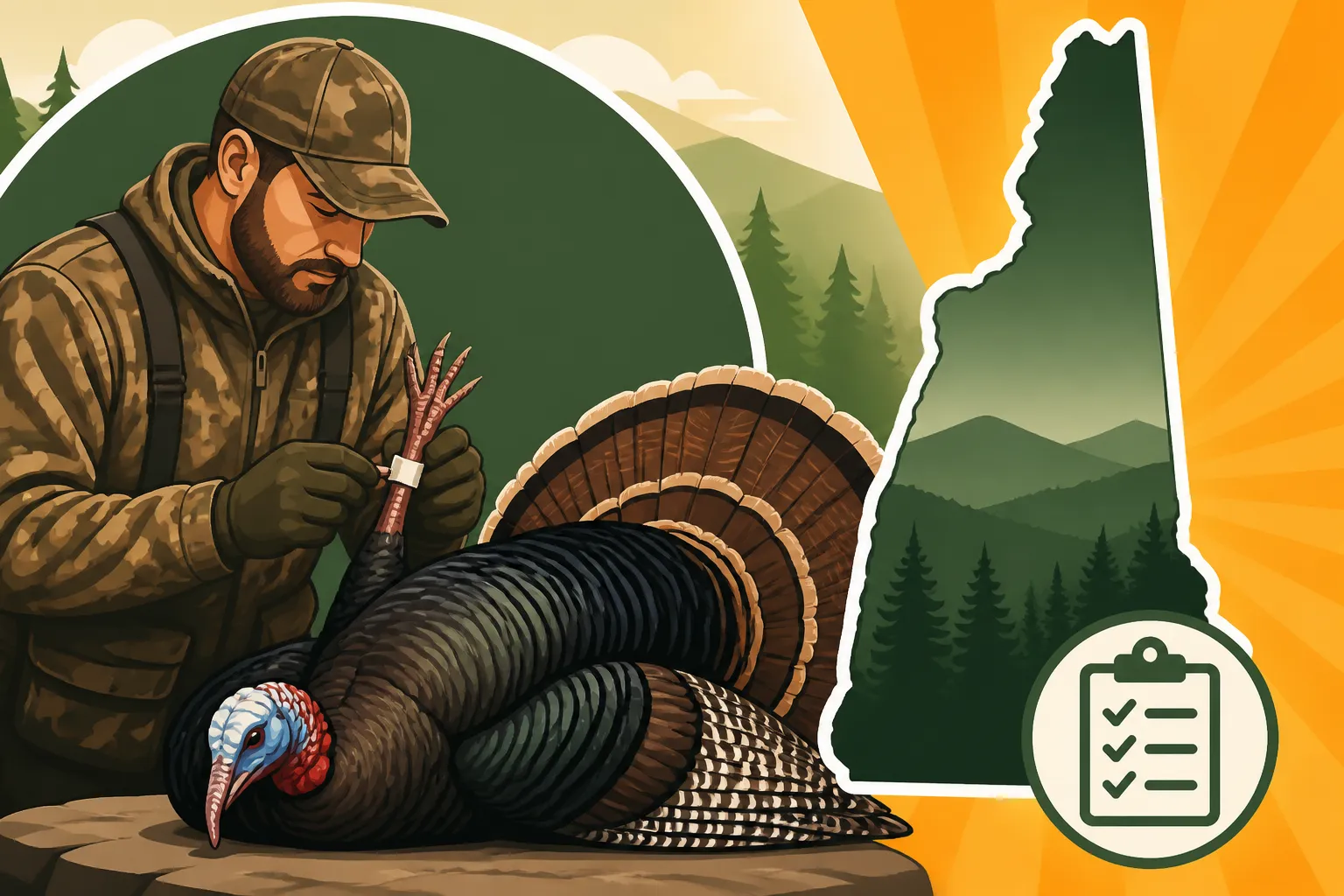
Equally important is the immediate and proper placement of your turkey tag. Your license will have a specific turkey tag that needs to be filled out with the date of kill, WMU, and weapon used. This tag must be securely attached to the turkey before it is moved from the place of kill. This isn't just a suggestion; it's a legal requirement designed to prevent illegal harvesting or tagging multiple birds. Imagine encountering a conservation officer in the field with an untagged bird – that's a situation you definitely want to avoid! The tag should be placed in a way that it won't easily fall off during transport. A zip tie or strong string is usually sufficient.
Youth Hunter Considerations
New Hampshire strongly encourages youth participation in hunting, and there are specific provisions for young hunters. During the designated Youth Turkey Weekend, for instance, eligible youth hunters can take to the woods. The rules for checking their harvest are generally the same as for adult hunters: the bird must be tagged immediately and reported within 24 hours. However, it's always wise for the supervising adult to double-check the latest regulations, especially concerning the specific New Hampshire Mentored Youth Hunting Rules.
The supervising adult plays a key role here, not only in guiding the hunt but also in ensuring all legal requirements, including the checking process, are met. It's a fantastic opportunity to teach responsible hunting practices from start to finish, instilling a sense of accountability and respect for wildlife regulations in the next generation.
Understanding WMU-Specific Rules and Bag Limits
While the general checking requirements apply statewide, it's absolutely vital to be aware of any WMU-specific rules that might affect your turkey hunt. For instance, the dates for New Hampshire Spring Turkey Season Dates can vary slightly depending on the WMU, and the rules for fall turkey hunting are even more restrictive, with only certain WMUs allowing it and often with different weapon restrictions or hen harvest limits. For example, knowing Which WMUs Allow Fall Turkey Hunting is critical if you plan a late-season outing.
Always consult the official New Hampshire Fish and Game Hunting Digest for the most up-to-date information for your specific WMU. Platforms like GoHunt also provide excellent resources for quickly looking up regulations by location.
Here’s a simplified look at key turkey season parameters to remember when planning your check:
| Season | Typical Bag Limit (Gobblers) | WMU Restrictions | Checking Requirement |
|---|---|---|---|
| Spring | Two bearded birds (one per day) | Statewide access (dates vary) | Required within 24 hours |
| Fall | One bird of either sex | Specific WMUs only | Required within 24 hours |
Note: Always consult the current New Hampshire Fish and Game Hunting Digest for exact dates and WMU boundaries, as these can change annually.
No Physical Samples Required (Generally)
Unlike some states where deer might require CWD samples at check stations, New Hampshire generally does not require you to bring physical samples or the entire turkey to the check station unless specifically requested for a particular study. For the vast majority of turkey checks, reporting the required data online or providing it to the check station attendant is sufficient. This simplifies the process for hunters, allowing you to get your bird processed and in the cooler sooner.
Beyond the Check: What Happens Next
Once your turkey is officially checked, you've fulfilled your legal obligation, and now the real work—and reward—begins! This is where you transform your harvest into delicious meals and lasting memories.
Proper Field Dressing and Processing
With the checking complete, your focus can turn entirely to getting your turkey ready for the table. Field dressing immediately after harvest is crucial, especially in warmer weather, to cool the bird down and prevent spoilage. You can refer to guides on topics like Cooking a Wild Turkey Breast to get some ideas, but first, you need to get the bird cleaned and cooled.
Whether you're taking your turkey to a professional processor or doing it yourself at home, careful handling is key to preserving the meat quality. Many hunters choose to breast out their turkeys in the field to lighten the load, especially if they’ve had a successful hunt far from the truck. Others prefer to bring the whole bird home for a more thorough processing experience. Regardless of your method, make sure to cool the meat quickly, either in a cooler with ice or by getting it into a refrigerator as soon as possible.
Record Keeping for Personal Reference
While the state takes care of its records, keeping your own personal hunting journal is a fantastic practice. Jot down details about your turkey hunt: the date, time, location (even specific stand locations or memorable spots like a Hunting a Ridge Above a North Country Bog), weather conditions, calls used, and of course, the details of the bird itself – weight, beard length, spur length.
These personal records are not only great for reminiscing, but they can also be incredibly useful for future hunts. You might notice patterns in turkey behavior based on weather, time of year, or specific locations. It's a way to learn from every experience and continually improve your skills as a hunter. Plus, it’s a wonderful way to document your outdoor adventures in the Granite State.
Sharing Your Harvest and Stories
Hunting is often a communal activity, and sharing your success with friends and family is part of the tradition. Whether it's a photo shared on social media, a delicious turkey dinner with loved ones, or simply recounting the story of the hunt around a campfire, these moments build community and reinforce the positive aspects of hunting.
Remember, every step, from scouting to the shot, to checking the bird, and finally to the table, is part of a rich and rewarding experience. Understanding and respecting New Hampshire's turkey checking requirements ensures that this tradition can continue to thrive for many years to come. Happy hunting!
Disclaimer
Please note: Hunting regulations can change. While this guide provides comprehensive information based on current knowledge, it is the hunter's responsibility to consult the most recent official New Hampshire Fish and Game Department hunting digest or website for the definitive and most up-to-date regulations before heading afield.