Best New Hampshire Ground for Public Land Grouse
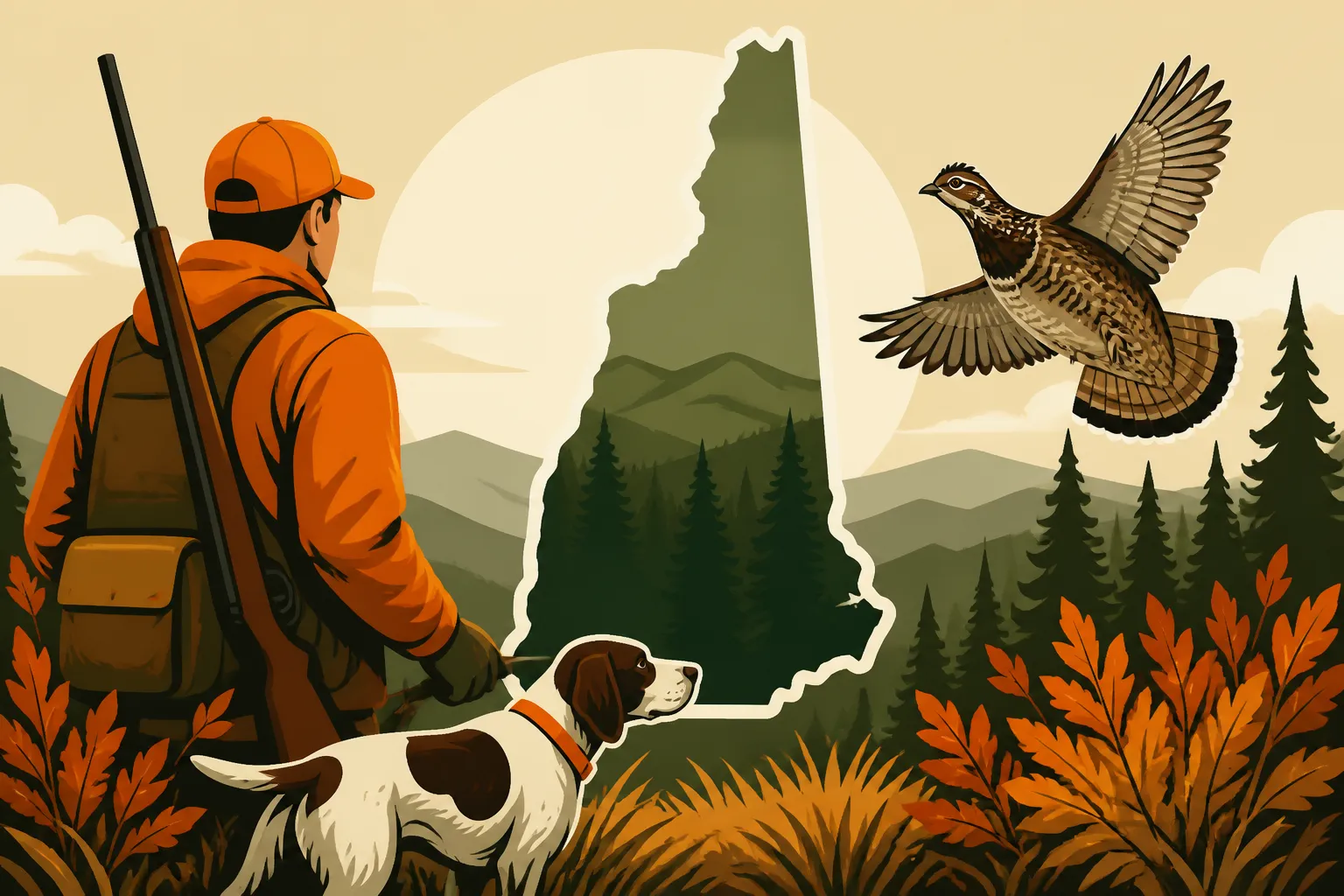
Finding dependable public land for grouse hunting in New Hampshire can feel like a real challenge sometimes. You're out there, boots on the ground, traversing what feels like endless timber, wondering if you're even in the right zip code for a bird to flush. It’s easy to get discouraged when you walk miles without seeing so much as a feather. This guide is here to cut through that frustration, offering a deep dive into where to look and how to approach the best public lands in the Granite State for chasing those elusive ruffed grouse.
Understanding New Hampshire Grouse Habitat on Public Land
Ruffed grouse aren't just anywhere; they're habitat specialists. Knowing what they need is the first step to finding them, especially when you're navigating vast tracts of public land. It's not about finding any woods, it's about finding the right woods.
The Ideal Ruffed Grouse Environment
When you're trying to locate ruffed grouse, you need to think "early successional forest." This means areas where trees have recently been cut, or where natural disturbances like fires or ice storms have opened up the canopy, allowing new growth to flourish. Grouse thrive in thick, brushy cover – places where a hunter might feel a bit claustrophobic, but a grouse feels safe from aerial predators like hawks and ground predators like coyotes and bobcats.
Look for young aspen and birch stands, often found in regenerating clear-cuts from logging operations. These trees provide crucial food sources, as grouse will bud on them throughout the fall and winter. Overgrown apple orchards, though often on private land, offer similar appeal. You're looking for a mosaic of cover: dense saplings and shrubs for escape, slightly more open areas for dusting and feeding, and older trees for drumming logs. It's a complex puzzle, and New Hampshire's diverse terrain offers plenty of pieces. Finding these specific pockets within the larger landscape of public ownership is the real trick.
Identifying Key Public Land Features
So, how do you translate "ideal habitat" into actual public land scouting? It starts with understanding where these habitats are most likely to occur. New Hampshire has a fantastic array of public lands, from sprawling national forests to smaller state forests and numerous Wildlife Management Areas (WMAs). Each has its own characteristics, and some are naturally more prone to holding good grouse cover than others.
The White Mountain National Forest, for example, is immense. While it has plenty of mature timber and high elevations, you’ll want to focus on areas that have seen recent timber harvests or natural disturbances. Logging is a crucial component of grouse habitat creation, even on public land, and Fish and Game departments often manage WMAs with species-specific habitat goals in mind. Look for those tell-tale signs of recent activity: stacked logs, fresh skidder trails, or signage indicating active timber work. State forests and some larger town forests can also be excellent bets, as they are often more actively managed for timber production, which benefits grouse. It's a matter of identifying those areas where active forest management has created or is creating the kind of dense, young growth that grouse simply adore.
Top Public Land Areas and How to Approach Them
New Hampshire offers a diverse range of public lands, each with its own character and potential for grouse. From the vastness of the North Country to the more fragmented parcels down south, understanding where to focus your efforts can save you a lot of boot leather.
North Country and White Mountain Opportunities
When most people think of hunting in New Hampshire, their minds often drift to the expansive, rugged landscapes of the North Country and the White Mountains. And for good reason! These areas, particularly in counties like Coos and northern Grafton, hold some fantastic grouse habitat, albeit often challenging to access. The sheer scale of Hunting New Hampshire's White Mountain National Forest alone can be intimidating, but it also means there are vast tracts of land that see less pressure.
Within these regions, focus on areas with active logging or timber management. These operations create the necessary early successional growth that grouse depend on. Look for old logging roads and skid trails, which not only provide easier walking than busting brush but also lead to prime cover. The edges of beaver flowages, where trees are constantly being cut and regrowing, can also be grouse magnets. While the big woods can feel endless, using mapping tools to identify potential cuts or disturbed areas is key. Don't be afraid to walk a bit farther in; those deep pockets of cover often hold less pressured birds. Remember, grouse hunting in the North Country is often about covering ground and being persistent, especially in areas like Hunting a Granite Ridge Saddle where diverse cover exists.
Southern New Hampshire's Hidden Gems
Now, don't think that all the good grouse hunting is relegated to the far north. Southern New Hampshire, while more densely populated, still offers some surprising opportunities if you know where to look. The challenge here is typically higher hunting pressure and more fragmented habitat. However, many smaller state forests, town forests, and various New Hampshire Wildlife Management Areas are actively managed and can hold good numbers of birds.
The trick in southern New Hampshire is often to hunt hard-to-reach corners or areas that might be less appealing to deer hunters. Think about those incredibly dense, almost impenetrable thickets that most hunters would walk around. Those are exactly the places a grouse feels secure. Old farmsteads, particularly those with reverting fields and thick hedgerows, can also be honey holes. While these areas might require a bit more effort in terms of scouting and getting permission on adjacent private parcels (always ask!), the rewards can be significant. The key is to seek out those specific pockets of dense, young cover that are often overlooked in regions like the Monadnock or Lakes Region. Even in more suburban fringes, there can be pockets of habitat if you're willing to do your homework.
Practical Strategies for Finding Grouse Cover on Public Ground
Finding public land for grouse is one thing; actually finding grouse on that land is another entirely. It takes a combination of modern tools, old-school scouting, and smart hunting techniques to consistently put birds in the bag.
Leveraging Mapping Tools and Scouting
In today's hunting world, digital mapping tools are an absolute game-changer, especially for public land grouse hunting. Services like onX Hunt and GoHunt can revolutionize your pre-season scouting. Instead of blindly walking, you can pore over satellite imagery and topographic maps from the comfort of your home. Look for those tell-tale signs of good grouse habitat: clear-cuts that are now showing dense regrowth, areas where younger, lighter-green vegetation contrasts with older, darker timber, and distinct edges where different forest types meet.
Use the public/private land layers to ensure you're always on accessible ground. Pay attention to elevation changes and water sources, as these can influence vegetation types. You might see potential logging roads or ATV trails on the map that offer easier access to deeper cover. This digital reconnaissance should always be followed up with boots-on-the-ground Scouting New Hampshire Public Land Before Season. Walk those promising areas, look for droppings, flush birds (even if you're not hunting), and identify food sources like wild berries or apple trees. Understanding New Hampshire Ruffed Grouse Population Cycles can also help set realistic expectations for the season.
Hunting Techniques for Public Land Grouse
Once you've identified promising areas, it's time to adapt your hunting style to the terrain and the birds. Grouse are often described as "king of the timber" for a reason – they love thick stuff!
- Still-Hunting the Edges: Instead of simply walking through the woods, try still-hunting the edges of clear-cuts, thickets, or old grown-in fields. Move slowly, pause frequently, and scan for any movement. Often, a grouse will hold tight until you're nearly on top of it, then explode with a thunderous flush.
- Working Old Logging Roads: These are fantastic for covering ground and often lead to prime habitat. Walk slowly, paying close attention to the brushy edges. Birds will often feed along these edges or seek grit from the roadbed. Having good Boots for New Hampshire's White Mountain Granite Terrain is essential for navigating these uneven paths.
- Hunting with a Dog: If you have a good bird dog, they are invaluable for grouse. A well-trained setter or pointer can locate birds that would otherwise be missed and hold them for a shot, making for a much more productive and enjoyable hunt. Just be mindful of other hunters and land users.
- The "Run-and-Gun" Approach: This is particularly effective in large tracts of land like the White Mountain National Forest. Cover a lot of ground, hit the most promising spots quickly, and move on if you're not finding birds. You're looking for pockets of activity, and sometimes you have to keep moving until you find them.
Remember, dressing in appropriate Camo Patterns for New Hampshire Hardwood Cover can help you blend in, but blaze orange is crucial for safety during various seasons and is often required, so layering is key.
Timing Your Hunt for Success
Timing can play a significant role in your public land grouse hunting success. New Hampshire's season offers a long window, but conditions change dramatically from early fall to late fall.
- Early Season (September/Early October): The woods are still very thick with leaves, making visibility a challenge. Grouse are typically dispersed, feeding heavily on berries and insects. Hunting with a dog is particularly effective now, as birds hold tighter. Without a dog, focus on very dense cover and listen intently for flushes.
- Mid-Season (Mid-October/November): As the leaves drop, visibility improves dramatically. Grouse start to concentrate more around specific food sources like wild apples and areas with a good supply of winter buds. This is often considered prime time for walking and still-hunting, as you can see flushes from further away.
- Late Season (December): With snow on the ground (sometimes!), grouse become even more concentrated in the thickest cover, often spruce or cedar swamps, or dense sapling stands. Their diet shifts almost entirely to tree buds. Snow can make tracking easier and highlight areas of activity, but the cold and potentially deep snow present their own challenges. Always check the official digest for specific New Hampshire Ruffed Grouse Harvest Numbers and regulations for the current season.
Considerations for Public Land Grouse Hunters
Hunting public land is a privilege, and it comes with responsibilities. Understanding the rules, respecting other users, and prioritizing safety are paramount, especially when pursuing a challenging quarry like the ruffed grouse in New Hampshire's diverse landscapes.
Navigating Access and Regulations
Before you even step foot into the woods, make sure you're squared away on all the necessary licenses and regulations. You'll need a New Hampshire hunting license, and sometimes a specific small game license or stamps if pursuing certain species. Always consult the current New Hampshire Fish and Game Digest; it's your go-to source for season dates, bag limits, and specific rules for different Wildlife Management Units (WMUs). Understanding the boundaries of public land, which you can easily do with mapping apps like onX Hunt, is critical to avoid trespassing.
Public access points vary widely. Some WMAs have designated parking areas and established trail networks, while access to vast tracts of the White Mountain National Forest might involve pulling off a rural road and hiking in. Always be mindful of "no parking" signs, private property lines, and any specific regulations for that particular parcel. For instance, some areas might have restrictions on vehicle use or even where you can carry a loaded firearm. A general understanding of New Hampshire Hunter Education Requirements is also good for new or visiting hunters. It’s also important to remember that during certain times of the year, especially the firearms deer season, specific blaze orange requirements are in effect, not just for deer hunters but for all hunters in the woods, including those pursuing grouse. Always dress appropriately for safety.
Respecting the Resource and Other Users
New Hampshire's public lands are shared resources, enjoyed by a wide array of users: hikers, mountain bikers, dog walkers, bird watchers, and other hunters. As grouse hunters, it's our responsibility to be respectful and practice ethical hunting.
- Leave No Trace: Pack out everything you pack in. This includes spent shell casings, snack wrappers, and anything else. A clean woods is a pleasant woods for everyone.
- Be Mindful of Others: If you encounter hikers or other non-hunters, be courteous. A friendly wave and a brief explanation of what you're doing (if they seem curious or concerned) can go a long way. If you're hunting with a dog, ensure it's under control and doesn't harass other users or their pets.
- Safety First: Always know your target and what is beyond it. Be aware of your surroundings, especially when hunting with partners or dogs. During deer season, How Much Blaze Orange New Hampshire Requires is mandatory for safety. Always assume other people are in the woods, even if you haven't seen them.
- Ethical Hunting: Only take clean, ethical shots within your effective range. If you down a bird, make every effort to recover it. This shows respect for the game and the act of hunting.
By following these guidelines, you're not only ensuring a positive experience for yourself but also contributing to the continued acceptance and availability of public land hunting for future generations. New Hampshire Ruffed Grouse and Woodcock populations are a cherished resource, and we all play a role in their conservation and responsible enjoyment.
Disclaimer
This article is for general informational purposes only and does not constitute professional advice. Laws, prices and regulations vary by location and change over time. Consult a qualified professional for guidance on your specific situation.