New Hampshire Falconry License Requirements
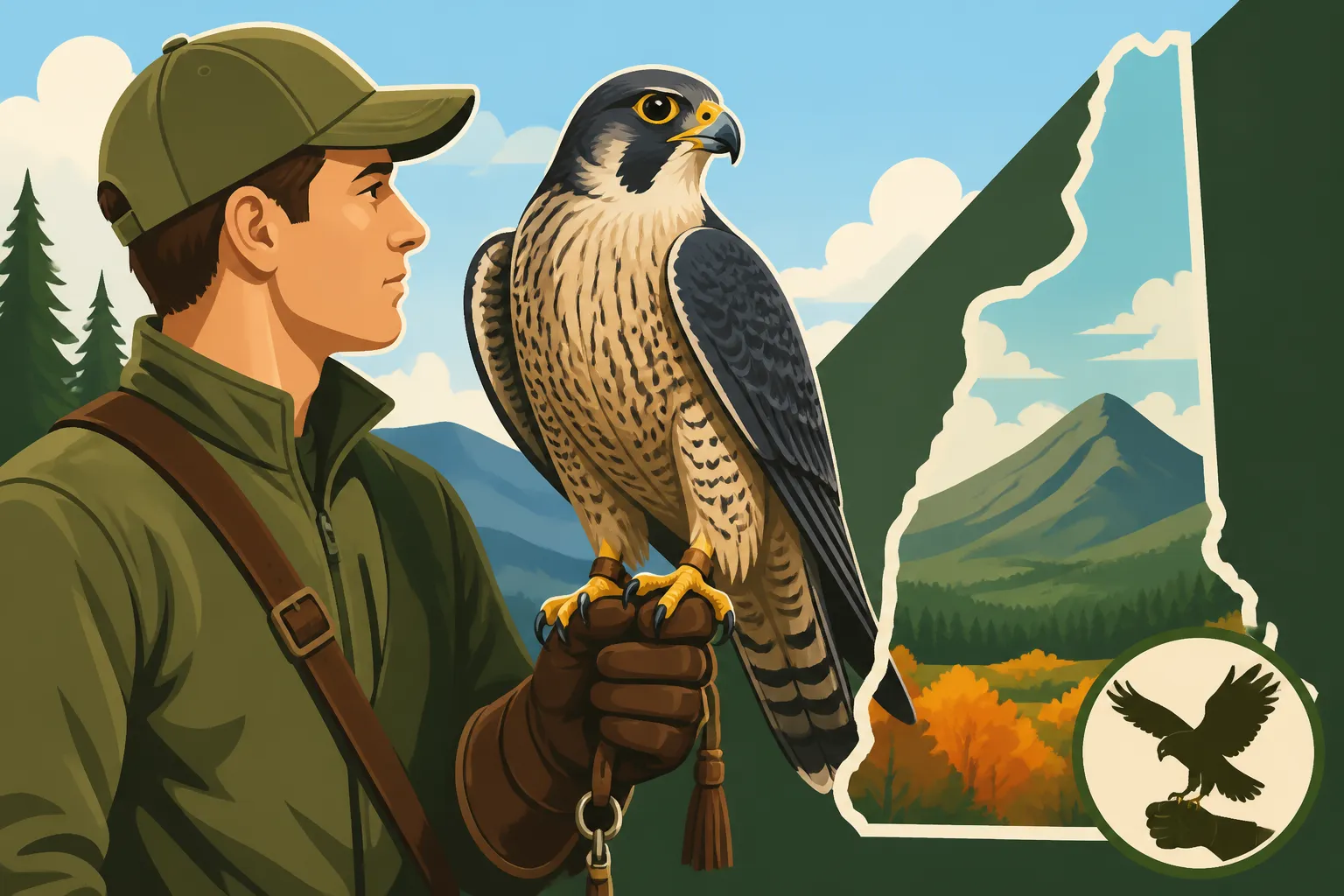
Getting into falconry in New Hampshire is a passion project, not just a hobby, and the sheer volume of regulations can feel overwhelming, making you wonder if you'll ever get started. It's a journey that demands dedication, patience, and a deep understanding of both wildlife and the law. This guide aims to demystify the New Hampshire Falconry License Requirements, walking you through the intricate steps from novice to master, so you can navigate the process with confidence and finally take to the field with your magnificent raptor.
Understanding New Hampshire's Falconry Permit Structure
New Hampshire, like all states, operates under federal guidelines established by the U.S. Fish and Wildlife Service (USFWS) for regulating falconry. This means there's a layered system of permits, each with increasing levels of experience and responsibility. It’s not just about getting a license; it’s about proving a sustained commitment to the welfare of your birds and the practice itself. Many aspiring falconers feel daunted by the initial hurdles, but understanding the progression makes the path much clearer.
The Three Classes of Falconry Permits
The New Hampshire Fish and Game Department issues three distinct classes of falconry permits: Apprentice, General, and Master. Each class has specific prerequisites regarding age, experience, and the species and number of raptors you can possess. Think of it like a tiered system in any skilled trade – you start as an apprentice, gain experience, become a journeyman (general), and eventually achieve mastery. Rushing this process is not an option, as the entire system is designed to ensure responsible and ethical falconry practices.
The Apprentice class is where everyone begins. You must be at least 12 years old, but more importantly, you must have a sponsor. This sponsor is a General or Master Falconer who commits to guiding you through your first two years. This mentorship is absolutely critical, as it provides invaluable hands-on experience and ensures you learn proper bird handling, husbandry, and hunting techniques directly from a seasoned practitioner. Without a sponsor, the journey simply doesn't begin.
After two years as an Apprentice, you can apply for a General Falconer permit. This requires you to be at least 18 years old and have documented two years of active falconry experience, including maintaining, training, and hunting with a raptor. The General permit offers more flexibility in the types of raptors you can possess and the number of birds you can hold at any given time. It signifies a significant step up, indicating you've demonstrated competence and commitment.
The highest level is the Master Falconer permit. This requires a minimum of five years of experience as a General Falconer. Master falconers have the most freedom in terms of species and numbers of birds, and they are also eligible to become sponsors for Apprentice falconers. Achieving Master status is a testament to decades of dedication and a deep, abiding passion for the art of falconry. It's a long-term goal for many, reflecting a lifetime of learning and practice.
Age and Sponsorship Requirements
The age requirements are pretty straightforward: 12 for an Apprentice, 18 for a General, and no additional age minimum for Master beyond the experience requirements. However, the sponsorship element for Apprentices is truly the cornerstone of the entire program. It's not merely a signature on a form; it's a commitment from another falconer to impart knowledge, supervise practices, and ensure the apprentice is ready for the responsibilities involved.
Finding a sponsor can sometimes be a challenge, especially in a state like New Hampshire where the falconry community, while dedicated, isn't as vast as in some larger states. Aspiring apprentices often need to network, attend local falconry club meetings, or even reach out to the New Hampshire Fish and Game Department for guidance. It requires initiative, showing genuine interest, and a willingness to learn from those who have come before you. A good sponsor will meticulously guide you through everything from proper diet and housing to identifying game and ethical hunting practices.
The sponsor's role also includes regular check-ins and evaluations, ensuring the apprentice is progressing responsibly. They're there to help troubleshoot issues, advise on bird health, and ensure compliance with all regulations. It’s a significant time commitment for the sponsor, which underscores the importance of this relationship. Without a dedicated mentor, the complexities of raptor care and training could easily overwhelm a beginner, leading to potential harm for the bird.
The Path to Becoming a Licensed Falconer in New Hampshire
Once you understand the permit structure, the next hurdle is the actual application process. It’s a multi-step journey designed to ensure that only those truly prepared for the commitment are granted a license. This path involves rigorous testing, stringent facility inspections, and a thorough review of your application, making sure you meet both state and federal standards. Many find this process demanding, but it’s essential for the welfare of the raptors and the integrity of the sport.
Passing the Falconry Examination
Before you can even think about acquiring a raptor, you must pass a written examination administered by the New Hampshire Fish and Game Department. This isn't a simple pop quiz; it's a comprehensive test covering a vast array of topics essential for responsible falconry. The exam typically covers raptor identification, biology, natural history, diseases, husbandry, training, equipment, trapping techniques, and relevant state and federal regulations.
To prepare for this exam, you'll need to hit the books hard. Resources like "The Apprentice Study Guide" from the North American Falconers Association (NAFA) or similar materials are invaluable. Websites like GoHunt might offer supplemental information or forums where experienced falconers discuss specific regulations or study tips, although official study materials should be your primary focus. It's not enough to love birds of prey; you need a deep, scientific understanding of them to ensure their health and safety under your care. Expect questions on everything from common raptor ailments to the legal flight Feather limitations for trapping.
A passing score, usually 80% or higher, is required to move forward. If you don't pass, you'll need to study up and retake it, often after a waiting period. This rigorous examination acts as a gatekeeper, ensuring that new falconers possess a foundational knowledge base before they even consider bringing a live raptor into their lives. It's a critical step that weeds out those who aren't truly dedicated to the intellectual demands of the practice.
Facility and Equipment Inspection
After passing the exam and securing a sponsor (for Apprentices), the next critical step is the inspection of your raptor housing facilities and equipment. This is where New Hampshire Fish and Game officials visit your property to ensure that your mews (raptor housing) and weathering yard meet strict federal and state standards. These standards are in place to guarantee the safety, health, and welfare of the bird, which is paramount.
Your mews, for example, must be sufficiently large to allow the raptor to stand upright without touching the ceiling and extend its wings fully in all directions without striking walls or objects. It must be secure from predators, well-ventilated, and have adequate perches. These aren't suggestions; they are non-negotiable requirements. Many new falconers underestimate the initial investment in building or converting appropriate housing. It’s a significant upfront cost, often requiring custom construction to meet specific dimensions and safety features.
The inspection also covers your essential equipment: perches (both indoor and outdoor), scales for precise weight monitoring, jesses, leashes, anklets, swivels, bells, and telemetry equipment. Telemetry, which involves small transmitters attached to the bird for tracking, is particularly important, especially when hunting in dense New Hampshire cover. Losing a raptor is every falconer's nightmare, and proper telemetry can mean the difference between recovery and permanent loss. Investing in quality, reliable equipment is not just a recommendation; it's a necessary part of responsible falconry.
The Application Submission Process
Once you've passed the exam and your facilities have been approved, you can finally submit your official application to the New Hampshire Fish and Game Department. This application will require your personal details, proof of passing the exam, confirmation of your sponsor (if an Apprentice), and documentation of your facility inspection. It's a bureaucratic but necessary step to formalize your entry into the falconry community.
You'll also need to hold a valid New Hampshire hunting license, as falconry is, at its heart, a method of hunting. You can find detailed information on New Hampshire Hunter Education Requirements if you haven't already completed it, which is generally a prerequisite for any hunting license in the state. The application might also require you to attest to your understanding of specific regulations, such as those related to New Hampshire's CWD Prevention Rules or the handling of harvested game, although CWD specifically applies to deer and moose, the principle of disease prevention is broad.
The entire process, from studying for the exam to getting your first permit, can take several months, or even longer if you encounter delays with facility construction or sponsor availability. Patience is key. The New Hampshire Fish and Game Department takes the welfare of wildlife very seriously, and they want to ensure that every licensed falconer is fully prepared for the immense responsibility of caring for a raptor. Don't be afraid to reach out to them directly with questions throughout the process; they are there to help guide you.
Maintaining Your Falconry License and Responsibilities
Obtaining your falconry permit isn't the finish line; it's just the beginning. The ongoing responsibilities of a falconer are substantial, involving annual renewals, meticulous record-keeping, strict adherence to hunting regulations, and continuous education. This continuous engagement ensures that falconers remain current with best practices and regulatory changes, promoting both ethical treatment of raptors and sustainable game populations. It’s a lifestyle, not a seasonal activity.
Annual Renewal and Reporting
Like most specialized licenses, your New Hampshire falconry permit requires annual renewal. This isn't just a matter of sending in a check; it often involves submitting an annual report to the New Hampshire Fish and Game Department. This report typically details your falconry activities over the past year, including information about the raptors you've possessed, any birds you've acquired or disposed of, and your hunting success.
Accurate record-keeping is crucial for these reports. You'll need to document things like the species of your raptor, its band number, when and where you acquired it, and any transfers or releases. This data helps the Fish and Game Department monitor raptor populations and ensure compliance with federal CITES (Convention on International Trade in Endangered Species) regulations. Missing reports or inaccurate information can lead to penalties or even the revocation of your license. Resources like GoHunt can sometimes offer logging tools or record templates that can help falconers keep track of their activities, making the annual reporting process smoother.
Beyond the annual report, any significant changes to your raptor collection (acquiring a new bird, losing one, or releasing one) often require immediate notification to the Fish and Game Department. This rapid reporting system allows wildlife officials to maintain real-time oversight of the state's captive raptor population and respond swiftly if there are concerns about illegal activities or welfare issues. It's a testament to the stringent oversight required for these magnificent birds.
Falconry Hunting Seasons and Regulations
While general hunting seasons are often widely publicized, falconry has its own specific seasons, bag limits, and legal game species. In New Hampshire, falconers primarily target small game species like rabbits, squirrels, and various game birds. You'll need to be intimately familiar with the specific regulations for New Hampshire Small Game and Predator Hunting in New Hampshire, as well as any special falconry-specific rules. It's vital to remember that falconry is a method of hunting, not a separate sport, and therefore falls under the broader hunting regulations.
For example, while the general firearms deer season may run during a particular window, the falconry season for grouse or rabbits might have different start and end dates. It's also important to know what species are off-limits for falconry, such as migratory birds not specifically designated as legal game for falconers by federal regulations. Always double-check the latest New Hampshire Fish and Game hunting digest for current season dates and bag limits before heading afield. The information can sometimes change year to year, so relying on outdated guides is a recipe for trouble.
Beyond seasons, there are also considerations regarding hunting areas. Falconers often seek out specific habitats rich in their target game species. This might mean exploring New Hampshire Wildlife Management Areas or other public lands, or even securing permission to hunt on private property. Understanding Hunting Pressure on New Hampshire Public Land can help you find less disturbed areas where your raptor can hunt effectively without encountering too many people or other disturbances. Ethical hunting practices, including knowing when to release a bird or when a chase is likely to be unproductive, are also part of a falconer's responsibility.
Specific Equipment and Facilities Requirements for Falconry
The detailed requirements for falconry equipment and housing in New Hampshire are not just guidelines; they are strict mandates designed for the health, safety, and psychological well-being of the raptors. Investing in and maintaining these essential items is a significant part of the financial and time commitment involved in falconry. Any lapses in meeting these standards can lead to severe consequences, including forfeiture of your bird or revocation of your license.
Raptor Housing: Mews and Weathering Yards
A raptor’s housing is arguably the most critical component of its care. You need two primary types of facilities: a mews (an indoor enclosure) and a weathering yard (an outdoor enclosure). Both must be built to exacting specifications, reflecting the bird’s natural needs for space, security, and protection from the elements. This isn't just about throwing up a shed; it's about creating a safe haven.
The mews must provide shelter from harsh weather, be secure from predators (think coyotes, foxes, and even raccoons, which are prevalent throughout New Hampshire), and be constructed of materials that won’t injure the bird. The dimensions are key: enough height for the bird to stand erect and enough width and depth for it to fully extend its wings without touching any surface. Good ventilation is also critical to prevent respiratory issues. You'll need appropriate perches inside, often natural branches or specialized artificial perches that promote foot health. Cleanliness is paramount – regular cleaning of the mews is essential to prevent disease and parasites.
The weathering yard, on the other hand, is an outdoor enclosure where the bird can get fresh air, sunlight, and weather naturally. It must also be secure from predators, with sturdy mesh or netting over the top to prevent escape and protect from aerial threats. It needs a protected area from direct sun and wind, and a clean water source for bathing and drinking. Perches in the weathering yard should be varied to allow the bird to exercise its feet and talons. This outdoor space is crucial for the bird's physical and mental well-being, allowing it to experience natural light cycles and environmental stimuli.
| Permit Class | Minimum Age | Experience Required | Sponsor Needed | Number of Raptors | Species Allowed (Examples) |
|---|---|---|---|---|---|
| Apprentice | 12 | None (2 years mentorship) | Yes | 1 | American Kestrel, Red-tailed Hawk |
| General | 18 | 2 years as Apprentice | No | 2-3 (varies) | Broader range, including some falcons, accipiters |
| Master | 5 years as General | 5 years as General | No | 3-5 (varies) | Most species, including eagles (with special permit) |
Essential Falconry Equipment
Beyond the housing, a range of specialized equipment is indispensable for daily care, training, and hunting. Each piece serves a vital purpose in ensuring the bird's safety and your control.
- Jesses and Leashes: Jesses are soft leather straps attached to the bird's legs, allowing a leash to be secured. These are crucial for handling and tethering the bird safely. They must be properly fitted to prevent injury or escape.
- Anklets and Swivels: Anklets are fitted rings around the bird's legs to which jesses are attached. A swivel connects the jesses to the leash, allowing the bird to move freely without tangling.
- Bells: Small bells are often attached to the bird's legs or tail, helping the falconer locate the bird, especially when it's out of sight in dense cover or after a stoop.
- Scales: A precise digital scale is non-negotiable. Falconry relies heavily on weight management; a raptor's hunting drive is directly tied to its condition and weight. Slight changes in weight can indicate health issues or readiness to hunt.
- Telemetry: As mentioned, telemetry units are critical. These tiny transmitters send signals that can be picked up by a receiver, helping falconers locate their birds if they fly out of sight or get lost. Losing a bird is an incredibly painful experience, and telemetry is often the best chance of recovery. Investing in high-quality, reliable telemetry systems, like those offered by Marshall Radio Telemetry, is a wise decision, especially when hunting across varied terrain.
- Perches: Various perches are needed for both the mews and weathering yard, designed to promote foot health and provide comfortable resting spots.
- Gloves (Gauntlet): A thick, leather falconry glove protects the falconer's hand and wrist from the bird's sharp talons. This is essential for safe handling.
Each piece of equipment requires regular inspection and maintenance to ensure it remains safe and functional. Torn jesses, a faulty swivel, or a dead telemetry battery can all lead to serious problems for both bird and falconer. The commitment to falconry extends far beyond the hunt; it encompasses every aspect of the raptor's life, from its housing to the smallest piece of equipment.
Field Use and Raptor Welfare
When you finally take your licensed raptor afield, all the preparation, training, and meticulous care come into play. Falconry is about working in partnership with your bird, not just controlling it. Understanding your bird's behavior, reading the landscape for game, and knowing when to intervene or allow the bird to pursue its natural instincts are skills developed over years.
Always be aware of your surroundings, especially when hunting on public lands. Be respectful of other outdoor enthusiasts and wildlife. Knowing how to Still-Hunting White Mountain National Forest Timber for deer is one skill, but hunting with a raptor introduces another layer of consideration for the bird's safety and effectiveness. You might need to adjust your approach based on wind conditions, the type of cover, and the presence of other predators, including other raptors.
The welfare of your raptor is always the top priority. This means not pushing the bird beyond its limits, understanding its physical condition, and ensuring it’s properly fed and hydrated. If a bird appears stressed, injured, or simply not interested in hunting, it's a falconer's responsibility to recognize that and adjust the plans. This deep connection and constant awareness are what truly define the art of falconry. It's a challenging, rewarding path that requires unwavering dedication to both the sport and the magnificent birds that make it possible.
Disclaimer
The information provided in this guide is for general informational purposes only and does not constitute legal advice. Hunting regulations, license requirements, and wildlife laws are subject to change. Always consult the official New Hampshire Fish and Game Department website and the most current New Hampshire hunting digest for the precise and up-to-date regulations before engaging in any hunting or falconry activities. Strict adherence to all local, state, and federal laws is the responsibility of each individual.