Dragging a Deer Out of a Granite Ravine
New Hampshire granite ravines present brutal recovery challenges when a harvested deer falls into steep rocky terrain and thick alders.
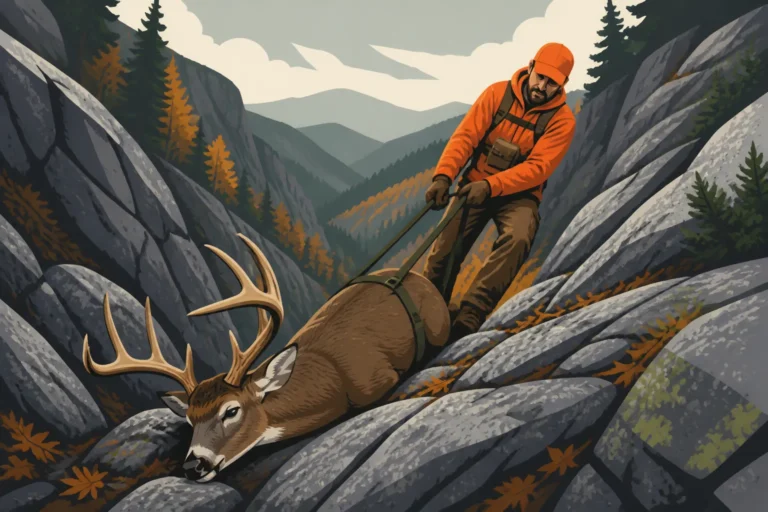
New Hampshire granite ravines present brutal recovery challenges when a harvested deer falls into steep rocky terrain and thick alders.
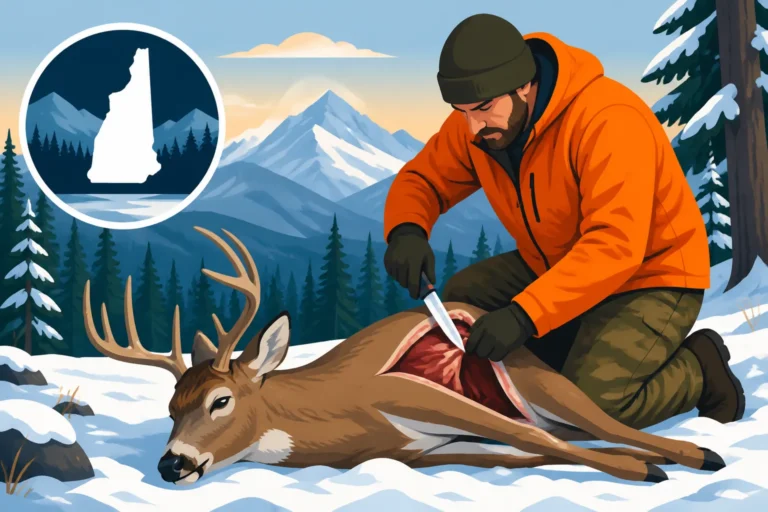
Field dressing a deer in New Hampshire winter conditions removes internal organs to cool the carcass quickly and prevent meat spoilage.
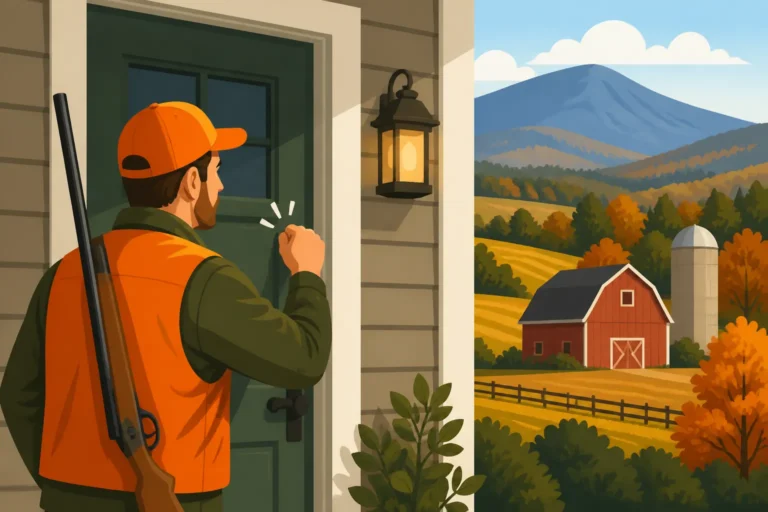
Approaching New Hampshire landowners for private property hunting access involves respecting concerns and explaining deer management needs.
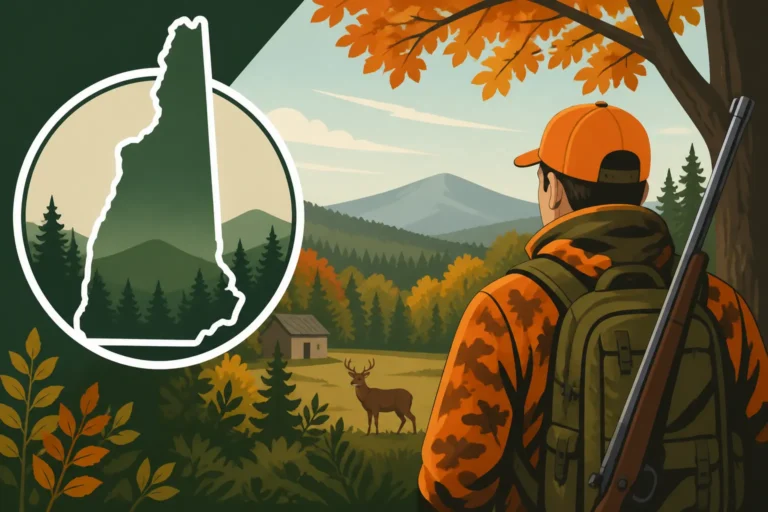
Small private tracts in New Hampshire offer unpressured hunting for deer and turkeys through mapping tools and local permission.
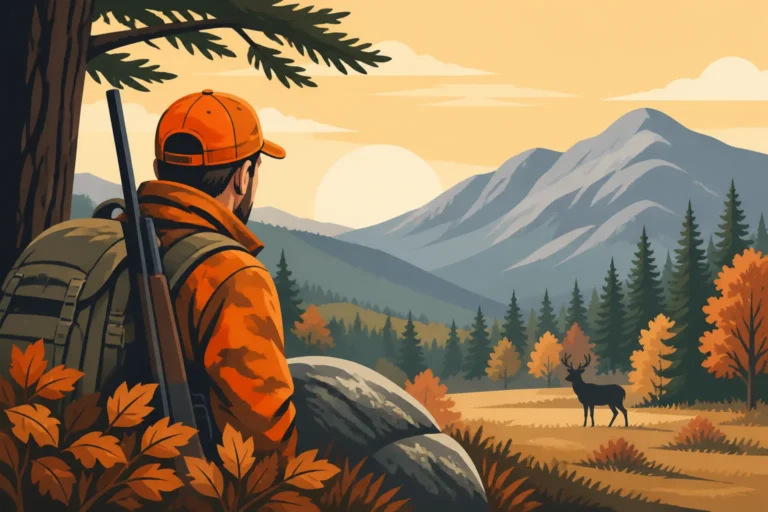
Public land deer hunting strategies explain how hunters bypass crowded New Hampshire parking areas to find hidden unpressured ground.
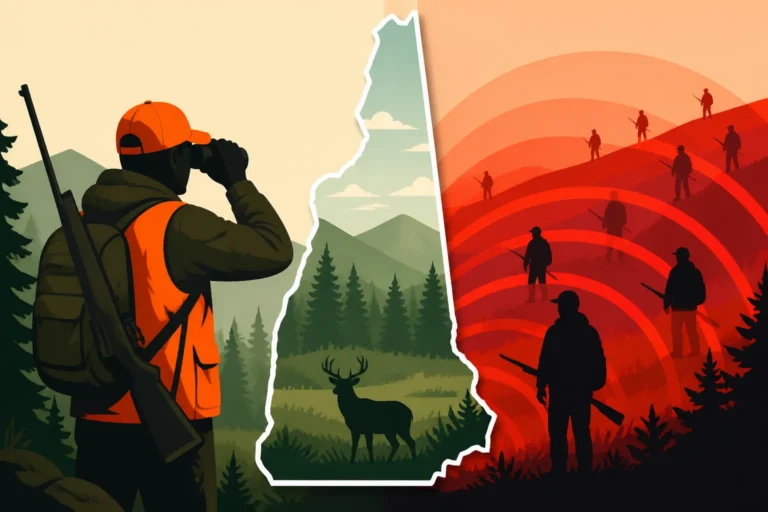
New Hampshire public land hunting pressure affects deer, moose, and turkey behavior and reduces daytime wildlife movement.
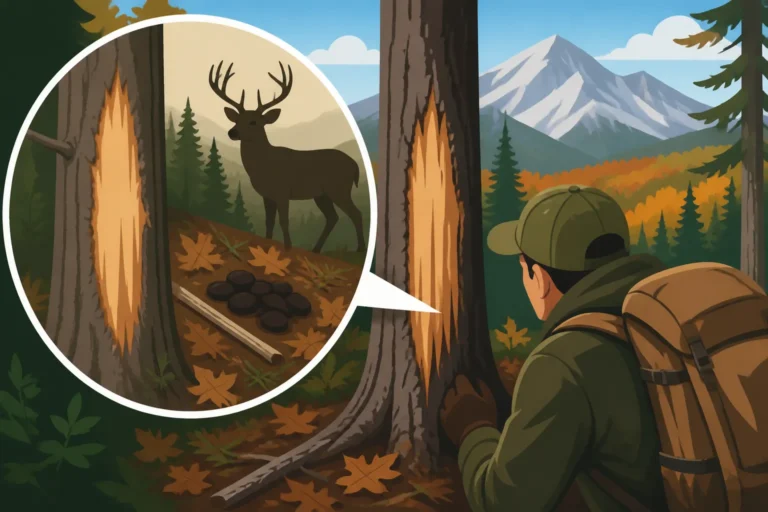
White Mountain timber deer sign techniques help hunters read steep granite ridges and find whitetails across New Hampshire.
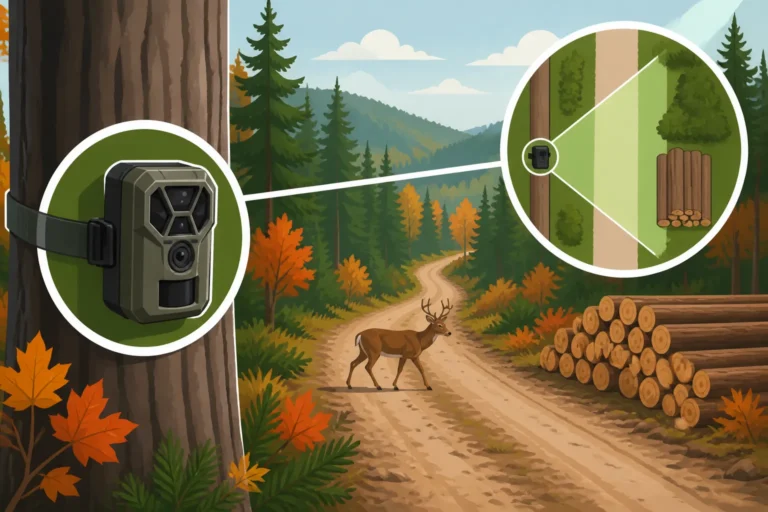
New Hampshire logging roads serve as deer travel corridors, helping hunters place trail cameras to track whitetails effectively.
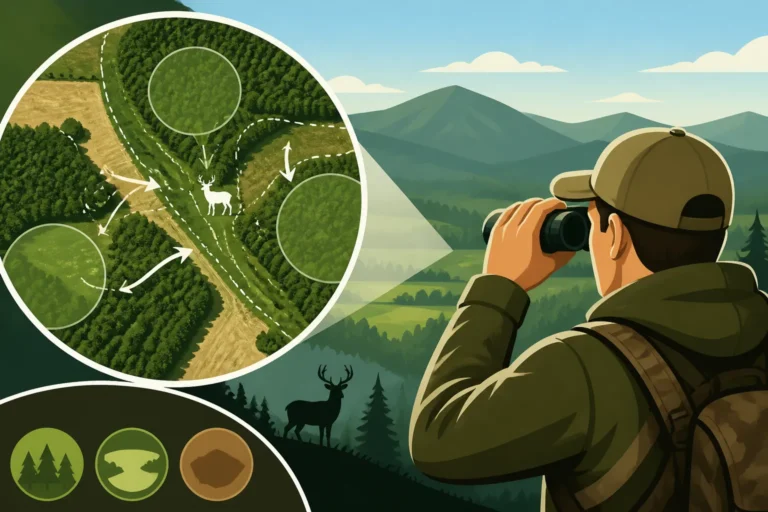
Aerial photography helps New Hampshire hunters identify prime deer habitat and predict movements before scouting on foot.
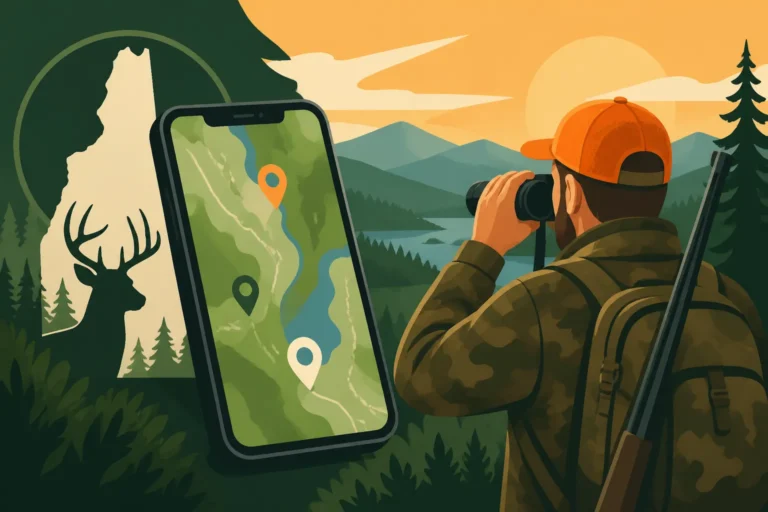
The New Hampshire Fish and Game app details public land boundaries, satellite mapping, regulations, and White Mountain National Forest terrain.