Dog Training on New Hampshire Public Land
It’s a special kind of bond, the one you share with your hunting dog. You’ve invested countless hours, endless patience, and probably a few chewed-up leashes into training your four-legged partner. But then comes the real-world challenge: where do you actually train them? For many New Hampshire hunters, public land seems like the obvious answer, but the rules and etiquette can feel like navigating a thick patch of briars. This guide will walk you through the nuances of training your hunting dog on New Hampshire’s diverse public lands, helping you understand the regulations, choose the right spots, and be a considerate user.
Understanding New Hampshire's Public Land Landscape for Dog Training
New Hampshire offers a fantastic array of public lands, from vast national forests to smaller state-managed areas and even town-owned parcels. Each type of land comes with its own set of rules, and understanding these differences is the first step to a successful and legal dog training session. It’s not just about finding a patch of woods; it’s about finding the right patch of woods, where your training methods align with the landowner's regulations and the expectations of other users.
When you're first starting to think about where to train, it can feel overwhelming. You might have visions of wide-open fields or quiet timber, only to arrive and find "no dogs allowed off-leash" signs or discover it's prime hiking territory on a Saturday morning. The frustration is real, and it’s why preparation is so important. You’re not just training your dog; you’re also training yourself to be a responsible and informed public land user.
Distinguishing Public Land Types and Their Implications
New Hampshire's public lands are not a monolithic entity. They are managed by different agencies, each with specific mandates and regulations. What's allowed in one area might be strictly prohibited in another.
-
White Mountain National Forest (WMNF): This is a huge chunk of real estate, primarily managed for multiple uses including recreation, timber, and wildlife. Generally, dogs are allowed off-leash here, but they must be under voice control, and you need to be mindful of wildlife and other users. Specific areas might have temporary restrictions. While you can find vast tracts to work a pointing dog or run a retriever, remember it’s not exclusively a hunting ground. Hikers, backpackers, and campers are abundant, especially on trails and near popular recreation sites. If you’re planning to head into the high country or deep wilderness areas, you'll want your dog to be truly bombproof on recall. Hunting New Hampshire's White Mountain National Forest provides broader context for using these lands.
-
New Hampshire Wildlife Management Areas (WMAs): These lands are specifically acquired and managed by the New Hampshire Fish and Game Department for wildlife habitat and public hunting, fishing, and trapping. This often makes them ideal for training hunting dogs, as the primary purpose aligns with your goals. However, even within WMAs, there can be specific regulations. Some might have designated training areas, while others might restrict certain activities during specific times of year to protect nesting birds or fawning deer. You'll definitely want to check the specific rules for any WMA before you go. Remember, these are managed lands, and the department works hard to balance all uses. New Hampshire Wildlife Management Areas explains more about these crucial areas.
-
New Hampshire State Forests and Reservations: These are managed by the New Hampshire Department of Natural and Cultural Resources (DNCR). Their rules can vary more widely than WMAs. Some state forests are very open to multi-use, including hunting and dog training, while state parks or reservations might have stricter leash laws or even prohibit hunting activity. Always look up the specific rules for the state forest or reservation you intend to visit. Many of these areas are fantastic, offering diverse habitats suitable for various types of training, but that specific rule check is non-negotiable. New Hampshire State Forests and Reservations details the scope of these lands.
-
Town Forests and Conservation Lands: These are locally managed, and the rules are as varied as the towns themselves. Some towns are very dog-friendly and allow off-leash activities, while others may have strict leash laws or even prohibit hunting. Always consult the town clerk's office or the local conservation commission's website for specific ordinances. These smaller, often overlooked parcels can be hidden gems for training if you do your homework. You might even find Hunting a Town Forest Parcel to be a useful resource for finding these local spots.
Knowing the manager of the land you plan to use is paramount. Ignorance of the rules is not an excuse, and an accidental violation can quickly spoil a training session and potentially lead to fines or conflict with other users. Apps like onX Hunt can be incredibly helpful here, as they often display land ownership boundaries and sometimes even link to land manager regulations, saving you a lot of guesswork before you even leave home.
The Role of Mapping and Scouting for Training Success
Just like you wouldn't head into deer season without scouting, you shouldn't start a dog training session on public land without a plan. This means more than just knowing where public land is; it means understanding its contours, its cover, and its potential for distraction or conflict.
-
Topographic Maps and Aerial Imagery: Tools like
onX Huntor evenGoHuntallow you to virtually scout an area before you ever step foot in it. Look for features that match your training goals. If you're working a retriever, are there ponds or streams with good cover? If you're training a pointing dog, are there brushy areas, old fields, or young timber cuts that might hold grouse or woodcock? Understanding the terrain helps you predict where game might be, or where your dog might get into trouble. -
Identifying Access Points and Parking: Public land isn't always neatly laid out with designated parking. Use your mapping app to find legal parking areas and potential access points. Be mindful of private property boundaries, especially along logging roads or old farm lanes. There's nothing worse than getting to a spot, realizing you can't park, and having to drive around for an hour with an excited dog in the truck.
-
Checking for Overlapping Seasons: Always be aware of hunting seasons for other species. If you're training your bird dog in October, you're going to be sharing the woods with deer hunters. This isn't just about safety for you and your dog (which we'll cover more later); it's about minimizing disturbance to other hunters. You don't want your bell-wearing pointer flushing deer out of someone's stand setup. This is a critical aspect of being a considerate public land user. Scouting New Hampshire Public Land Before Season can give you an edge in understanding seasonal use and planning.
Specific Regulations and Best Practices for Training Dogs
Beyond knowing where you can go, it’s crucial to understand the how. New Hampshire has regulations designed to ensure safety, minimize conflict, and protect wildlife. Adhering to these isn't just about avoiding trouble; it's about fostering a positive image for hunting dog owners and ensuring access to these lands for years to come.
Leash Laws and Voice Control Expectations
This is probably one of the most common points of confusion. While many assume "public land" means "dogs run free," that's not always the case.
-
State-Wide General Rule: The general expectation on most public lands in New Hampshire is that dogs are either on a leash or under immediate and reliable voice control. "Voice control" means your dog will respond instantly to commands like "come," "stay," or "heel," even with distractions. It doesn't mean your dog eventually comes back after sniffing a deer track for five minutes. If your dog isn't truly reliable, keep them on a long lead or a leash.
-
Local Ordinances: As mentioned, town forests and some state parks may have specific leash laws. Always check. A fine for an unleashed dog might seem minor, but it's a hassle you don't need, and it can sour local opinions on dog owners.
-
Respecting Other Users: Even if your dog is under perfect voice control, not everyone appreciates a dog running up to them. Hikers, especially those with small children or who are fearful of dogs, deserve to feel safe and unbothered. If you see other people approaching, it’s always best practice to call your dog close and put them on a leash or step off the trail to let them pass. This small gesture goes a long way in promoting goodwill.
Using Blanks, Training Pistols, and Live Birds
Many forms of dog training involve simulating hunting conditions, which can include the sound of a gun or the scent and flush of a bird. These activities come with their own set of rules and considerations.
-
Firearms Discharge Regulations: Before you even think about firing a blank pistol or a starter gun, you need to understand New Hampshire's regulations regarding discharging firearms on public land. There are often minimum distances from roads, buildings, and occupied dwellings. While blanks aren't loaded with projectiles, the sound can still be startling and perceived as a real shot. Check the current New Hampshire Fish and Game digest for specific setback requirements. This is critical for safety and avoiding alarming other public land users.
-
Releasing Pen-Raised Birds: If you plan to train with live, pen-raised birds (quail, pheasants, pigeons), you absolutely need to check with New Hampshire Fish and Game. Often, a permit is required to release birds for training purposes, especially on WMAs. This is to prevent the introduction of disease, non-native species, or genetic dilution into wild populations. Never just show up and release birds without permission; it could have serious ecological consequences and legal repercussions.
-
Natural Scent Articles: If you're using scent articles for blood trailing practice or scent discrimination, be aware of New Hampshire’s New Hampshire's CWD Prevention Rules. There are restrictions on importing or using certain deer and elk bodily fluids or parts to prevent the spread of Chronic Wasting Disease (CWD). Always use synthetic scents or parts from legally harvested animals within New Hampshire, and ensure you're following all CWD prevention guidelines.
Overlapping Hunting Seasons and Blaze Orange
New Hampshire has a long and varied hunting season, meaning you're likely to encounter other hunters when training your dog, especially during the fall.
-
Blaze Orange for Safety: During any firearms season (and often during archery and muzzleloader seasons, too, for added safety), you and your dog must wear blaze orange. This is non-negotiable for your safety and theirs. Your dog needs to be visible. A blaze orange vest or collar is a must-have. Don't skimp on this. New Hampshire Blaze Orange Requirements detail what you need to know about visibility.
-
Communicating with Other Hunters: If you encounter deer hunters, a friendly wave and a brief explanation of what you're doing (e.g., "Just training my bird dog, passing through!") can often prevent misunderstandings. Be respectful of their space and their hunt. If they're actively hunting a stand or a specific area, move on and find another spot.
-
Minimizing Disturbance: While you have every right to use public land for dog training, the goal is not to disrupt others. Avoid prime hunting areas during peak hunting hours. If you're running a noisy rabbit hound, perhaps choose a time or location where deer hunters are less likely to be, or where you know there are specific rabbit-hunting areas.
| Activity | General Rule on NH Public Land (Varies by Unit) | Key Considerations |
|---|---|---|
| Off-Leash Dog Training | Generally allowed under reliable voice control | Check local ordinances; always have leash handy for control. |
| Use of Blanks/Starters | Requires adherence to firearm discharge setbacks | Be aware of noise; inform others if possible. |
| Releasing Live Birds | Often requires permit from NH Fish & Game | Prevent disease spread; use only permitted species. |
| Scent Work (Deer/Elk) | Strict CWD prevention rules apply | Use synthetic or NH-sourced materials; no imported scents. |
| During Hunting Seasons | Blaze orange required for hunter and dog | Be visible; avoid disrupting other hunters. |
| Waste Management | Pack out all dog waste | Be a responsible user; maintain access for all. |
Choosing the Right Public Land Area for Your Training Needs
Not all public land is created equal when it comes to dog training. What works for a retriever learning marks might be completely unsuitable for a pointing dog working cover. Matching the habitat to your dog's training needs is key to efficient and effective sessions. You're trying to replicate hunting conditions, after all, so thinking like a hunter about game species is a great start.
You've probably spent hours dreaming of those perfect training scenarios, but then you get out there and the reality hits. The cover is too thick, there are too many other people, or the terrain is just impossible. That's why being strategic about your location choice is so vital. It minimizes frustration for both you and your dog and maximizes the learning potential.
Habitat Matching for Specific Game Species
Consider what type of game your dog will be hunting, and seek out public lands that mimic those environments.
-
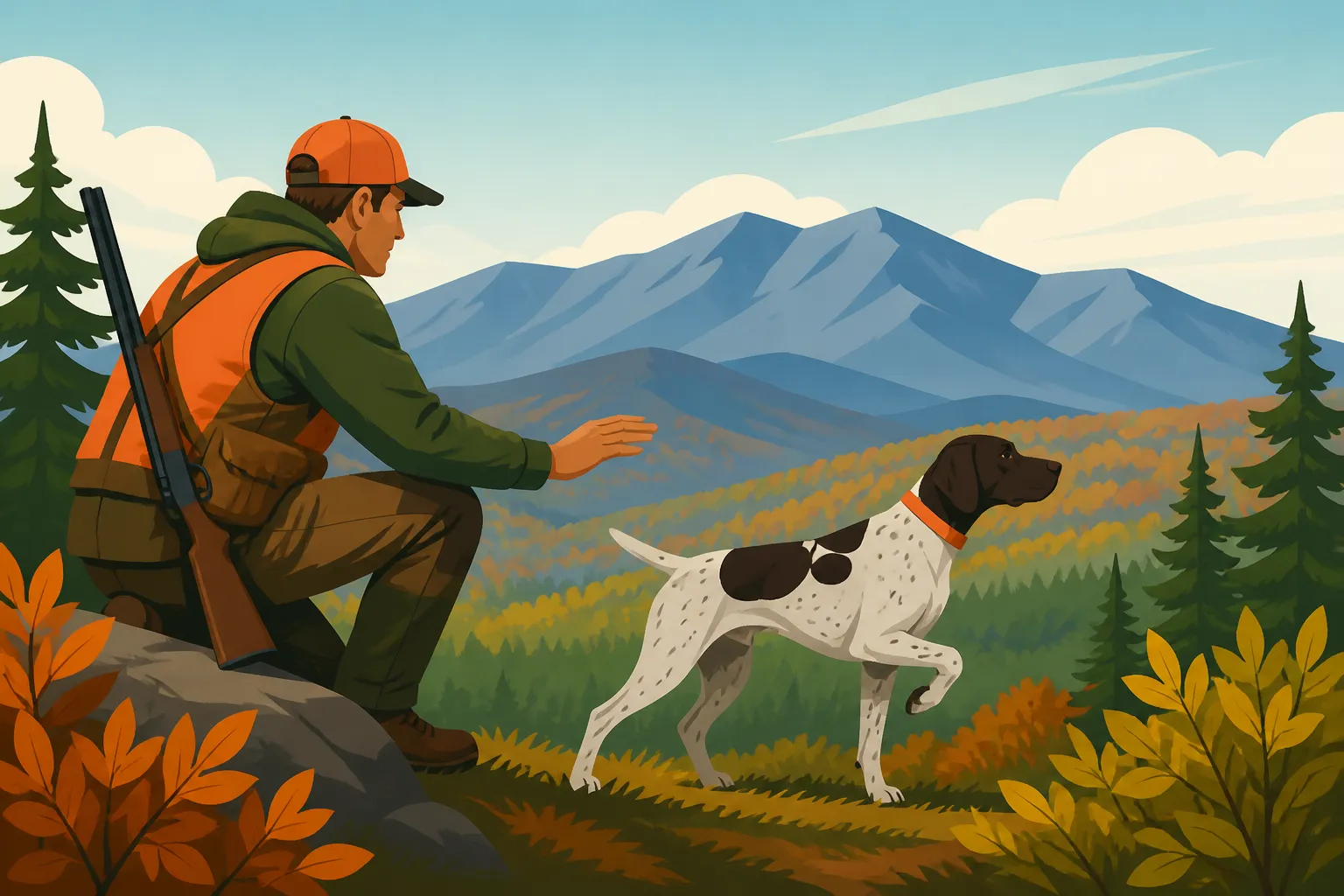
Upland Birds (Grouse, Woodcock): For pointing or flushing dogs, you want diverse cover. Look for early successional habitat – young clear-cuts, old logging roads grown in with brush, alder thickets, or the edges of beaver flowages. These areas often hold wild birds and provide the cover necessary for your dog to learn scenting and pointing behaviors. WMAs specifically managed for forest game are often excellent choices. You might find great spots along areas described in Hunting a Beaver Flowage Edge.
-
Waterfowl (Ducks, Geese): Retrievers need water, naturally. Look for public access points on large rivers (like the Connecticut River) with calm eddies and good bank cover, or ponds and smaller lakes with public boat launches. Some WMAs have managed impoundments that are perfect. Ensure the water is safe, free of strong currents, and deep enough for your dog to retrieve comfortably. Just be mindful of nesting waterfowl or other sensitive species during certain times of year.
-
Small Game (Rabbits, Hare): Beagle and other rabbit hound trainers need thick, brushy areas where rabbits and hare thrive. Old farmsteads, overgrown fields, briar patches, and areas with dense conifer cover are prime. These spots are often found on state forests or lesser-used WMAs. Consider areas where you might also find good hare habitat, as discussed in Snowshoe Hare in New Hampshire.
-
Blood Trailing/Tracking: For trailing dogs, diverse terrain is helpful. Any public land with varied cover, from hardwoods to softwoods, open areas to dense brush, can work. You'll want to choose a spot where you can lay a track without encountering too much human or animal interference, allowing your dog to focus on the specific scent.
Assessing Accessibility, Pressure, and Safety
Once you've identified suitable habitat, think about the practicalities of the location.
-
Accessibility: How easy is it to get there? Is there ample parking? Are there maintained trails or roads, or will you be bushwhacking? For longer training sessions or if you're bringing multiple dogs or equipment, easy access is a big plus. Remember that "public land" doesn't always mean easy access; some of the best spots require a bit of a hike.
-
Hunting Pressure and Other Users: This is a big one. Highly popular public areas, especially those near urban centers, will see a lot more foot traffic from hikers, mountain bikers, and other dog walkers. This can be great for proofing your dog against distractions, but if you're working on fundamental skills or if your dog is easily distracted, a quieter spot is often better. Using apps like
onX Huntcan help you identify less-traveled areas, or at least show you major trail systems where you might encounter people. Hunting Pressure on New Hampshire Public Land can help you predict where you might find crowds. Aim for weekdays or early mornings/late evenings to avoid peak times. -
Safety Considerations:
- Terrain: New Hampshire terrain can be rugged. Be aware of steep slopes, rocky areas, and potential hazards like old logging equipment or barbed wire fences. Ensure the footing is safe for your dog.
- Water Sources: If training in warm weather, know where your dog can get water. Pack extra if natural sources aren't available.
- Wildlife: Be aware of local wildlife, especially during fawning season for deer or when bears are active. While training, you don't want your dog engaging with wild animals. Understanding Where New Hampshire Bucks Bed in Thick Cover could help you avoid prime deer areas if you're worried about disturbing them.
- Cell Service: Many remote public lands in New Hampshire have spotty or no cell service. Be prepared with offline maps (which
GoHuntandonX Huntexcel at) and a way to contact help in an emergency.
Responsible Dog Training and Ethical Considerations
Training your hunting dog on public land isn't just about what you can do, but what you should do. Being a responsible and ethical dog owner and public land user ensures that these precious resources remain open and accessible for future generations of hunters and dog trainers. It's about being a good steward of the land and a respectful member of the outdoor community.
The frustrations of seeing access diminish for hunters or dog trainers often stem from a few bad apples. By consciously practicing responsible behavior, you're doing your part to keep those gates open and foster a positive perception of our outdoor pursuits.
Minimizing Impact and Practicing Leave No Trace
The principles of Leave No Trace apply just as much to dog training as they do to camping or hiking.
- Pack It In, Pack It Out: This is simple: whatever you bring onto public land, you take out. This includes all dog waste. Yes, even in the woods. While it might seem natural for dog waste to decompose, concentrated amounts, especially near trails or water sources, can introduce pathogens and pollute the environment. Always carry waste bags and be prepared to pack out what your dog leaves behind.
- Stay on Trails When Appropriate: While off-trail exploration is part of hunting and dog training, be mindful of sensitive ecosystems. Avoid trampling fragile vegetation or disturbing nesting birds. If you're running a dog that's prone to chasing wildlife, stick to areas where you have better control or during seasons when chasing is less likely to disturb vulnerable animals.
- Leave What You Find: Don't disturb historical sites, cultural artifacts, or natural features. Leave rocks, plants, and other natural objects as you find them. This helps maintain the natural beauty and integrity of the land.
Respecting Other Public Land Users and Wildlife
You're not alone out there. Public lands are shared resources, and showing courtesy to others is paramount.
- Communication is Key: As mentioned, a friendly nod or brief explanation of your activity can often diffuse potential tension with hikers or other recreationists. If your dog is off-leash, call them to your side and step off the trail to let others pass, especially if they have children or other dogs. Not everyone loves dogs, and some people are genuinely afraid. Your responsibility is to ensure your dog doesn't interfere with their experience.
- Be Mindful of Noise: While a bird dog bell or a rabbit hound's baying is part of the experience, be aware of how much noise your training might be creating, especially near established trails, campsites, or residential areas that border public land. Try to choose more remote locations for particularly noisy sessions.
- Protecting Wildlife: Your training should not intentionally harass or harm wild animals. While a bird dog will naturally flush game, and that's part of the training, you want to avoid situations where your dog is repeatedly chasing deer, moose, or other non-game species. Pay attention to signs of wildlife distress or breeding areas, like New Hampshire Deer Wintering Yards Explained, and avoid training in those spots during sensitive times of year. Your goal is to train a disciplined hunting companion, not a free-ranging predator.
Ethical Considerations and Long-Term Access
Every action we take on public land has consequences, both for the environment and for future access.
- Self-Policing: If you see another dog owner or hunter acting irresponsibly, consider a polite, educational approach if you feel safe doing so. Sometimes, people just aren't aware of the rules or the impact of their actions.
- Advocacy: Support organizations that work to maintain and expand public land access and promote responsible dog ownership and hunting. Your local Fish and Game Department is a great resource, and their efforts directly benefit you as a trainer and hunter.
- Leaving a Positive Impression: When non-hunters encounter responsible, courteous dog trainers, it fosters a positive image for all of us. When they see a well-behaved dog and an owner who is mindful of the rules and other people, it builds support for continued access. Conversely, a negative encounter can quickly lead to calls for stricter regulations or outright bans. Your individual actions contribute to the collective reputation of hunting dog enthusiasts in New Hampshire.
By being informed, prepared, and considerate, you can unlock the incredible potential of New Hampshire's public lands for training your hunting dog. It's a journey of learning, for both you and your canine partner, and by embracing responsible practices, you help ensure these opportunities endure.
Disclaimer
This article is for general informational purposes only and does not constitute professional advice. Laws, prices and regulations vary by location and change over time. Consult a qualified professional for guidance on your specific situation.