Bear Hunting New Hampshire’s Bait and Hound Season
Hunting black bear in New Hampshire isn't just a pursuit; for many, it's a cherished annual pilgrimage into the wild heart of the Granite State, often fraught with the unique challenges of dense cover, unpredictable weather, and the sheer elusiveness of these intelligent animals. This comprehensive guide is designed to cut through the confusion and provide you with the deep, practical knowledge you need to navigate New Hampshire's distinct baiting and hound hunting seasons, ensuring you're well-prepared for a successful and ethical hunt.
Understanding New Hampshire's Diverse Bear Hunting Seasons
Bear hunting in New Hampshire offers a fascinating blend of traditional and regulated methods, reflecting the robust and growing black bear population across the state. Unlike deer season, where methods might be more uniform, bear hunting presents distinct opportunities and challenges depending on whether you choose to hunt over bait, with hounds, or via still-hunting/stalking. Knowing the nuances of each season, particularly the bait and hound options, is crucial for any hunter hoping to fill a tag.
General Season Overview and Timing
New Hampshire's bear season dates are carefully structured by the New Hampshire Fish and Game Department, often varying by Wildlife Management Unit (WMU) and the chosen hunting method. This staggered approach helps manage harvest numbers effectively and provides diverse opportunities for hunters throughout the fall. While the archery season might open first for still-hunters, the baiting and hound seasons typically have their own specific windows, ensuring that these specialized methods don't conflict excessively with other hunting types or put undue pressure on the bear population. It's always best to consult the current year's hunting digest for the most up-to-date and precise dates, as they can shift slightly year to year.
Generally, the bear season stretches from early September into October or even early November, with some WMUs having earlier closures. The earlier parts of the season, especially September, are often warmer, meaning proper meat care is paramount, but bears are also actively feeding to put on weight for winter dens. As the season progresses into October, colder temperatures can make field dressing and packing out a bear more manageable, though bear activity might become more concentrated around prime food sources as they prepare for denning.
WMU-Specific Regulations and Closures
One of the most critical aspects of planning your New Hampshire bear hunt is understanding the WMU system. The state is divided into several WMUs, and regulations, including season lengths and specific opening/closing dates for baiting and hound hunting, can differ significantly between them. For instance, some WMUs might have a longer baiting season, while others might have restrictions on hound hunting due to population densities or public land considerations. A great place to start is by checking the hunting digest for your specific WMU's bear season dates.
For a successful hunt, it’s imperative to identify your chosen WMU and thoroughly review its specific rules well in advance. WMUs like those in the North Country often have longer or more liberal seasons dueating to higher bear populations, whereas WMUs closer to more populated areas might have tighter restrictions. Using a mapping platform like GoHunt, which often overlays WMU boundaries, can be incredibly helpful for planning and staying legal in the field. This also helps in understanding areas where certain methods like crossbow hunting might be restricted for deer, which, while not directly related to bear, highlights the importance of WMU-specific rules.
The Art of Bear Baiting in New Hampshire
Bear baiting is a highly effective, albeit labor-intensive, method that requires significant pre-season scouting and consistent effort. It's about creating an irresistible food source that habituates bears to a specific location, drawing them in reliably for a shot opportunity. This method is popular because it allows hunters to observe bears, judge their size, and make a careful, ethical shot. However, it's also heavily regulated to ensure fair chase and public safety.
Legal Requirements and Bait Site Setup
Before you even think about putting out a single morsel, you need to be intimately familiar with New Hampshire's specific regulations for bear baiting. These aren't suggestions; they are strict laws designed to protect both bears and the public. Key regulations include specific start and end dates for baiting, permissible types of bait, minimum distances from roads, dwellings, and water bodies, and requirements for posting signs at your bait site. For instance, bait must be placed within a specific timeframe before the season opens and must be removed by a certain date after the season closes. Most importantly, it is illegal to use certain types of bait, such as meat or fish products that could attract other predators or scavengers, or to leave bait unattended for too long.
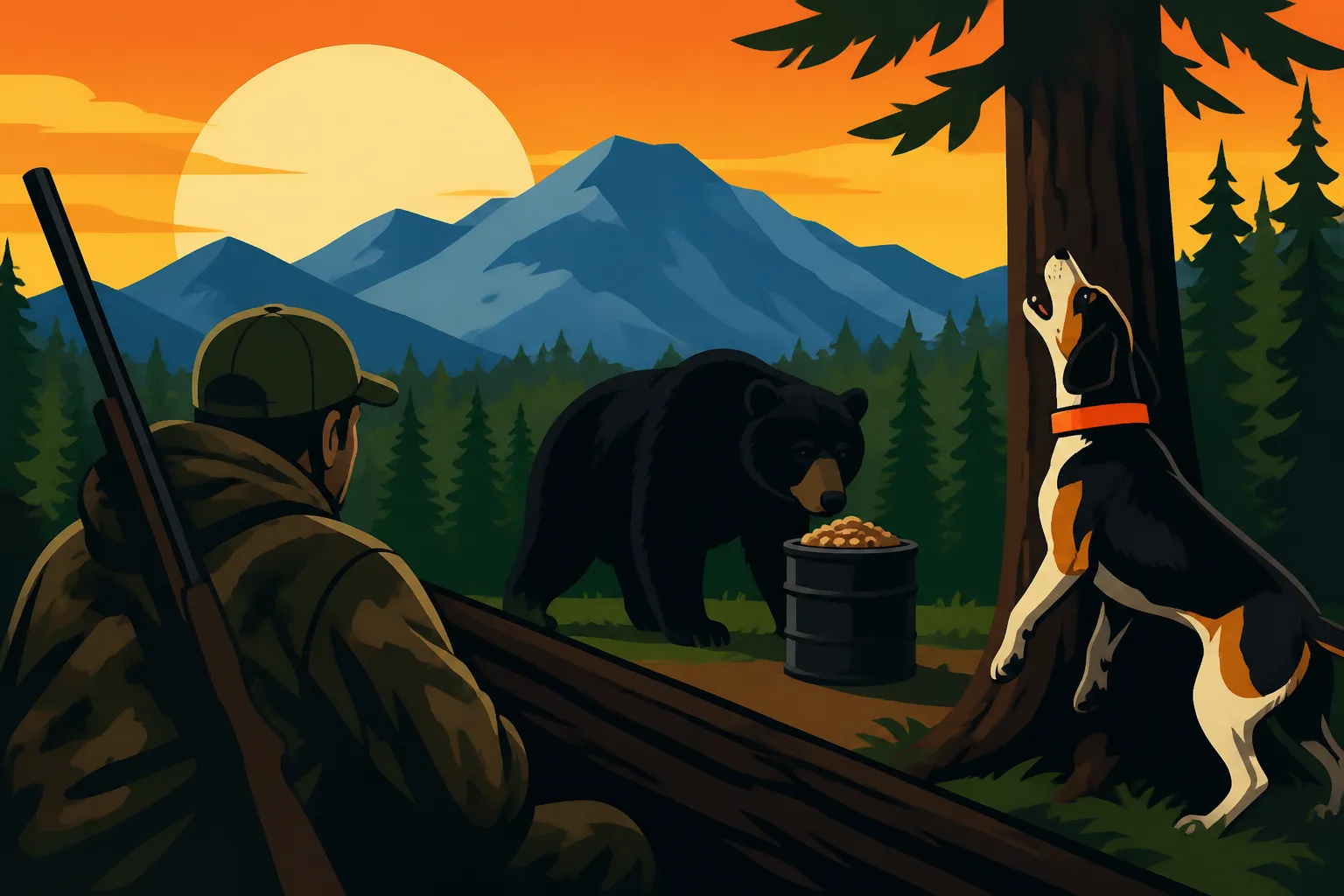
When setting up your bait site, consider remote, thick areas that offer natural cover for bears and provide a clear shot for you. A secure container is essential to prevent rapid consumption by smaller animals and to keep the bait fresh longer. Choosing a bear bait container that can withstand weather and the sheer power of a bear is vital. Many hunters opt for 55-gallon steel drums with chained or bolted lids. Placing your stand downwind of the bait, often within 20-30 yards, is critical for scent control, especially as bears have an incredible sense of smell. Make sure you have a safe, discreet entry and exit route to avoid disturbing the area.
Strategic Baiting Practices and Monitoring
Effective baiting is a marathon, not a sprint. It requires consistent effort and smart strategy. The goal isn't just to dump food; it's to create a pattern of visitation. Start baiting several weeks before the season opens, if regulations allow, to give bears time to find the site and get comfortable feeding there. High-calorie, sweet baits like donuts, pastries, granola, and corn mixtures are often preferred. Check your bait sites regularly – every 2-3 days initially, then tapering to every 3-5 days once bears are consistently hitting it – but minimize your human presence.
This is where trail cameras become indispensable. Deploying the best trail camera for a bait site allows you to monitor activity without being physically present, giving you invaluable data on which bears are visiting, when they're visiting (day vs. night), and their approximate size. A cellular trail camera can be particularly useful in remote areas, saving you trips to check cards. Observing patterns will help you determine the best times to sit your stand and which bears might be worth pursuing. Remember, consistent replenishment is key; if the bait runs out, bears will often move on to other food sources.
| Feature | Pros of Baiting | Cons of Baiting |
|---|---|---|
| Effort | Allows for observation and judgment | Requires significant pre-season and in-season work |
| Cost | Can be expensive for bait and equipment | High initial and ongoing investment |
| Ethics | Allows for selective harvest; ethical shot placement | Some ethical concerns about habituation and "fair chase" |
| Success | High success rates once bears establish a pattern | Dependent on bear activity, competition, and consistency |
| Season | Specific, often earlier, season dates | Limited by specific WMU dates and baiting regulations |
| Regulation | Requires strict adherence to bait type, placement, etc. | Strict rules can be complex and demand careful attention |
Hunting Bear With Hounds in the Granite State
For many, hunting bear with hounds is the ultimate adrenaline-fueled pursuit, a deep tradition rooted in teamwork, skill, and the incredible athleticism of both man and dog. This method is less about waiting and more about actively tracking and pursuing bears through challenging terrain. It's an experience that truly connects you to the wild, but it demands a unique set of skills, equipment, and a deep understanding of canine behavior and the quarry.
The Tradition and Teamwork of Hound Hunting
Bear hunting with hounds in New Hampshire is a time-honored tradition, especially in the more remote regions of the North Country. It's a collaborative effort, often involving a team of experienced hound handlers, dog owners, and hunters. The process typically begins with dogs picking up a bear's scent, either from a fresh track or a known feeding area. Once the scent is found, the chase is on. The dogs pursue the bear, vocalizing loudly, which is known as "baying." This cacophony helps the hunters track the dogs through the woods and serves to keep the bear moving or eventually cause it to "tree" – climbing a tree to escape the dogs.
The teamwork involved is truly remarkable. Handlers listen to the dogs' calls, interpret their actions, and use GPS collars to track their precise location through dense forests and rugged terrain. The hunters follow, navigating challenging landscapes, often miles from any road. It's a physically demanding hunt, requiring stamina and the ability to move quickly and quietly through the woods. The payoff isn't just the harvest, but the deep camaraderie formed within the hunting party and the incredible experience of witnessing highly trained dogs work in their element.
Running Hounds Legally and Ethically
Just like baiting, running hounds on a New Hampshire bear is strictly regulated by the New Hampshire Fish and Game Department to ensure ethical practices and the welfare of both the bears and the dogs. These regulations cover everything from permissible dates and times, to restrictions on dog numbers, and rules about what constitutes a "legal bear" when treed. It's crucial for any hunter participating in a hound hunt to understand these rules, and even more so for the hound handlers who are directly responsible for the dogs' actions and safety. A key aspect is often distinguishing between a lone bear and a sow with cubs, as harvesting a sow with cubs is typically illegal and unethical. Learning how to judge a legal bear from a sow with cubs is paramount.
Ethical considerations extend beyond legal compliance. Responsible hound hunting involves ensuring the dogs are well-trained, conditioned, and cared for. It also means making every effort to make a clean, ethical shot once a bear is treed, and knowing when to call off the chase if conditions aren't right. The focus is on fair chase, minimizing stress on the animal, and respecting the environment. Many hound hunters are deeply committed to conservation, viewing their sport as a way to connect with and manage wildlife populations responsibly.
The Thrill of the Chase and the Final Approach
There's nothing quite like the sound of a pack of hounds hot on a bear's trail, their baying echoing through the New Hampshire timber. This is the heart of hound hunting – the exhilarating chase. Hunters follow, often using GPS units to pinpoint the dogs' location, navigating thick brush, steep hills, and sometimes crossing streams or bogs. The chase can last minutes or hours, covering significant distances. The anticipation builds with every stride, knowing that at any moment, the dogs might "tree" the bear.
Once the dogs have treed the bear, the final approach becomes a delicate operation. The goal is to get close enough for a clean, ethical shot without disturbing the bear or spooking it out of the tree. This often involves careful, quiet maneuvering, sometimes crawling through dense undergrowth. The handler will work to calm the dogs and ensure the hunter has a clear, safe shot. It's a moment of intense focus, where all the effort of the chase culminates in a single, decisive action. The experience is truly immersive, combining physical exertion, mental fortitude, and a deep respect for the animal and the hunting tradition.
Regulations and Ethical Considerations
Beyond the specific methods, bear hunting in New Hampshire carries a broader set of regulations and ethical considerations that every hunter must adhere to. These rules are in place not only to ensure safe and fair hunting but also to maintain the health of the bear population and the public perception of hunting.
Licensing and Permits
Before you even step foot in the woods, you need the proper documentation. This includes a valid New Hampshire hunting license, and often, a specific bear permit or tag. New Hampshire hunting licenses and what they cost vary for residents and non-residents, and there are additional fees for specific game animals like bear. Make sure you purchase all necessary licenses and permits well in advance of your hunt. You might also need to complete specific certifications, such as a hunter education course, if you're a new hunter or haven't met the state's requirements.
It's also essential to be aware of how many bear tags you can possess. In New Hampshire, typically only one bear can be harvested per hunter per season. Double-check the current year's digest for any changes or special regulations regarding multiple tags if offered. Carrying proof of your license and permits, either physically or digitally on an app, is legally required when hunting.
CWD Prevention and Carcass Movement
New Hampshire has a robust program to prevent the introduction and spread of Chronic Wasting Disease (CWD), a fatal neurological disease affecting deer and moose, but also a concern for other cervids. While bears are not susceptible to CWD, the regulations are designed to protect the state's deer herd, which impacts all hunters. Specifically, New Hampshire's CWD prevention rules prohibit bringing certain high-risk parts of deer, moose, elk, or caribou carcasses from other states where CWD has been detected. This includes brain, spinal cord, and other nerve tissues.
While bear hunters don't directly deal with CWD in bears, it's crucial to be aware of these carcass import restrictions if you hunt other species or assist friends with their deer or moose harvests. The goal is to keep New Hampshire's deer herd CWD-free, and every hunter plays a role in that. Always check the latest regulations on carcass movement, especially if you're traveling from another state or hunting in an area near a border where CWD might be present.
Scouting and Pre-Season Preparation
Successful bear hunting, whether over bait or with hounds, doesn't start on opening day. It begins weeks, sometimes months, before the season with dedicated scouting and preparation. Understanding bear behavior, habitat, and movement patterns is key to putting yourself in the right place at the right time.
Reading Bear Sign and Habitat
Black bears are creatures of habit, often frequenting areas with reliable food sources and dense cover. When scouting, you're looking for "sign" – physical evidence of their presence. This includes tracks (their large, five-toed paw prints are distinctive), scat (often containing berries, nuts, or insect parts), rub trees (where bears scratch and bite to mark territory), and overturned rocks or logs (indicating they've been foraging for insects). You might also find claw marks on trees where they've climbed to get to nuts or berries.
Focus your scouting efforts on areas rich in natural food sources: oak ridges for acorns, beech trees for beechnuts, or swamps and lowlands with berry bushes like blueberries, raspberries, and blackberries. Clear-cuts and regenerating timber can also be excellent, providing thick cover and browse. Scouting with the New Hampshire Fish and Game App can help you identify public lands, topography, and potential habitat features. Pay attention to water sources, as bears need regular access to water, especially in warmer early season periods. A platform like GoHunt can further enhance your scouting by showing land ownership and topo maps.
Strategic Trail Camera Deployment
Trail cameras are an invaluable tool for pre-season scouting, especially for bear hunters. They allow you to gather intel on animal movement and behavior without constant human presence, which can spook wary bears. When placing cameras, think about travel corridors, natural funnels between food and bedding areas, and of course, around your bait sites. For general scouting, a good spot is a well-used game trail, a choke point in the terrain, or near a concentrated food source.
Ensure your cameras are well-concealed to prevent theft and minimize disturbance. Angle them to capture the animal's path, and clear any brush that might trigger false positives. For bait sites, place cameras facing the bait, but far enough away that the bear isn't startled by the flash or sound. Remember to check your cameras strategically, perhaps once a week, to get enough data without leaving too much scent. This data will help you understand bear activity patterns, identify specific bears, and inform your hunting strategy for both bait and hound seasons.
Gear and Logistics for a Successful Hunt
Regardless of whether you're sitting patiently over bait or sprinting after hounds, having the right gear is non-negotiable for a New Hampshire bear hunt. The terrain can be rugged, the weather unpredictable, and the task of field dressing and extracting a large animal demanding. Proper planning and equipment can make the difference between a memorable hunt and a miserable one.
Essential Clothing and Footwear
New Hampshire's early fall weather can be notoriously fickle. You might start your day in crisp, cool air only to find temperatures soaring by midday, or a warm morning could quickly turn into a chilly, rainy afternoon. Layering for New Hampshire's cold hunting season is absolutely critical. Start with a moisture-wicking base layer to manage sweat, add an insulating mid-layer for warmth (like fleece or wool), and top it with a waterproof and windproof outer shell. Choose quiet fabrics that won't rustle loudly in the woods, especially when making your approach to a bait site or treed bear.
Footwear is arguably the most important piece of gear. You'll be covering challenging terrain, from rocky climbs to marshy lowlands. You need boots that offer excellent ankle support, are waterproof, and provide good traction. For those chasing hounds, lightweight yet durable boots that can handle miles of hiking are essential. For bait hunters, insulated boots are a good choice for long, static sits in cooler temperatures. Consider options like a sturdy pair of Schnee's or Kenetrek boots, known for their durability and performance in rugged environments. Gaiters can also be a game-changer for keeping debris and water out of your boots, especially when hunting a beaver flowage edge or navigating dense, dewy brush.
Weapons, Optics, and Field Gear
For bear hunting in New Hampshire, you'll need a reliable firearm or archery setup capable of cleanly harvesting a large animal. Rifles and calibers for New Hampshire big game often include popular choices like .30-06, .308, .270, or larger calibers. Whatever you choose, ensure you are proficient with it and have practiced extensively to make an ethical shot under pressure. Muzzleloaders are also legal during specific seasons, and choosing a muzzleloader for the ten-day season requires careful consideration of accuracy and reliability in potentially wet conditions. For archery hunters, a strong bow with sufficient draw weight and a well-tuned setup for broadhead flight is critical.
Optics are essential for glassing a North Country bog or evaluating a bear at a bait site. A good pair of binoculars, perhaps 8×42 or 10×42, will help you pick apart dense cover. If you plan on taking longer shots, a rangefinder is indispensable. Other essential field gear includes a sturdy hunting pack, a sharp knife for field dressing, game bags to protect the meat, a reliable headlamp for pre-dawn or post-dusk movements, and a first aid kit. For hound hunters, a reliable GPS unit or a mapping app like GoHunt with offline capabilities is crucial for tracking dogs and navigating unfamiliar territory.
Post-Harvest Protocol and Reporting
Congratulations! You've successfully harvested a New Hampshire black bear. But the hunt isn't truly over until the animal is properly cared for and legally reported. This final phase is just as important as the hunt itself, ensuring ethical responsibility and compliance with state regulations.
Field Dressing and Meat Care
Black bears are large animals, and proper field dressing is paramount, especially if temperatures are warm. The goal is to cool the carcass as quickly as possible to preserve the meat. Begin by gutting the bear promptly, removing all internal organs. If possible, quarter the bear in the field to make extraction easier and to facilitate faster cooling. Learning how to field dress a moose in the North Country might seem like overkill, but the principles of efficient field dressing and meat management are very similar for any large game animal.
Getting the meat out of the woods and into proper cold storage quickly is critical. This might involve packing it out on your back, using a game cart, or even an ATV if legal and accessible. Once back at camp or home, skin the bear, clean any remaining blood, and keep the meat cool – ideally at 35-40 degrees Fahrenheit. If you plan to get a skull or hide mounted, ensure you properly care for those as well, referring to a taxidermist's recommendations for field care. Remember to save specific parts required for biological samples if requested by Fish and Game.
Reporting Your Bear Harvest
Registering your New Hampshire deer online or in person is a well-known requirement, and bear harvests are no different. It is a legal obligation to report your bear within a specific timeframe, usually within 12 or 24 hours of harvest. This process helps the New Hampshire Fish and Game Department collect vital data on harvest numbers, population health, and management effectiveness. You might be required to register your bear at a designated check station or through an online portal or app, depending on the current regulations.
Be prepared to provide details such as the date and WMU of harvest, the method used (bait or hounds), and potentially biological samples like a tooth for aging the bear. This information is critical for wildlife biologists to monitor the bear population and make informed management decisions for future seasons. Failing to report your harvest is a serious violation and undermines the collective effort to manage New Hampshire's wildlife responsibly.
Challenges and Rewards of Bear Hunting in NH
Bear hunting in New Hampshire offers a unique set of challenges and immense rewards that go beyond just filling a tag. It's a test of patience, skill, and physical endurance, and it fosters a deep connection to the wild landscapes of the Granite State.
Navigating Rugged Terrain and Wildlife Density
New Hampshire's diverse landscape, from the dense hardwoods of the southern tier to the rugged, remote White Mountain National Forest, presents significant challenges for bear hunters. The terrain can be steep and unforgiving, particularly in areas like the White Mountains, where still-hunting white mountain national forest timber can be a grueling affair. Thick spruce and fir thickets offer excellent bear cover but make tracking and visibility difficult. Hunting a granite ridge saddle or a beaver flowage edge often involves navigating challenging topography and wet ground.
While New Hampshire's bear population has grown significantly, they are still wild animals that can be incredibly elusive. Unlike deer, which might be seen more frequently, bears are often more solitary and prefer to avoid human contact. Their intelligence and keen senses of smell and hearing make them formidable quarry, requiring hunters to be exceptionally stealthy, patient, and observant. Understanding their movements and preferred habitats, like those found in the North Country, is paramount.
The Deep Satisfaction of a Successful Bear Hunt
Despite the challenges, the rewards of a successful New Hampshire bear hunt are profound. There's the satisfaction of meticulously planning a bait site and watching a bear finally commit, or the thrill of hearing the hounds closing in after a long chase. Beyond the harvest itself, it's the experience of being immersed in the wilderness, testing your skills against one of North America's most impressive game animals.
The meat from a black bear is also a highly prized reward, providing lean, delicious table fare that many hunters savor. Whether it's the camaraderie of a hound hunting team, the quiet solitude of a bait stand, or the sheer joy of overcoming the wilderness, bear hunting in New Hampshire offers an unparalleled connection to the wild. It’s a true test of a hunter's dedication and resilience, culminating in a memory that lasts a lifetime.
Disclaimer
Please be aware that hunting regulations, including season dates, bag limits, and licensing requirements, can change annually. Always consult the official New Hampshire Fish and Game Department website or the most current hunting digest for the most accurate and up-to-date information before planning your hunt. This guide is for informational purposes only and does not supersede state laws or regulations.