Do You Need Written Permission in New Hampshire?
There’s a common pitfall many hunters, new and seasoned alike, stumble into when they're eyeing a promising patch of woods in the Granite State: the murky waters of land access. It’s a frustrating scenario to find a perfect funnel or a gorgeous oak stand, only to freeze, wondering, "Can I actually hunt here?" This guide is here to clear up that confusion, specifically addressing whether you truly need written permission to hunt in New Hampshire and how to navigate private land access with confidence and respect.
Understanding New Hampshire's Land Access Laws
Navigating land access in New Hampshire can feel like trying to track a wily old buck through fresh snow – you think you know where you're going, but one wrong turn can get you into trouble. The key thing to understand is that our state’s laws regarding trespass and hunting permission aren’t always as cut-and-dried as some folks assume, which leads to a lot of headaches and missed opportunities for ethical hunters.
When Written Permission is Explicitly Required
Let's cut right to the chase: while New Hampshire is often seen as a state with generally open access to unposted land, there are crucial situations where written permission isn't just a good idea, it's absolutely non-negotiable for hunters. The most significant one is when land is "posted." If a landowner has taken the time and effort to clearly mark their property with "No Hunting," "No Trespassing," or similar signs, or has marked it with specific paint colors, then entering that land for hunting purposes without their explicit written consent is trespassing, plain and simple.
This isn't just a friendly suggestion; it's the law. Imagine you’ve been scouting a fantastic piece of woods all summer, found some killer buck sign, only to discover it’s newly posted a week before archery season opens. It’s a gut-wrenching feeling, but those signs mean business. Even if you’ve hunted there for years without issue, new posting changes everything. Always double-check property boundaries and signs, especially if you’re venturing onto land you haven’t visited in a while.
Another instance where written permission is a must-have is if you're engaging in certain activities, like driving an ATV off-trail or placing a permanent tree stand. Even on land where you think you have verbal permission, these types of activities often require a more formal agreement to protect both you and the landowner. It’s about clear communication and mutual respect.
The Nuance of "Implied" Permission and Unposted Land
Now, this is where it gets a little trickier and often leads to confusion. Historically, New Hampshire has operated under a general "open lands" policy, meaning that if private land is not posted, public recreational use, including hunting, is generally permitted. This is what many folks refer to as "implied permission." You don’t need to knock on every door for every unposted woodlot you pass.
However, "implied permission" is a fragile thing. It can be revoked verbally at any time. A landowner doesn't need to have signs up everywhere to tell you to leave; a simple request is enough. And frankly, relying on implied permission can lead to uncomfortable confrontations. You might be deep in the woods, enjoying a quiet morning Still-Hunting White Mountain National Forest Timber, only to be approached by a landowner who doesn't appreciate your presence, even if the land isn't technically posted. While legally you might be in the clear if it's unposted, the stress and potential animosity can ruin a hunt and sour landowner relations for everyone.
Think of it this way: just because you can technically walk onto unposted land doesn't always mean you should without making an effort to connect. Being a responsible hunter means respecting private property, posted or not, and understanding that implied permission is a privilege, not a right.
What Constitutes "Posted" Land in New Hampshire
To clarify the rules around posted land, New Hampshire Fish and Game has specific guidelines about what makes a property officially "posted" and therefore off-limits without permission. This isn't just about sticking up a piece of paper; there are legal requirements for proper posting.
According to New Hampshire law, land is considered "posted" if signs are displayed conspicuously at all vehicular access points and at all usual points of access to the land, such as along stone walls, fencelines, or trails. These signs must include specific language like "No Trespassing," "No Hunting," or "No Fishing," and they must be readily visible. Alternatively, boundary lines can be marked with a durable paint or blaze of a color specified by law, placed at certain intervals.
This means a single, faded sign stuck on a tree a quarter-mile into the woods probably doesn't legally post an entire property. However, a series of clear, well-maintained signs or paint marks along the boundary certainly does. New Hampshire Posted Land Rules covers this in more detail, but the main takeaway is: if you see signs, assume it's posted and respect that. Always err on the side of caution. Even if the posting isn't technically perfect, approaching the landowner is always the safest and most respectful route.
The Undeniable Benefits of Securing Written Permission
Even with New Hampshire's "open lands" tradition, I can't stress this enough: getting written permission for private land hunting is always the superior choice. It might seem like an extra step, but the peace of mind and the long-term benefits far outweigh any perceived hassle. It’s about being a good ambassador for hunting and ensuring your time afield is worry-free.
Avoiding Misunderstandings and Uncomfortable Conflicts
Imagine you're tucked into a quiet treestand, the woods are still, and you're just starting to feel that deer activity pick up. Then, a property owner drives up, looking confused or even angry, demanding to know what you're doing there. Even if the land isn't technically posted, and you're within your rights under implied consent, that confrontation is going to ruin your hunt, and frankly, it's just plain uncomfortable for everyone involved.
Written permission eliminates this entirely. You have a tangible document that clearly states you are allowed to be there, for what purpose, and during what timeframe. It acts as a shield against misunderstandings. Not all landowners know the nuances of New Hampshire's trespass laws, and some may simply not want hunters on their land, even if unposted. Having that piece of paper means you can politely and confidently explain your presence, rather than getting into a debate about legal technicalities. It de-escalates situations before they even begin, allowing you to focus on the hunt, not the potential for conflict.
Providing Legal Protection and Proof in Disputes
This is perhaps the most critical reason for getting written permission. Let's say you're hunting unposted land, and the landowner's neighbor, or even a family member, decides to confront you. Without anything in writing, it can quickly become a "he said, she said" situation. What if the landowner changes their mind after the fact, or even sells the property to someone with different views on hunting? Verbal permission is incredibly hard to prove if there's ever a legal dispute.
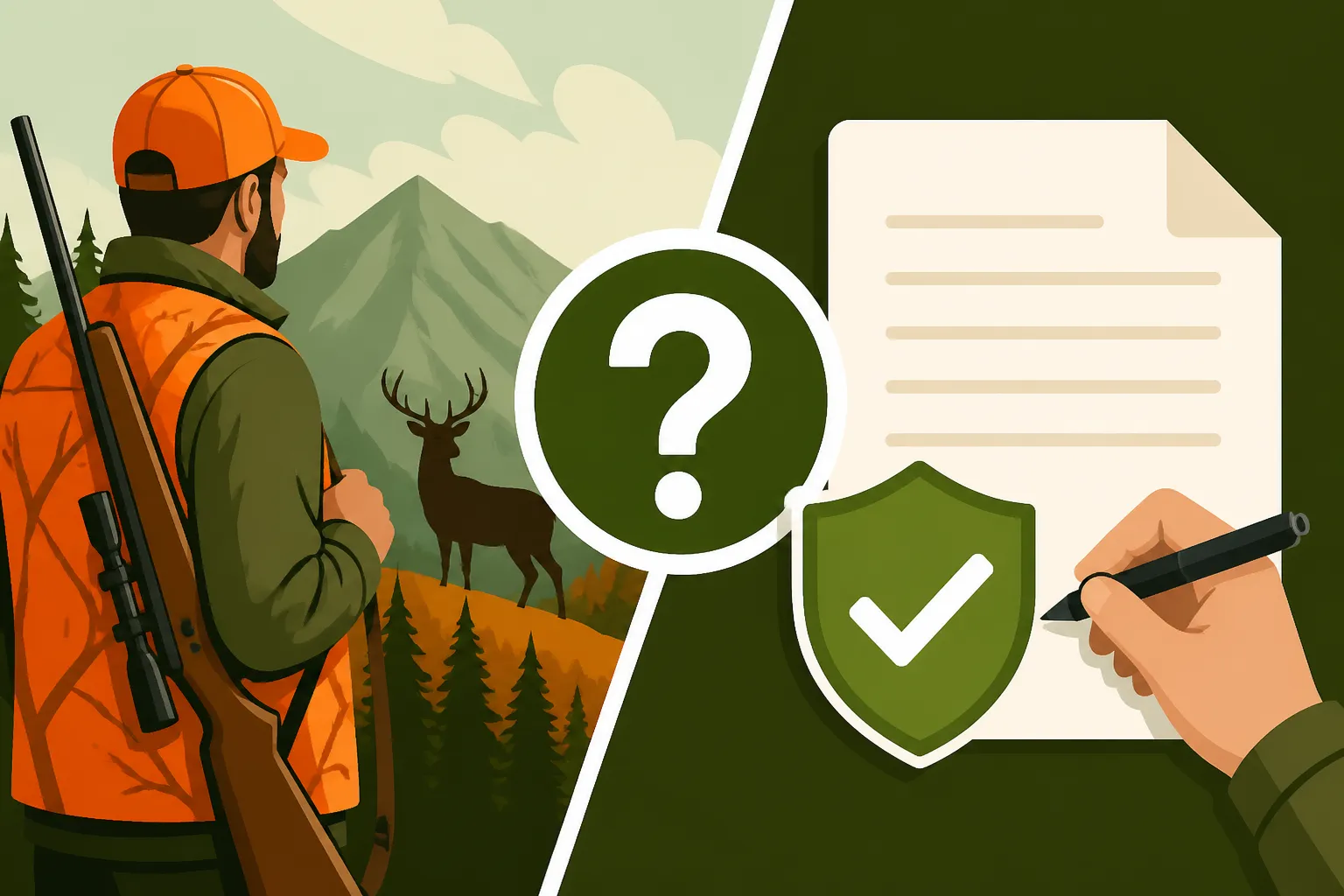
Written permission, however, is a solid legal document. It clearly outlines the terms of your access, the dates it's valid, and any specific areas or activities allowed. This protects you from potential accusations of trespassing or property damage. It also protects the landowner by setting clear boundaries and expectations. If a dispute arises, having that signed document provides undeniable proof of your authorized presence. It's like carrying an insurance policy for your hunt, ensuring that a fantastic day afield doesn't turn into a legal headache.
Building Lasting Landowner Relationships and Future Access
Hunting access is a privilege, and securing written permission is a powerful way to demonstrate respect and responsibility. When you take the initiative to formalize your access, it shows the landowner that you are serious about ethical hunting, that you respect their property rights, and that you are committed to being a good steward. This act of respect can be the foundation for a long and fruitful relationship.
Many of us know the struggle of Hunting Small Private Tracts in New Hampshire, and good relationships are gold. A landowner who trusts you is far more likely to grant permission year after year, or even extend it to other family members or friends you hunt with. They might even call you when they see a big buck on their property! This trust can open doors to more hunting opportunities, not just for you, but for other hunters who follow your example. It creates a positive reputation for the hunting community as a whole, rather than reinforcing negative stereotypes. Asking a New Hampshire Landowner for Permission the right way is the first step.
How to Successfully Secure Written Permission
Alright, so you’re convinced written permission is the way to go. But how do you actually get it? It's not always as simple as knocking on a door and asking, "Can I hunt here?" There’s an art to it, and approaching the process with respect, preparedness, and clear communication can make all the difference.
Approaching Landowners Respectfully and Effectively
First impressions are everything when you're Knocking on Doors in New Hampshire Farm Country. Don't just show up in full camo, covered in scent killer, five minutes before sunrise on opening day. That's a surefire way to get a "no." Instead, choose a non-hunting time of year – late winter, spring, or summer are ideal. Dress neatly, present yourself as a responsible adult, and be polite.
Start by introducing yourself, explaining why you're interested in their property (e.g., "I've noticed some great deer sign on the edge of your woods, and I'm a passionate deer hunter"), and immediately state your respect for their property. Offer to help with chores, pick up trash, or even share some venison if you're successful. Be prepared for a "no," and accept it graciously without argument. Thank them for their time regardless. If they seem hesitant, offer to walk the property lines with them to show you understand the boundaries. Emphasize safety and ethical hunting practices. Sometimes, a "no" today can become a "yes" next year if you've left a positive impression.
What to Include in a Written Permission Agreement
Once a landowner agrees, even tentatively, to let you hunt, the next step is to put it in writing. This doesn't need to be a complex legal document drawn up by a lawyer. A simple, clear agreement on a single sheet of paper is usually sufficient. Here are the key elements you should always include:
| Element | Description |
|---|---|
| Landowner's Info | Full name, address, and contact information. |
| Hunter's Info | Full name, address, hunting license number, and contact information. |
| Property Details | Clear description of the land, including approximate acreage, specific boundaries (e.g., "North of Elm Street, East of the old stone wall"), and town where it's located. |
| Permitted Activities | Specify what you're allowed to do (e.g., "hunting white-tailed deer," "bowhunting only," "small game hunting"). |
| Dates of Access | Clearly state the validity period (e.g., "September 15th to December 15th," or "for the duration of the 2024 deer season"). |
| Specific Conditions | Any rules the landowner has (e.g., "no vehicle access," "stay X feet from the house," "call before you hunt," "no permanent stands"). |
| Liability Waiver | A statement acknowledging that the landowner is not liable for accidents or injuries while on their property. This is a big one for landowners! |
| Signatures & Date | Signatures of both the landowner and the hunter, with the date signed. |
Make two copies: one for you and one for the landowner. It shows you're serious about the agreement and respect their property.
Utilizing Mapping Tools for Property Identification
Before you even approach a landowner, you need to know who owns the land you're interested in. This is where modern technology really shines. Forget driving around trying to read faded assessor maps at the town hall; we've got much better tools now.
Digital mapping applications like onX Hunt or GoHunt are invaluable for this. These apps allow you to see property boundaries overlayed on aerial or topographic maps, showing you right down to the parcel line who owns what. You can often tap on a parcel and get the landowner's name and sometimes even contact information, or at least enough to find it through public records. This means you can pinpoint exactly the property you're interested in and address your request to the correct individual. onX Layers for New Hampshire Land Status is a game-changer for understanding public vs. private land.
Being able to reference specific property lines and parcel numbers not only helps you identify the correct landowner but also demonstrates your diligence and seriousness when you finally make contact. It also helps you stay on the right side of the fence once you're out there, ensuring you're not accidentally straying onto neighboring land. Finding New Hampshire Property Lines is a crucial step in responsible hunting.
Common Scenarios and Misconceptions About Private Land Hunting
Even with a clear understanding of the rules, there are still some tricky situations and common misconceptions that pop up for New Hampshire hunters. Let's tackle a few of them head-on.
Retrieving Game from Private Land
This is one of the most stressful scenarios a hunter can face: you make a good shot, the deer runs, and you watch it disappear onto posted or private land where you don't have permission. What do you do? In New Hampshire, the law states that you do need landowner permission to retrieve wounded or dead game from private property. Even if you have a valid tag and made an ethical shot, crossing that property line without consent is still trespassing.
This can be incredibly frustrating, especially if the landowner is difficult to reach or uncooperative. The best practice here is to immediately contact the landowner and explain the situation calmly. Be prepared to show them where the deer ran, and offer to let them accompany you. If you can't reach the landowner, or if they deny access, you should immediately contact the New Hampshire Fish and Game Department. Do not, under any circumstances, just cross that line without permission, as you could face trespassing charges and potentially lose your game and your hunting privileges. It's a tough pill to swallow, but respecting the law and private property is paramount. Retrieving Game From Private Land in New Hampshire is a specific challenge many hunters face.
Hunting Adjacent to Posted or Restricted Land
Another common question is about hunting right on the edge of posted or private land. Can you sit on public land and shoot an animal that is on private land, provided it falls on your side? Or vice-versa? The answer generally involves understanding the concept of "trespass of projectile." While New Hampshire law specifically deals with projectile trespass in relation to dwellings and occupied buildings, the spirit of respecting property lines extends to where your bullet or arrow travels.
Ethically and legally, it's always best to ensure your shot will both originate and terminate on land where you have legal hunting access. If you shoot a deer that is clearly on private, posted land from public land, and that deer drops dead right there, you still have the problem of retrieving it. The safest course of action is to only take shots at animals that are clearly on property where you have explicit permission to hunt and retrieve. This avoids any ambiguity, potential conflicts, and legal complications with projectile trespass. Always be mindful of your surroundings and the direction of your shot, especially near property lines, which you can easily identify using mapping apps. Reading New Hampshire Public Land Boundary Signs is crucial here.
The Special Case of New Hampshire Landowner Deer Permits
New Hampshire has a unique system that allows resident landowners, or their immediate family members, to obtain special permits to harvest a deer on their own property, even if they wouldn't normally qualify for an "any-deer" tag in certain WMUs. This permit is often referred to as a "landowner permit" or "deer damage permit" in some contexts.
This system is designed to help landowners manage deer populations on their property, particularly if deer are causing damage to crops or landscaping. However, it's important to understand that this permit is specifically for the landowner or their immediate family. It does not automatically grant general hunting rights to others on that property, nor does it affect the need for permission for non-landowners. If you are a hunter looking to gain access to private land, the landowner permit system doesn't directly apply to you, but it's a good example of how our state recognizes and supports landowner rights regarding wildlife management. For more on this, check out New Hampshire Landowner Deer Permit Rules.
In conclusion, while New Hampshire might have a reputation for being an "open state," when it comes to private land hunting, the smart, respectful, and legally sound choice is always to seek out and secure written permission. It benefits everyone involved and ensures a much more enjoyable and ethical hunting experience.
Disclaimer
This article is for general informational purposes only and does not constitute professional advice. Laws, prices and regulations vary by location and change over time. Consult a qualified professional for guidance on your specific situation.