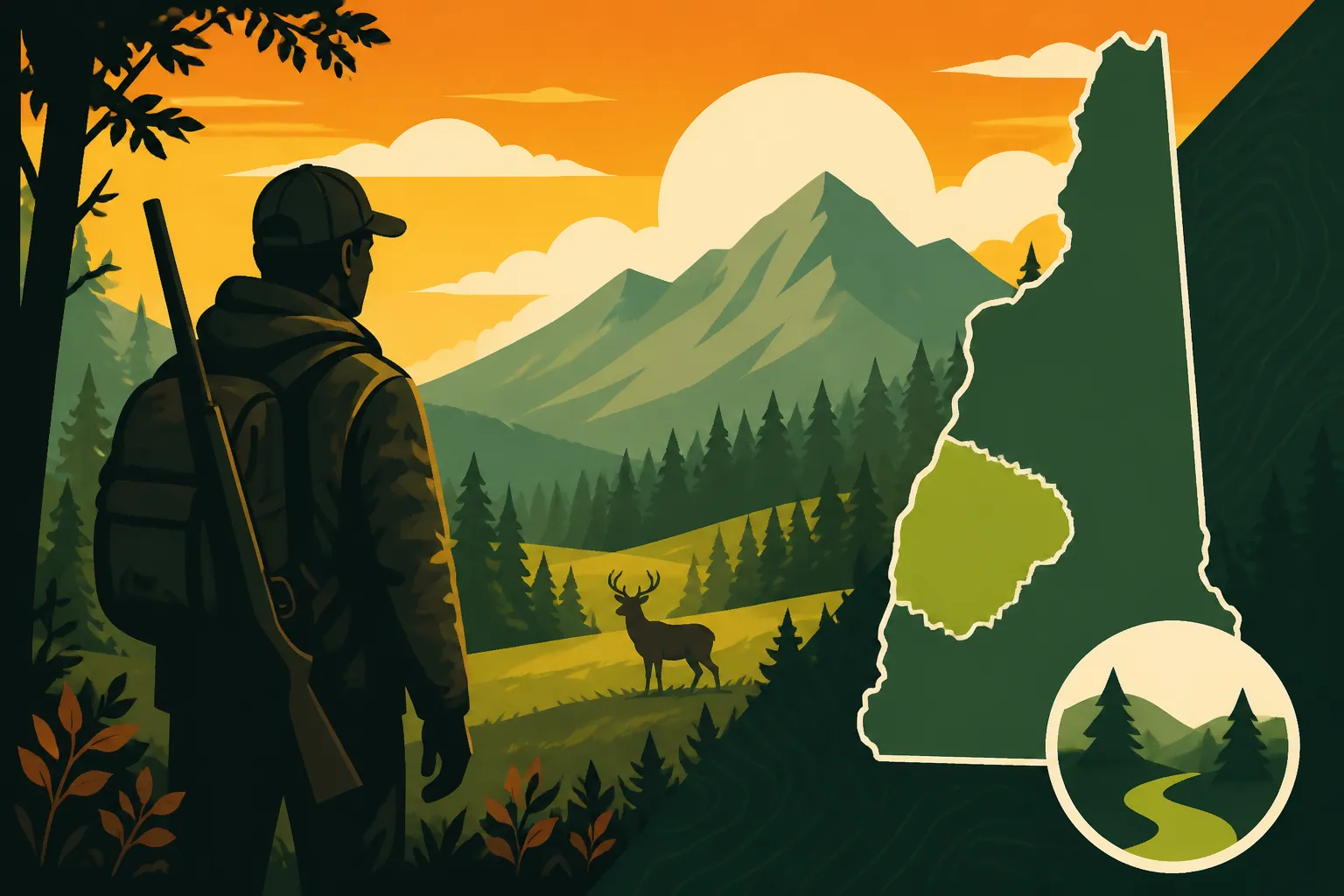
Sullivan County Public Land Access
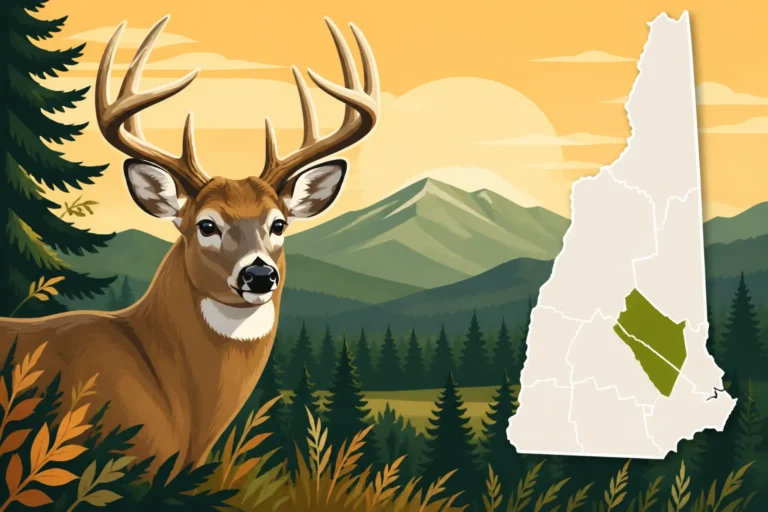
Finding public land to hunt in New Hampshire can sometimes feel like an uphill battle, especially when you're looking for new spots beyond the usual stomping grounds. In a place like Sullivan County, where beautiful scenery meets a mix of private parcels and smaller public holdings, knowing where you can legally and ethically chase game is absolutely key. This guide is all about shedding light on those often-overlooked public land access points in Sullivan County, helping you spend less time searching and more time in the woods.
Understanding Public Land Opportunities in Sullivan County
Sullivan County might not boast the vast, sprawling tracts of contiguous public land you find in the far North Country, but don't let that discourage you. It offers a unique mosaic of hunting opportunities, often requiring a bit more homework and boots-on-the-ground scouting to uncover its hidden gems. The landscape here is diverse, from the rich river bottoms along the Connecticut River on the western border to the rolling, forested hills and scattered wetlands further east. This variety means you can find different types of habitat and, consequently, different species to pursue.
The Lay of the Land: What to Expect
When you're looking at public land in Sullivan County, you'll encounter a mix. We're talking about state forests, designated Wildlife Management Areas (WMAs), and sometimes smaller town-owned parcels. Unlike areas further north, these blocks of public land tend to be smaller and more fragmented, often interspersed with private property. This isn't necessarily a bad thing, but it does mean your approach needs to be strategic. You'll need to pay close attention to boundary lines, understand the specific rules for each type of land, and be prepared for potentially higher hunting pressure in easily accessible spots.
The terrain itself can be quite varied. You'll find mature hardwoods on the slopes, mixed softwood stands in lower elevations, and pockets of dense undergrowth perfect for deer bedding. The river valleys offer different opportunities, especially for waterfowl and some small game, while the higher elevations around places like Mount Sunapee or Pillsbury State Park provide more rugged, big-woods hunting experiences. It's truly a diverse playground if you're willing to explore beyond the obvious.
General Rules and Regulations on Public Land
Hunting on any public land in New Hampshire, including in Sullivan County, requires a solid understanding of the state's hunting laws and regulations. The New Hampshire Fish and Game Department's Hunting Digest is your bible, and you should consult it annually, as rules can occasionally change. Common regulations include specific season dates for different species, bag limits, and legal methods of take.
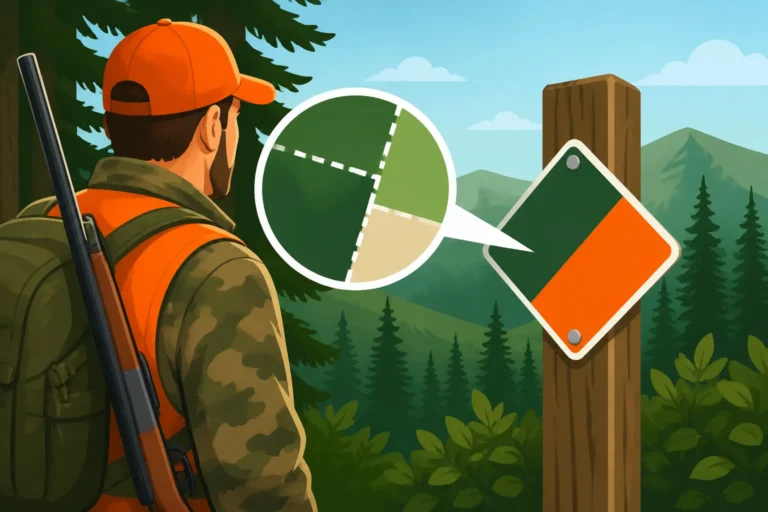
A critical rule to always remember is the blaze orange requirement during certain seasons. For instance, during the firearms deer season, wearing blaze orange is not just a suggestion, it's the law. How Much Blaze Orange New Hampshire Requires This is for your safety and the safety of others. Additionally, regulations often cover specifics like vehicle access – many public lands, especially WMAs, are walk-in only beyond designated parking areas. When it comes to setting up a stand, there are rules about temporary vs. permanent stands and when they need to be removed. Always double-check Treestand Rules on New Hampshire Public Land before you hang anything. Respecting these rules isn't just about avoiding a ticket; it's about being a responsible hunter and ensuring these lands remain open for future generations.
Navigating Specific Public Land Areas: State Forests and Wildlife Management Areas
Now, let's get down to the brass tacks of where you can actually stretch your legs and hunt in Sullivan County. While the county might not have massive National Forests, it does have a solid network of state forests and Wildlife Management Areas that are managed for wildlife and public recreation, including hunting. These are your primary go-to spots.
State Forests in Sullivan County
State forests, unlike state parks, are generally managed for a broader range of uses including timber production, recreation, and wildlife habitat, often making them excellent hunting grounds. In Sullivan County, one significant area that crosses into its borders is Pillsbury State Park and Forest. While parts of it are designated as a state park with specific recreation rules, the larger surrounding state forest lands offer substantial hunting opportunities.
These areas typically feature extensive trail systems (which can be both a blessing for access and a curse for human traffic), diverse timber stands, and a mix of elevation changes. You'll often find white-tailed deer, turkeys, and various small game like squirrels and grouse in these habitats. Access usually involves designated parking lots, often along state routes or well-maintained dirt roads. Always look for signage, and remember that even within a state forest, specific areas might be closed to hunting for safety or management reasons. These aren't pristine wilderness, so expect signs of timber harvest, which can actually create fantastic new growth and edge habitat for deer and other species.
Wildlife Management Areas (WMAs) in Sullivan County
Wildlife Management Areas are specifically acquired and managed by the New Hampshire Fish and Game Department with wildlife habitat and public recreation, particularly hunting and trapping, as primary goals. These areas are truly invaluable for hunters. In Sullivan County, you can find several WMAs that provide excellent hunting grounds.
Bog Brook WMA in the town of Unity is a prime example. This area includes a mix of wetlands, forest, and open fields, offering diverse habitat for deer, turkeys, and often good opportunities for waterfowl and small game. WMAs like Bog Brook are typically managed with a focus on improving habitat for specific game species, so you might find food plots, specific timber management practices, or wetland restoration efforts. Another notable area is the Cold River WMA in Acworth and Langdon, which also offers a mix of habitats.
Access to WMAs is often "walk-in" only beyond a main parking area, meaning no motorized vehicles are allowed further in. This can be great for those willing to put in the effort, as it often means less pressure deeper within the property. Always consult the Fish and Game website or the hunting digest for specific WMA rules, as they can sometimes have unique regulations. How New Hampshire WMAs Are Managed is a good resource to understand the philosophy behind these important public lands. These are critical areas where wildlife populations are actively supported, offering some of the best hunting experiences in the county.
Town Forests and Other Local Lands
Beyond the state-managed lands, some towns in Sullivan County might own parcels of land designated as "town forests" or other conservation lands. These can be incredible resources, but they come with a big caveat: rules vary wildly from one town to the next. Some town forests enthusiastically welcome hunting, while others explicitly prohibit it or restrict it to certain seasons or methods.
Your best bet here is to be proactive. If you identify a town forest on a map, reach out directly to the town clerk or the town's conservation commission. A simple phone call or email can save you a wasted trip and ensure you're hunting legally. Don't assume just because it's "public" that hunting is allowed. These parcels can often be smaller, closer to residential areas, or have heavy recreational use, all factors that influence whether hunting is permitted. While they might require more legwork to confirm access, these smaller, less-known parcels can sometimes offer fantastic, low-pressure hunting simply because most hunters overlook them.
Leveraging Technology for Sullivan County Public Land Access
In today's world, hunting smarter often means hunting with the right tools. Gone are the days when paper maps and a compass were your only guides. While those traditional skills are still invaluable, modern technology has revolutionized how we find and navigate public land, especially in a county like Sullivan where property lines can be intricate.
Digital Mapping for Unlocking Access
This is where powerful mapping applications truly shine. Tools like onX Hunt and GoHunt have become indispensable for countless hunters, and they are particularly useful in a fragmented landscape like Sullivan County. These apps allow you to:
- Overlay Public/Private Land Boundaries: This is arguably their most critical feature. With a quick glance at your phone, you can see exactly where public land ends and private land begins. This eliminates the guesswork and stress of accidentally trespassing, especially when you're working an edge or trying to retrieve game.
- Identify Landowner Names: For adjacent private parcels, these apps often provide landowner names. This feature is a game-changer if you're looking to ask for permission to hunt a small private woodlot that might be a prime deer bedding area or funnel. Knowing the owner's name before you knock on their door can make all the difference.
- Access Detailed Topographic Maps and Aerial Imagery: Understanding the terrain is crucial for successful hunting. These apps provide high-resolution satellite imagery and topographic overlays, allowing you to identify subtle elevation changes, natural funnels, potential bedding areas, and water sources from your couch. Combine this with real-time GPS tracking of your own movements, and you've got a powerful scouting and navigation tool in your pocket.
- Mark Waypoints and Track Routes: As you scout, you can mark potential stand locations, rub lines, scrapes, water sources, or trails directly on your map. You can also save your exact route, which is incredibly helpful for finding your way back to your truck in the dark or returning to a promising area.
These digital mapping tools are an investment, but for hunters navigating the complex land ownership patterns in places like Sullivan County, they offer peace of mind and significantly boost your chances of finding productive hunting spots without worrying about boundaries.
New Hampshire Fish and Game Resources
Don't forget the official resources from the New Hampshire Fish and Game Department. Their website is a treasure trove of information, offering detailed maps of WMAs, links to official regulations, and even harvest data that can give you an idea of deer density and success rates in different regions. The New Hampshire Fish and Game App is another excellent resource. Scouting With the New Hampshire Fish and Game App it can provide official boundaries and relevant information even when you're out of cell service, assuming you've downloaded the maps beforehand.
Understanding the specific Wildlife Management Unit (WMU) you're in is also vital, as regulations like antlerless permits can vary by WMU. Sullivan County primarily falls within WMU G, with parts extending into H1 and H2. Knowing your WMU helps you understand the general deer population trends and specific regulations for that area. Southwest Hill Country Sits Inside WMU G and Hunting the WMU H1 Farmland are great places to start your research if you're in those areas.
Scouting and E-Scouting in Sullivan County
E-scouting with these digital tools allows you to identify key terrain features that often attract deer and other game. Look for saddles between ridges, pinch points where cover narrows, natural funnels created by topography or impenetrable thickets, and access to water sources. Hunting a Ridge-Top Saddle for Rutting Bucks is a classic tactic that can be identified via satellite imagery.
Once you've done your digital homework, the next crucial step is putting boots on the ground. Nothing beats physically walking the terrain, confirming what you saw on the map, and finding fresh sign. Look for rub lines, scrape lines, fresh tracks, and bedding areas. E-scouting helps you narrow down where to focus your efforts, making your actual scouting trips more efficient and productive.
Respecting the Land and Your Fellow Hunters
Hunting on public land is a privilege, not a right. Because you're sharing the outdoors with a diverse group of users—hikers, bird watchers, mountain bikers, and other hunters—it's essential to practice good outdoor etiquette and respect for both the land and your fellow citizens. This isn't just about being polite; it's about ensuring public land remains open and accessible for everyone, especially hunters.
Ethical Hunting Practices on Public Ground
The core of ethical hunting on public land boils down to responsible behavior and adherence to the law. Always pack out everything you pack in – and if you can, even pick up a piece of trash left by someone else. Leaving no trace is paramount. This includes proper disposal of gut piles, which should be done away from trails and water sources.
Being mindful of other users is also critical. If you see hikers or other recreationists, give them a wide berth. Make your presence known, but don't disrupt their experience. Safety is non-negotiable, and understanding firearm safety rules, especially concerning discharge setbacks from roads, dwellings, and occupied buildings, is vital. New Hampshire Firearms Discharge Setback Rules ensures you're maintaining a safe distance from areas where people might be present. In the unfortunate event that you witness illegal activity, such as poaching or littering, it's your responsibility to report it to the proper authorities. Reporting a Poacher in New Hampshire helps protect our resources and uphold the integrity of hunting.
Parking, Access, and Minimizing Impact
When you head out to public land, always pay attention to parking regulations. Park only in designated areas, ensure you're not blocking gates, private driveways, or access roads, and avoid parking on vegetation or in a way that creates a hazard for other drivers. A poorly parked vehicle can quickly lead to public land closures or negative perceptions of hunters.
Consider your impact on the environment. Stick to established trails or game trails where possible, especially when the ground is soft, to prevent erosion. When retrieving game, try to do so with minimal disturbance to the area. If you're successful and need to Field Dressing a Deer in Cold Weather, choose a location that respects aesthetics and doesn't impede others. The goal is to leave the area as good as, or better than, you found it, ensuring these precious public lands remain healthy and accessible for all.
Sullivan County Public Land Overview
Here's a quick overview of what you might encounter when seeking public land hunting opportunities in Sullivan County:
| Public Land Type | Description & Primary Use | Typical Access & Rules | Hunting Opportunities (General) |
|---|---|---|---|
| State Forests | Managed for timber, recreation, habitat, often multi-use. | Designated parking, usually accessible by vehicle to certain points, multi-use trails, general NH F&G regulations. | White-tailed Deer, Wild Turkey, Small Game (squirrel, grouse, hare), some Furbearers. |
| Wildlife Management Areas (WMAs) | Primarily dedicated to wildlife habitat and public hunting/trapping. | Often walk-in access beyond main parking, specific habitat management plans, WMA-specific rules apply. | Excellent for Deer, Turkey, Waterfowl (if wetlands present), Small Game, Furbearers. |
| Town Forests/Conservation Land | Varies greatly by town; managed for local recreation, conservation, sometimes timber. | Crucially, check with the individual town office for specific hunting permissions and rules. Access can be limited. | Highly variable; can include Deer, Turkey, Small Game if permitted. Often smaller parcels. |
| Private Land with Permission | Privately owned land where you have secured explicit permission from the landowner to hunt. | Requires direct communication and agreement with landowner. Always respect their specific wishes and boundaries. | Can offer less pressure and specific target species. Often the best way to access prime habitat. |
Always remember that public land hunting in Sullivan County requires diligence and respectful conduct. While it may take a bit more effort to scout and understand the specific rules of each parcel, the rewards of harvesting game in the beautiful New Hampshire woods are well worth it. Be safe, be ethical, and enjoy your time outdoors.
Disclaimer
This article is for general informational purposes only and does not constitute professional advice. Laws, prices and regulations vary by location and change over time. Consult a qualified professional for guidance on your specific situation.