Hunting a Utility Corridor Right-of-Way
Finding good hunting spots in New Hampshire can sometimes feel like an endless quest, especially when prime private land is locked down, and public areas seem to be brimming with other hunters. But what if I told you there are often overlooked arteries of land, crisscrossing our beautiful state, that hold immense potential for whitetails, turkeys, and even bears? This guide is all about diving deep into the world of hunting utility corridor rights-of-way, offering insights into why these often-dismissed areas can be absolute goldmines for the savvy Granite State hunter.
Understanding Utility Corridor Basics in New Hampshire
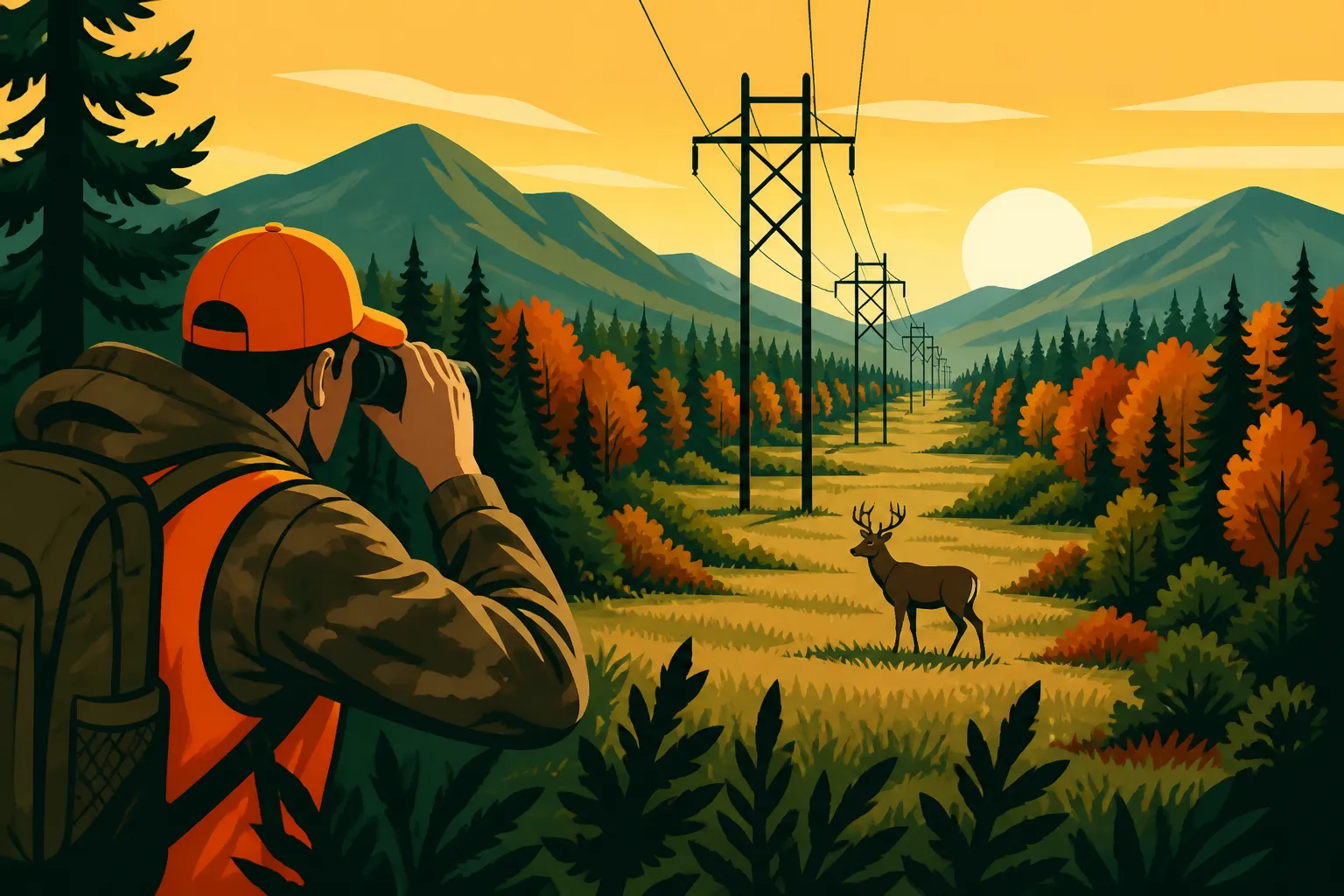
When we talk about utility corridors, most folks immediately picture those wide, cleared swaths under massive power lines, or maybe the slightly narrower paths where gas pipelines snake through the woods. While these are indeed part of it, a utility corridor right-of-way (ROW) is essentially a strip of land granted by landowners to a utility company for the purpose of constructing, operating, and maintaining infrastructure. This could be anything from high-voltage power lines and buried pipelines to telecommunications cables.
The key thing for us hunters to understand is that these aren't just industrial zones; they are often actively managed strips of land where trees are kept from growing tall to prevent interference with lines or pipes. This constant disturbance creates a unique habitat dynamic that can be incredibly appealing to wildlife. Think of them as man-made clearings, but on a long, linear scale, cutting through otherwise mature timber. In a state like New Hampshire, where so much of our landscape is forested, these corridors represent significant breaks in the canopy and diverse habitat edges.
Many hunters dismiss these areas outright, thinking they're too noisy, too visible, or simply too "industrial" to hold good game. This perception often leads to lower hunting pressure, which is a huge bonus for those willing to do their homework. While you won't find the serene, untouched wilderness feel of a deep hike into the White Mountain National Forest Timber, you'll often find concentrated animal activity due to the unique environment these corridors create. However, always remember that these are active utility corridors, and safety is paramount. Never interfere with utility equipment, and always be aware of workers and ongoing maintenance.
The Habitat Advantage: Why Deer and Other Game Love Corridors
The reason utility corridors become such magnets for wildlife is rooted deeply in ecology. Nature abhors a vacuum, and when you open up a strip of forest, you instantly create a highly diverse edge habitat, which is often a bustling supermarket and superhighway for various game species.
Edge Effect and Early Successional Growth
Imagine a dense, mature forest. The canopy is thick, sunlight struggles to reach the forest floor, and while there's browse, it's often older, less nutritious growth. Now, introduce a utility corridor. Suddenly, there's a wide-open gap where sunlight pours in, stimulating a burst of new, tender growth. This is called early successional habitat, and it's deer heaven. You'll find young saplings, shrubs, briars, and various forbs that provide excellent browse, year-round food, and fantastic cover for deer. These edges, where two distinct habitat types meet, are known as "edge effects," and they concentrate wildlife. Deer, especially, love these transitional zones where they can feed in the open or semi-open corridor and quickly dart back into the safety of the dense woods.
It's not just deer, either. Wild turkeys will often scratch for insects and seeds along these sun-drenched edges, and the thick tangles provide ideal nesting cover. Small game like rabbits and grouse also thrive in the dense undergrowth that springs up. Squirrel Hunting New Hampshire Hardwoods is classic, but don't overlook the corridor edges for these critters either.
Travel Corridors and Bedding Areas
Beyond providing food, utility corridors often serve as natural travel routes. Animals, much like humans, appreciate the path of least resistance. Instead of pushing through thick timber or navigating complex terrain, they'll often utilize the relatively clear path of a corridor to move between bedding areas, feeding grounds, and water sources. This makes them natural funnels and pinch points. You might find a major trail running parallel to the edge of the corridor, or even directly down the center if the cover allows.
During hunting season, especially when pressure mounts in the surrounding woods, these corridors can become sanctuaries or escape routes. A wary buck might use the dense cover along a corridor edge to bed down, feeling secure with the ability to see or smell danger approaching from the more open ROW, and bolt into the woods if needed. Identifying where these corridors intersect with natural topography, like a ridge saddle or a creek bottom, can reveal prime spots for stand placement. Learning to Read a White Mountain Deer Yard is crucial, but these corridors create their own micro-yards of sorts.
Scouting Strategies for New Hampshire Utility Corridors
Successful hunting in utility corridors, just like any other habitat, hinges on thorough scouting. These areas, however, require a slightly different approach due to their linear nature and often varying levels of public access.
Leveraging Mapping Tools
Before you even step foot into the woods, pull up your digital mapping tools. Services like onX Hunt and GoHunt are indispensable for identifying utility corridors and understanding land ownership. You can easily spot power lines, pipelines, and other utility easements on their satellite imagery and plat layers. What you're looking for are:
- Access points: How do you legally get to the corridor? Is it bordered by public land or do you need landowner permission for the access?
- Intersections: Where do these corridors cross major deer trails, creek bottoms, ridge lines, or other habitat features? These intersections are often high-traffic zones.
- Topography: How does the corridor interact with the terrain? Does it run up a steep hill, creating a natural funnel, or follow a relatively flat plain? Wind and Thermals in Steep Granite Terrain will play a huge role in how deer use these areas, especially in the more open sections.
- Cover diversity: Look for areas where the corridor management might be less aggressive, allowing for thicker pockets of cover right within the ROW, or where it runs alongside a particularly dense stand of softwoods.
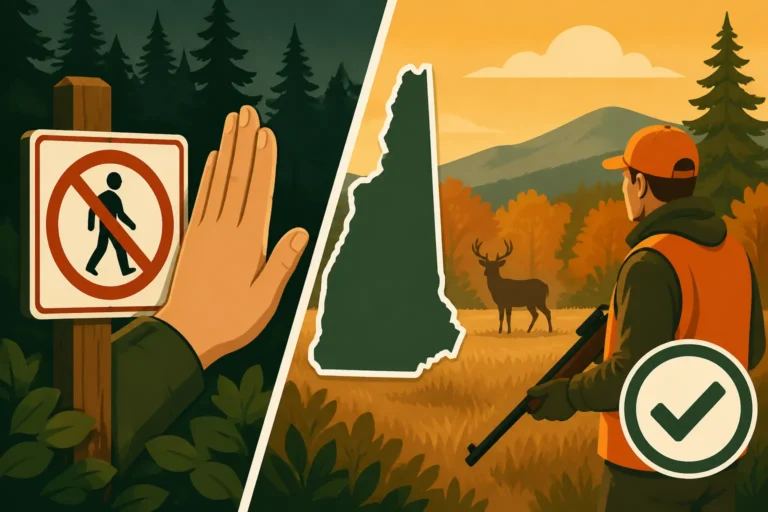
Always double-check land ownership and local regulations. While a utility company has a right-of-way, the underlying land ownership usually remains private. You'll need to know if you're on public land or if you require Asking a New Hampshire Landowner for Permission to hunt their portion of the corridor. Remember, even if the power company maintains the strip, the hunting rights often belong to the private landowner.
Reading the Ground: Sign, Trails, and Seasonal Clues
Once you've done your digital homework, it's time to hit the ground. Corridors are fantastic for revealing deer sign because of the relatively open ground and clear edges.
- Trails: Look for distinct trails entering and exiting the corridor, as well as those running parallel within the corridor's edge cover. Heavily used trails are your bread and butter.
- Rubs and Scrapes: Bucks will often work rubs along the edges where the corridor meets the timber, and scrapes can pop up in the more open, disturbed soil. Pay close attention to these, especially as the rut approaches in early-to-mid November. Scrape Lines Along a Logging Road are a common sight, and corridors are just another form of linear travel corridor.
- Droppings and Tracks: The cleared ground often makes tracks incredibly visible, especially after a rain or light snow. This will tell you what animals are using the corridor and how frequently.
- Food Sources: Identify what browse is present. Are there young maples, oak saplings, wild berries, or other desirable plants? Knowing what the deer are eating will help you predict their movement. If it's a poor acorn year, these corridor browse points become even more crucial. Hunting After a Poor Acorn Year means deer will be keying in on these alternative food sources.
Scouting isn't a one-and-done deal. Conditions change throughout the season. Early season might see deer hitting certain browse, while late season could see them focusing on other, more persistent food sources. A light snow can be an incredible scouting tool for identifying fresh tracks and movements.
Safety First: Being Aware of Your Surroundings
Hunting in a utility corridor comes with unique safety considerations.
- Active Infrastructure: Be acutely aware of power lines above and pipelines below. Never shoot towards or at utility infrastructure. Always assume lines are live.
- Public Visibility: These corridors can be quite open, making hunters more visible to other recreationists, landowners, or even utility workers. Always wear your blaze orange, even when not legally required, for maximum visibility. How Much Blaze Orange New Hampshire Requires during firearms season is critical to remember.
- Boundary Awareness: As mentioned, verify land ownership meticulously using tools like onX Hunt. Straying onto posted private land without permission can lead to serious legal issues.
- Shooting Lanes and Backstops: While corridors offer open shooting lanes, always be mindful of your target and what lies beyond. Ensure you have a safe backstop and are not shooting towards homes, roads, or utility structures.
Effective Hunting Tactics for Corridor Success
Once you've identified a promising New Hampshire utility corridor, it's time to translate that scouting into a successful hunt. The tactics here blend traditional woodsmanship with an understanding of these unique linear features.
Stand Placement and Pinch Points
The "edge" is your friend here. Deer rarely walk in the absolute dead center of a wide-open corridor during daylight hours unless pushed. Instead, they'll stick to the protective cover of the forest edge, where they can duck into thicker woods at a moment's notice.
- Edge Setup: Position your stand or ground blind within the treeline, just inside the woods, overlooking the corridor edge. This gives you cover while allowing you to see deer moving along the corridor.
- Pinch Points and Funnels: Look for areas where the corridor narrows naturally, or where topographical features (like a small ditch, rock outcrop, or even a denser clump of cover within the ROW) force deer into a more confined travel path. A section where the corridor crosses a small creek or a saddle between two rises can be an excellent pinch point. Deer also use funnels between two woodlots, and a corridor can act as a magnified version of this. Hunting a Funnel Between Two Woodlots teaches similar principles.
- Crossing Points: If the corridor intersects with an active deer trail that leads deeper into the woods, these are prime spots. Deer will often pause at these crossings, checking for danger before committing to the more open traverse.
- Wind Direction: Always play the wind. In open corridors, swirling winds can be a real challenge. You'll often find micro-thermals pushing air up or down slight inclines. Try to set up where your scent will blow across the corridor, not down it, and definitely not back into the woods where deer might be bedding. Wind and Thermals in Steep Granite Terrain are important factors.
Still-Hunting and Pressure Management
Utility corridors can be excellent for still-hunting, especially if you move slowly and deliberately, hugging the edges of the timber. The varied vegetation can provide good cover for a stealthy approach.
- Slow Movement: Take a few steps, then stop and glass, looking for flicking ears, a horizontal line in the vertical timber, or the tell-tale twitch of a tail. The relatively open nature of the corridor allows for better visibility than deep woods.
- Using Cover: Even if the corridor is cleared, there might be subtle dips, rises, or clumps of brush you can use to break up your outline as you move.
- Minimizing Pressure: These areas can be visible, so consider your entry and exit routes carefully. Try to access the corridor from an unpressured side or at a time when other activity is low. If you've been Hunting Pressure on New Hampshire Public Land for years, you know how crucial it is to find ground others walk past. A utility corridor might just be that spot.
Pros and Cons of Hunting New Hampshire Utility Corridors
Like any hunting location, utility corridors have their unique advantages and disadvantages. It's important to weigh these to determine if it's the right type of hunt for you.
| Feature | Pros | Cons |
|---|---|---|
| Habitat | Excellent edge habitat, early successional growth, abundant browse, natural travel corridors. | Can be linear and predictable; limited mature timber for traditional treestand setups directly in ROW. |
| Hunting Pressure | Often overlooked by other hunters, leading to lower pressure and more relaxed game. | Some areas might see recreational use (hiking, ATVs), requiring vigilance. |
| Visibility | Good long-range visibility for spotting game; easier tracking due to disturbed ground. | Hunters can be very visible; less concealment for stalking; requires careful stand placement. |
| Access | Often provide relatively easy walking access compared to dense woods. | Underlying land may be private, requiring permission; utility gates may be locked. |
| Safety | Can offer clear shooting lanes and backstops in some sections. | Active utility infrastructure (power lines, pipes) requires extreme caution; potential for utility workers. |
| Game Diversity | Attracts deer, turkey, small game (rabbit, grouse), and sometimes bear. | May not hold game consistently in all sections; can be seasonal hot spots. |
Ultimately, hunting a utility corridor right-of-way in New Hampshire is a fantastic way to expand your hunting opportunities, especially if you're looking for areas that might get less attention from other hunters. With careful scouting, respect for landowners and utility companies, and smart tactics, these linear clearings can become incredibly productive spots for filling your tag. So grab your onX Hunt app, lace up your boots (perhaps some Best Boots for White Mountain Granite Trails if you're in the hilly areas), and go explore these hidden gems!
Disclaimer
This article is for general informational purposes only and does not constitute professional advice. Laws, prices and regulations vary by location and change over time. Consult a qualified professional for guidance on your specific situation.